Monthly Archives

April 2021

By Borrower Stories, Migration V2

Meet Julia Sleeper-Whiting, Whose Undergraduate Volunteerism Became a Nonprofit Dedicated to Youth Empowerment

When Julia Sleeper-Whiting moved to Lewiston, Maine to attend Bates College, she never could have imagined that she’d be a small business owner in the community more than 15 years later — and not as a veterinarian, which she originally planned to become as a first-year undergraduate student. Julia intended to specialize in animal care, but after struggling in her introductory chemistry class she realized that she needed to try something different, and her community is certainly thankful she did.
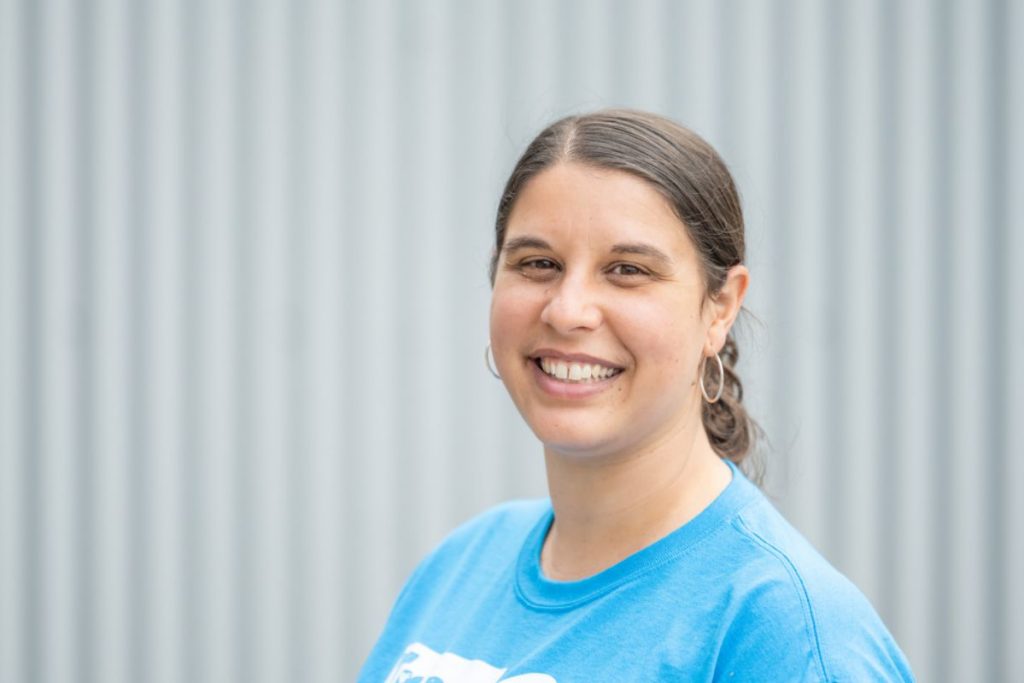
Julia Sleeper-Whiting

That something different turned out to be gender issues and an education course with a service-learning commitment of 30 hours. According to Julia, her placement in an English Language Learning (ELL) class was her first exposure to Lewiston, the state’s second-largest city. It was an eye-opening experience for the Bangor native. “I didn’t even know what ELL was,” Julia said. “I had grown up in Maine and had access to a high-quality education, yet, there were so many things I did not know about. Being two generations in from my own family’s immigration story from Lebanon, it was crazy to me that I knew nothing about refugees’ or these kids’ lives.”

Julia became intrigued with education, and her experience working with ELL students dramatically changed her career trajectory. She pivoted away from veterinary sciences and majored in psychology and education. Her initial service-learning placement in Lewiston, however, didn’t end after those first 30 hours in 2005. Instead, that was only the beginning of Julia’s work in the community. In fact, because she and her classmate, Kim Sullivan, spent so much time in the community as undergraduates supporting kids and providing homework help, the two joked that Bates was their extracurricular activity and Lewiston was their educational focus. “The experience was a privilege,” Julia said, “and I began to feel connected to a community in a way like I had never experienced in my whole life.”


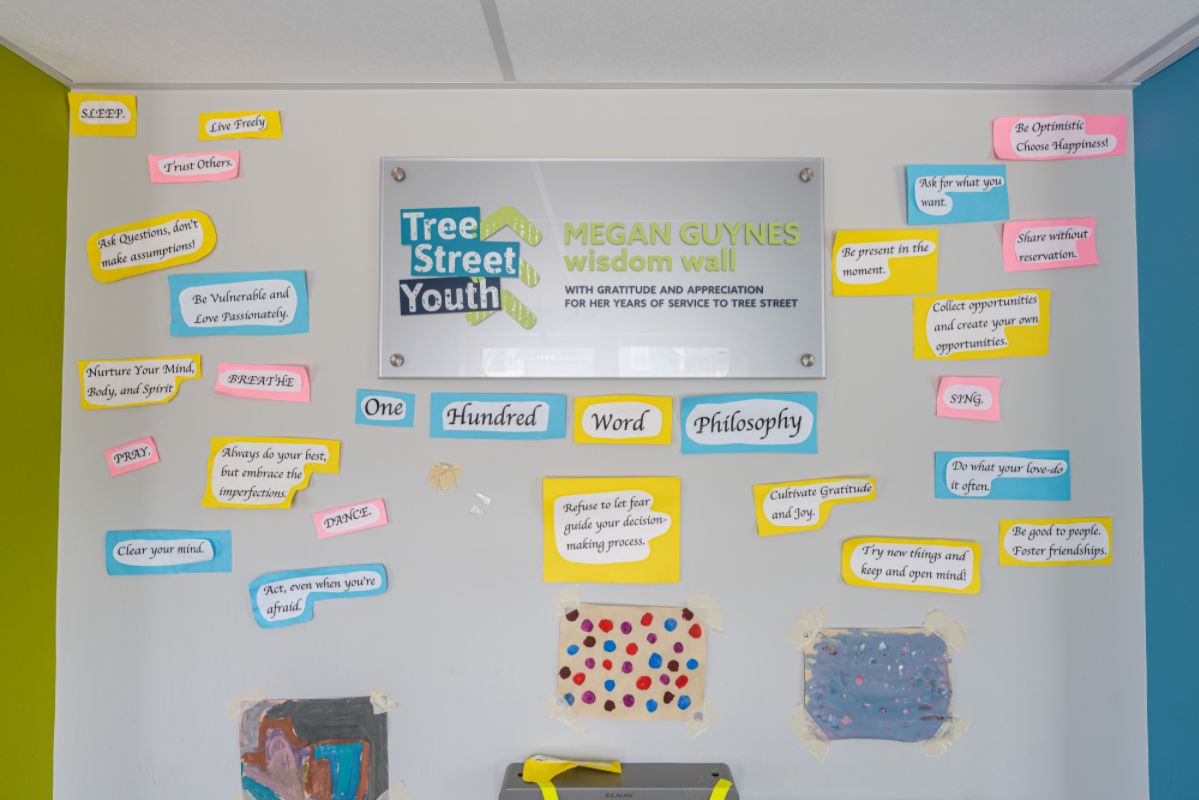
Not surprisingly, when Julia graduated from Bates, she didn’t end the work she was doing in Lewiston. Instead, she continued to offer homework help and tutoring in the community while she completed her master’s studies in leadership and organization studies from the University of Southern Maine. In the summer of 2011, she co-founded Tree Street Youth with Kim Sullivan, her Bates alumna, to be a summer youth camp for the same students they worked with throughout the school year.

Whereas Julia and Kim didn’t have a business model, they both had plenty of passion, not to mention a strong commitment to the Tree Street neighborhood in downtown Lewiston. They were fortunate to find a vacant property (a former daycare facility) to host their camp, and even luckier that the landlord was willing to give them a two-month-for-one special on rent. Although the old commercial building needed some work, the community came out to support Julia and Kim, and with a fresh coat of paint, Tree Street Youth was up and running.

A Google Search, and a Lucky Encounter

Two years after opening Tree Street Youth, Julia received word that the building they’d been renting was being put on the market. She worried that if the property changed hands, a new landlord wouldn’t want to keep Tree Street Youth in the building; but, she also knew that her organization didn’t have the capital to purchase the building.

Not knowing where to turn, Julia Googled “how a nonprofit purchases a building.” The Genesis Fund, a Community Development Financial Institution (CDFI), popped up. Julia, however, was unfamiliar with CDFIs. Instead, she chose to reach out to traditional banks to explore different lending options. Each told her that it wasn’t going to happen. Yet, as chance would have it, Julia ran into Bill Floyd, then executive director of The Genesis Fund, a few weeks later at a workshop in Augusta.

“Bill said ‘why don’t I come see what you’re doing,’” Julia said. “I’ll never forget the day. Our old building had very little airflow, and it was 90 degrees in there. We met in what we treated as an office, which wasn’t really an office, overlooking the play yard. We were both dripping sweat, surrounded by screaming kids and basketballs thudding against the wall, and he goes “you’re going to own this in a year.’”
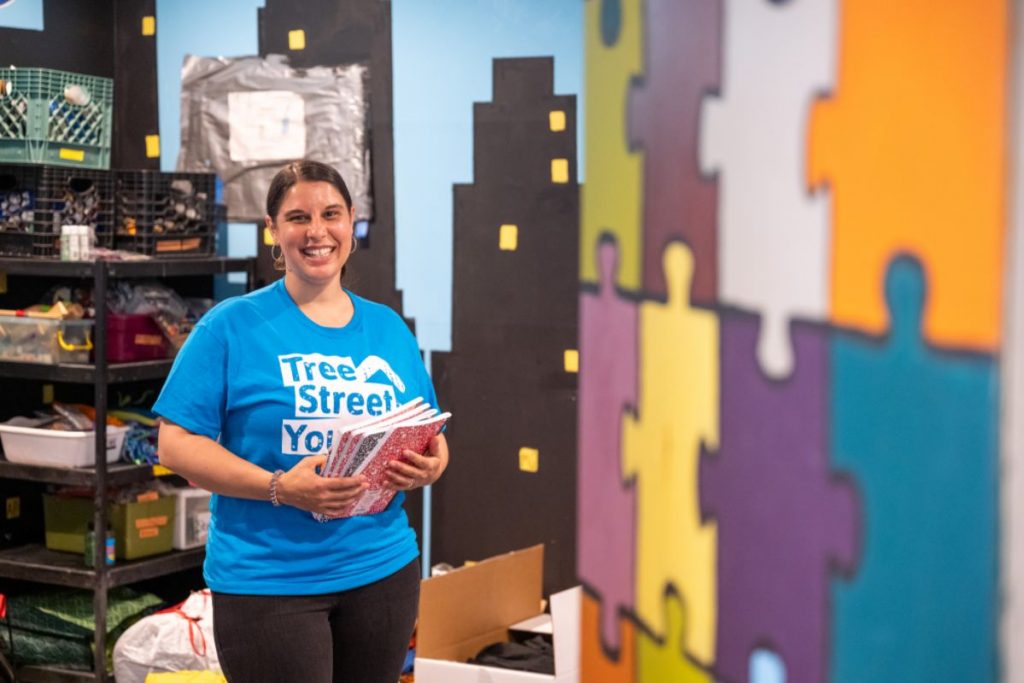
Bill was true to his word. Within 12 months, Tree Street Youth owned the building. Since 1992, The Genesis Fund has been working to develop and support affordable housing and community facilities across Maine, mainly by providing both financing and technical assistance to community organizations and nonprofits like Tree Street Youth. CNote partners with CDFIs like The Genesis Fund in communities across the country, channeling capital to fund social missions like affordable housing, women’s empowerment, entrepreneurial funding, and more.

After purchasing the building in 2014, Julia and her team set out to fundraise the necessary capital to renovate the entire facility. Through both a public campaign, which received contributions from nearly 400 community members and a major gifts campaign, Tree Street Youth was able to raise the money it needed for construction. By November 2019, after three years and two phases of construction, Tree Street Youth unveiled its renovated building to the community. The nonprofit is currently in the process of raising funds so that it can burn its mortgage by the end of 2021.
In addition to providing the loan itself, The Genesis Fund provided Tree Street Youth with bridge lending so that the nonprofit didn’t have to stop construction while it continued to fundraise. More so, Bill and his team worked alongside Julia throughout the construction and renovation experience, lending their industry know-how and expertise. “Providing those loans was critical,” Julia said, “but having Bill and Liza [Fleming-Ives] as my point people was invaluable because it gave me more confidence. We would not be where we are, or potentially even exist if they had not essentially taken a risk to want to support us.”
Rooted in the Community, Ever-Growing

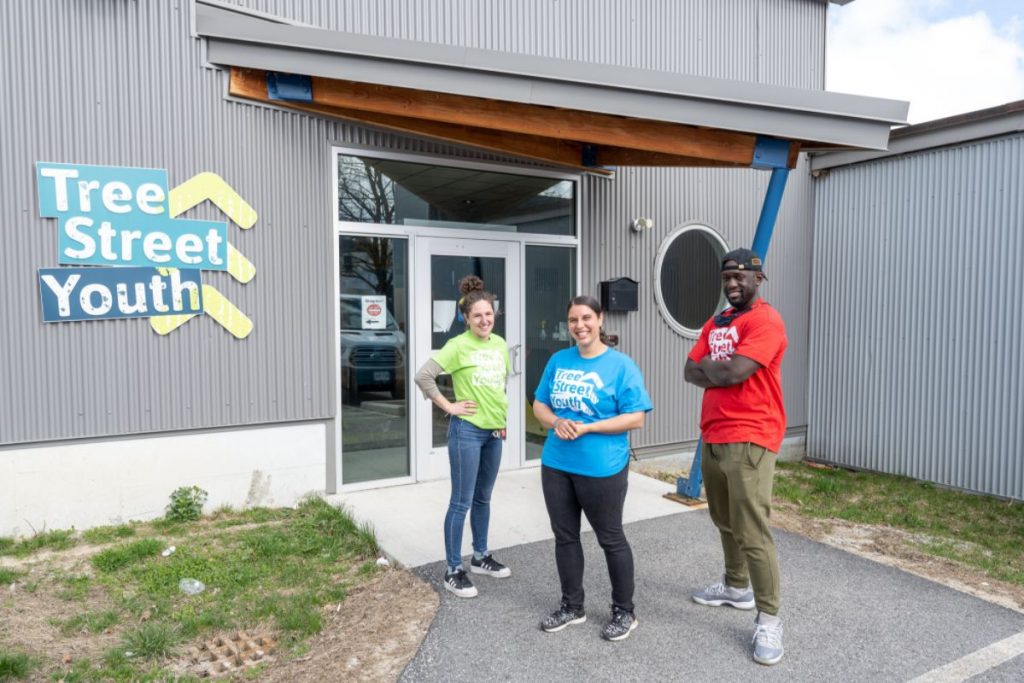
With the stress, uncertainty, and distraction of not having a guaranteed long-term space in their community behind them, today, Julia and her growing team at Tree Street Youth are able to focus on developing programming, forging new partnerships, and better serving their students. From the very beginning, all of Tree Street Youth’s programming has emerged out of needs voiced by the community. For example, according to Julia, Tree Street started its college prep program because kids wanted support to go to college, and the nonprofit started its leadership program because students wanted jobs helping other kids.

“Our vision is to cultivate leaders who fear less, love more and dream big, and build communities united across lines of difference,” Julia said. “The idea is that by supporting youth to recognize their passions and reach for their fullest potential, what that essentially does is cultivate them into leaders who then will go out and solve the issues around them.”

Prior to the COVID-19 pandemic, Tree Street Youth served between 600 and 700 children (pre-kindergarten to 12 grade) annually. Today, however, the organization is only able to serve roughly 100 students in person, and given the realities of the pandemic, much of the current work being done by the nonprofit is related to supporting students struggling with remote learning. Still, Julia is thankful that she and her team have a building where kids can come, spread out, and be safe, and despite the pandemic, Tree Street Youth is committed to offering year-round programming grounded in academic support, leadership development, and social-emotional enrichment, the latter of which was created and designed in partnership with Maine’s Department of Corrections to be both preventative and responsive to youth who come into contact with the juvenile justice system.

As much as Tree Street Youth has evolved over the years, one of Julia’s favorite things is when youth come back to work for the nonprofit as staff members. According to her, a number of Tree Stree alumni have worked for the organization (including two current staffers), and it’s always special for her when she can entrust a kid who’s “grown up with Tree Street” with a key to the building.
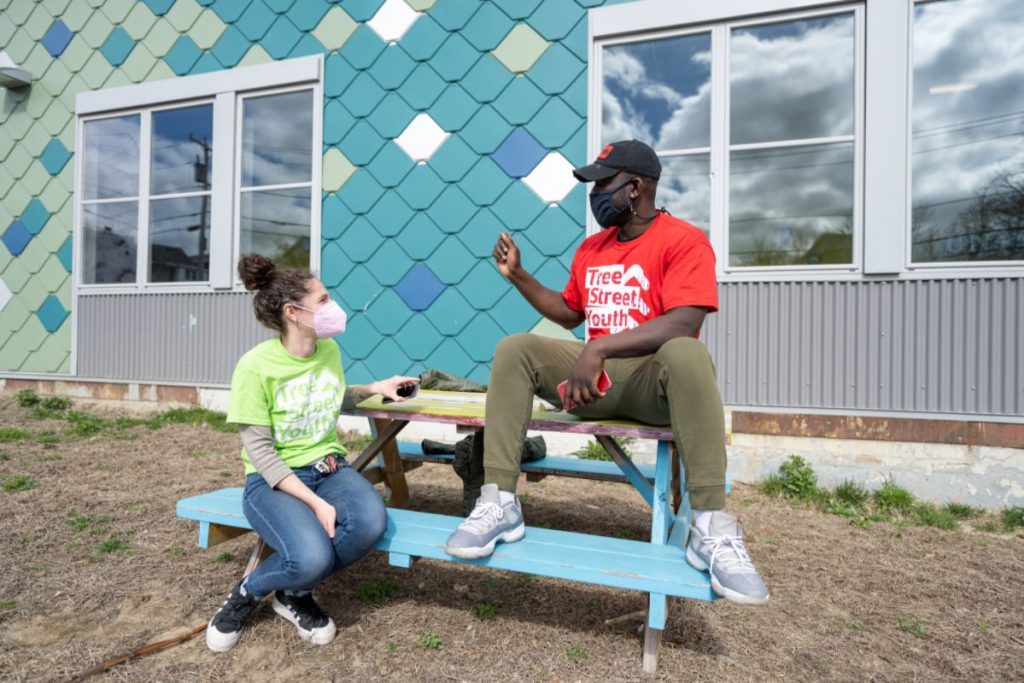
“Tree Street literally grew out of the community, no pun intended,” Julia said. “There’s been so much influence from so many people over the years. It’s an example of what can truly happen when every member of a community comes together to support their kids, and how empowered kids can truly change a whole community.”

Learn More

  • The Genesis Fund provides innovative financing by soliciting investment loans from individuals, churches, corporations, and foundations, and then re-lending the money at favorable terms to nonprofit organizations developing affordable housing and community facilities for underserved people and communities throughout Maine and beyond.
  • Tree Street Youth supports the youth of Lewiston-Auburn, Maine through academics, the arts, and athletics.
  • CNote is a women-led investment platform that empowers individuals and institutions to invest locally to further economic equality, racial justice, gender equity, and address climate change.
By Impact Metrics, Migration V2

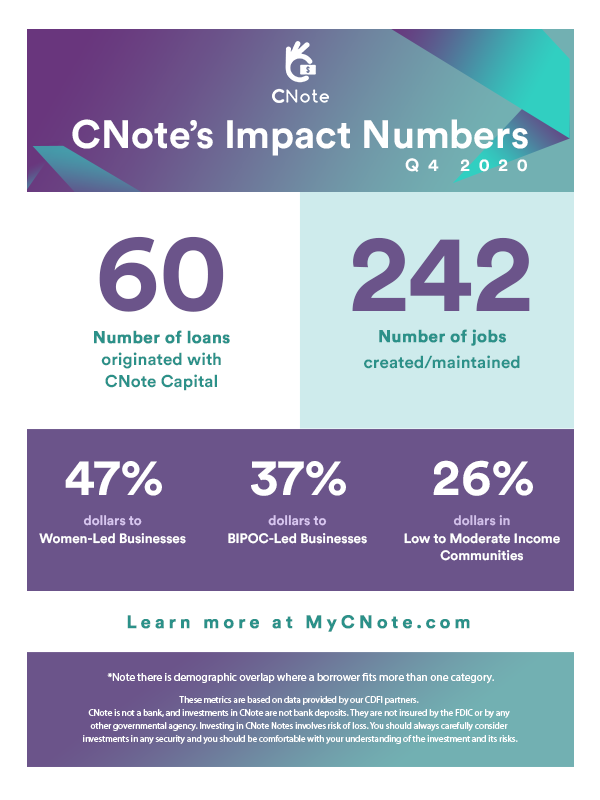
CNote’s Q4 2020 Impact Metrics

We know one of the main reasons you invest with CNote, is because of the impact your investment has.

We’re proud to share CNote’s Q4 2020 impact data.

In Q4 2020, our members helped create/maintain over 240 jobs and over 45% of all CNote investments funded women!

If you’d like to see our annual impact data, along with an explanation of how we map CNote’s impact investments to the UN’s Sustainable Development Goals.

By Borrower Stories, Migration V2

Meet Felicia Parks, A Franchisee Encouraging Her Employees To Become Entrepreneurs

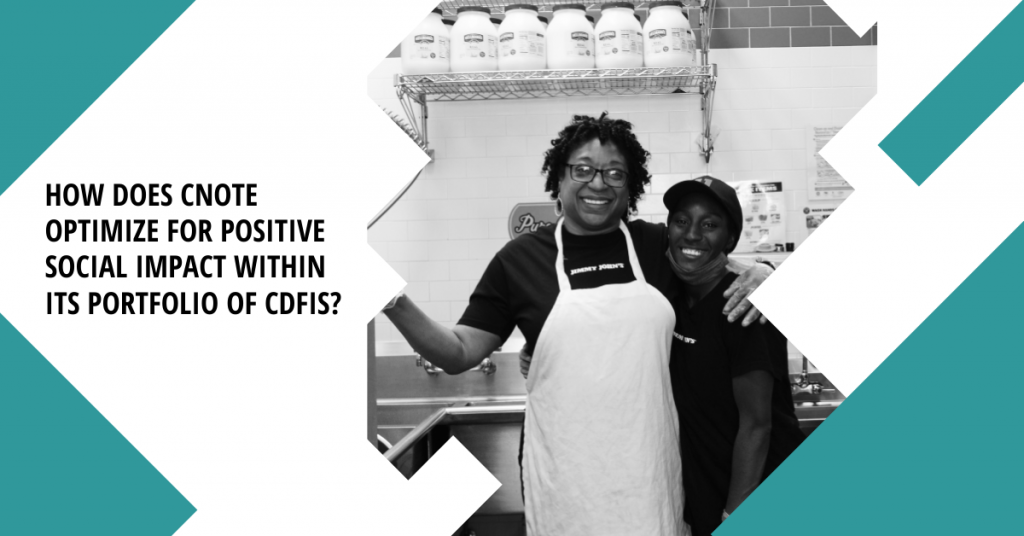
Felicia Parks was always interested in business; however, it wasn’t until her two sons were grown adults before she decided to try her hand at it. In fact, her sons were the inspiration that propelled her to open her own franchise.

After her youngest son graduated high school, he launched his own janitorial service. Unfortunately, the business never took off. “It was so disappointing to see him come home every day getting rejected,” Felicia said. “People already had an idea of who they thought he was just based on who he was as a young Black man. So, I wanted to start something where I could make a difference in my community and do something to bring in kids like my son who just needed somebody to give them a bit of a chance.”

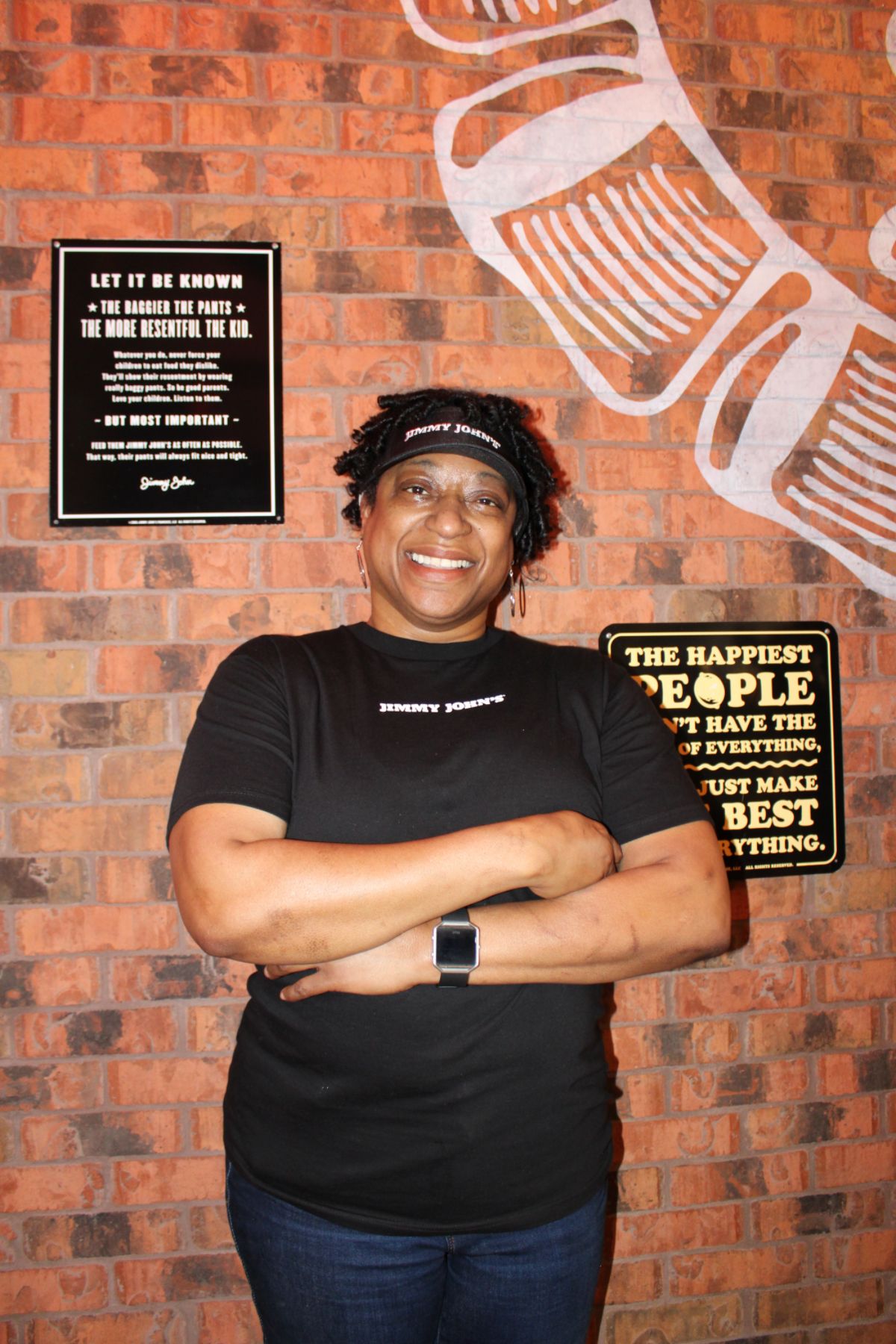
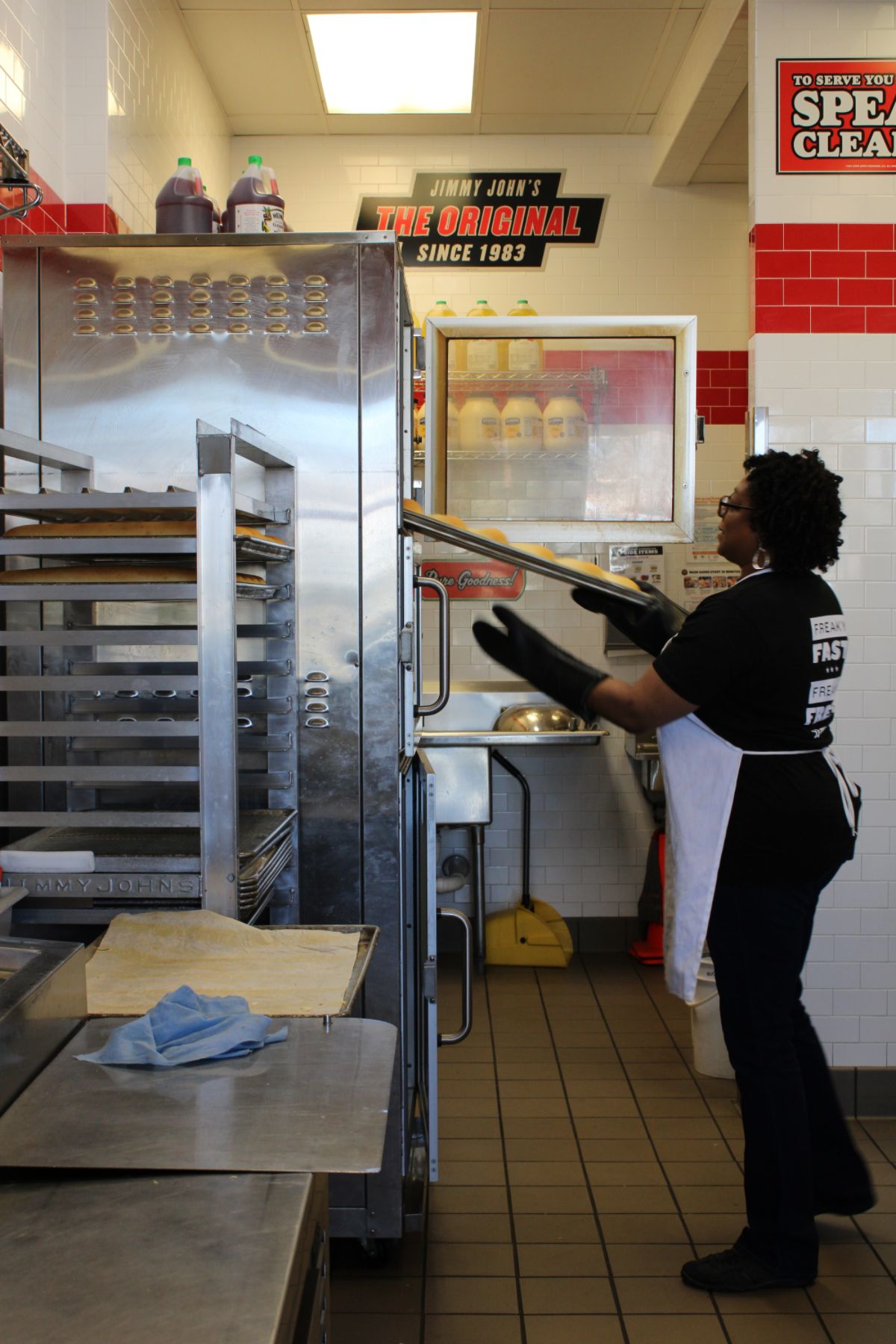
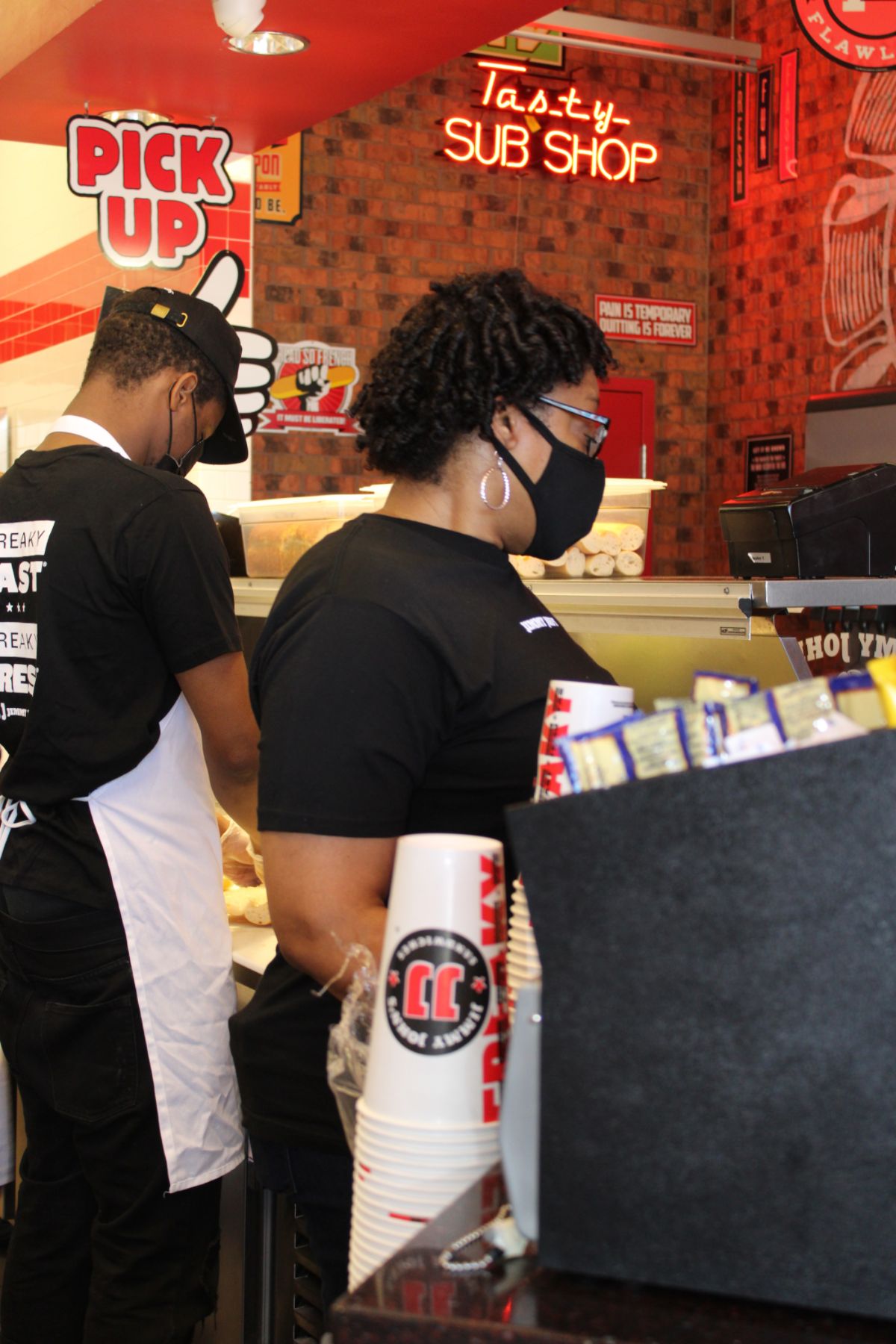
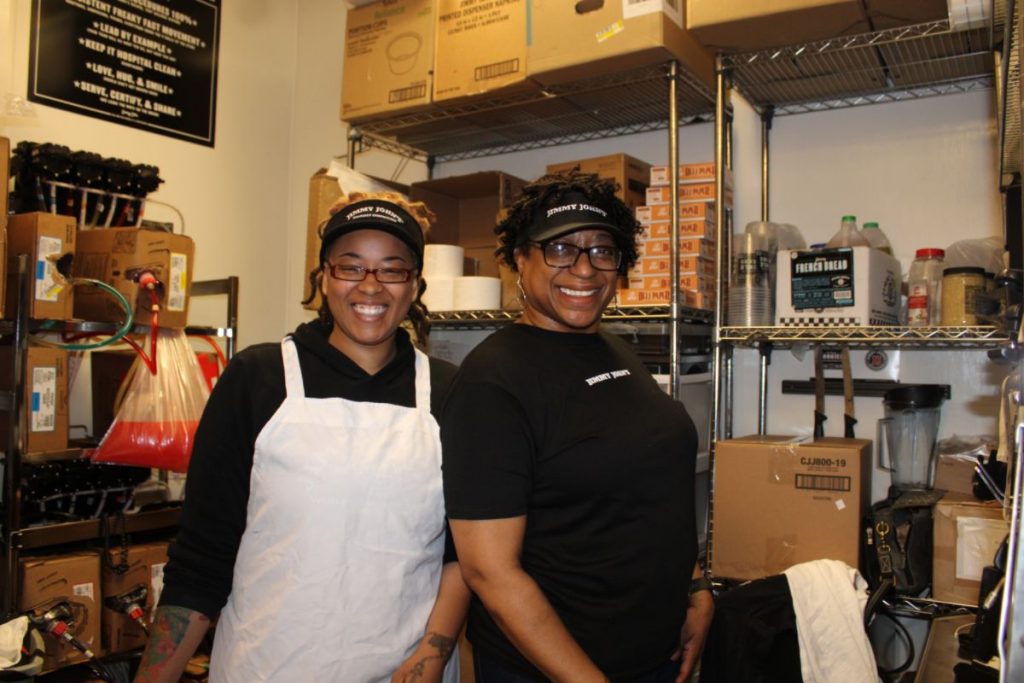
That’s when Felicia and her sons, Christopher and Camren, decided to open a Jimmy John’s store in the same Atlanta neighborhood where she was born and raised. Christopher and Camren ran the store while Felicia managed the business operations and continued to work her full-time job with the federal government. “It was scary because it’s something no one in my family had ever done,” Felicia, a veteran, said. “I really didn’t know anyone who had taken this kind of step before, and it’s a lot of money going into a franchise, and it takes a lot of commitment.”

Neither the commitment nor the finances, however, phased Felicia, who credits her time in the military as preparing her to have the mental fortitude, the resilience, and the self-belief required to be a successful entrepreneur. Additionally, during her time in the service, Felicia learned when it was time to ask for help. That’s ultimately what led her to the Small Business Development Center in her community, who in turn connected her with Access to Capital for Entrepreneurs (ACE), an Atlanta-based Community Development Financial Institutions (CDFI). CNote partners with CDFIs like ACE in communities across America, funding loans to small businesses, providing technical assistance, and empowering local entrepreneurs like Felicia.

Initially, ACE was able to assist Felicia with her business operations via a business coach; however, when COVID-19 hit, Felicia needed more than coaching: she needed capital. She went from a staff of roughly 25 to a team of her, her general manager, and, on a good day, one other employee. Sales were down 64% and she found herself behind on all of her payments. Whereas the winter months are usually (and expectedly) slow for Felicia’s business, the pandemic erased any hope for a spring upswing, and at one point, she thought she might have to give up on the business and file for bankruptcy.

Meanwhile, while Felicia was keeping her Jimmy John’s outpost open so that she could provide delivery and drive-through meal service to her community, she was doing her best to secure PPP funding. “We were struggling,” she said, “but we were doing everything we could so that the elderly and our regular customers who didn’t want to come out because of safety could still have Jimmy John’s.”

After being rejected from all of the traditional financial institutions and banks that had helped her in the past, Felicia finally received a bridge loan from ACE to cover some of her operating costs and, as she put it, “keep [her] head above water” until she could get a PPP loan through a different lender. Incredibly, unlike many of the business owners around her, Felicia never had to shutter her restaurant. Instead, she was able to keep the doors open and slowly bring back more and more of her employees, particularly the single parents whose kids were doing remote learning from home.

Now, as she’s preparing for life after the pandemic, not to mention having to pay back her loans, Felicia is similarly relying on ACE to provide her with advice and guidance on how to navigate the next 12 months. Additionally, she’s been able to take advantage of ACE’s online resources on marketing, management, and finance, all geared toward getting her business back up and running after COVID. Not surprisingly, however, Felicia likes the personal counseling she gets best. “I’m always able to call up Ms. Bonita [Doster],” she said. “Just being able to talk to her and have her understand and follow me through this journey has really helped me a lot.”

Whereas ACE has been right there next to Felicia throughout the pandemic, notably absent were her sons, who left the family business nearly two years ago to begin their own entrepreneurial ventures. Today, they both have their own successful businesses, one in Atlanta, and the other in Vietnam. For someone like Felicia, who opened a franchise to show her kids how to run a business, their success is what drives her to create those same opportunities for her employees.

“I have kids who come in and work here, and they learn about starting their own businesses,” she said. “And several of them leave to go do that. One of my managers has a catering business. A former general manager left to open his own photography business. Another is now a rapper. This is why I wanted to start my own business.”

Felicia’s lead-by-example mentality, along with the mentorship she provides her employees, takes many forms, including facilitating staff training sessions on financial literacy topics like filing taxes, budgeting, balancing checkbooks, and opening (and managing) a bank account. In Felicia’s mind, by investing in her employees’ futures, she’s taking the good fortune that she’s been dealt in life and paying it forward.

“I didn’t grow up wealthy,” she said. “I grew up in one of those situations where a lot of kids don’t make it through; but, I was blessed enough to make it. So, I just always want kids to know, no matter where you are, you can bring yourself out of that with hard work and dedication and commitment and focus, and you can get anywhere you want to be.”

Learn More

  • Jimmy John’s
  • Access to Capital for Entrepreneurs (ACE) – ACE is an SBA Microloan Intermediary, a USDA Intermediary Relender and a certified Community Development Financial Institution (CDFI).
  • CNote – Interested in helping create another story like Felicia’s? CNote makes it easy to invest in great CDFIs like ACE, helping you earn more while having a positive impact on businesses and communities across America.


By CNote, Migration V2

CNote Celebrates Five Year Anniversary, Thousands of Jobs Created in Underserved Communities

CNote Celebrates Five Year Anniversary, Thousands of Jobs Created in Underserved Communities

Women-Led Community Investment Platform Has Helped Individuals, Institutions and Corporations Invest Millions in Equity and Inclusion

April 22nd, 2021 // Oakland, CA // CNote, a women-led community investment platform with a mission of closing the wealth gap, today celebrates its fifth year in operation. CNote partners with Community Development Financial Institutions (CDFIs) and mission-driven deposit institutions, which are high-impact local lenders dedicated to delivering financial resources to underserved communities. Dollars invested and deposited on the CNote platform are deployed with these frontline lenders to fund women- and BIPOC-owned small businesses, affordable housing development, and further racial justice and economic development across the United States. 

Investments on CNote’s platform have created or maintained over 4,000 jobs. In the past 12 months over 40% of newly deployed capital has gone to women-led businesses and over 50% to BIPOC borrowers. CNote catalogs the on-the-ground impact of its community investments with regular quantitative impact reporting and by profiling the small businesses, people, and organizations that are positively impacted.

CNote’s long-term commitment to racial and gender equity investing earned it the Best Women-Owned Business Award from the U.N. Women’s Empowerment Principles and the firm has been recognized on the ImpactAssets 50 list showcasing top impact fund managers for two consecutive years. CNote is a Certified B Corporation, which means it meets rigorous social, environmental, governance, and community performance standards.

This logo, created for CNote’s five-year anniversary is comprised of photos of every success story we’ve profiled since 2016


In 2016, CNote launched The Flagship Fund, the first 100% CDFI-focused investment vehicle available to all investors with no minimum. Since then, CNote has introduced two new products: The Wisdom Fund, an investment vehicle for accredited investors designed to increase capital access and lending for women of color; and the Promise Account, a federally insured cash management solution that gives corporations and institutional investors a simplified way to deliver on DEI commitments by depositing cash for competitive returns and positive social impact. 

After launching with a retail product, CNote has moved to serve foundations and other institutional investors, and most recently to help corporations mobilize cash deposits and investments to improve their performance on ESG measures. In October of 2020, Mastercard expanded its relationship with CNote by committing $20M to the Promise Account to fund underserved communities and help women- and BIPOC-owned businesses. 

CNote CEO Catherine Berman said, “I’m proud of the team for what we’ve accomplished over these last five years, but given how challenging 2020 was for low-income people and communities of color, our mission of closing the wealth gap is more urgent than ever.” 

Berman added that “we’re most proud to say we’re aligned with CDFIs, which have acted as economic first responders throughout the pandemic. They are critical to getting investor capital authentically aligned behind community development that leads to lasting change. We look forward to supporting the CDFI industry and underserved communities for many years to come.” 

###

About CNote

CNote is a women-led impact investment platform that uses technology to unlock diversified and proven community investments to generate economic mobility and increase financial inclusion. Every dollar invested on CNote’s platform funds small businesses owned by women and people of color, affordable housing, and economic development in financially underserved communities across America. With the mission of closing the wealth gap, CNote’s customizable products allow anyone to generate social and economic returns by investing in the causes and communities they care about.


Media contacts

Thinkshift Communications 

Christine O’Connor | christine@thinkshiftcom.com | 203.927.1753

By CDFIs, CNote, Migration V2

How does CNote optimize for positive social impact within its portfolio of CDFIs?

A common question we get from investors is: How do you know investments on CNote’s platform are generating a positive impact in communities across America?

The CDFI Certification Process

For the majority of our offerings, we partner solely with Community Development Financial Institutions (CDFIs). CDFIs are federally certified by a program within the US Department of Treasury called the CDFI Fund. The CDFI Fund was established as a bipartisan initiative by the Riegle Community Development and Regulatory Improvement Act of 1994. This certification acts as an initial gauge to measure impact, however, our assessment doesn’t stop there. 

It’s true – it’s no small feat to get certified as a Community Development Financial Institution (CDFI). To become a CDFI, an organization must meet all 7 eligibility requirements: 

1) Be a legal entity at the time of the application

2) Have a Primary Mission of Community Development

3) Be a Financing Entity

4) Offer development services in conjunction with its financial services

5) Primarily serve one or more underserved Target Market(s)

6) Maintain accountability to that Target Market

7) Be a Non-Governmental entity (unless Tribal).

The federal approval process is rigorous and can take months, but with that designation, comes the highly coveted recognition as a specialized financial institution serving low-income and other disadvantaged populations. Once certified, the entity is then held to strict reporting standards that illustrate its commitment to its designated Target Market. In fact, from that point on, the organization must annually prove that 60% of its financing activities support its certified Target Market.

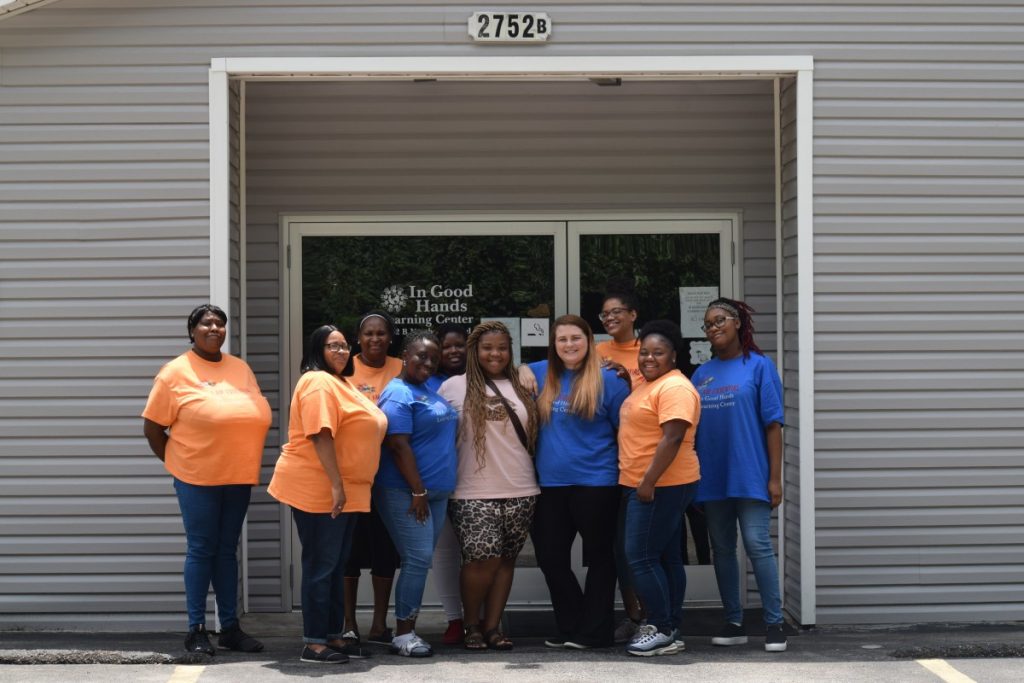
Ebony Harris and the In Good Hands Learning Center Team

But does certification alone tell us all we need to know about the lending practices of a CDFI? 

Does it automatically mean they are making the right decisions for the borrowers? 

Can we be certain that their impact is positive?

While the foundation of the CDFI model is to align its interests with people in the communities it serves to foster economic development and opportunity, sometimes, in practice, lending policies can negatively affect the people they aim to empower. 

Taking a deeper look at community impact

CNote’s diligence framework takes this potential weakness into account. Though heavy emphasis is placed on financial health and sustainability factors, almost equally important consideration is given to the potential repercussions of an organization’s lending systems as well as the organization’s intended community impacts. 

CNote’s diligence team looks beyond an organization’s financials to affirm it is acting in the best interest of its clients. 

Factors CNote considers, include but are not limited to:

  1. Understanding an organization’s underwriting guidelines; 
  2. Considering its portfolio management procedures; 
  3. Reviewing its collection practices; and 
  4. Confirming its stated impacts are truly improving the lives of residents in LMI communities.

CNote recognizes CDFIs’ constant balancing act between practicing flexible yet prudent lending. In acknowledging that distinction, first and foremost, it is important to keep in mind that borrowers of CDFIs, for one reason or another, are not welcomed into the financial mainstream. Therefore, they cannot be held accountable to standards they don’t qualify to participate in. As an example, many traditional institutions place a high value on collateral while underwriting potential borrowers. If a person does not own assets, they are at an immediate disadvantage trying to navigate a process through which they plan to build assets. CDFIs take this into account and don’t disqualify a potential borrower based on a single factor. It is through this lens that CNote evaluates potential partners. 

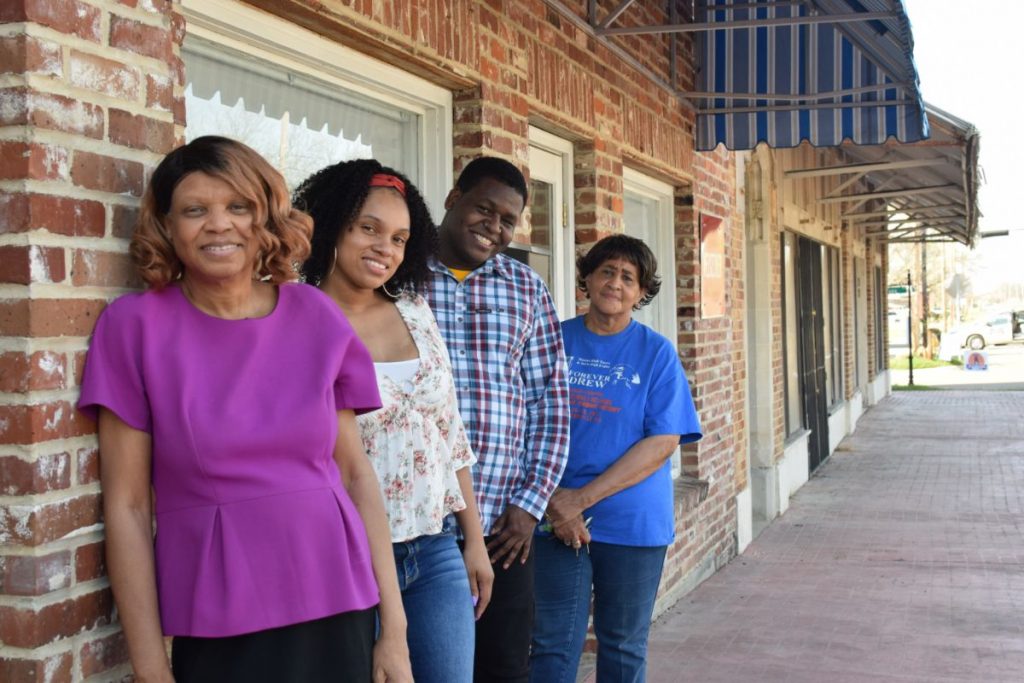
Gloria Dickerson and her team at We2Gether Creating Change

Overall, CNote’s mission is to reduce the wealth gap by building a more inclusive economy for everyone. We strongly believe that CDFIs have the institutional knowledge, federal support, and capacity to deliver on that promise. That said, we not only evaluate potential CDFI partners on the sustainability of their financial underwriting practices but their net community impact as well. We believe this approach yields the largest net returns to both CNote investors and the communities we look to empower and help access the economic mainstream. 

By CNote, Migration V2

Women-Led Fintech Platform Debuts Impact Customization Service That Lets Corporate Treasuries Invest to Meet DEI Goals

WOMEN-LED FINTECH PLATFORM DEBUTS IMPACT CUSTOMIZATION SERVICE THAT LETS CORPORATE TREASURIES INVEST TO MEET DEI GOALS

  • CNote’s enterprise-level, one-stop-shop service channels corporate capital into community development financial institutions and offers quarterly impact reporting
  • New customization service responds to shareholder and employee demands for change while simplifying investments in Black-led CDFIs and underserved communities

Oakland, CA – CNote, a women-led fintech firm working to close the wealth gap for women and people of color, has launched a new customization service that allows CFOs and corporate treasury departments to invest in community development financial institutions selected to meet their particular diversity, equity and inclusion goals and improve their performance on ESG measures.

CNote can customize a portfolio of CDFI loan fund investments by region and focus. Treasury teams can choose to invest in Black-led CDFIs, for example, or CDFI loan funds focused on low-income women entrepreneurs or climate adaptation in disproportionately impacted communities. CNote then does all the work, funneling funds to mission-aligned institutions exactly when they need them.

According to Catherine Berman, CEO and co-founder of CNote, “With this new customization service, we’re giving treasury leaders an easy way to invest in support of their company’s social and environmental goals.”

“Corporations are facing mounting pressure as shareholders, employees and customers call on them to address racial, gender and community disparities. Investing corporate funds to specifically target impact goals is low-hanging fruit for business leaders looking to gain a competitive edge,” says Berman.

Unlocking CDFIs as an asset class: CNote connects the dots  

Black-led CDFIs remain underfunded, despite a wave of interest following last summer’s racial justice protests. The Hope Policy Institute found that support for minority-led CDFIs was declining: From 2014 to 2017, the assets of white-led CDFIs grew $21.8 billion (a 163% rise), while the assets of minority-led CDFIs grew just $682.5 million (13.6%).

Using technology and a proprietary underwriting process, CNote provides a frictionless way for corporations to invest in CDFIs, which are essential frontline resources for businesses and communities not served by big banks.

Individual CDFIs can’t always handle the amount of money a corporation seeks to invest, and it’s impractical for corporate treasury departments to handle diligence, deployment and reporting on investments in a large ecosystem of community institutions. CNote solves this problem by investing funds throughout its vetted nationwide network of CDFIs.

Benefits include impact reporting and talent recruiting and retention

Berman notes that impact reporting is a key piece of the puzzle for businesses, given a growing level of public scrutiny on impact claims. CNote provides quarterly impact reporting to share with all stakeholders.

She adds that CDFI investments can be a risk management strategy for companies. “Just as companies make gains from diversifying their boards, treasury departments can improve financial performance along with impact performance by diversifying their cash holdings and investments,” she says.

CNote can also work with corporate partners that want to help their employees make impact investments. Increasingly, says Berman, corporate leaders are seeing impact investments as an opportunity to attract and retain talented people who care deeply about racial justice and inclusion and aren’t satisfied with splashy CSR reports and a few community grants.

About CNote

CNote is a women-led impact investment platform that uses technology to unlock diversified and proven community investments to generate economic mobility and financial inclusion. Every dollar invested on CNote’s platform funds small businesses owned by women and people of color, affordable housing and economic development in financially underserved communities across America. With the mission of closing the wealth gap, CNote’s customizable products allow anyone to generate social and economic returns by investing in the causes and communities they care about.

By Change Makers Series, Migration V2

Change Makers Interview: Leah Davis

Leah Davis is a change maker through and through. She was born in San Jose and raised by a Mexican mother and a Black father. Leah is an adult survivor of childhood domestic violence. Experiencing trauma as a child impacted Leah’s ability to make healthy decisions in many areas of her life, including with her finances and her relationships. In 2013, Leah left a toxic and abusive eight-year relationship: it was her first step toward a future of peace, prosperity, and financial stability.

Today, ​Leah has over five years of experience as a financial advisor. In early 2020, Leah began providing wealth and wellness coaching to women of color. Through a trauma-informed approach, Leah works with her clients to shift from fearful and harmful habitual thinking patterns to unlock their power, move toward an abundance mindset, and  learn about the wealth gap as they implement healthy habits with managing money

We caught up with Leah to talk about financial abuse, her approach to coaching, and her clients’ unique challenges, and we got the chance to hear her thoughts about why entrepreneurship makes sense for women of color who struggle to be seen and heard in the workplace.

CNote: What led you to become a financial coach for women of color?

Leah Davis: I found this organization called Closing the Women’s Wealth Gap. They introduced me to my mentor Saundra Davis of Sage Financial Solutions. She had one of her coaches who was going through the Financial Fitness Coach certification program and needed to get in his coaching hours. She asked me if I would do it, and I said “sure.” That was a game-changer for me. When I had my own financial coach, it really came to light that I had so much baggage, barriers, self-doubt, beliefs, and all of these things that were preventing me from really moving ahead in my life — even though I had all of this education and experience as a financial advisor.

At the time, I really wanted to do something for women of color in financial services, but I didn’t quite know what it would be. At this same time, I became a certified domestic violence advocate after taking 65 hours of training at a local women’s shelter. That was also eye-opening for me. So between that certification and the coaching, I thought maybe I could coach women of color. Then, it just all came together. I started the process to build my business as a wealth and wellness coach for women of color.

CNote: When a lot of people think about abuse, they think of domestic abuse, but can you tell us a bit more about financial abuse?

Leah Davis: Financial abuse is another way abusers assert power and control, and it’s why many victims will go back to the harm doer. On average it takes a victim seven times to leave before not going back to the abuser for good.  The CDC estimates a  female survivor will incur about $104,000 in medical bills and lost productivity at work across her lifetime. Then, on average, the harm doers will steal about $1,280 from survivors every month. On top of that, harm doers, on average, will incur about $15,900 of coerced or fraudulent debt in the survivor’s name, meaning credit cards or things that affect her credit. So, even if someone leaves the abuse and ends the relationship, a woman might have to deal with the financial insecurity and abuse and trauma component for a long time, which impacts her ability to achieve what she’s working toward.

CNote: Do you primarily focus on wealth coaching or wellness coaching, or do the two go together?

Leah Davis: Oftentimes, I’ll have somebody come to me because she wants to manage her money better and can’t seem to understand why she can’t stick to a spending plan or get out of debt. , Typically in that initial conversation, I find out that there is of course some sort of trauma. Whether or not she wants to go down that path is totally up to her, but, more often than not, it comes up. I can provide all the financial coaching and education available, but really that would just be like a bandaid on a very large wound. So, they go hand-in-hand.  I take a holistic approach with my coaching of physical, emotional, and even a spiritual focus to guide women towards feeling safe with money and they no longer second guess the decisions they make.

CNote: What would you say the need is for this kind of coaching, and are there other coaches like you out there?

Leah Davis: One in three women are at some point in their life going to experience some sort of intimate partner violence. So, the need is huge. There are some coaches that I’ve met who provide similar services, but they might not have gone through a  financial coaching certification program. In the financial advisory world, many advisors of color will market toward communities of color, but they don’t typically outright say these are the clients they serve. I am vocal. There are not enough women of color in financial services who are being out and open and saying, “this is the service that I provide other women of color.” We do have unique challenges and experiences in life, so I really champion these services.

CNote: How has the COVID-19 pandemic affected women of color?


Leah Davis: The virus has disproportionately impacted women of color, and the research shows they’ve been impacted the hardest on the health side. I’m curious about what’s going to happen years down the road and about what impact this has on their mental health long-term, especially those who are in situations where they do not have enough food or they’re stressed about not being able to get a job or being at home with the kids and maybe an abusive partner. There’s just so much that has impacted them the most, for sure, and a lot of them are breaking down, and there’s a lot of them who’re asking for mental health support.

I will say this though: Our communities facing these barriers also have the most hope and resilience. They have what it takes to really do some amazing things. It’s just being able to get them that basic stability — pay the bills, roof over the head, food on the table, transportation, childcare, employment — and they will be alright.

CNote: Thinking for a moment about the clients you serve on the other side of the spectrum — financially successful women of color — what are the unique challenges of coaching those clients?

Leah Davis: I’m part of a group of about 21 professional, successful Black women, and I’m one of the coaches, and these women are learning about credit investing and real estate and options trading, and I’m like, “you ladies are knocking it out of the park.” But, you know, the challenges and experiences are still very similar in some sense, and that’s again because of the trauma that some of these women have experienced. There’s also a pressure that they’ve “made it,” and so there’s a sense of responsibility to be the one to support the family. That’s why for them, it’s important to be around someone who can relate to them to talk to because, in their positions, everyone’s always going to them, and when you’re in a position where you’re the go-to person in your community and it’s take, take, take, take, take, then you overextend yourself financially, and then you’re not setting yourself up for long-term financial stability. So, that dynamic can create unique challenges, but at the same time I remind them that they have the ability to set up boundaries and that’s what we work on.

CNote: There seems like an opportunity there for some intrafamilial financial literacy education though, right?

Leah Davis: Absolutely. Oftentimes, the women that I do talk to on this side of the spectrum, they speak a language that’s different than their family understands. So when they do talk about wealth, their family might say “why do you want to talk about that?” or “you’re just all about money.” Quite often, I will say to my clients, “look, just by you being who you are and going through coaching and letting go of some of the trauma in your life, your family is going to see the difference in you, and they’re going to want to have a piece of what you have.” For me, I grew up in an environment where we didn’t talk about our finances or the abuse we endured. There were no conversations about setting goals and saving money. But today, I’ve seen it in my own family, where my family members have started to take better care of themselves financially, emotionally, and even spiritually. So, it’s leading by example in so many ways.

CNote: When you’re doing your financial coaching, do you talk about institutional racism?

Leah Davis: There are things in life that you can’t control, like systemic racism. In the work I do with my clients, I have them understand the wealth gap and the barriers that have been put in place for us so that they can have context to their experience. It’s not all our fault, right? And when you’re able to put context to the circumstances and you have money coming in, then you just feel, I guess freedom is the word. Just an ability to make those informed choices without second-guessing yourself and knowing there is a solution or resource available to help. That is so valuable, having that financial dignity.

CNote: How important do you think entrepreneurship is for women of color as a path to empowerment?

Leah Davis: So damn important. I say that because there have been countless, countless times where we have to go to work and have to explain ourselves, defend ourselves, advocate for ourselves, explain what we’re doing, not be heard, deal with microaggressions and implicit bias. It’s tiring, and it wears us down. I’ve talked to so many women of color entrepreneurs, and I ask them why they started their own businesses, and they say “because I wasn’t going to do that to myself anymore. Life is hard enough as it is. I want to do what I want when I want the way that I want, and so by having my own business, I’ll be able to accomplish that.”

There just has not been enough movement within the corporate or even the nonprofit world to have the representation of women of color at the table and to have our voices heard. So, having a business and being an entrepreneur is a way of creating the life we want and to not have to deal with the racism and microaggressions, and biases that we experience within the workplace. As it is, we deal with this too much outside of the workplace.

CNote: What’s your vision for the future in coaching women of color?

Leah Davis: I would love to have my coaching style be replicated by other women and it is easily accessible. I envision partnerships with financial institutions and domestic violence organizations, as this trauma-informed financial coaching goes hand in hand with the services that they’re providing women of color. I envision one day there being a more normalized conversation between a financial advisor or financial planner and a woman who has dealt with domestic violence in her life, and that financial advisor understanding what the heck she’s talking about and what she needs, and they’re able to work with her and not turn her away. For me though, I’m creating my wealth legacy for my family. I’m the first one in my family doing what I’m doing, so I’m also open to seeing where this all takes me. I’m following my gut, and I’m learning as I go.