Monthly Archives

June 2022

By Borrower Stories, Migration V2

Meet Lorain Francis, Whose Full-Time And Volunteer Jobs Are To Fight Food Insecurity In Maine

Although Lorain Francis hasn’t always worked on the frontlines of food insecurity, she’s been surrounded by volunteerism for as long as she can remember. Lorain grew up in Fairport, New York, where both of her parents were active volunteers in the community. Unsurprisingly, when Lorain grew up and owned a local retail business, she started to volunteer with the merchant’s association to revitalize the town’s main street. 
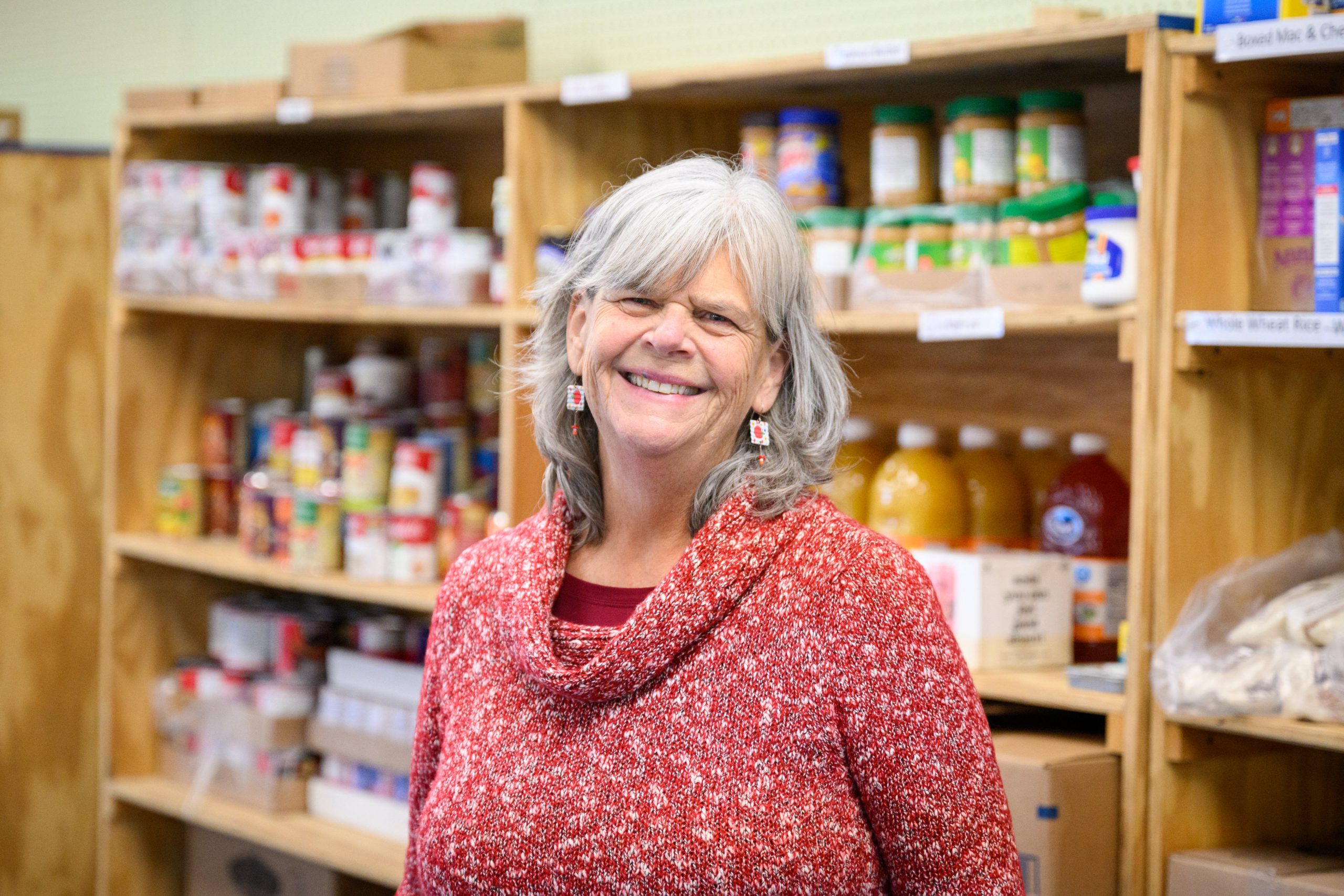
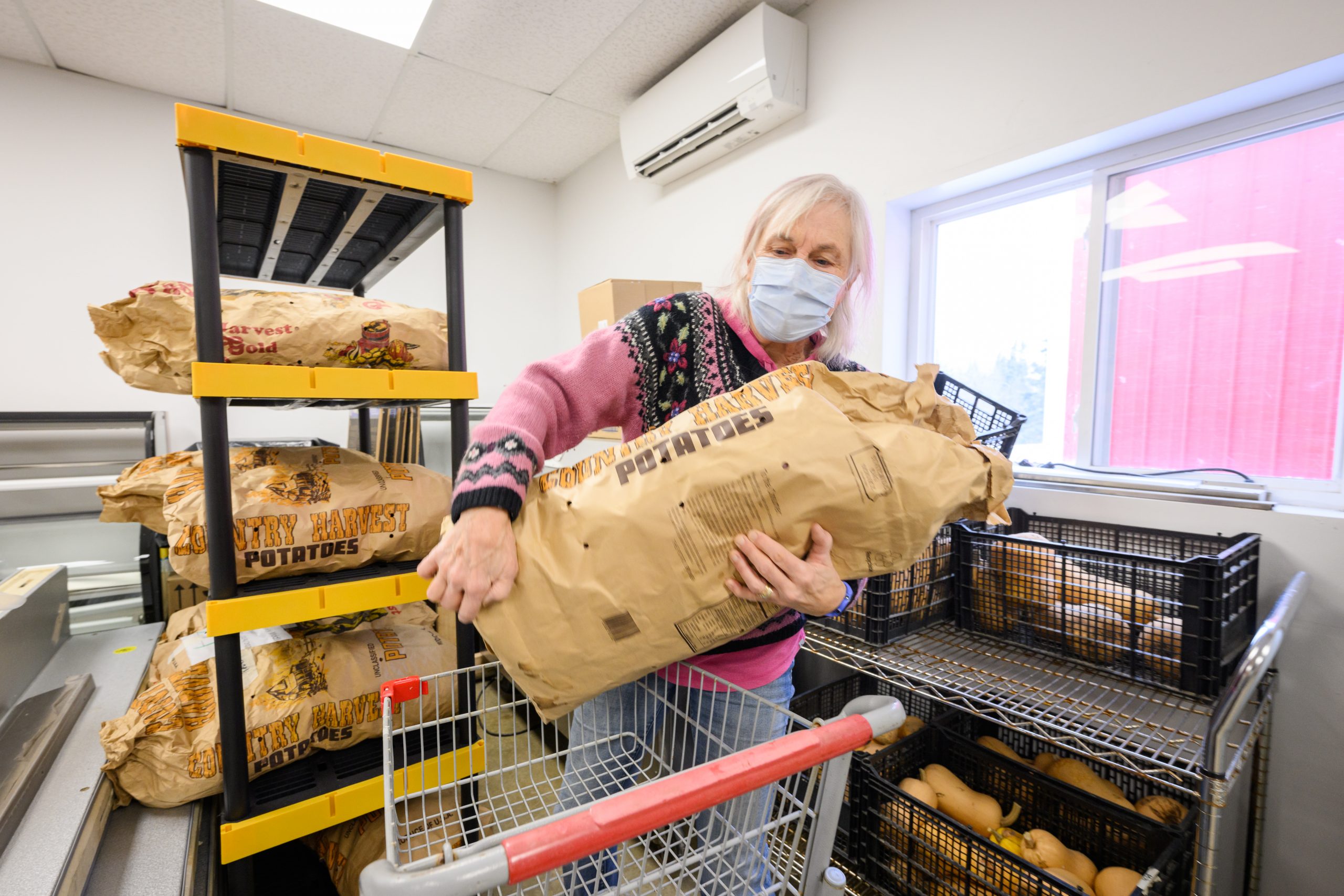
Lorain Francis

Fifteen years ago, Lorain and her husband moved to his hometown of Union, in an under-served area of coastal Maine, where Lorain found a job at the Chamber of Commerce in Rockland. That ultimately led her to the Maine Development Foundation, where Lorain got the chance to work with communities across the state, doing what she loved. However, after about five years working with Mainers near and far, Lorain began to feel disconnected from the last place she expected: the place she called home. “I realized that I lost my sense of my own community, because I was in everybody else’s community,” Lorain said. “I wanted to make a difference in my own community again, so the thing to do was to get involved locally.”

That’s when Lorain took a job at Penquis, a community action organization in Maine. At Penquis, Lorain helps to administer a federal AmeriCorps grant that places senior volunteers in eight food pantries and a soup kitchen in Mid-Coast Maine. Lorain is the program director for an initiative called Knox County Gleaners, which partners with local and backyard farmers and residents to harvest and redistribute fruits and vegetables to nearby food pantries. Last year, Lorain’s team helped to distribute over 22,000 pounds of vegetables to 22 locations in Knox County. 
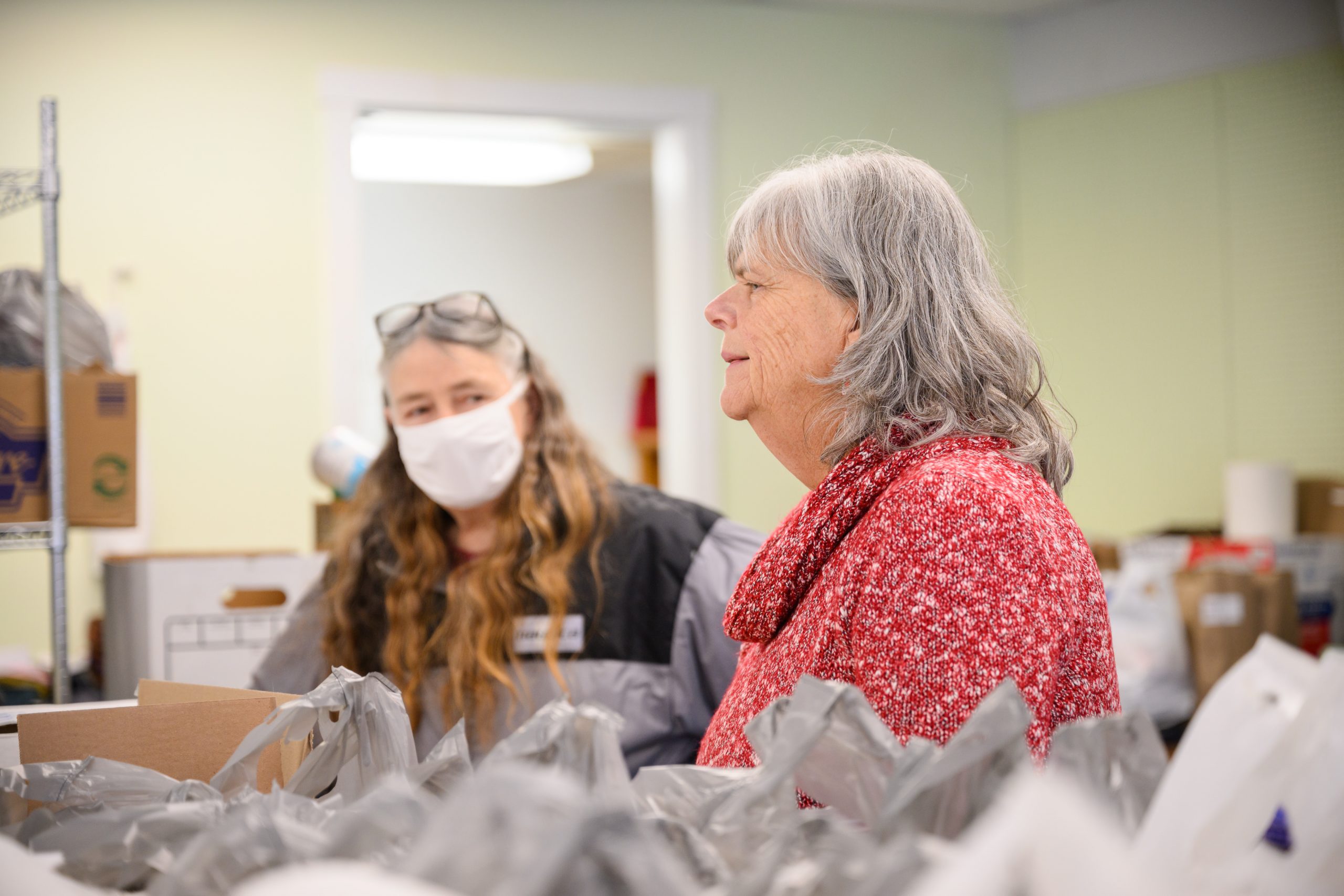
It was about two-and-a-half years after joining Penquis that Lorain ultimately found what she calls her “volunteer job” at Come Spring Food Pantry, one of Knox County’s food pantries. Come Spring was started over 20 years ago as a community service project, and when the founder decided to retire, Lorain decided that, given her background in community building, she was the right person to step in and help the organization grow.  

A Lender To Dream With

Even before March 2020, Come Spring was bursting at the seams in its cramped, hard-to-find space located in the basement of a town building. The COVID-19 pandemic exacerbated those struggles. According to Lorain, not only did social distancing restrictions limit how many people could be present in the tiny pantry at any one time, but it was challenging for community members to access new pickup locations, even as need increased. To make matters worse, Lorain says that there wasn’t enough space to store surplus food, which meant that the nonprofit had to rent another room, which soon became a financial burden for the organization.

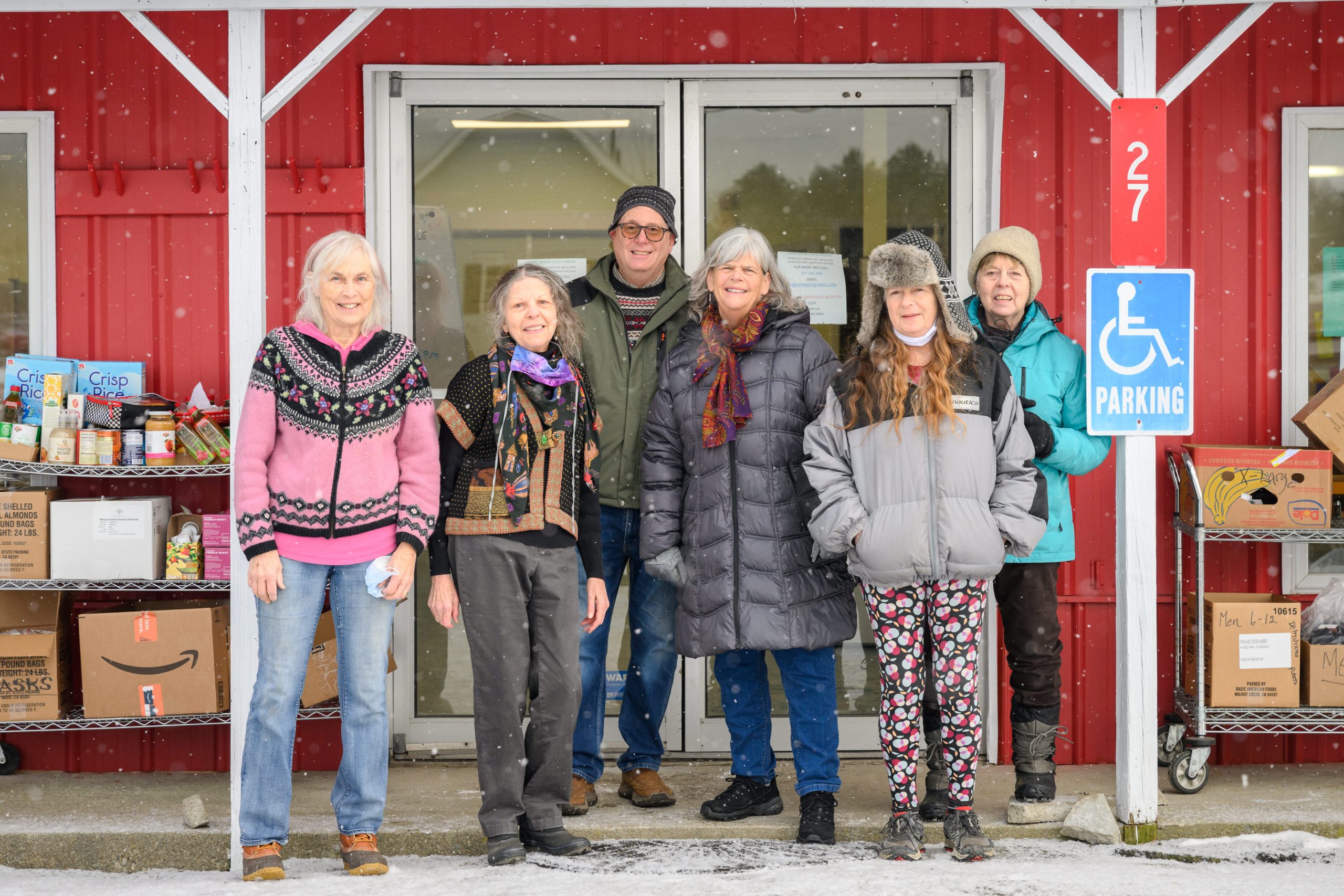
Come January 2021, Lorain knew what she needed to do: find a larger space. She and her team began to look around Union to see what was available. A few weeks later, she toured 27 Common Road. Despite that the 2,800-square-foot building was in major need of repairs (snow was falling through the roof), Lorain knew that it was Come Spring’s new home. The next obstacle? Figuring out how the small (but mighty) food pantry was going to be able to purchase it.

Lorain reached out to a colleague at AIO Food & Energy Assistance, another pantry that had just gone through a building campaign, to ask for advice. That’s how Lorain learned about a Community Development Financial Institution (CDFI) called The Genesis Fund. Since 1992, The Genesis Fund has been working to develop and support affordable housing and community facilities across Maine, mainly by providing both financing and technical assistance to increase the supply of affordable housing. CNote partners with CDFIs like The Genesis Fund in communities across the country, channeling capital to fund social missions like affordable housing, women’s empowerment, entrepreneurial funding, and more. 

When Lorain connected with The Genesis Fund, she instantly knew she found the right financing partner. Not only did the CDFI have an impressive portfolio of similar projects, but, as Lorain describes, the CDFI “dreamed with us as a fledgling pantry wanting to grow big.” The Genesis Fund offered Lorain and her team everything Come Spring needed, including assistance with the loan application and coaching. In the end, being challenged to think about Come Spring’s past, present, and future ultimately helped the food pantry to “grow up,” Lorain said. 

On February 12th, Come Spring made its purchase offer to the building’s owners, and, incredibly, the deal closed on March 31st — 64 days after Lorain and the CSFP Teams initial decision to move the pantry’s location. Meeting the March 31st deadline was significant, Lorain explained, because doing so meant that Come Spring didn’t have to pay taxes on the building for the next year. Therefore, the speed for which The Genesis Fund and the lawyers were able to help Come Spring close on its offer saved the food pantry $3,500. “For us, that’s huge,” Lorain said. “Genesis was amazing to work with. They believed in us from the beginning, and everybody pulled together and made it happen.”

Food Brings People Together

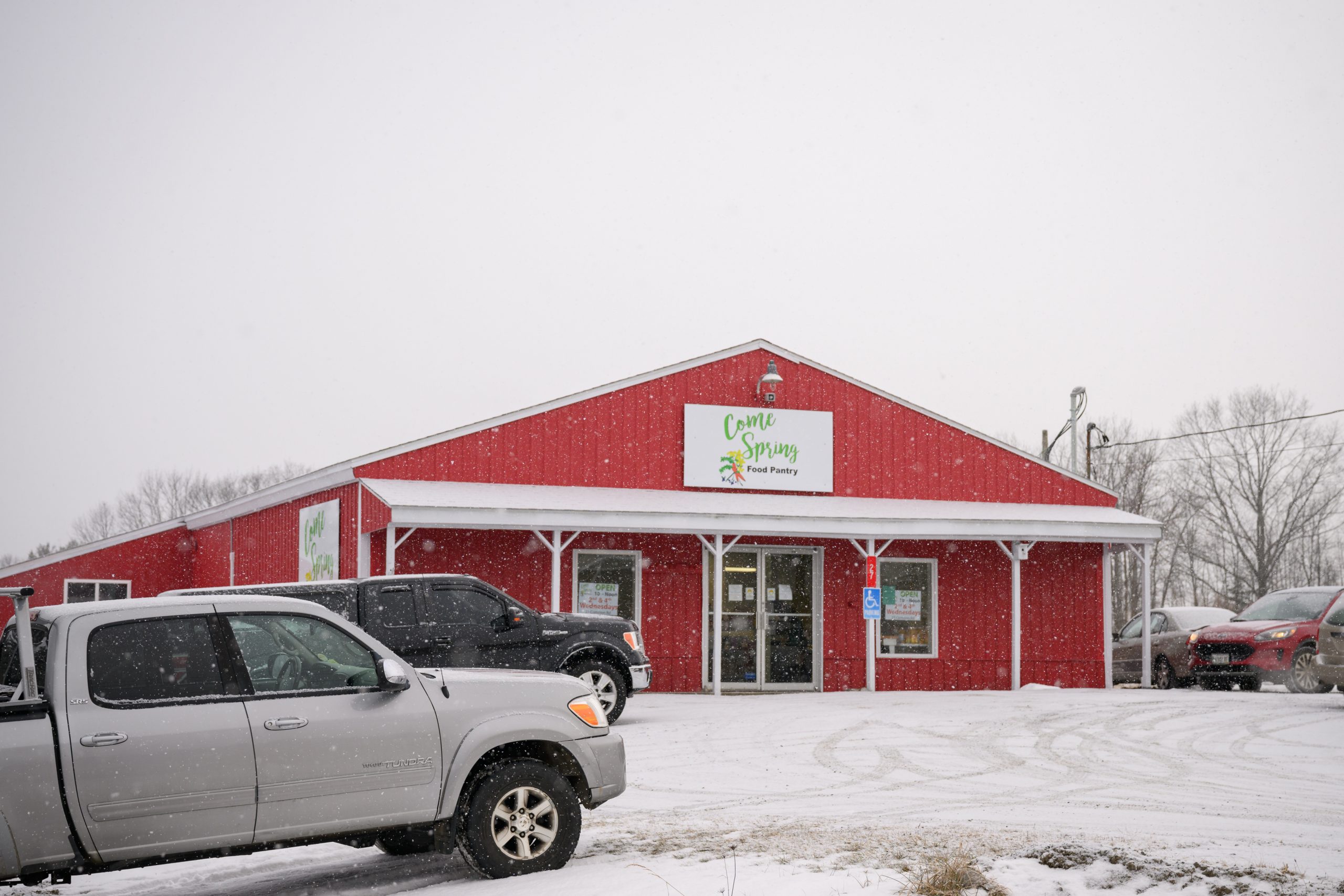
These days, Lorain has a lot on her plate. Once the real estate deal was finalized and the pantry secured its larger space, it was time to get to work. The first thing that needed to be done was to repair the building, namely installing a new roof. However, because Lorain wanted the new building to be a beacon for those experiencing food insecurity, it had to be painted barn red. The addition of “huge signs” helped to ensure that the building can’t be missed — it’s now visible more than a half-mile away.

Come Spring officially opened its new pantry on July 10th, 2021 and the location has quickly become a long-term food storage hub for other food pantries and food security groups in western Knox County. Besides the much larger food pantry and a big parking lot, Come Spring now has in its plans a storage room, a classroom, and a commercial kitchen, where volunteers can process food (e.g. make apple cider) and prepare take-home meals. The pantry Knox County Gleaners was also able to acquire a CoolBot, an energy efficient walk-in cooler, which ties back to the work that Lorain does with produce redistribution at Knox County Gleaners. Another way Come Spring has established itself as a community center is by hosting Union’s weekly farmers’ market, which consistently attracts large crowds. 

Today, Lorain and her team of volunteers open Come Spring to the community every Wednesday with both daytime and evening hours. In July the pantry will switch from pre-packed boxes to a client choice shopping model just one year after moving to the new pantry. Providing a small grocery store experience and atmosphere allows people to shop for what their families’ preferences are, she said. “It gives people choices, it gives them dignity, and it empowers them to be able to choose what they want.”

Since moving into its new facility, Come Spring estimates that it will be able to increase its capacity to provide services to additional families, including the elderly, couples, veterans, large and small families and anyone struggling with food security in the region. 
“We encourage people to come and get food basics from us and spend their saved income on gas, heat and to keep their car running so they can get to work and children to school. I don’t want anyone in my community to not know that there are food pantries here where anyone can get food,” Lorain said. “It’s a labor of love, and I love making sure that everybody in western Knox County is fed. It doesn’t get any better than that.”

Learn More

  • Come Spring Food Pantry is a food pantry in Knox County, Maine, with a mission of feeding their neighbors with dignity while promoting health, opportunity and hope.
  • The Genesis Fund provides innovative financing by soliciting investment loans from individuals, churches, corporations, and foundations, and then re-lending the money at favorable terms to nonprofit organizations developing affordable housing and community facilities for underserved people and communities throughout Maine and beyond.
  • CNote is a women-led investment platform that empowers individuals and institutions to invest locally to further economic equality, racial justice, gender equity, and address climate change.

By Community Partners, Migration V2

How Capital For Change Uses CNote To Create More Possibilities In Its Community

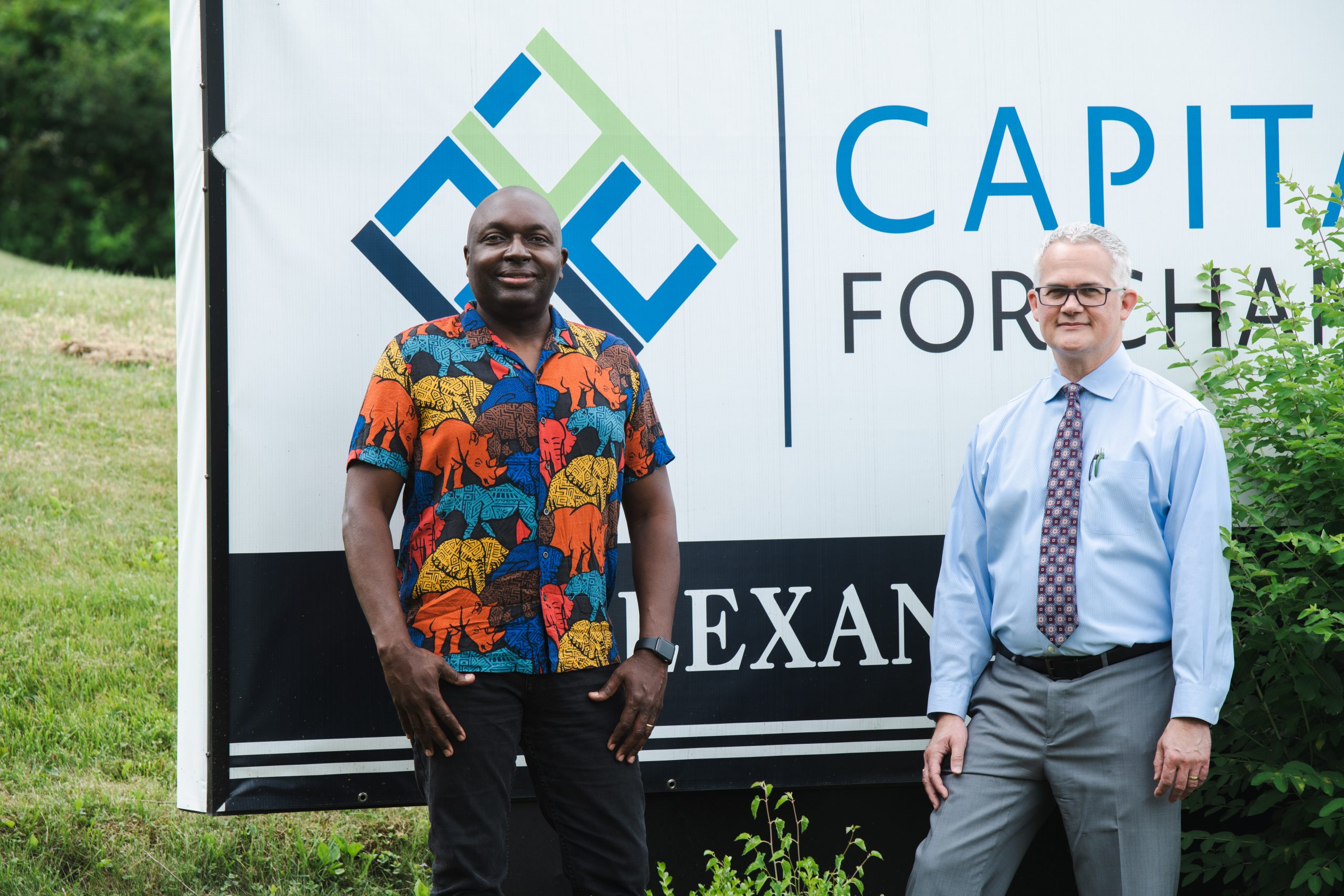
For the better part of 15 years, Charles Bodie worked for a large, multinational investment bank and financial services holding company, first in private wealth management, and later in credit risk. Although he enjoyed his work, when Charles relocated to New Haven, Connecticut nearly three years ago, he began to look for other employment opportunities. That’s how he learned about Capital for Change, the largest full-service Community Development Financial Institution (CDFI) in Connecticut. 

Charles Bodie, Capital For Change’s Chief Financial Officer.

While Charles didn’t initially set out to work in the CDFI sector, he says that he was attracted to Capital for Change because of its mission-driven practices. “The loans and other activities that Capital for Change do really make a difference for people that otherwise might not receive those opportunities from other financial institutions,” he said. “For me, that just meant so much.” In 2019, Charles became Capital for Change’s Director of Finance and Reporting, and he’s since stepped into the position of Chief Financial Officer. 

Capital for Change was created in 2016 after three established CDFIs — Community Capital Fund, Greater New Haven Community Loan Fund, and Connecticut Housing Investment Fund — merged into one. Today, each of Capital for Change’s programmatic, product, and service offerings are rooted in those founding CDFIs’ combined decades of experience and expertise. According to Charles, Capital for Change takes a diverse approach to lending, which centers around what the CDFI refers to as “The Core Four.” Those complementary missions include affordable housing, energy efficiency lending, loan servicing, and community development loans. “The need for affordable housing is paramount, but the fact that we can actually touch on multiple missions is even better.” Charles said. “The more we can do in more diverse ways, the better.”

Charles is especially excited about Capital for Change’s energy efficiency loans, which help homeowners to conserve energy usage and decrease costs through audits, retrofits, and alternative/clean energy improvements. Charles estimates that on the consumer side, the CDFI has originated more than $87 million in efficiency loans. These loans stem from various programs and funding initiatives — ranging from replacing 80-year-old oil furnaces to installing solar panels — led by Connecticut’s Public Utilities Regulatory Authority. Because the state utilities cannot be a lender , the utilities funds are “farmed out” to various lending organizations, including Capital for Change. “The utilities created the products, and what we do is we bring the consumers together with the contractors that can do the work and use the utilities’ money,” Charles said. “We’re the ones who bring all of that together.”

Capital for Change also offers multifamily energy loans through a program called LIME (Low Income Multifamily Energy), in which the CDFI works on a project-by-project basis with property owners to make energy efficiency improvements to multifamily properties and condominium developments that meet certain requirements (e.g. no fewer than 5 units and at least 60% of units affordable to households at no higher than 80% of Area Median Income). According to Charles, to make those loans work, the CDFI treats the energy efficiency updates as a kind of collateral. “If we know that you’re going to save, say, $50,000 in maintenance and utility costs over the next 10 years,” he explained, “then when we put these improvements in place, you pay it back to us with those savings. It’s a novel way to approach energy efficiency lending.”

Charles shared an example from a recent project in Bridgeport, Connecticut. A partner organization constructed a charter school on an old manufacturing site, and Capital for Change funded an energy efficiency refurbishment. Capital for Change worked with a company to install a fuel cell so that the school, housing for tutors, and a future housing project would be able to generate its own electricity. “We funded the fuel cell project when no one else would,” Charles said. “That one project in and of itself is a real boon for a CDFI like us because it touched on education, energy efficiency, housing, and urban blight, and it’s been phenomenally successful.”

It’s with that same kind of diversified lending approach and multi-faceted mission orientation that Capital for Change is looking to the future. Specifically, Capital for Change is interested in piloting a small business lending program in the next year or two. Most of the CDFI’s current business loans are greater than $100,000; however, if piloted, Charles said that Capital for Change might offer loans as low as $5,000 to small business owners. Additionally, Capital for Change is considering new ways to find out what its community needs, mainly through survey work and collaborations with community organizations. “Traditionally, we didn’t ask anybody about needs because we know there’s a need for affordable housing and energy efficiency,” Charles explained. “But, what is it that we don’t know? What are we missing? That’s where getting in touch with the community is really important.”


‘CNote Wants Exactly What We Want’

Given the diverse nature of Capital for Change’s work, the CDFI is able to get funding from diverse investors, including banks and the state; as is the norm, those dollars come with usage restrictions related to programs or loan types. While Charles and his team are appreciative of every loan and investment that flows into Capital for Change, he says that working with CNote changes the paradigm. “CNote wants exactly what we want, and they follow our mission,” he said. “Because so much of the funding that we receive is specific to project or loan type, there are only certain loans that qualify; but, everything can be funded with the money that CNote provides, and that’s been an excellent resource.”

Charles said that funds that come into the CDFI through CNote’s Flagship Fund create myriad possibilities for Capital for Change. For example, with CNote dollars, Capital for Change can free up capital from existing loans. That means that Capital for Change can replace money in one of its current loans with CNote money to free up capital for another loan. According to Charles, that creates other possibilities for the CDFI, including passing the benefits on to its clients by lowering interest rates on future loans.

Additionally, Charles has found that working with CNote has lightened typical CDFI reporting requirements, freeing up administrative time and costs so that he and his colleagues can focus on perpetuating Capital for Change’s missions. “CNote has really filled the space for CDFI borrowers like us,” Charles said. “For traditional banks, our world is a bit alien to them, but for CNote, they’re showing that lending evolves. They’re at the forefront of that evolution, and that’s another aspect that makes our partnership with them work really well.”

Learn More

  • Capital For Change is the largest full-service Community Development Financial Institution (CDFI) in Connecticut.
  • CNote is a women-led investment platform that empowers individuals and institutions to invest locally to further economic equality, racial justice, gender equity, and address climate change.
By Community Partners, Migration V2

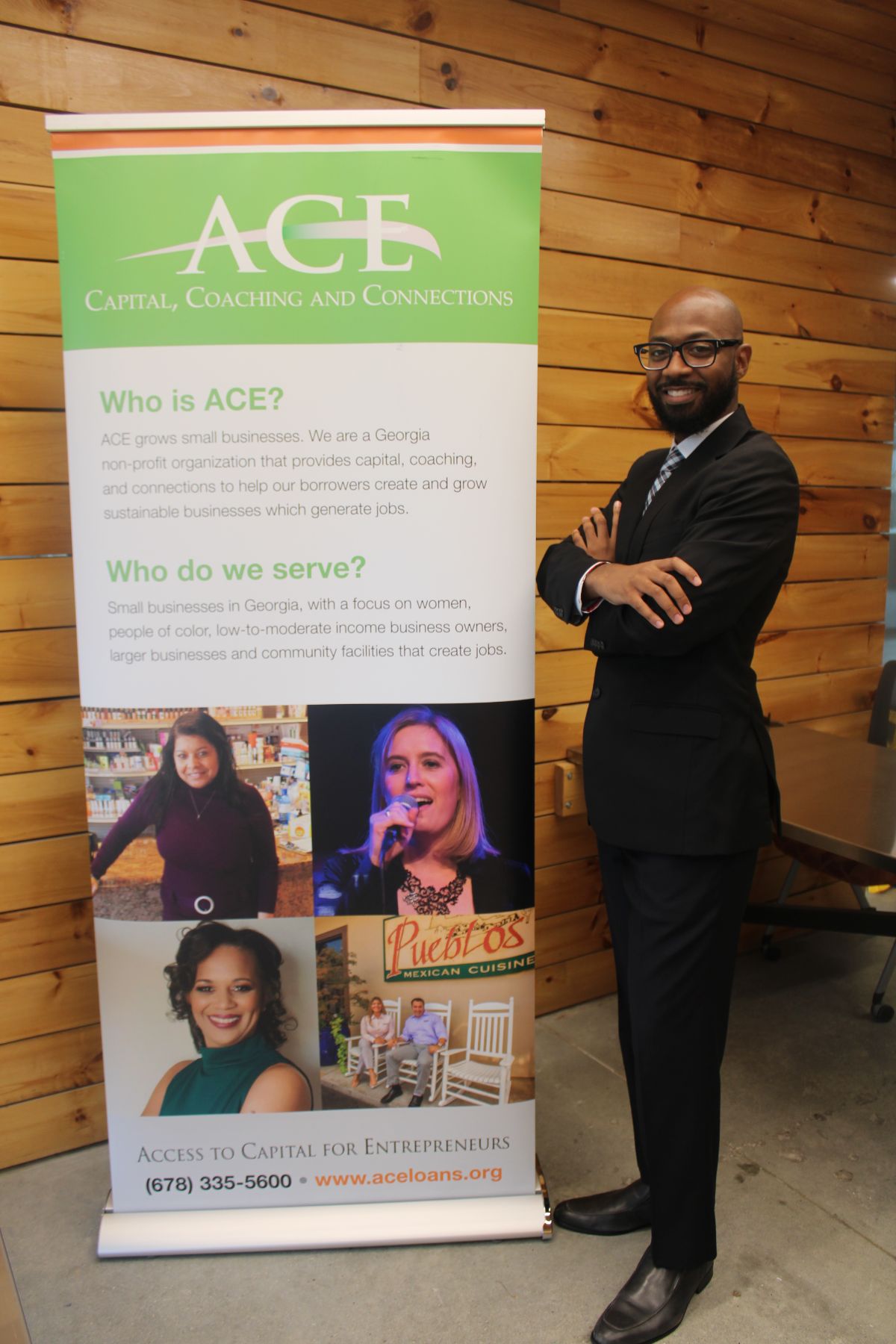
Easy As C-C-C: How Access to Capital for Entrepreneurs Uses Capital, Coaching, and Connections to Help Georgia’s Small Business Owners Thrive

Martina Edwards knows what it’s like to be given an opportunity to break down barriers. Thanks to a nonprofit that helps place high-achieving graduates of color in Wall Street firms, Martina started her career in 2001 and became Merrill Lynch’s first Black female broker on the floor of The New York Stock Exchange in 2004. She spent the next 10 years working on and off Wall Street, including time running the alternative investments program for the same organization that helped her land her job at Merrill Lynch. According to Martina, that’s when she truly began to understand the importance of capital, particularly in terms of creating generational wealth and economic growth.

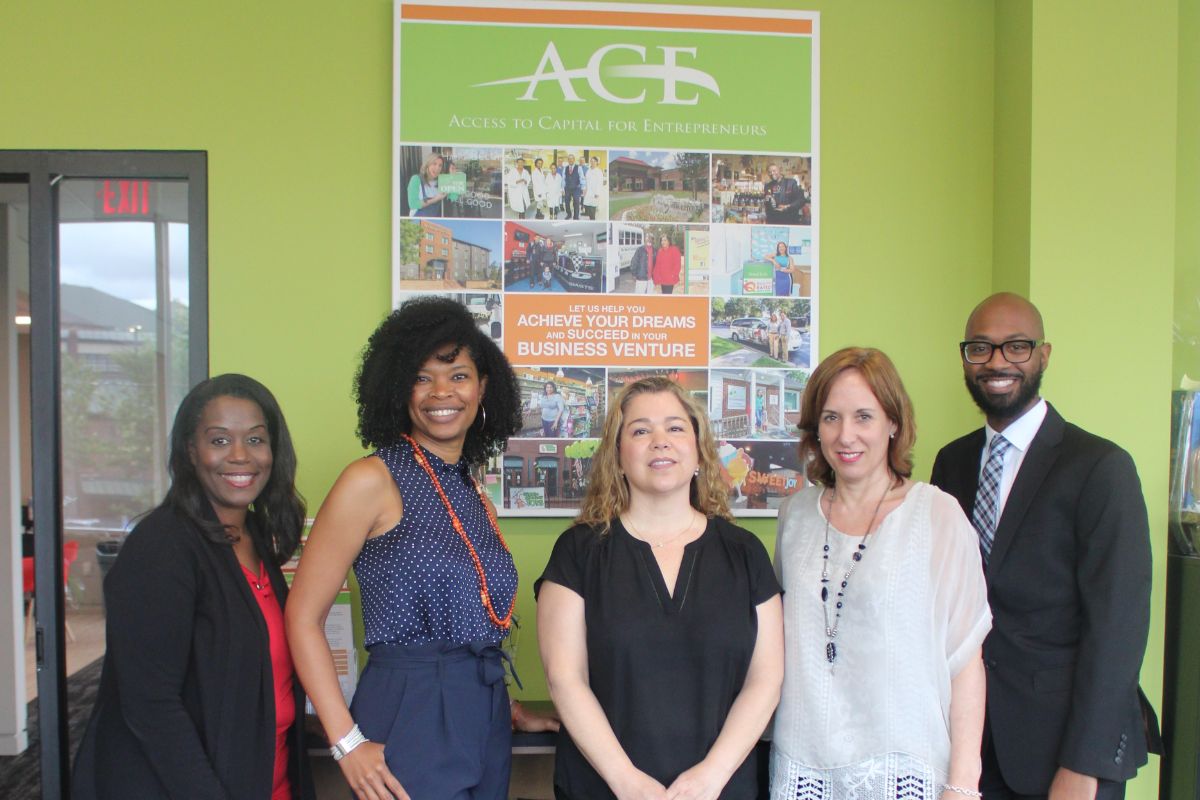
Eventually, Martina returned to her southern roots and moved to Atlanta, where she started to reflect on what she wanted to do long term with her career. She knew she wanted to be on the forefront of working with minority women in business enterprises, but she didn’t know exactly what that might look like. That’s when Martina found herself listening to a panel discussion featuring Grace Fricks, the founder and CEO of Access to Capital for Entrepreneurs (ACE), a Community Development Financial Institutions (CDFI). Grace started ACE in 1997 in rural northern Georgia with an initial grant of $50,000 to support small business owners across the state. Like many financial services professionals, Martina wasn’t aware of CDFIs when she worked on Wall Street; however, as she learned more about ACE’s impact, especially with women business owners, she knew she wanted to get involved. 

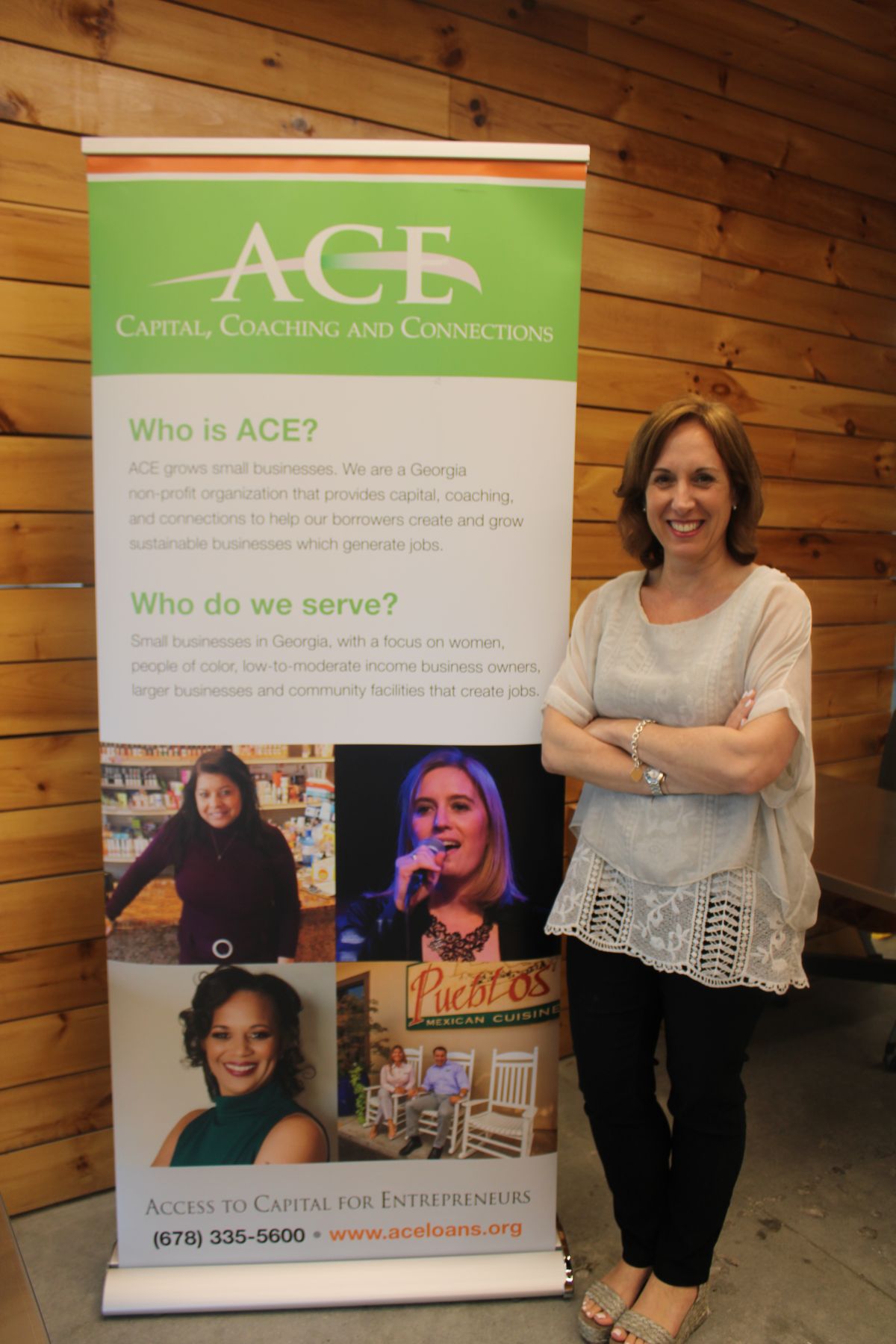
Twelve months later, Martina joined ACE’s team as the CDFI’s chief of strategic partnerships. For the past three years, Martina’s main focus has been fundraising so that ACE can create more access to capital for small business owners. “We give folks a chance when others can’t or won’t,” said Martina. “But it’s not just helping one small business owner. When we create financial security for a business owner, that creates more financial security for their employees, and that allows their households to thrive.”

The Three C’s

ACE is the largest small-business-oriented CDFI in Georgia that focuses on women, people of color, and low- to moderate-income business owners. An important part of the organization’s mission is to decrease the gender and racial wealth gaps, particularly for Black and Latinx communities who continue to face the racial discrimination inherent to our modern financial systems. Importantly, ACE’s staff is a reflection of the ethnically diverse communities that the CDFI serves, and Martina and her colleagues live in rural, suburban, and urban communities throughout North Georgia. That representation is essential, especially as ACE works to build trust with small business owners who’ve traditionally been overlooked and undercapitalized by traditional lenders.


Like all CDFIs, ACE is mandated to deploy at least 60% of its capital to its target markets. While ACE has historically funneled at least 80% of its capital into those markets, in 2021, the CDFI managed to bring that percentage up to 94. Martina credits those percentages to intentionality on the part of her and her colleagues, but also to the geographic footprint in which ACE operates. ACE’s headquarters is in Cleveland, Georgia, a rural town of fewer than 4,000 residents, and while the CDFI supports metro hubs like Atlanta and Savannah, it also works in suburban counties such as Gwinnett, which is the most diverse county in the Southeast. In total, over the past 22 years, ACE has provided loans and business advisory services to support more than 2,000 small business owners across 68 counties in Georgia. 

According to Martina, ACE’s target demographic of small business owners face a host of challenges, including a knowledge gap, a capital gap, a trust gap, and, more often than not, a social capital gap (i.e. the lack of a network) — all of which are rooted in decades of inequality. To address these challenges, ACE employs what it calls the three C’s: capital, coaching, and connections:

1. Capital. Lending is at ACE’s core, and the CDFI offers small business loans (up to $50,000) and commercial loans ($50,001 to $1 million). However, ACE also collaborates with other organizations to deploy capital in different ways. Such creative collaborations have focused on interest rate buy-downs, loan guarantees, and longer term limits. ACE also participated in a number of initiatives that emerged during the COVID-19 pandemic, including the Southern Opportunity and Resiliency (SOAR) Fund, a program that matches small business owners with CDFIs across 15 states and Washington D.C.

ACE was actually able to increase its lending during the pandemic. In fact, between 2020 and 2021, ACE deployed more capital than it had in the previous five years combined. ACE was able to do this, in part, through the Paycheck Protection Program (PPP). In 2020, ACE lent just over $25 million, $4.5 million being PPP loans. In 2021, those numbers grew to $37.3 million and $10.5 million, respectively. Of the $10.5 million PPP dollars deployed in 2021, 54% went to women and $68% went to Black borrowers. Overall, 90% of ACE’s PPP loan recipients had five or fewer employees, and many were sole proprietors. “There were businesses that were on the brink,” Martina said. “Through the PPP process, we were able to stand with them in the gaps. We were really blessed to have great long-term relationships with lending partners like CNote that were willing to lend us low-cost capital that we specifically needed for PPP loans.”

2. Coaching. ACE knows that the key to growing sustainable businesses is to pair capital with coaching. As Martina puts it, “you got the capital, but what do you do with the capital?” To help small business owners answer that question, ACE has a growing team of business advisors who work hand-in-hand with entrepreneurs. ACE currently has a six-to-one client-to-employee ratio, which helps to explain why the CDFI’s default rates are typically  under 2%. In 2021, the CDFI dedicated more than 18,000 hours to business consulting. ACE’s “high-touch” approach, as Martina describes it, is especially centered around financial operations, business operations (e.g. cybersecurity best practices and human resources), and resiliency. “There’s relief, there’s recovery, and there’s reinvention,” she said. “We want our borrowers to be better operators, to be stronger, and to be sharper around those particular skill sets.”

3. Connections. Because ACE knows that many of its clients don’t have a network of other small business owners to rely upon, it strives to forge connections, whether between entrepreneurs or to resources. The CDFI has two women business centers that are certified through the Small Business Administration. It’s important to note that each women’s business center is gender agnostic and open to everyone. Although business coaching is an integral part of these hubs, these spaces are an ideal place for ACE to host lunch and learns, webinars, and training workshops. For example, in the wake of the COVID-19 pandemic, ACE partnered with LinkedIn to train local entrepreneurs how to pivot their brick-and-mortar businesses to e-commerce marketplaces.

ACE also offers small business owners the opportunity to participate in four different cohorts depending on where an entrepreneur is with their business at a given point in time. “As a business owner, it can be a lonely world,” said Martina, “and sometimes you feel like you’re the only person going through something. At the end of the day, it’s helpful to give small business owners a network of people that they can depend on, rely on, learn from, and possibly cross pollinate and share ideas.” 

Unlocking Opportunities

ACE recently engaged a strategic planning firm to help determine long-term strategy. In the coming years, Martina says that ACE sees a unique opportunity  to deepen their work and expand operations across Georgia, and the CDFI believes it can  deploy $100 million in capital to support women, BIPOC, and low- to -moderate income business owners in the next three to five years. Should the CDFI achieve its goal, it will be a noteworthy accomplishment: in its entire 22-year existence, ACE has deployed $140 million in capital. Martina notes that investments in improving the capacity of our people, technological infrastructure, and capital resources will be critical given the overwhelming volume of demand and the speed at which clients need capital. To set itself up for success, she says that ACE will establish new partnerships and deepen current ones. For example, ACE is a CNote Wisdom Fund Partner, which has given the CDFI access to a targeted pool of funds to further its lending. “Our mission is growing sustainable businesses, but the vision is also closing  wealth and opportunity gaps,” said Martina. “The Wisdom Fund is supporting us so that we’re able to do that.”

Additionally, just like ACE offers its clients an opportunity to network, Martina says that CNote has helped ACE connect with peer CDFIs across the country who’ve shared best practices, strategies, and ideas that have helped to make ACE more efficient. Similarly, ACE has gained visibility from CNote’s platform, which attracts impact investors, donors, and individuals from localities well beyond Georgia’s borders who want to support women business owners. “I feel like we’re the best kept secret, but we don’t want to be the best kept secret,” Martina said. “That’s why CNote is such an instrumental partner for us beyond capital, because CNote can talk about us in rooms that we don’t necessarily get access to.”

Learn More

  • Access to Capital for Entrepreneurs (ACE) is a Georgia 501(c)(3) nonprofit and community development financial institution (CDFI) that provides capital, coaching, and connections to help borrowers create and grow sustainable businesses that generate jobs.
  • CNote is a women-led investment platform that empowers individuals and institutions to invest locally to further economic equality, racial justice, gender equity, and address climate change.


 

By CNote, Impact Investing, Impact Metrics, Migration V2

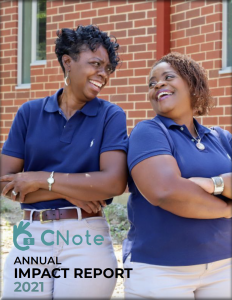
CNote’s 2021 Annual Impact Report

CNote is thrilled to release our 2021 CNote Annual Report.

Throughout 2021, CNote investors have helped us expand our nationwide work and impact to reach more low-income and underserved communities than ever before.

In this report you will see:

  • A firm update on key accomplishments in 2021
  • CNote’s 2021 impact metrics
  • Recognition of our corporate investors
  • Several partner spotlights highlighting the work mission-driven lenders are doing
  • A message from our co-founders

By CNote, Migration V2

CNote’s Community Investment Platform Nears $300M, a Sign of Balance Sheet Activism Rising Across Business Sectors

CNote’s Community Investment Platform Nears $300M, a Sign of Balance Sheet Activism Rising Across Business Sectors

Apple, Netflix, Xylem and others put corporate cash to work in financially underserved communities by moving money to CDFIs, LID credit unions and MDIs throughout the U.S.

June 2nd, 2022 // Oakland, CA // Recent commitments from Apple, Netflix and Xylem have pushed the total funding being deployed to communities via CNote’s investment platform to nearly $300 million. The milestone reflects accelerated momentum for the women-led fintech firm’s work to unleash corporate balance sheets for racial and gender equity.

“We’re seeing continued interest from large corporations in balance sheet activism. It’s a movement, not a moment,” said Catherine Berman, CEO of CNote, adding that “this interest runs across industries, as our newest clients illustrate. They’re looking at the corporate treasury as a tool to deepen their DEI, ESG and racial justice goals.”

CNote enables finance leaders to advance corporate goals while minimizing risk

Apple’s $25 million commitment to CNote, announced on May 5, is part of its broader Racial Equity and Justice Initiative, an effort to address systemic racism in America and expand opportunities for communities of color. According to Lisa Jackson, Apple’s vice president of Environment, Policy and Social Initiatives, “By working with CNote to get funds directly to historically under-resourced communities through their local financial institutions, we can support equity, entrepreneurship and access.”

Diversity, equity and inclusion are critical elements of Xylem’s sustainability strategy, the global water technology company said in announcing its initial $5 million commitment, noting that CNote’s platform “provides an easy-to-use and measurable tool for streamlining Xylem’s investment with one interface while maximizing the impact created for underserved communities of color across the U.S.”

CNote’s platform enables corporations and other institutional investors to contribute to racial and gender equity while generating returns on fixed income and cash allocations. It places money in CDFI loan funds and in depository products, such as money market accounts and CDs, from vetted FDIC- and NCUA-insured community development financial institutions (CDFIs), low-income designation (LID) credit unions and minority depository institutions (MDIs).

Funds deployed through CNote’s platform grow the deposit base of mission-driven banks and credit unions that serve low- and moderate-income people as well as Black, Indigenous, and people of color (BIPOC) communities, allowing those institutions to improve their reach and service. CDFIs fund women- and minority-led small businesses, affordable housing and economic development. LID credit unions serve communities where most people have household incomes well below the national median. And MDIs are financial lifelines for communities of color.

CNote’s impact reporting highlights ESG’s social dimension

Apple, Netflix, Xylem and others  using CNote’s platform—including Mastercard and PayPal—receive quarterly impact reports showing how their dollars were deployed and how communities benefited. That is a significant advantage given the heightened attention to ESG reporting, Berman noted: “When companies activate their balance sheet to expand access and opportunities for communities of color and other underserved communities, they are authentically addressing the social dimension of ESG.”

Find out more about CNote’s platform and see illustrative beneficiaries here.

About CNote

CNote is a women-led impact platform on a mission to close the wealth gap through financial innovation. Using the power of technology and a community-first framework, CNote enables corporations and individuals to efficiently invest at scale in fixed income and time deposit products that advance economic equality, racial justice, gender equity and climate change initiatives. Platform users can track their impact via CNote’s quarterly reporting on the social benefits of their deposits and investments. A Certified B Corporation, CNote was a B Lab “Best for the World” honoree in 2019 and was named “Best Women-Owned Business” by the U.N. Women’s Empowerment Principles program in 2020.

Media Contact

Thinkshift Communications

Sarah Grolnic-McClurg | sarah@thinkshiftcom.com | Primary: 510-898-1837 | Mobile: 415-828-3143