Monthly Archives

October 2020

By CNote, Migration V2

Mastercard Expands Partnership with CNote

Mastercard has expanded its partnership with female-founded impact investment platform CNote with a commitment to CNote’s Promise Account, an insured, 100% impact cash management solution. Mastercard and the Mastercard Impact Fund are collectively deploying $20 million into the Promise Account to provide recovery and growth funding for underserved communities across the U.S. 

Supporting a More Inclusive Funding Ecosystem 

Mastercard’s expanded partnership with CNote, which began with CNote’s earlier participation in Mastercard’s start-up engagement program, is a continuation of its efforts to ensure that entrepreneurs have access to the funding they need to start and grow their businesses affordably, safely, quickly, and efficiently, 

Through the $20 million commitment to the CNote Promise Account, funds will be deposited into Community Development Financial Institution (CDFI) banks and Low-Income Designated credit unions that focus on supporting communities of color and low-income communities across the U.S. This is part of Mastercard’s broader commitment to help close the racial wealth and opportunity gap, starting in seven cities across the country. 

“The inequalities that exist are deeply ingrained in historic systems and processes, which means we have to make an ongoing, active effort to redesign them,” said Catherine Berman, CEO of CNote. “Financial freedom and economic opportunity should be accessible to all – and not denied because of the color of someone’s skin or where they were born. This is what we are fighting for at CNote.”

A Pathway to Financial Security 

Mastercard’s commitment to addressing inequalities in our financial systems builds on a decade of leadership in financial inclusion. Recognizing the vital role CDFIs can play in providing access to funding and pathways to financial security for underserved communities, the Mastercard Center for Inclusive Growth has partnered with leading CDFI organizations, including Community Reinvestment Fund USA (CRF), Accion Opportunity Fund, Center for Economic Opportunity and Grameen America, to help them integrate digital technologies so they can connect a greater number of micro and small businesses to the capital they need to grow.

View the Full Mastercard Press Release

By Change Makers Series, Migration V2

Change Makers Interview: Deborah Frieze

Deborah Frieze is an author, activist, and serial entrepreneur committed to the redistribution of wealth and reparations through finance. In 2001, Deborah left her job as a high-tech executive disillusioned by a corporate culture that cared more about short-term results than community. She became the co-president of The Berkana Institute, a nonprofit that strives to empower leaders and activists. That work inspired Deborah to co-author a book in 2011 with Margaret Wheatley called Walk Out Walk On: A Learning Journey into Communities Daring to Live the Future Now.

With a passion for place, Deborah returned to Boston in 2013, where she launched a community center created for grassroots groups and nonprofits advancing racial justice and equality. That same year, Deborah also co-founded the Boston Impact Initiative, a place-based impact investing fund that takes an integrated capital approach to building resilient local economies.

We caught up with Deborah to talk about systems change, impact investing, and 2020, and we had the opportunity to hear about what’s giving her hope for the future during these tumultuous times.

CNote: How did you feel when you walked away from the corporate world back in 2001?

Deborah Frieze: The dotcom boom and bust caused me to get disillusioned with everything that I had been taught about business and enterprise. It led me to look underneath what’s actually going on because we have a system generating behavior that doesn’t show humanity at its best. I believe that people are fundamentally good, so I wanted to know why it is that we behave so often in bad ways.

That led me to my mentor, Margaret Wheatley, an author who’s done leading thinking around complex adaptive systems. She’s helped me to understand that the world we live in is not causal, linear, and predictable, like a machine. Instead, it’s complex, emergent, and unpredictable, like nature. My work with Meg invited me to unlearn much of what I had been taught, and I came out on the other side with the question: How can we learn from nature about creating change? That question transformed my perspective on business and finance.

CNote: What led you to create the Boston Impact Initiative (BII)?

Deborah Frieze: As a person who managed to win resources in an inequitable system — through the bizarre dotcom moment and being in the right place at the right time — I wanted to know how I could invest those resources in a way that aligned with my values. And as I looked around at my impact investing options, I didn’t see financial products that did that. I saw a lot of ESG and SRI and so-called impact, but if you scratched under the hood, you’d find multinational pharmaceutical companies and banks and consumer packaged goods. I thought, ‘That can’t be it. There’s got to be something that’s aligned with what I care about.’

One thing I care about is my place. I’m from Boston, and when I looked at my place, where I saw the most difficulty was around the racial wealth divide. Doing all the impact investing in the world, at least the way it had been structured, wasn’t going to help that. That’s why I created the Boston Impact Initiative. I wanted to test the hypothesis that we could take an integrated capital or a blended finance strategy and deploy every tool in the capital toolbox to help close the racial wealth divide in my community.

CNote: Can you replicate the work you’re doing in Boston in other communities across the country?

Deborah Frieze: People sometimes say to me, ‘You’ve been really successful with BII, why don’t you expand?’ But what would I in Boston have to say about what should happen in Atlanta or Grand Rapids or Dallas? The old model of scaling up is about finding the best recipe and replicating it. To me, that is a form of colonialist imposition on a place. We’re trying to do the opposite, which is to welcome local conditions of people and place and history and heritage and ecology. So when people ask if BII can come into whatever city and do what we do there, I say ‘We can’t do it for you. We can share with you our process and our tools, but you need your own local investment thesis, and you need your own relationships with the community.’

CNote: How receptive are legacy philanthropic organizations to these ideas you’re talking about that kind of fundamentally challenge their existence as administrators and arbiters of funds? Do you get resistance, and how do you change thinking in that regard?

Deborah Frieze: That’s a great question, and yes, there’s resistance. However, I don’t try to change a lot of thinking. Instead, the model that Meg and I work with uses attraction rather than struggle. If somebody is in the dominant paradigm, they may not be able to hear what we have to say. But if somebody is already questioning the system and looking for another way, when they hear about the things we’re doing, they’re drawn and attracted to them. That’s happening more and more, where funders and investors are looking for us or for some of our cohort members.

The question is this: who is best suited to make decisions about the allocation of capital? Is it the professionals at foundations? Or perhaps is it the very folks that we say we’re trying to help? Maybe that’s who is best suited to making those decisions, in which case a foundation’s attachment to have control of resources in perpetuity might be flawed. What would the community create for itself if it had access to resources?

When we talk about the redistribution of wealth, we also have to talk about the redistribution of power and decision-making. In the absence of that, we are perpetuating the existing system where power is held by philanthropic institutions, and grants are given out with strings attached. I’m beginning to see a small number of progressive foundations start to experiment with shared-governance structures — participatory processes and democratic processes. That’s where the shift also has to occur.

CNote: What are some practices Boston Impact Initiative has adopted that you think could serve as an example to others?

Deborah Frieze: First of all, we need to change the profile of who’s making decisions. We need fund managers of color and women to be in positions of power, making decisions about who gets capital and who doesn’t. We also need to eliminate racialized structures for access to capital. For example, BII never does credit checks or takes personal guarantees. Those are ways of embedding structural racism into lending practices. We do what others call character-based lending. So we don’t need to deal with credit scores, we’ve never done that, and it’s never been a problem in terms of our default rate.

The Boston Impact Initiative Team

CNote: How has COVID changed the dynamic of the racial equity gap and your work to eliminate those divides?

Deborah Frieze: COVID is both shining a light on and accelerating inequities throughout our healthcare system, our education system, and our economic system. This past summer, the New York Fed reported that 41% of Black-owned businesses had permanently closed compared to 17% of white-owned businesses. We also know that every time there’s been a massive government stimulus — whether it’s now, the Great Recession, the New Deal — it’s amplified inequality. A pittance of stimulus dollars go to the bottom compared to the big winnings that go to the top. So COVID-19 is really a massive amplifier right now of something that was already heading continuously in the wrong direction.

CNote: Given that, what advice do you have for individual investors?

Deborah Frieze: First of all, everybody go vote. Then, move your money. If you have investments and savings, ask yourself where is that money invested? Are you invested in companies that work against your values? Where are you banking, and whom does your bank serve? Is there a community bank or a credit union that’s aligned with your values? Imagine the difference it would make if your money were doing good things in your community.

CNote: What’s your take on ETFs and funds that label themselves as socially responsible?

Deborah Frieze: SRI, ESG and impact investing have started to get conflated. Though it’s going against the tide these days, I believe impact investing should meet the criteria of additionality, which means making investments that conventional investors might not make. I think impact investing should also be direct. When you buy a public equity, your money isn’t creating any goods or services. It’s exchanging shares with someone else. It’s trading. I know it’s a narrow definition, but I think that impact investing dollars should be directly tied to the production of goods and services.

CNote: Given everything that’s happening today— the COVID-19 pandemic, social unrest, sharp political divisions —  what’s your take on our country’s future?

Deborah Frieze: There’s a light and a shadow side of what’s happening. We all know the pain of this moment, but what’s also happening is that people are stepping forward and saying, ‘I can’t sit and be complacent anymore. I want to help. I want to move my money. I want to make a difference.’ Every one of the 11 communities that we’re working with in our Integrated Capital Fund-Building Cohort — all of whom are led by people of color and women — are getting calls and inquiries that they’ve never gotten before. As are we. We’re getting unsolicited calls for the first time saying, ‘How can I help address racial inequality through investing?’ Those calls are coming from individuals as well as big institutions.

I don’t know what will happen next. Institutional folks will go through their decision-making processes, and it’s hard to know where that will lead. But there is definitely a reckoning happening right now. We are going to be a New Majority country in 20 years or so, so is there a bigger wake-up call coming. As our demographics shift, will we go down a path of becoming an economic apartheid state, where a white minority controls all the wealth and power? Or will we shift the way we organize ourselves for real this time? That fork in the road is revealing itself, and many people, particularly younger people, are very clearly saying which of those two paths we want to walk down.

CNote: Is there anything you’re seeing right now that’s giving you some hope?

Deborah Frieze: Some really extraordinary coalitions have emerged out of this moment. Boston tends to be a very competitive environment, but right now, people are working together so beautifully: coalitions of small businesses and capital providers and grassroots groups and policy folks. Those relationships are being forged in a very intense moment, they’re becoming more personal, and they feel like they’re creating stronger ties than they would under ordinary circumstances.

That’s what’s being forged in this moment: strong ties in a place across stakeholder groups, trying to work to create inclusion and stability, and prosperity for all. That’s what gives rise to systems change. And as we look ahead at the uncertainty of November and December and the new year, I think these relationships have a chance to outlast this chaos. In crises, people show their generosity first, and then the bureaucracy tamps down on it. So if the bureaucracy really continues to fail, does that create the opportunity for people’s generosity to rise up above the bureaucracy? That’s an interesting question.

CNote: How can others get more involved in the kind of work you’re doing?

Deborah Frieze: My number one thing would be to have people connect with those that are building integrated capital funds to close the racial wealth divide that might already be in their backyard. We can always use philanthropic support here in Boston, but if you don’t live in Boston, maybe we can help you find folks in your community who need your investment and support. If this work isn’t happening where you live, then get in touch with us because we’re happy to share what we’ve learned.

By Borrower Stories, Migration V2

How Vanessa Silva is Recreating Her Recipe For Success During a Global Pandemic

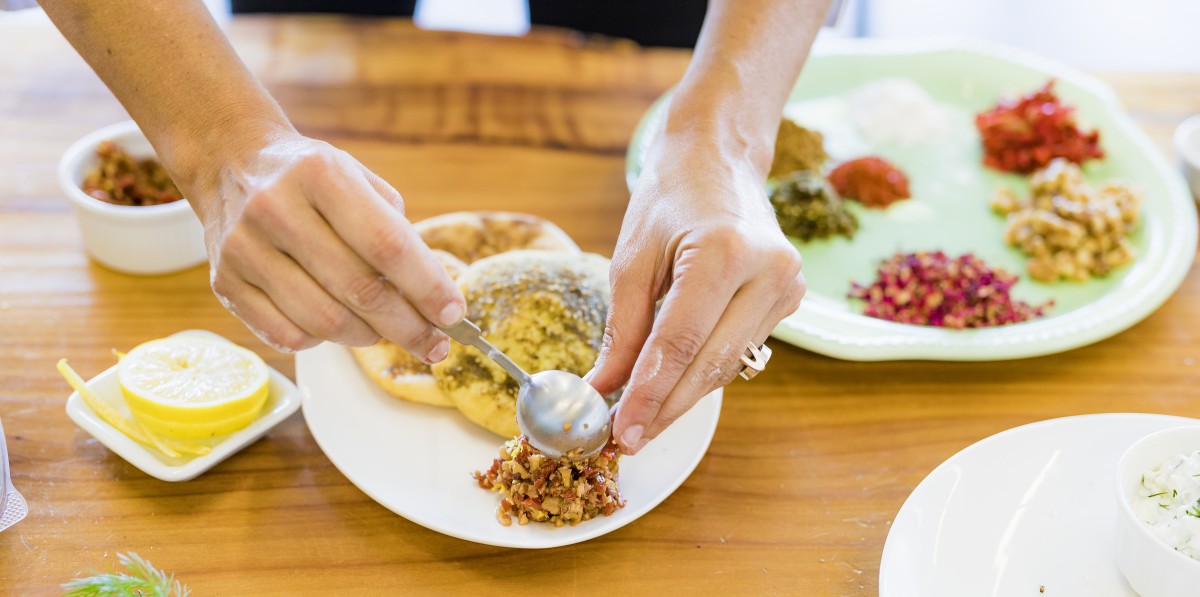
Vanessa Silva has always been comfortable in the kitchen. As an introverted child growing up in Brazil, food was how she preferred to communicate. Cooking became Vanessa’s love language, and by the time she was 10 years old, she was quite fluent in that love language, preparing special dishes for her parents’ dinner guests and family gatherings.

However, despite Vanessa’s talent as a youth chef, when the time came for her to go to college, her parents wanted her to study something that would allow her to have a “serious, money-making professional career.” Therefore, Vanessa went to university and double majored in chemical engineering and food technology. After she graduated in the early 1990s, she headed to Prague for an internship in an organic chemistry laboratory. Although she traveled to Europe to advance her scientific career, Vanessa found herself working night shifts in a small cafe, both as a waitress and as a consultant in the kitchen.
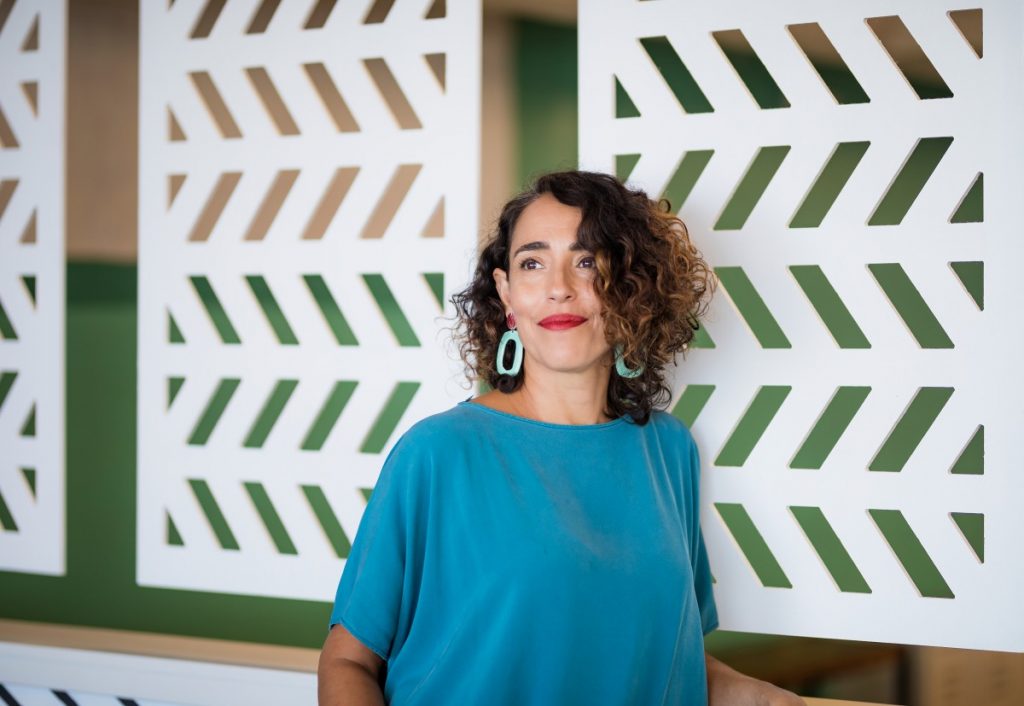
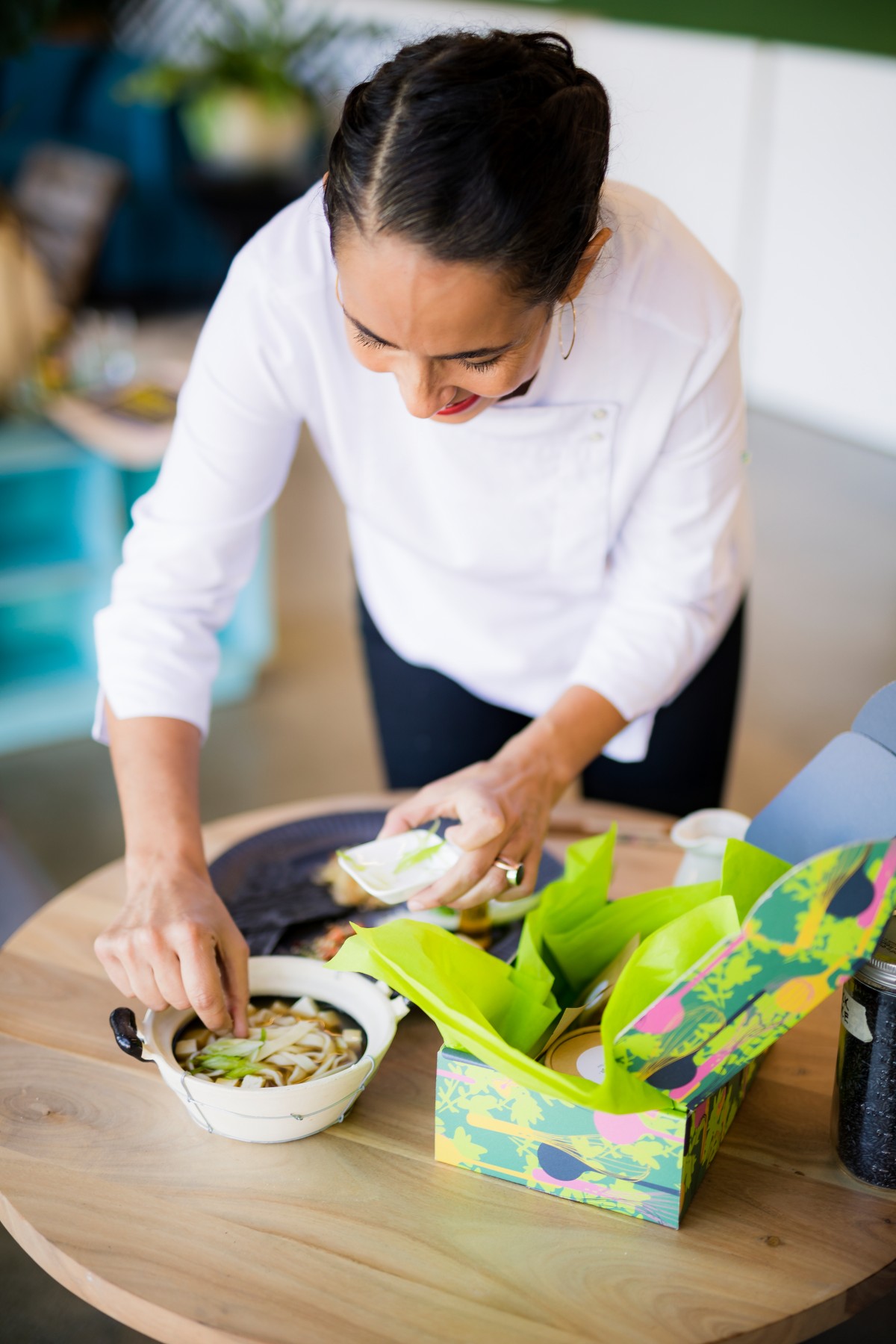
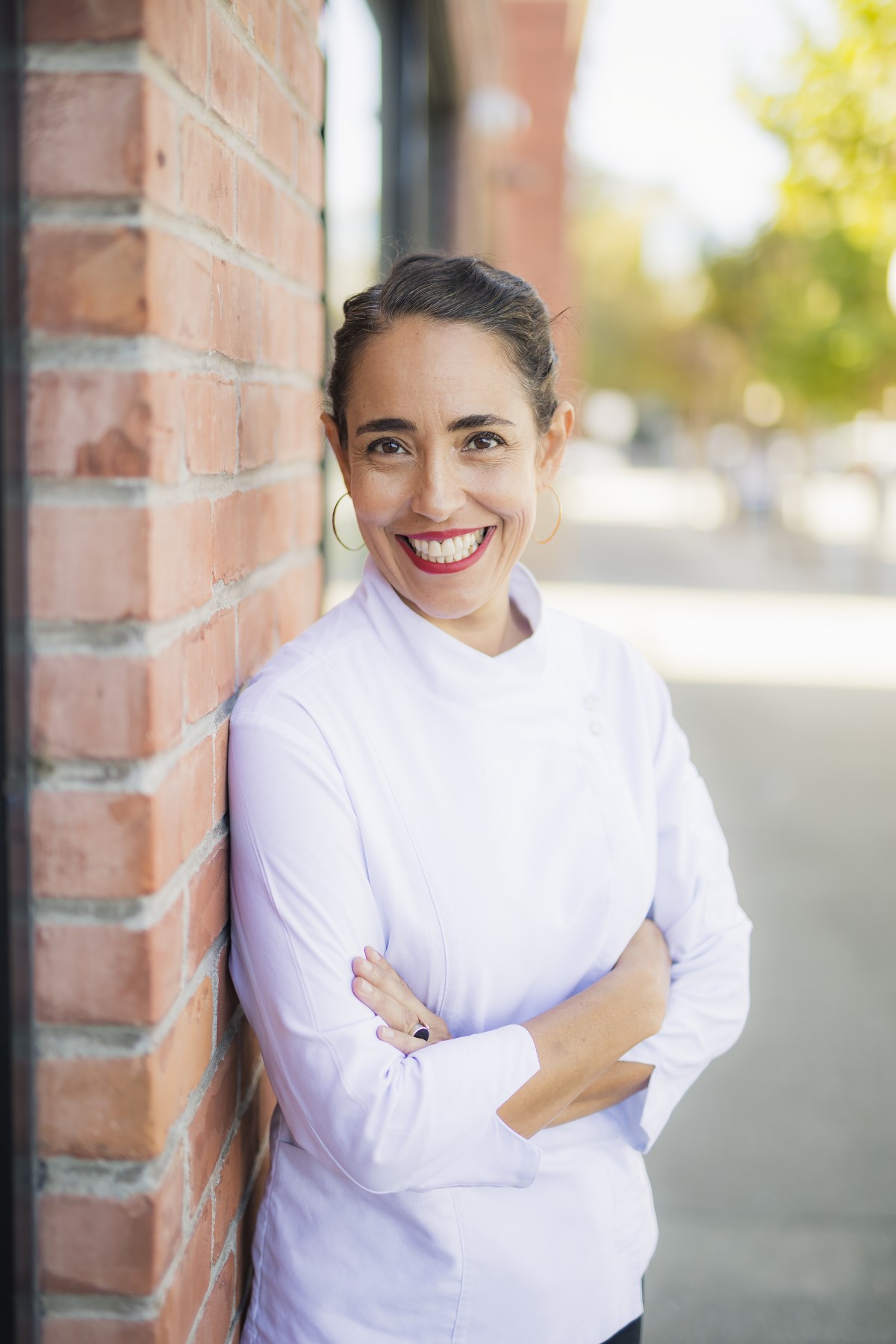
Vanessa Silva, Founder, and Director of Culinary Artistas

“That was the first time I realized that there is a kind of universal language in the kitchen,” Vanessa said. “No matter where you are in the world, if you have some sort of proficiency in the kitchen, you can go and ask for a job.”

Vanessa left the Czech Republic for California around the Dotcom Boom. She pivoted from chemical engineering to web communications, and she took a job at a marketing agency that catered to biotech companies in the Bay Area. For the next 12 years, she spent her days working in corporate communications, and in her free time, she cooked. Over the years, she volunteered at a half dozen different cooking schools and programs, working alongside professional chefs and getting personalized attention.

According to Vanessa, those experiences made her realize that she had a special talent in the kitchen. For the first time, she recognized that cooking was her “language” and that she wanted to find a way to professionally communicate that language. When her daughter was born 11 years ago, Vanessa still had one foot in the corporate world and the other in the kitchen. However, she was ready to make her move.

An Entrepreneur in the Kitchen

Vanessa spent the next few years getting her entrepreneurial feet underneath her. She launched a homemade baby soups delivery business and, later, a bone-broth business. When her daughter entered preschool, she applied for a grant from the San Francisco Garden Society to put in a new garden at the school. Vanessa received the funding, and she started a food garden with the kids. The program was a hit.

“I was literally the most popular mom,” Vanessa laughed. “Moms would say to me “wow, my kid never eats this stuff at home, but with you, they love it.’ It was just so rewarding to work with the kids. I felt like I was onto something.”

At the parents’ urging, Vanessa decided to host a one-week summer camp out of her Mission-District apartment. Every day, she’d take the kids to a different neighborhood destination, including local bakeries, restaurants, and farmers’ markets. Vanessa even took the children to a chocolate factory. After every visit, the group would return to Vanessa’s home and tackle a food-related project related to what they saw and experienced. However, after four years, Vanessa was finding it challenging to make ends meet in San Francisco, especially as a single mom.

In early 2016, Vanessa was approached by a business woman who wanted to open an art and cooking school for children. She told Vanessa that she could put forward the money to open the school if Vanessa would be the sweat-equity partner. The two agreed to run the business fifty-fifty. Later that same year, Culinary Artistas opened in a 2,400-square-foot space in Ghirardelli Square, across the street from the beach. Six months later, however, Vanessa’s business partner had to pull out. Not only that, she left Vanessa $40,000 behind on rent. If Vanessa was going to be able to keep Culinary Artistas open, she was going to need some help.

Learning A Second Language: Business

Vanessa explained her situation to one of her good friends, who happened to be a serial entrepreneur. Together, they sat down to take a close look at Culinary Artistas’ viability.

“I didn’t know how much money we were putting in and how much money we were getting out each month,” Vanessa said. “All I knew was the pulse of the business seemed right. Every month, we were getting more students. I could understand those indicators, but not the rest. Our fixed costs? Sales projections? I didn’t know any of that.”

Vanessa’s friend helped her to better understand the nuts and bolts of running a business, and together, they came up with a plan. Vanessa went to her landlord, who agreed to not only forgive the rent she owed, but to have Culinary Artistas pay a significantly reduced rent for two years. Vanessa signed a new contract, and Culinary Artistas had a new life.

As she grew her business, however, Vanessa realized a couple of things. First, a teaching school for kids was too niche, especially considering that both chefs and teachers are underpaid for their services. Therefore, Vanessa decided to expand the scope of Culinary Artistas to include adult classes, corporate team offsites, and events. It proved to be a good move. Within a year, Vanessa and her growing team doubled Culinary Artistas’ revenue.

The second thing Vanessa realized is that she needed more formalized business coaching. That’s when Vanessa connected with Pacific Community Ventures (PCV), an Oakland-based Community Development Financial Institution (CDFI) committed to investing in small businesses, creating jobs, and making markets work for good. Through the Wisdom Fund initiative, CNote partners with CDFIs like PCV to provide small business coaching, mentorship, and technical assistance to entrepreneurs like Vanessa.

Whereas Vanessa was appreciative of her friend who’d offered her free business advice, having a coach to meet with on a weekly basis made a big difference for Vanessa.

“It was huge,” she said. “PCV helped to groom me to become a CEO, founder, and owner, and they really helped me understand the business-side of my business. Until then, it was a lot of passion and commitment, but I didn’t understand all of the back-office stuff.”

According to Vanessa, her PCV business coach helped her to analyze and understand Culinary Artistas’ finances, as well as how the business’ revenues might fluctuate seasonally. Her coach has also been able to provide legal counsel, and PCV connected Vanessa with someone to assist her with marketing. Although Vanessa occasionally attends PCV’s online events and workshops, she says she mostly takes advantage of her weekly check-in calls with her coach.

“Having PCV has really helped me to understand how to make the business sustainable,” she said, “and how to grow it and to thrive in it.”

Surviving a Global Pandemic (and Thriving)

With a business coach in her corner and Culinary Artistas doing better than ever, Vanessa’s 2020 was off to a fantastic start. Culinary Artistas had 27 employees on its payroll, and Vanessa was considering opening a second location. She was even flirting with the idea of starting a subscription-model business aimed at parents and children wanting ingredients and recipes to prepare healthy food at home.

Then March came, and the COVID-19 pandemic made Vanessa rethink everything.

“Immediately, the business I had was dead,” she said. “One week, our calendar was booked through June, and the next, everything was gone. I went from feeling on top of the world to feeling like everything was running through my fingers and there was no way to hold it together.”

Vanessa wasn’t just stunned, she was scared. She was also resistant to the idea of shifting her business online, given that cooking had always been something that she enjoyed doing in-person with others. However, after seeing how happy her daughter was after taking an online dance class, Vanessa changed her mind and gave her team the greenlight to move forward with online classes.
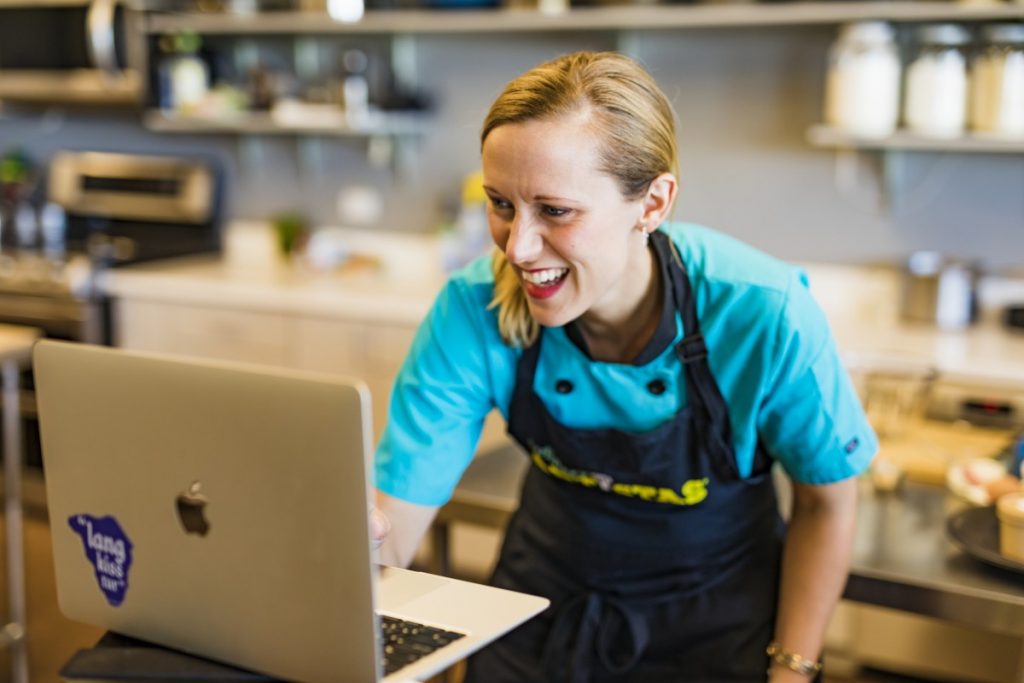
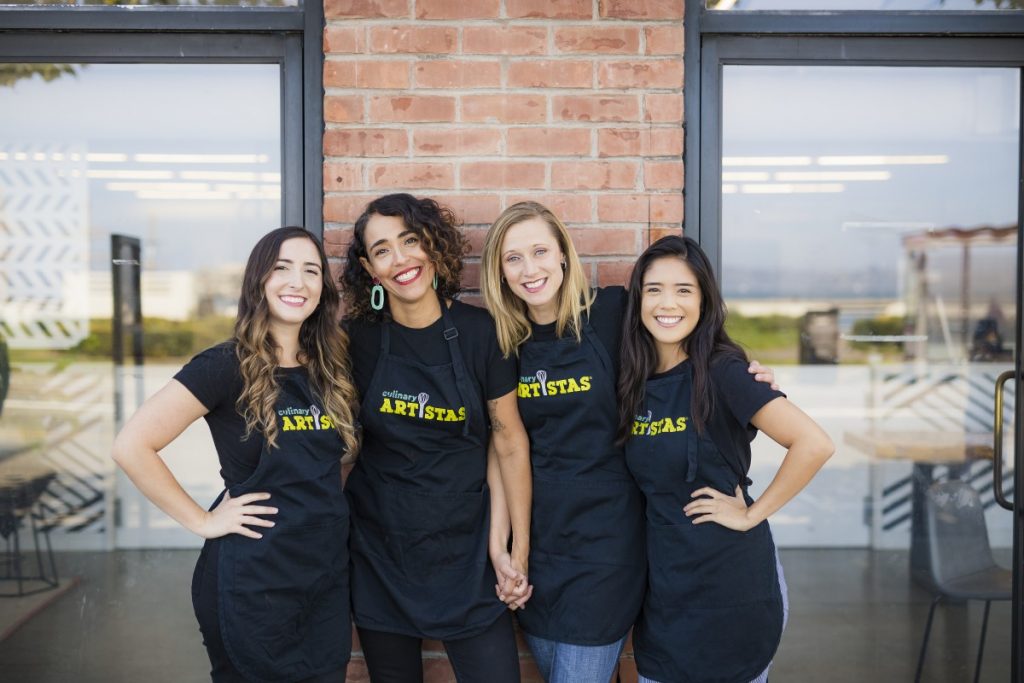
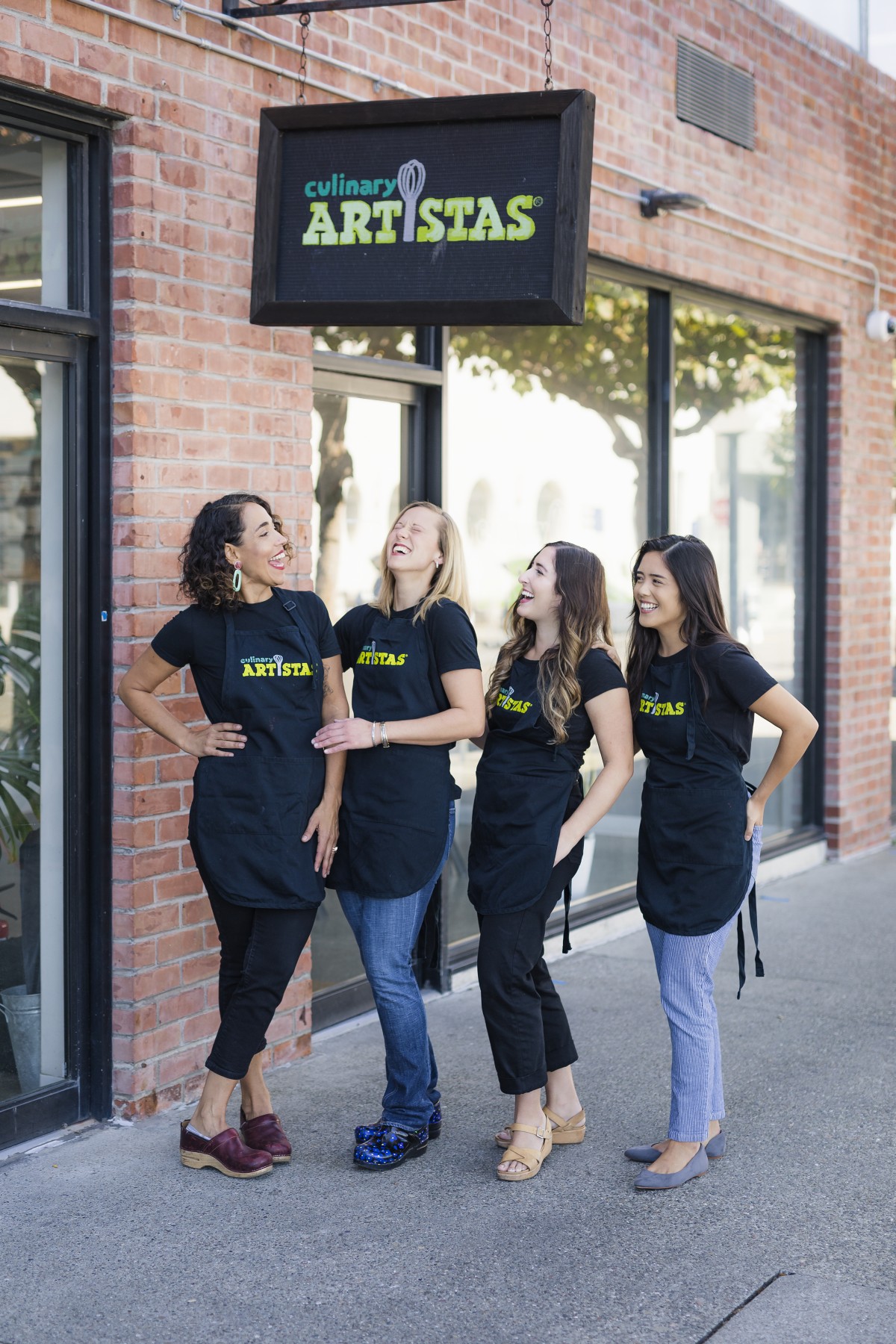
Eliza Martin, Head Chef & Director of Culinary Education

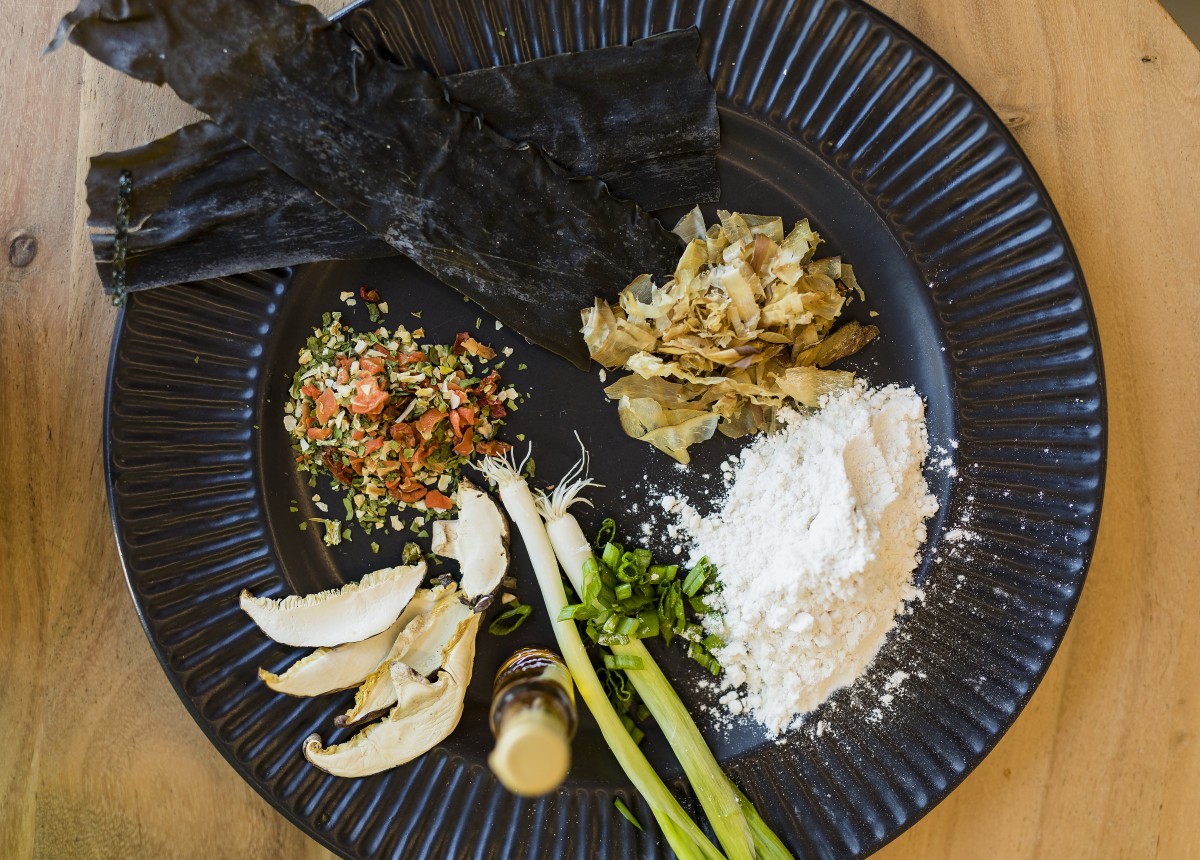
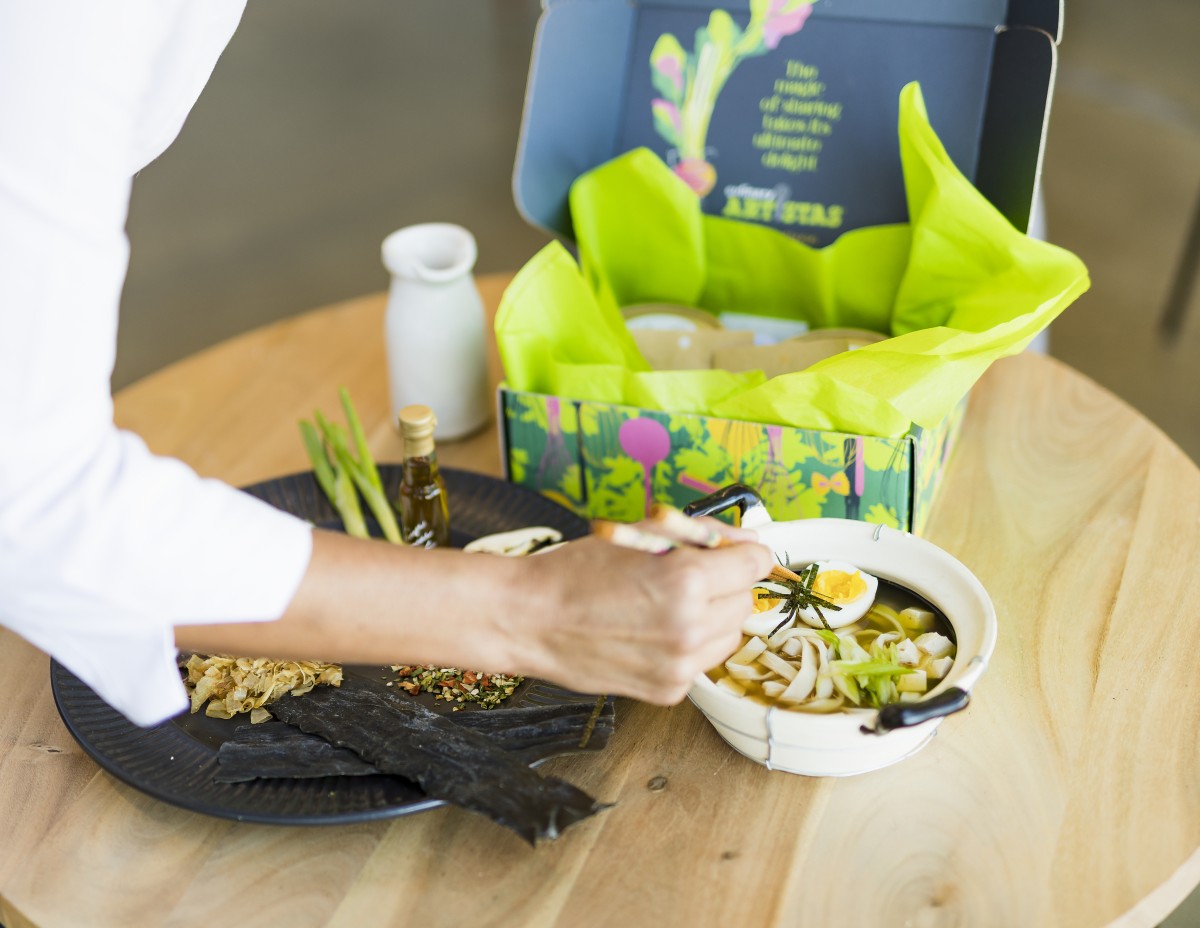
It was an immediate success. Vanessa and her team have hosted over a dozen team-building events with corporate clients, and in the past 30 days, her team fielded nearly 60 inbound inquiries. Culinary Artistas’ online cooking classes are attracting between 30 and 50 kids per class, and over the summer, Vanessa and her team hosted a 12-week, in-person camp for over 100 students. Lastly, Culinary Artistas has sold almost 500 cooking kits, giving Vanessa an opportunity to begin to get her nascent subscription business off the ground. Amazingly, despite the global pandemic, Culinary Artistas’ revenue is up 25 percent compared to 2019.

“The business looks very different than it did six months ago,” she said. “We’re just thankful to not only still be in business at this time but to be thriving. There’s so much demand, and we’re in a really great position as a business. I feel very fortunate.”

With continuing business coaching and mentorship from PCV, Vanessa feels like Culinary Artistas can leverage its current momentum to continue to expand and evolve. As her business keeps growing, Vanessa wants to strive to take a page out of her role model’s playbook: Alice Waters, of Berkeley’s famous Chez Panisse restaurant.

“Alice really believes in creating a microenvironment of the people that work with her by elevating them,” Vanessa explained. “So, for example, the person who used to be the baker at her restaurant later went on to create Acme Bread, and Alice invested in his business. That’s something she’s done a lot, and I think it’s really beautiful.”

As Vanessa looks to potentially open a second Culinary Artistas location in the Bay Area, and as she ramps up her subscription business, she also wants to be sure that she’s working with her employees to help them actualize their own professional goals, whether that’s acting as an investor, a mentor, or a launching pad.

“In my experience,” she said, “for a business to succeed, it really takes a strong team of people that supports you. I was the recipient of that kind of support, and it’s something that I try really hard to do for my employees and for our students. This is a place where with the right kinds of role models and influences, you can go so much further, because you have people who believe in you and are ready to back you up.”

Learn More

  • Culinary Artistas
  • Pacific Community Ventures is an Oakland-based CDFI that empowers small business owners and helps impact investors make investments that create shared prosperity and sustainable communities through a “Good Jobs, Good Business” model.” 
  • CNote – Interested in helping create another story like this? CNote makes it easy to invest in great CDFIs like Pacific Community Ventures, helping you earn more while having a positive impact on businesses and communities across America.
By Borrower Stories, Migration V2

Meet Dr. Nola Veazie, the Entrepreneuring Veteran Who’s Growing Her Business around Mental Health and Addiction

Nola Veazie grew up in Panama with the belief that she could do anything she set her mind to. Nola’s mother, who raised her children on her own, encouraged all of her children to dream big; however, when Nola was 16, she realized that the opportunities she wanted for herself didn’t exist in her home country: they were in the United States. At 17, Nola, along with her sister, got her mother’s blessing to move to the U.S. to live with their grandmother.

“We spoke very broken English,” Nola said, smiling. “But we went to school, and we learned the language. My mom had taught us that when there aren’t opportunities, you create your own. I had a vision of creating something for myself.
That drive led Nola to enlist in the Air Force, where she eventually discovered a psychology program that appealed to her. She got her master’s degree in counseling and eventually received her PhD in psychology. She began doing marriage and family therapy, as well as individual therapy. In 1995, Nola and her husband, who also served in the Air Force, left Nebraska to serve overseas. In 1998, the couple was transferred to Santa Barbara County, California. That’s when the Air Force gave Nola the opportunity to become a drug and alcohol addiction specialist.

“It was great,” Nola said, “because as providers, we were treating mental health, but we were not treating, nor did we understand, addiction. And so in order to expand my knowledge, I got certified in that field and was then able to treat people with co-occurring disorders.”

Around that same time, Nola began to moonlight as a licensed therapist and addiction specialist. Initially, she worked in group homes, meeting clients who were struggling with both addiction and mental health. Although she was seeing clients, Nola was also speaking at conferences. That’s what led the head psychologist at the United States Penitentiary, Lompoc, a medium-security federal correctional institute in California, to reach out to Nola to see if she’d be interested in providing training services for the prison’s staff. For Nola, it was not only a new professional opportunity for her, but it was a way for her to begin to transition to civilian life.

Life After the Air Force

After 20 years of military service, Nola retired from the Air Force in 2002. Initially, she worked as a director for a drug and alcohol nonprofit that provided a residential program for mothers; however, Nola also continued to work with children in group homes and to train prison staff. Over the years, Nola developed an offering of continuing education units (CEUs). Drug and alcohol counselors have to take a certain number of CEUs every two years in order to maintain their certification.

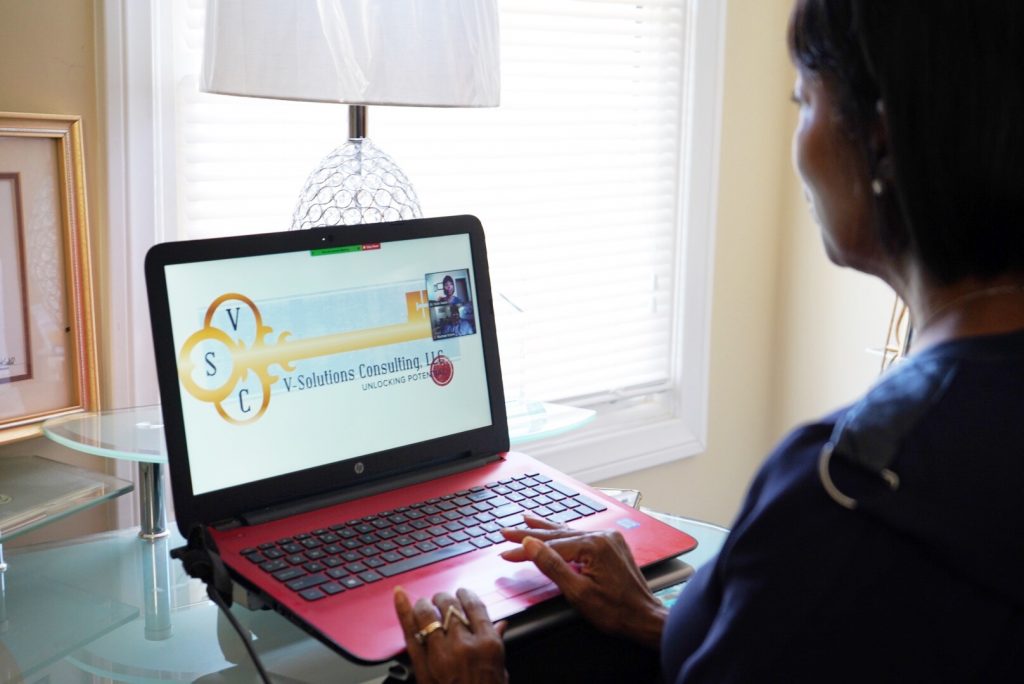
Nola’s CEUs were in high demand. Although she’d been working as an independent contractor since 1995, Nola officially structured V-Solutions Consulting as an LLC in 2016. She subsequently got a State contract through The Department of Corrections to provide training, consulting, and staff development in five California prisons. That number has since grown to 23 prisons across the state.

V-Solutions partners with two major companies, Amity Foundation and Phoenix House, and Nola’s team is those companies’ staff development and training specialists. V-Solutions, however, works with anybody with a drug addiction certification, providing the latest treatment protocols and interventions to those who need to maintain their CEUs.
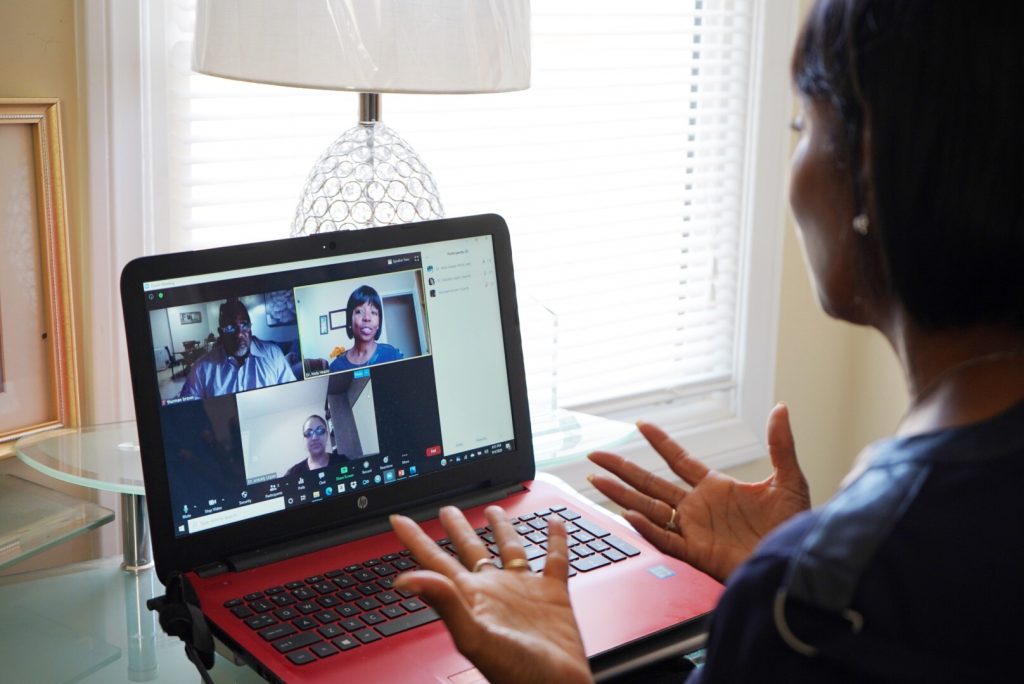
Whereas Nola has created V-Solutions Consulting to be a B2B company, she’s also structured her Service-Disabled Veteran-Owned Small Business in a way that empowers others. Nola contracts doctoral students, post-doctoral fellows, therapists, and other drug and alcohol counselors to be trainers. In fact, one of her contractors previously spent time in prison. As such, in addition to providing training to staff, V-Solutions also trains long-term prisoners who’ve received their drug and alcohol certifications while in prison. Nola calls them “peer mentors.”

“I think that’s the most inspiring thing,” she said. “To see people who are justice-involved themselves getting inspired to help other people and to learn beyond what they’ve learned in prison, that inspires me.”

Having The Right Mentorship to Grow

In 2016, Nola was selected to be a part of Inner City Capital Connections (ICCC), a tuition-free executive leadership training program designed by the Initiative for a Competitive Inner City (ICIC) to help business owners in under-resourced communities to build capacity for sustainable growth. The training was hosted in Los Angeles, and that’s where Nola was connected with Pacific Community Ventures (PCV), an Oakland-based Community Development Financial Institution (CDFI) committed to investing in small businesses, creating jobs, and making markets work for good. Through the Wisdom Fund initiative, CNote partners with CDFIs like PCV to provide small business coaching, mentorship, and technical assistance to entrepreneurs like Nola.

“I have a great mentor at PCV who listens and gives me ideas that I was able to use to grow,” Nola said. “Before, I was fulfilling these contracts, but I didn’t see myself growing outside of what I knew and outside of my comfort zone.”

PCV assisted Nola with marketing and technology. More so, the CDFI advised her to go to colleges and universities to recruit contractors to work alongside her.

“They said, ‘a lot of small businesses don’t have the capital to hire people, so why don’t you go to colleges and schools, find people who are graduating or postdocs who need experience, and then pay them high enough so that they want to stay on and be part of your team.’”

That’s exactly what Nola did. Today, she has a team of five committed contractors that she works with, and Nola encourages them to create their own training sessions and content that interests them. That’s because Nola recognizes and views her contracted colleagues as fellow entrepreneurs who can bring new ideas and skills to V-Solutions.

Besides specific advice and mentorship, PCV has also provided Nola with reassurance and encouragement. According to her, it helps to have somebody both to act as a sounding board to her ideas and to tell her that she’s on the right track. With the support, she’s confident that she can grow her business. For Nola, that means expanding V-Solutions Consulting’s training offerings to include workshops on how implicit and explicit biases affect the way counselors provide services. She’d also like to expand into different industries, such as the security sector, and to work with businesses that would benefit from learning about how to deal with individuals who struggle with addiction.

Whereas the COVID-19 pandemic has been devastating (she lost her sister to the virus), it’s also provided Nola an opportunity to reach a wider audience. This year, Nola got V-Solutions certified in the State of New York to provide drug and alcohol CEUs, and she’s looking for other opportunities outside of California to expand V-Solutions’ work.

“I was given a chance when I came to a new country,” Nola said, “and I want to help give other people a chance to become better. I want to be that person who inspires others to create opportunities.”

Learn More

  • V-Solutions Consulting
  • Pacific Community Ventures is an Oakland-based CDFI that empowers small business owners and helps impact investors make investments that create shared prosperity and sustainable communities through a “Good Jobs, Good Business” model.” 
  • CNote – Interested in helping create another story like this? CNote makes it easy to invest in great CDFIs like Pacific Community Ventures, helping you earn more while having a positive impact on businesses and communities across America.