Monthly Archives

March 2023

By CNote, Impact Investing, Migration V1

Why Deposits Are Crucial Right Now

There is a frightening issue for many community-minded financial institutions across the country and the under-resourced communities they serve: a lack of deposits at their local banks and credit unions.

Depository institutions like banks and credit unions take in funds—called deposits—from those with money, pool them, and lend them to those who need funds in the form of loans. Communities across the United States rely on deposits at their local bank or credit union to support their small businesses, cover emergency expenses, consolidate their debt, and pay for housing, schooling, car payments, and more. 

During COVID, deposit levels skyrocketed. But that all changed in the second quarter of 2022, where deposits at FDIC-insured banks fell $370 billion; the first quarterly drop in four years. 

A report from Fitch in January of 2023 explained that they would expect to see bank deposits “shrink meaningfully through 2024, as “depositors seek higher-yielding alternatives for non-operating cash”, and “the Fed continues to shrink its balance sheet through quantitative tightening.” 

Fitch expects U.S. banking industry deposits, which stood at $19.4 trillion at Sept. 30, 2022, to decline by $1.6 trillion in 2023 and a further $1.4 trillion in 2024

Photo Credit: Fitch Ratings

So what changed? And what are the implications of fewer available deposits? 

In 1998, in a report from the Federal Reserve Bank of Minneapolis, John Franklin, president of First United Bank, gave a prescient warning. He was concerned that even though a decline in deposits would not lead to a reduced loan supply for most borrowers, “The next crisis in community banking, without a correction in the stock market, will be the lack of funds necessary for community banks to lend to Main Street and to farmers.” 

Additionally, Fitch’s report notes that banks with “stronger core deposit franchises will be less vulnerable to liquidity changes.” However, depository institutions could face liquidity challenges if they are “experiencing elevated loan growth at the same time deposits decline.” 

And that is exactly what is happening to financial institutions like low-to-moderate-income focused banks and credit unions. Deposit levels are dropping as these institutions are stepping up to serve the communities who need it most. 

According to Cornerstone Advisors’ eighth annual “What’s Going On in Banking” report, “Seventy percent of credit unions named growing retail deposits as a high priority in 2023 – nearly four times the 18% that said so in 2022.” 

On the consumer side, take this NYT’s article which explains that while higher-income households built up savings and wealth during the pandemic, lower-income households “are struggling more profoundly with inflation.” 

Assistance groups that provide food, rental assistance, and other forms of aid to in-need communities have seen more requests for help in recent months “as local families fall behind on their bills. The size of the typical request has gone up too, from a few hundred dollars to a few thousand.” 

Individuals and corporations seeking to create an impact have realized that one of the surest ways to do so is to use cash as a tool to support under-resourced communities. 

At CNote, we help corporations move fully-insured cash allocations to depository institutions to support impactful loan activity in under-resourced communities across the country. These deposits have helped individuals like Catherine Dorsey escape vicious predatory lenders and save thousands of dollars over the life of her loan. 

They’ve also helped entrepreneurs like Mellaney Williams survive, and grow, during COVID 

It’s important to remember that deposit levels are predicted to drop even further over the next two years, placing more stress on under-resourced communities and the depository institutions that serve them. As a result, cash allocations to community financial depository institutions are rapidly becoming one of the surest ways to create a transformational impact. 

Learn More: 

By CNote, Equality, Migration V2

Celebrating Women’s History Month: 3 women-led firms changing the financial industry for good

Authored by CNote’s VP of Business Development, Danielle Burns.

As we celebrate Women’s History Month here at CNote, it’s important to recognize the vital role that women have played in the financial industry. 

The financial industry has long been dominated by men, leading to significant gender disparities in pay and leadership positions. A 2020 report by the National Women’s Law Center found that women in finance earn 71 cents for every dollar earned by men. Additionally, women make up only 22% of executives in the finance and insurance industries, according to a 2021 report by Catalyst.

Despite this, women in finance have been at the forefront of making financial resources and opportunities more inclusive and accessible. According to a report by Boston Consulting Group, women-led companies are more likely to invest in women and other underrepresented groups. In fact, the report found that women-led companies invested 2.3 times more in businesses founded by women than male-led companies. Equally, they are often committed to advancing financial literacy and education, particularly in underserved communities, and are more likely to invest in companies that have a positive social and environmental impact. 

Women working together in finance

Image by Freepik

Today, there are a growing number of women-led asset managers, impact investing firms, financial planners and VC funds that are pushing finance forward to better support women, BIPOC communities, and low-income groups with products and services to match their needs. Supporting these companies as we approach a potential economic downturn and continue to grapple with the economic fallout of Covid-19 is an important step towards financial inclusion and opportunity when it could matter most. 

Here are a few examples of women-led firms you should consider supporting this Women’s History Month.

Adasina Social Capital

Adasina Social Capital is a registered investment advisory firm that is led by Rachel Robasciotti. The firm specializes in impact investing and social justice, with a focus on investing in companies that promote social change. Adasina is committed to closing the wealth gap by investing in underrepresented communities and providing tailored financial services to clients.

Zevin Asset Management

Zevin Asset Management is an independent, employee-owned investment advisory firm that is led by Sonia Kowal. The company specializes in sustainable investing and social responsibility, and manages assets with the goal of creating positive social and environmental impact. Zevin Asset Management is committed to promoting diversity and inclusion, both within the company and in its investments.

2050 Wealth Partners

2050 Wealth Partners is a financial planning and investment advisory firm that is led by Rianka Dorsainvil and Lazetta Rainey Braxton. The firm focuses on serving underrepresented communities, including women and people of color, and is committed to closing the gender and racial wealth gaps. 2050 Wealth Partners provides customized financial planning services and investment advice to help clients achieve their financial goals.

Some of the women-led team at Kaua'i Federal Credit Union

Some of the team at Kaua’i Federal Credit Union

Empowering women in finance, and working with financial companies led by women, is an opportunity for all of us to promote a more equitable financial industry. By investing in companies that are committed to social responsibility, sustainability, and diversity, we can help to close the wealth gap. This Women’s History Month, let’s celebrate the important role that women have played in finance and support the women-led financial companies that are making an impact today.

By Community Partners, Low Income Designated Credit Union, Migration V2

New Covenant Dominion Credit Union’s Small Staff Has Big Dreams For The Bronx—And Beyond

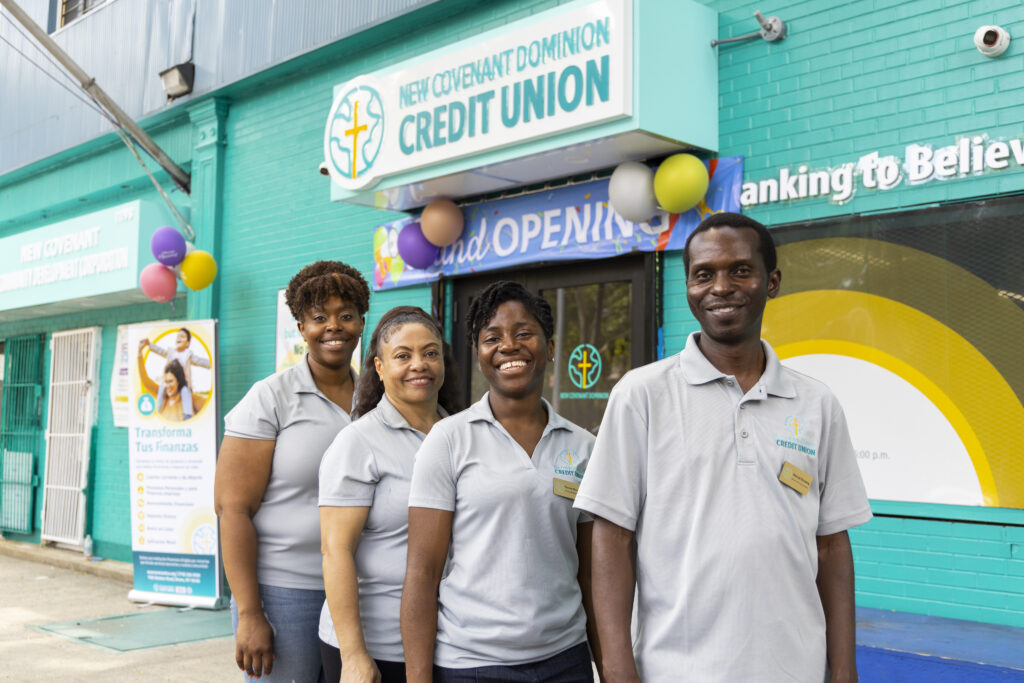
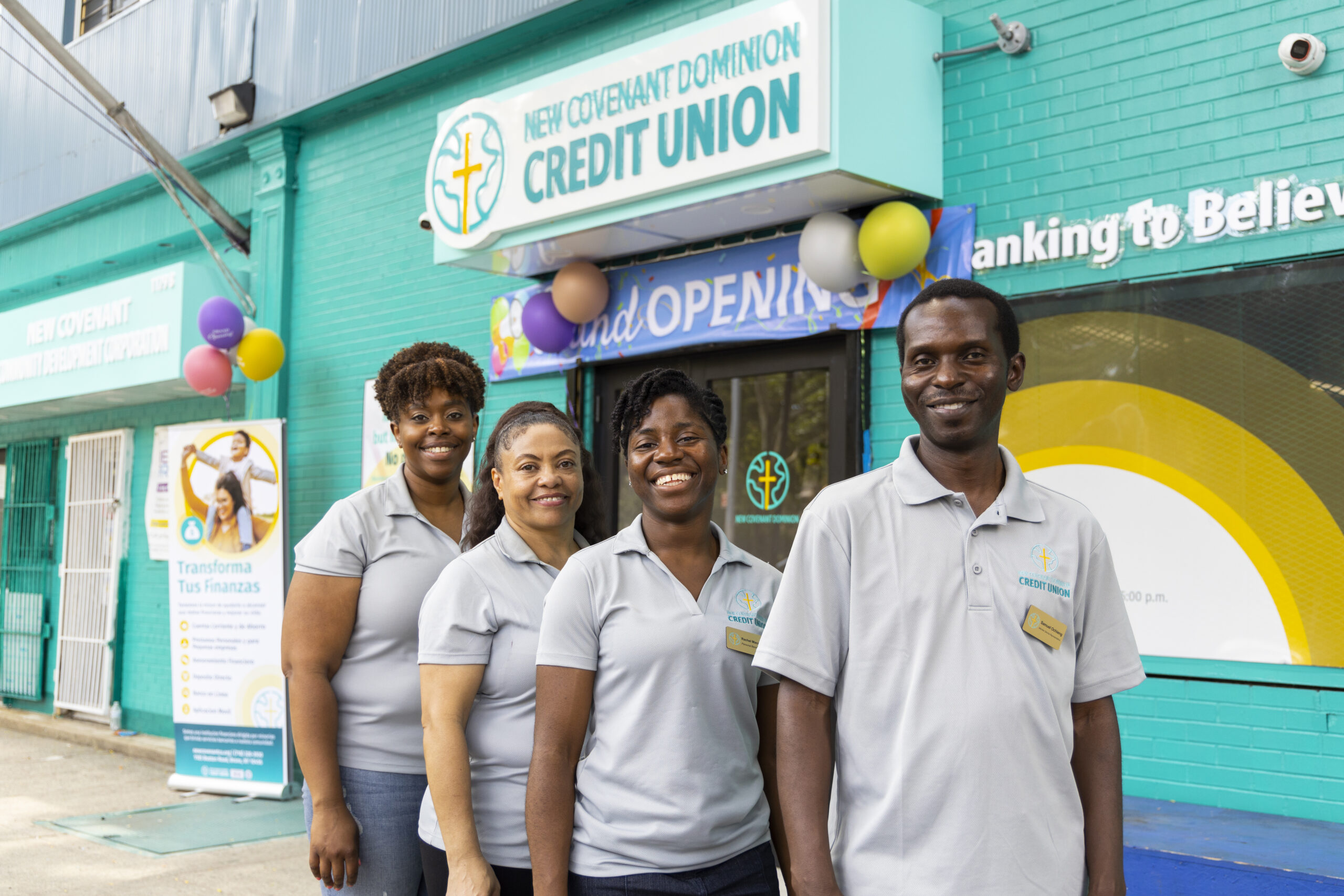
Since New Covenant Dominion Credit Union came to life in 2007, Rachel Macarthy has worn many different hats. She served as one of the credit union’s founding board members, and in 2019, she stepped in as the organization’s acting CEO. Despite becoming the permanent CEO in 2021, Rachel has done everything from working as a teller to serving as a loan officer for the Bronx-based credit union. However, Rachel wouldn’t have it any other way. She also isn’t the only one who wears more than one hat at New Covenant Dominion Credit Union. 

For the vast majority of its 16-year existence, the credit union has operated with a staff of two and volunteers as available. Last year, the credit union received grant funding enabling it to hire additional staff members—a marketing specialist and member service representative. As a team of four, they work together to provide amazing customer service and outreach to community members.  “Our team is amazing,” Rachel said, “and it’s exciting when you wear these multiple hats, because you’re able to hear the frontline stories of what’s really happening with our membership. There’s more work on the backend, but we can make decisions knowing who we’re serving and what would reach them best.”

New Covenant Dominion Credit Union was founded in March 2007, when the New Covenant Faith and Miracle Arena, Inc. decided to do something to address one of its community’s most daunting challenges: intergenerational cycles of poverty. According to Rachel, who’s been a member of New Covenant Faith for decades, the South Bronx is an underserved, forgotten neighborhood with “bad statistics all around.” To develop economic stability in its community, the church launched a three-pronged approach that included opening schools, developing a community center, and launching a credit union. Initially, the credit union’s members only consisted of the church’s congregation; however, over the years, the credit union has expanded to serve other churches and other community based organizations in the Bronx. 

Soon after Rachel became New Covenant Dominion Credit Union’s CEO, the credit union’s leadership applied to be certified as a Community Development Financial Institution (CDFI). New Covenant Dominion Credit Union received its CDFI designation in December of 2019, adding to its status as a low-income, black-led credit union and as a minority depository institution. According to Rachel, the timing of those credentials proved significant. When the COVID-19 pandemic struck in March 2020, New Covenant Dominion Credit Union was poised to benefit from the unprecedented amount of federal relief dollars flowing through the CDFI Fund and later in 2021, the Emergency Capital Investment Program (ECIP).
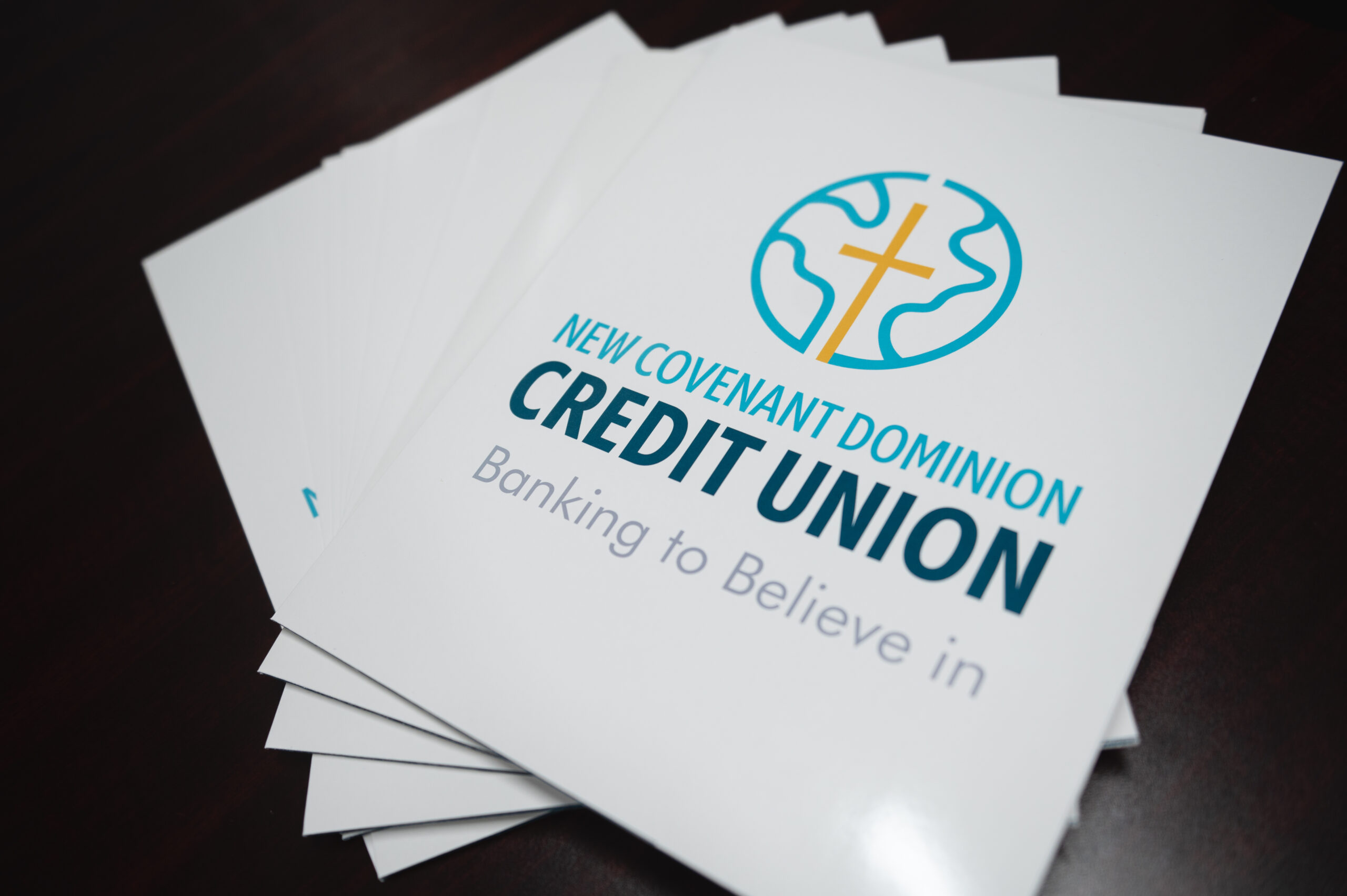
New Covenant Dominion Credit Union used COVID-era grant money to do a number of things, including increasing its staff, investing in technology, and making the shift to digital banking. The credit union was also able to pass along some of those relief dollars onto borrowers in the form of a three-month payment relief program. The credit union has also quadrupled its lending volume, and its loan portfolio has grown from primarily personal consumer loans to include more small business loans and vehicle loans. 

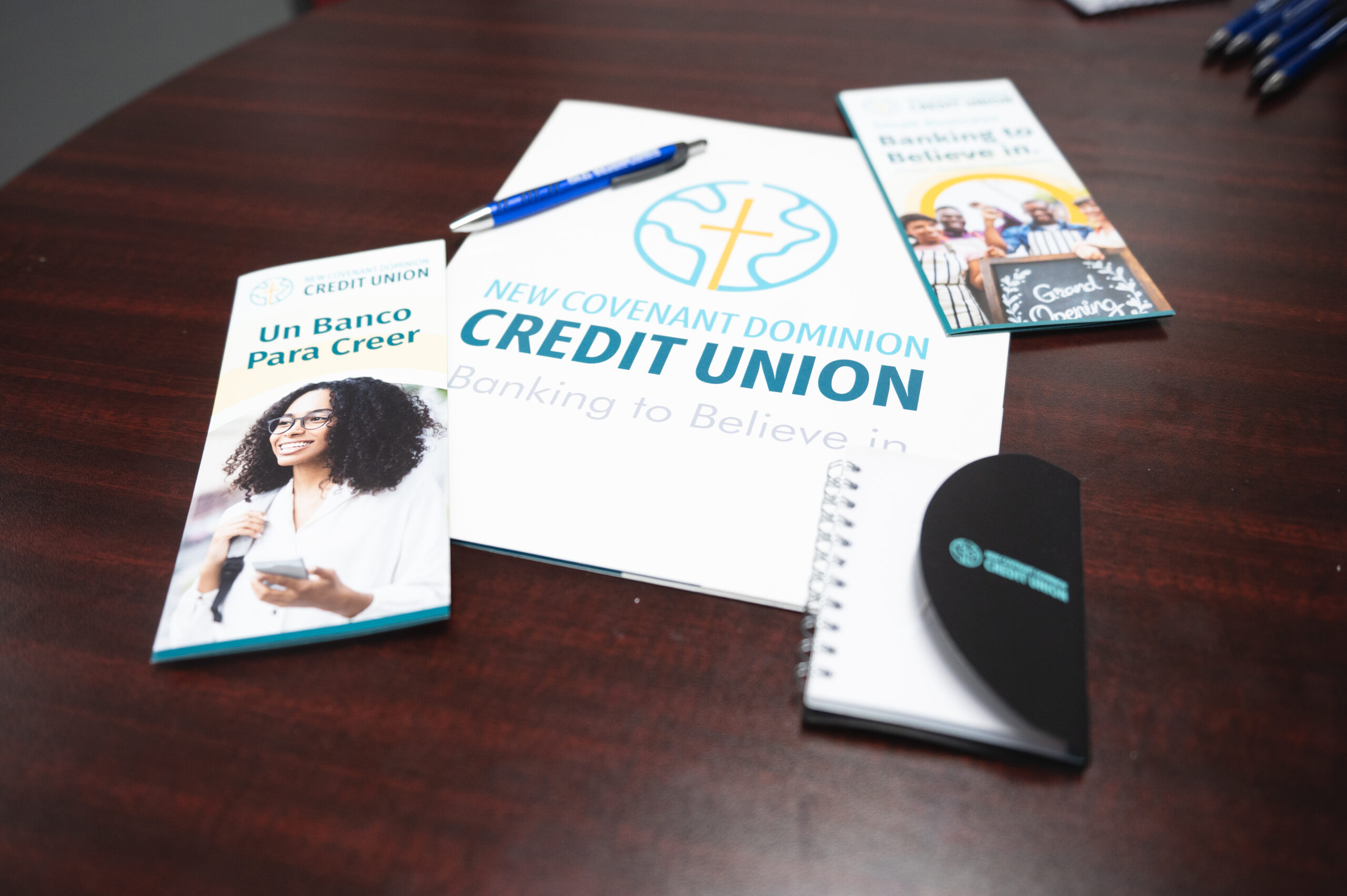
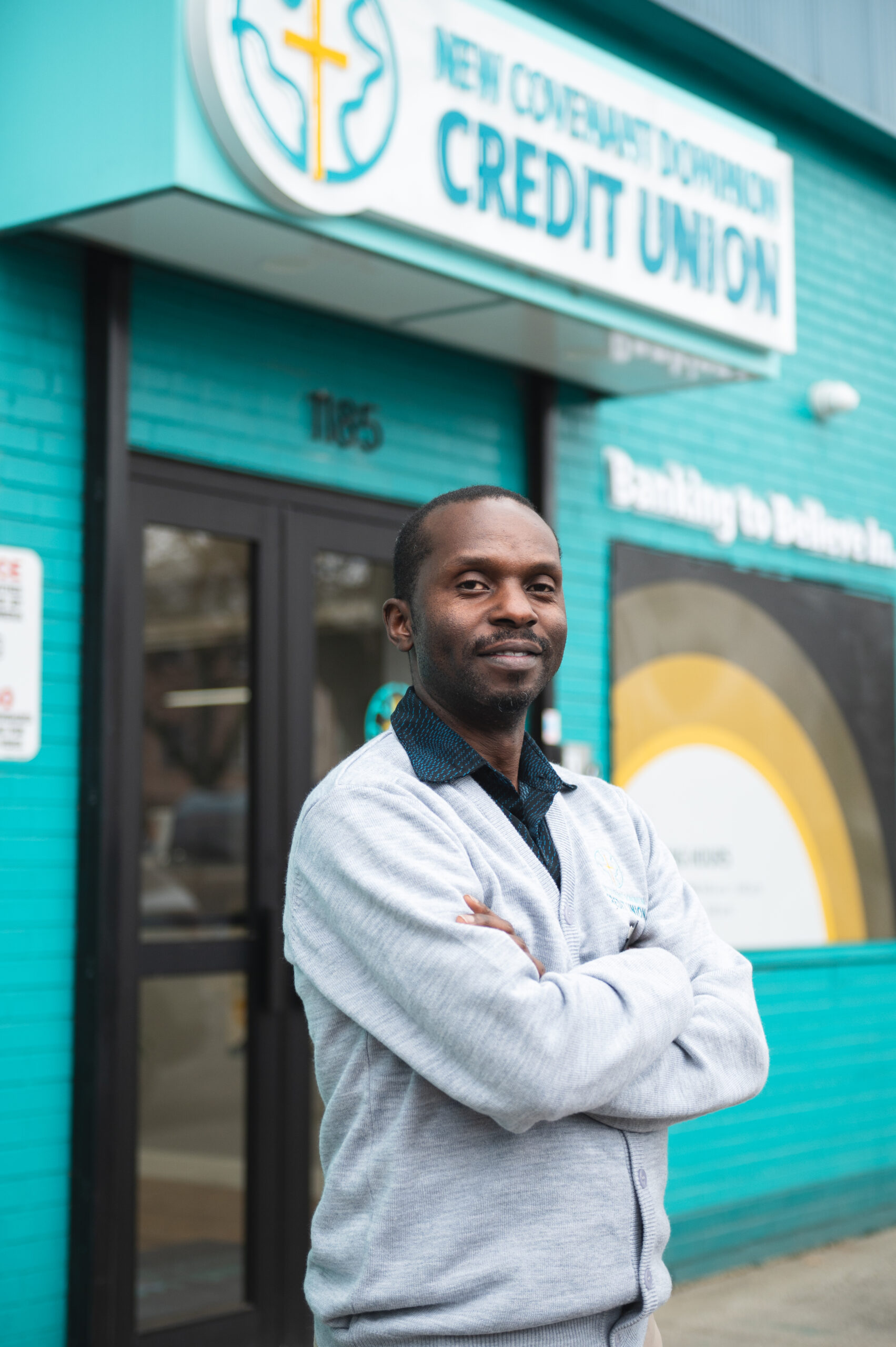
The credit union also used grant money to reorganize, rebrand, and reopen in a new 1,500-square foot location that has two member service desks, a financial counseling conference area and an eye-catching facade, which Rachel hopes will attract prospective members who stand to benefit from free financial counseling and the credit union’s other programmatic offerings. “The pandemic was terrible for our country and nation and world,” Rachel said, “but it created opportunities for us as a credit union that we didn’t have access to before. Because we were able to benefit from grant funding, that really changed everything about our credit union, from the ground up.”

Although New Covenant Dominion Credit Union continues to primarily serve members of the church community, Rachel says that at least 80% of new accounts opened in the past four months belong to non-church members. For Rachel and her team, that influx demonstrates that their presence in the community is growing, and in the coming year, it plans to focus on reaching and serving its target demographic: churches, nonprofits, and other community-based organizations in the Bronx, Brooklyn, and Westchester County. In the future, it would like to expand its field of membership even more.

Rachel and her small-but-mighty team at New Covenant Dominion Credit Union anticipate plenty of challenges on the road ahead; however, they have faith that their determination and passion will propel them toward achieving their goals. Part of that determination is rooted in the fact that the credit union came out of the COVID-19 pandemic stronger than it was before. Rachel and her financial leadership skills stepped in and took a struggling credit union through a pandemic and showed tremendous growth on the other side of it. “Without the funding and resources that we got as part of our CDFI certification,” Rachel said, “we probably wouldn’t be here right now. It’s a blessing and an opportunity that we want to pass on to others.”

Learn More:

  • New Covenant Dominion Credit Union (NCD CU) is a member-driven financial institution whose goal is to develop economic stability within the community and its membership. NCD CU was chartered on March 23, 2007 by the National Credit Union Administration because of the diligent efforts of the church leadership of New Covenant Faith and Miracle Arena, Inc.
  • CNote is a women-led investment platform that empowers individuals and institutions to invest locally to further economic equality, racial justice, gender equity, and address climate change.
By Case Study, CNote, Migration V2

Leveraging Corporations to Support Community Impact 

CNote is proud to share a new case study with Optus Bank: Leveraging Corporations to Support Community Impact

Since 2017, Optus has seen the notoriety for their work skyrocket with a seven-fold growth. These investments allowed Optus to add staff and update its digital presence — allowing them to scale operations to serve more under-resourced community members.

This new environment left Optus with two main challenges:

  1. The need to increase sustainable deposits
  2. Increasing competition for previously available deposits

By partnering with CNote’s Impact Cash™ program, Optus Bank was able to increase deposit levels and elevate its visibility. 

“Impact Cash was exactly what Optus was looking for,” said Dominik. “Finding a new source of deposits that came from impact-minded corporations at low cost balanced the equity investments we received and allowed us to turn out more investments into the community to create impact.”