
Monthly Archives

February 2023

By Borrower Stories, Migration V2

Meet Chung H Lee, The Small Business Owner Helping New York Metro’s Graying Residents Age In Place

It was 2014, and Chung was tired of traveling for work. The business consultant’s job required him to travel around the globe, but Chung was tired of sitting in airports and sleeping in hotels. He wanted to work closer to home and be able to spend more time with his kids. Armed with years of professional experience in the finance sector, Chung began to research various industries, opportunities, and trends to plot his next career step. 

Chung H Lee, Managing Member of Alpha Care Supply // Photo credit: Chung H Lee

It didn’t take long for something to catch Chung’s attention: the United States’ population is aging. More so, as demographics continue to shift and America grays, more and more older Americans are wanting to “age in place.” That means that instead of selling their house and buying a condo in Florida or moving into an assisted living facility, most people want to stay closer to friends and family and remain in their home. According to a recent AARP survey, 77% of adults 50 and older want to age in place — a percentage that has been consistent for over 10 years. However, in order to safely and comfortably age in place, people often need to make adjustments to their homes, including modifications like rails, ramps, and walk-in showers.

Chung was intrigued. He liked the idea of working in healthcare and providing a service to people in need, but he wasn’t sure where he could carve out a niche for himself in the market. That’s when Chung met the owners of Alpha Care Supply, a durable medical equipment (DME) company serving the New York metropolitan area. Although Alpha Care Supply’s founders started the business in 1992, they were nearing retirement age and wanted to sell the company. Chung stepped forward as an interested buyer, and over a six-month period, the company’s founders transitioned Alpha Care Supply over to him. 

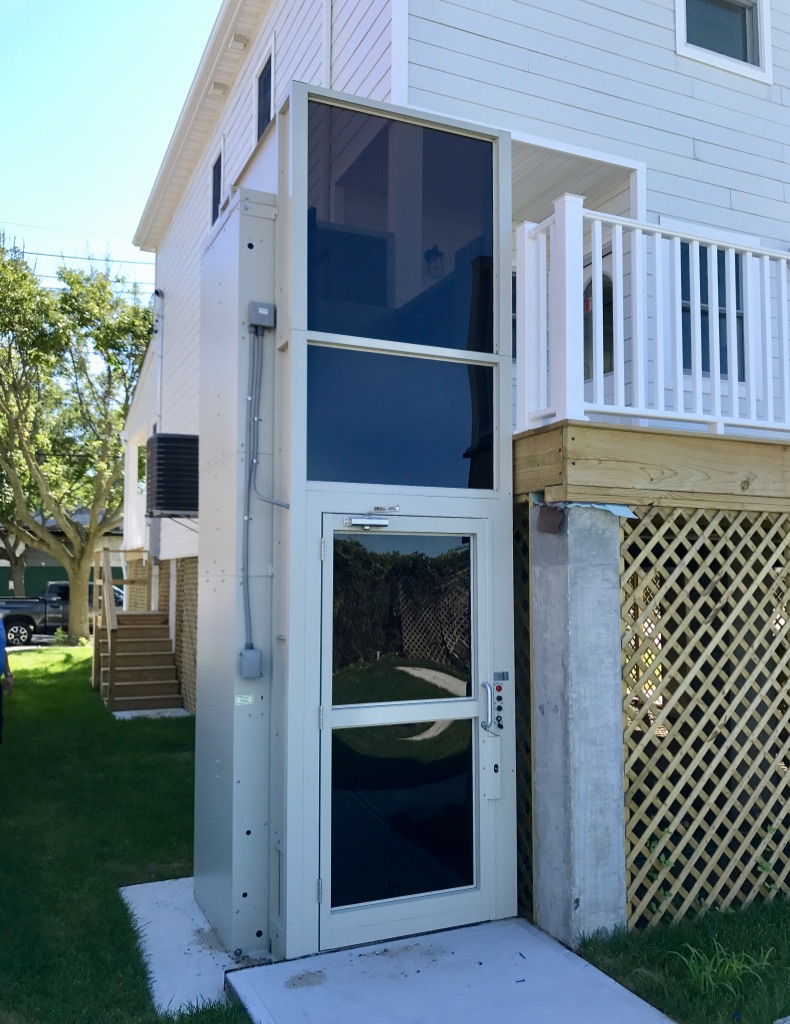
An Alpha Care Supply project // Photo credit: Chung H Lee

From day one, Chung set out to expand Alpha Care Supply’s operations to offer a full range of products. That meant becoming a Certified Aging-in-Place Specialist (CAPS) through the National Association of Home Builders (NAHB) and providing a full range of Americans with Disabilities Act (ADA) accessibility products. Prior to purchasing the business, the company primarily offered compliant wheelchair ramps and indoor/outdoor stair lifts; however, Chung expanded that list of products to include vertical platform lifts, patient handling lifts, and home elevators. Alpha Care Supply even provides full ADA bathroom and kitchen modifications, as well as broader home renovation projects, to help create safe and independent living environments for customers.

According to Chung, it took about 18 months to get his feet underneath him at Alpha Care Supply. “Obviously, it was something new,” he said. “It’s a big move and a challenge going from a corporate environment to now running a small business. As a small business owner, you’re responsible for everything, and I had a lot of things to learn.”
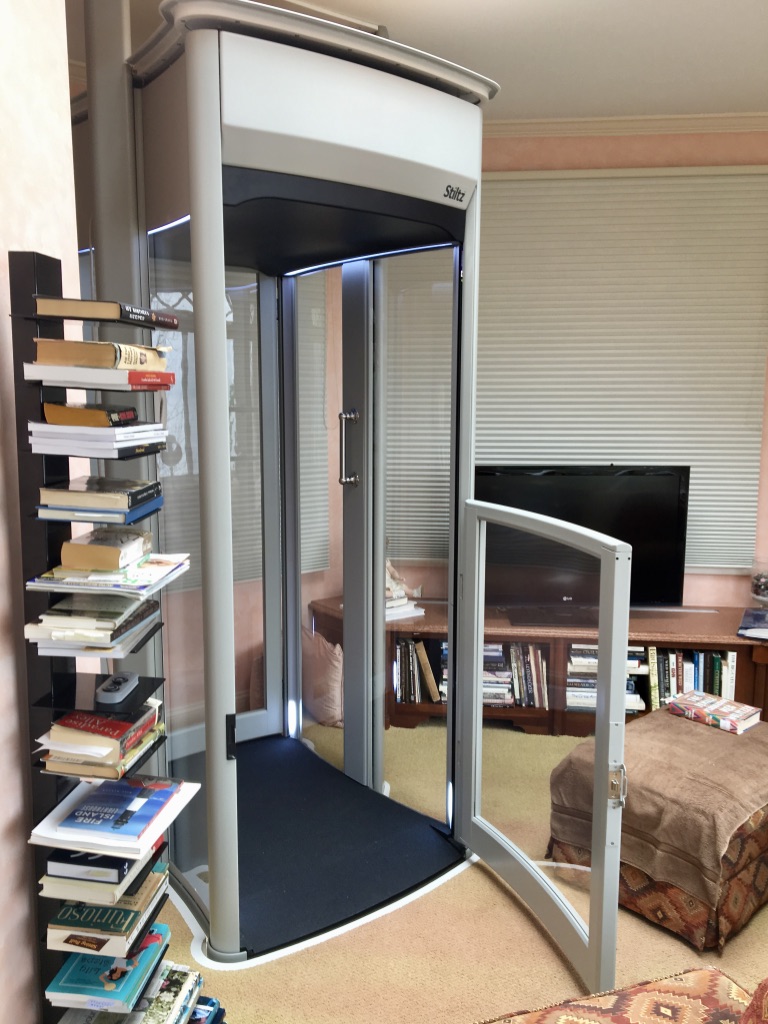

Two factors contributed to that steep learning curve. First, the company works with residential and commercial customers experiencing (or planning to experience) mobility or accessibility concerns: nurses, doctors, insurance companies, concerned children, obstinate spouses, other small business owners, city employees, lawyers, nonprofits, and third-party workers’ compensation administrators. Given that stunning breadth of customers, it’s no surprise that it took time for Chung to learn the nuances of his diverse customer base. Second, Alpha Care Supply receives payments from its commercial clients (i.e. 15% of its business) on a delayed timeline. It typically takes 30 days after a commercial project is completed (e.g. ramps and wheelchair lifts are installed in places like city parks, building lobbies, and restaurant bathrooms) before Alpha Care Supply gets paid. “In terms of funding your operation as a small business owner, getting paid is your bloodline,” Chung said. “That’s been an ongoing challenge for us.”

Avoiding the Cracks

By October of 2021, however, there was a new — and much more daunting — challenge on the horizon. For the first time, Chung and his team weren’t able to meet their inventory needs because of global supply chain disruptions. Faced with the same supply chain issues, manufacturers began to demand more up-front money from buyers like Chung. Whichever businesses could meet the manufacturers’ demands were then first in line to get the kind of ADA equipment and parts that are central to Alpha Care Supply’s operations. Without the necessary cash, Chung was sent scrambling to try to secure the inventory his small business needed to survive.

Fortunately, that’s when Chung received a call from Pursuit Community Finance, a Community Development Financial Institution (CDFI) that serves minority- and women-owned businesses across New Jersey, New York, and Pennsylvania. CNote partners with CDFIs like Pursuit through its Wisdom Fund and Flagship Fund, which invest in small business owners like Chung in communities around the country. 

Chung had first learned about Pursuit Lending through the Goldman Sachs 10,000 Small Businesses program; however, the​​ call from Pursuit’s Leo Zhang was completely unexpected. With Leo’s help, Chung was able to apply for and receive two loans through the CDFI, including one from the New York Forward Loan Fund, which was set up to help New York small businesses reopen after the COVID-19 outbreak. Together, the two loans ensured that Alpha Care Supply had the inventory it needed to get through 2021. “Pursuit was instrumental in helping us procure and shore up our inventory,” Chung said. “They helped us get funding so quickly, which was refreshing and energizing.”

For Chung, it felt particularly “refreshing and energizing” to work with Pursuit Lending because Alpha Care Supply’s go-to big bank wasn’t agile enough to step up for the small business when it needed it most. According to Chung, between everything Pursuit has been able to offer him — including new lending products and small business coaching — and his perennial frustrations with his bank, he’s now a CDFI believer. “The more opportunities small business owners have to connect with CDFIs, the better,” he said, “because it’s easy to fall through the cracks and not recover. For me, having Pursuit is good for my business because I can bounce ideas off of them and discuss things with them that have nothing to do with lending. They have somebody there to listen and give feedback, and that’s a great help.”
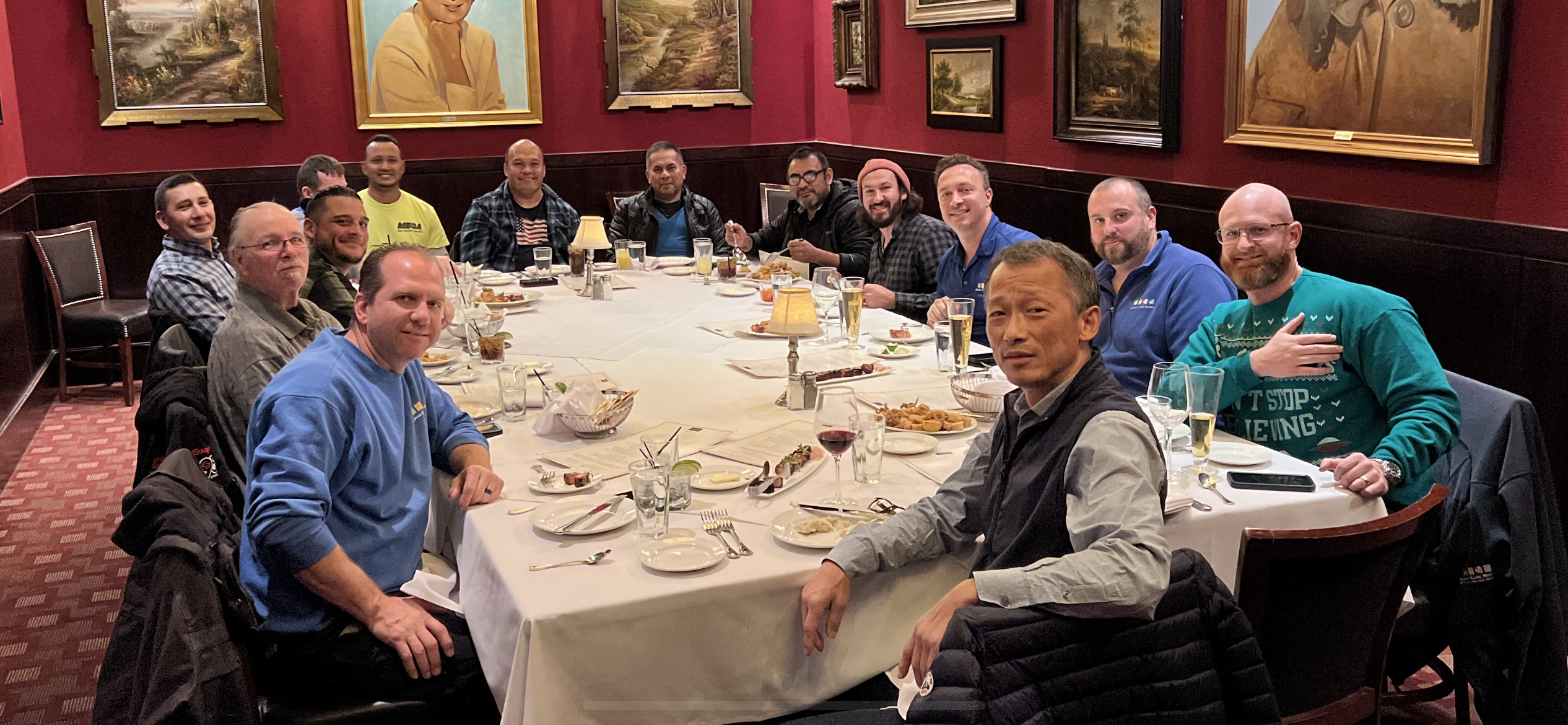
The Alpha Care Supply team // Photo credit: Chung H Lee

Today, Alpha Care Supply has about 20 employees covering installations, repairs, sales, construction, and operations. Considering the company’s service footprint includes approximately 16 million people, that means that Chung’s team is both small and mighty. While he’s pleased with the growth and maturation his business has experienced since he bought it nearly eight years ago, Chung is arguably happier with the work that his employees are doing day in and day out to make a difference in people’s lives. “Unless you’re in their shoes,” Chung said, “it’s hard to fathom what sort of challenges our customers face on a daily basis. My team bends over backwards to get things up and running beautifully and to make a difference, and it leaves people in tears. For me, those are the most exciting days as a small business owner.”

Learn More:

  • Alpha Care Supply is a provider of ADA accessibility equipment based in Nassau County for nearly 25 years serving the NY metro area, including the five boroughs, Westchester, Rockland, Yonkers, Nassau, Suffolk counties, and New Jersey encompassing over 16MM in population. 
  • Pursuit Community Finance, a Community Development Financial Institution (CDFI) that provides businesses with affordable small business loans and resources so that they can reach higher, transform and grow.
  • CNote is a women-led investment platform that empowers individuals and institutions to invest locally to further economic equality, racial justice, gender equity, and address climate change.

By CDFIs, CNote, Migration V1, Wisdom

Innovating pathways to wealth creation for women of color entrepreneurs: a Wisdom Fund update

Co-authored by CNote’s VP of Business Development, Danielle Burns and CNote’s Director of Impact Evaluation, Tamra Thetford.

Women of color (WOC) entrepreneurs continue to face intersectional and systemic barriers — such as discrimination, bias, and a lack of networks — that limit their access to capital. Business ownership is a powerful wealth-building tool, and supporting WOC in entrepreneurship is a move towards closing the wealth gap. 

The CNote Wisdom Fund (WF) is a fixed income vehicle that increases capital access and lending for WOC small business owners. It was co-created with community development financial institutions (CDFIs) to bring new thinking, experimentation, and sustainable solutions to drive wealth creation. The Wisdom Fund aims to provide or support three key areas:

  1. Economic Empowerment: WOC are often left out of the traditional financial system, limiting their ability to start and grow small businesses that have the potential to boost local economies.
  2. Driving Innovation and Growth: WOC are a rapidly growing segment of entrepreneurs, and research has shown that the businesses they own have the potential to drive innovation and job growth. 
  3. Bridging the Wealth Gap: WOC are more likely than white women to live in poverty, and face significant wealth disparities. By increasing access to capital, WOC are able to build wealth and achieve financial stability.
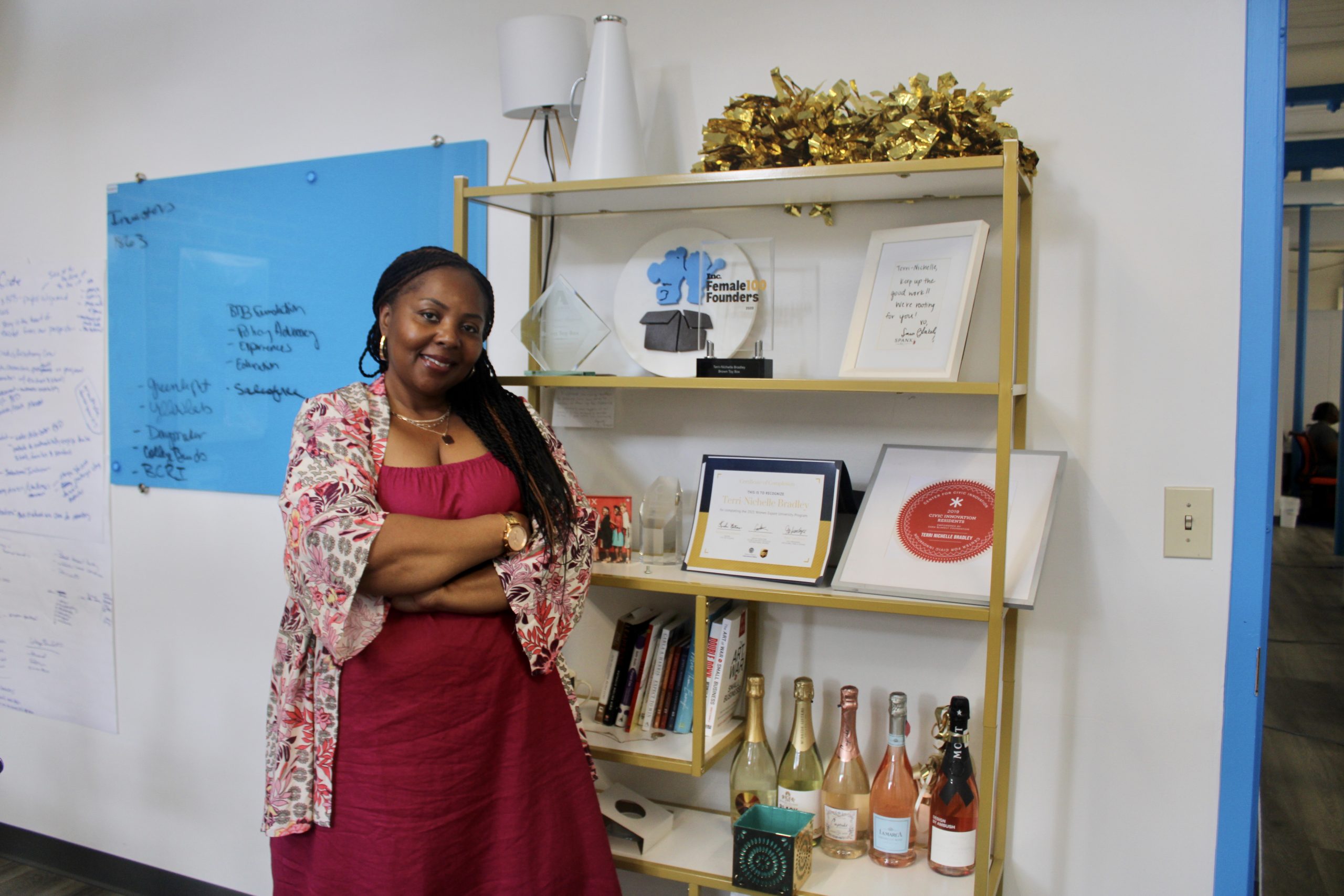
Read Terri-Nichelle Bradley's entrepreneurial story

Terri-Nichelle Bradley is the entrepreneur behind Brown Toy Box, an educational play-kit company introducing BIPOC kids to STEAM subjects

Bridging the wealth gap through access to capital for women of color

As of September 30th, 2022 the Wisdom Fund has provided extensive capital and business development services to help grow and sustain businesses :

  • More than $16M originated in loans to WOC through the WF
  • 100% of loans have been originated to WOC
  • 70% of loans have been originated to low- to moderate-income women
  • 71% of borrowers received business development services in addition to loan capital
  • 1,299 jobs were created or retained in businesses supported by WF loans

Improving lending through the Wisdom Fund

Despite being the fastest growing group or demographic of business owners, WOC  continue to face significant barriers to success including discrimination, lack of funding, and lack of supportive business networks. Because of this, small business owners are frequently undercapitalized. In 2021, CNote partnered with Impact Experience on a Human Centered Design (HCD) research effort to better understand the institutional and personal barriers that women of color borrowers face. 

The 3 key HCD findings were:

  • Access to Varied Capital Structures: WOC entrepreneurs shared a clear need for more options for financing including lines of credit to support cash flow, lower interest rates, reduced collateral requirements, and higher loan limits. 
  • Rethinking how we assess creditworthiness: Alternative underwriting criteria allow lenders to evaluate creditworthiness beyond the traditional credit scoring system using rent and utility payments, lack of delinquencies, time in business and credit payment performance. Rethinking how creditworthiness is assessed opens the door to capital access to women that may have less of a financial history.
  • Time and Efficiency: Lending applications tend to lack full transparency and are often not easily accessible. The research identified a need for common format loan applications, greater transparency of documentation needed to apply at the onset of a loan application process, and shared portals across CDFIs and intermediaries. 
Read about the women of color entrepreneurs that started a group home serving marginalized patients in Minnesota

The women founders of OurPlace Residential Services, a group home serving marginalized patients in Minnesota

Wisdom Fund CDFIs get busy innovating

CNote shared the HCD research findings with Wisdom Fund CDFIs that quickly got to work identifying how they could improve their products and services for women of color borrowers going forward. In 2021, with support from the Tarsadia Foundation, CNote provided grants and peer learning opportunities to support the CDFIs’ resulting efforts to strengthen their lending to women of color and reduce bias in the lending process overall. Together, Wisdom Fund members achieved great things! 

In an initial survey, WF members indicated that 78% were already offering at least one of the critical products or features identified in the HCD research as supportive of lending. A year later, 100% of members had added an additional product, feature, or service.

  • 77% adjusted their product features by raising loan limits, lowering interest rates or reducing collateral requirements.
  • 69% added a new product such as a line of credit, a credit building loan, or real estate acquisition financing products. 
  • 46% adjusted their process by shortening the loan application or making the document requirements more transparent
  • 46% added business development services such as leadership development, financial management services, and mergers and acquisitions assistance. 
Read about Toni Hopkins, the woman of color entrepreneur that started a successful retail business during the pandemic

Cool J’s Apparel, a retail business started despite the pandemic and one that is still flourishing today, was started by Toni Hopkins, a first-time entrepreneur

Looking ahead and taking action! 

As 2022 came to a close, the economic climate of low-income communities continued to see a drastic increase in needs. More than 93% of Wisdom Fund CDFIs indicated a need for additional capital to support the growing demand of WOC entrepreneurs– in total WF CDFIs have reported more than $70M in demonstrated and unmet need. 

Investing in WOC is not only a moral imperative, it’s also a smart investment strategy. WOC are often underrepresented in the business world, despite being a growing demographic with immense potential. By investing in WOC, you not only support the growth of diverse, innovative businesses, but you also contribute to a more equitable and just society.

If you are looking for ways to support women of color

Educate yourself: Take the time to learn about the experiences and challenges faced by women of color in the business world. Read up on successful businesses led by women of color, attend events and conferences, and seek out mentorship opportunities. Understanding the unique strengths and perspectives that women of color bring to the table is the first step in investing in them. Check out CNotes impactful and inspirational borrower stories

Look for diverse opportunities: When searching for investment opportunities, actively seek out businesses led by women of color. Look beyond your usual networks and search for diverse communities and organizations to find potential investments. The CNote Wisdom Fund is a fixed income vehicle that increases capital access and lending for women of color borrowers. 100% of all investor dollars in the Wisdom Fund support women of color borrowers. 

Advocate for diversity: Use your position as an investor or consumer to advocate for more diversity in your professional and personal communities. Encourage the companies you invest in or buy from to prioritize diversity and inclusion, and push for policies that promote equity and inclusion.

To learn more about the CNote Wisdom Fund, click here! 

Read about Cortegia Collins, the women of color entrepreneur that identified a need for good childcare in her community and responded by founding the Good Shepherd Preschool

Cortegia Collins (right) founded the Good Shepherd Preschool and the Foundation for Strengthening Families in St. Louis when she identified a need for better care

By Community Partners, Low Income Designated Credit Union, Migration V2

How Opportunities Credit Union Is Setting Up Itself—And Its Community—For Financial Success

From a young age, Kate Laud dreamed about someday being a CEO. At Dartmouth, Kate was an English major who liked numbers, and her father encouraged her to aspire to “run something interesting” one day. Although that advice didn’t narrow down Kate’s list of possible career trajectories, over the years, her ambition to eventually lead an organization helped to guide her through various financial roles, from a portfolio manager at a bank in New York City to a futures and options strategist at a bank in Chicago. Eventually, Kate became the CFO for a New Jersey nonprofit dedicated to developing affordable housing. 

However, in addition to wanting to one day be a CEO, there was something else that Kate always wanted to do: live in Vermont. Not only was Kate drawn to the state’s natural beauty, but she had family in the area, and she had always been smitten by Vermonters’ community-oriented dispositions. When a CFO-related position opened up at the University of Vermont Foundation, Kate jumped at the opportunity. She left New Jersey, settled into life in The Green Mountain State, and dove headfirst into her new nonprofit role.

In 2019, a recruiter approached Kate about a leadership position at Opportunities Credit Union, a CDFI-certified financial institution founded in 1989. Although Kate had already seen the ad for the position in the local newspaper and was interested, she didn’t think that she knew enough about credit unions to be qualified to serve as one’s president. According to Kate, credit unions weren’t on her radar in New Jersey, and it wasn’t until after she’d moved to Vermont that she discovered just how much of a force credit unions were in the state. Kate agreed to meet with the recruiter, and in September of that same year, she became the credit union’s president. When the CEO retired a few months later, Kate assumed her role as well, fulfilling one of Kate’s professional dreams. “I had a lot of technical banking and nonprofit experiences,” she said, “and somehow those came together in the credit union world.”

‘We Don’t Say No, We Say When’

It didn’t take long for Kate to face her first CEO-sized dilemma at Opportunities Credit Union. During her first week as CEO, Kate was invited out to lunch with a colleague at a larger credit union. The agenda was collaboration. The topic of mergers had come up before, and although Kate acknowledged that a merger could be a smart thing to do long term, in the moment, she knew it wasn’t the right time. “I wanted to give running this a shot first,” Kate said, “and I wanted to see how the magic works and where we could make adjustments.”

Kate paired the decision to remain a standalone credit union with a number of internal institutional changes. For example, Kate leaned into her nonprofit background and hired a full-time grant writer. Together, they sought out new grant opportunities that could fund new lines of business lending and programmatic offerings. The credit union also chose to partner with CNote through its Impact CashTM Solution, which channels FDIC-and NCUA insured dollars from socially minded investors to mission-driven partners like Opportunities Credit Union. 

Additionally, soon after taking over as CEO, Kate and her team had the opportunity to sit down and draft the next iteration of Opportunities’ four-year strategic plan. After a lengthy SWOT analysis, it became evident that if the credit union was going to survive, then it was going to have to pursue its mission while remaining conscious of its margin. The subsequent document has served as a roadmap for Kate and her team as they strive both to serve Opportunities Credit Union’s members and to grow the institution’s margins. 

This was especially true during the early waves of the COVID-19 pandemic, when deposits drove up liquidity but falling interest rates meant that financial institutions like Opportunities earned very little interest on that cash. To bolster its margin, the credit union focused on lending areas like small business loans while continuing to help people in its community. The credit union also expanded its robust vehicle and credit-building loan programs. In 2021, Opportunities was able to assist in retaining 422 small business jobs and made 38% of its mortgage loans to New Americans, including to members of the Asian and African immigrant communities who resettled in Vermont.

Not only is the credit union intentional about collaborating with refugee and immigrant organizations to connect with these New Americans, but Opportunities is equally intentional about making sure that its staff reflects that global diversity. For example, Opportunities has a multilingual team that speaks languages from around the world. In fact, the credit union’s loan department head is a former Nepali refugee who’s able to connect with other New Americans on a personal level. “That is one secret to surviving,” said Kate. “People can get a mortgage anywhere, but it’s the relationship that is really hard to come by. I don’t think you can walk into a larger credit union and sit down with someone who mirrors you ethnically anywhere but here. That gives us an edge.” 

In addition to serving New Americans, Opportunities Credit Union also serves community members who are unhoused and underbanked, including individuals who are struggling with mental health, living in homeless shelters, and/or surviving on social security disability payments. According to Kate, the credit union works at the intersection of mental health and money. Although she acknowledges that she and her team aren’t social workers, Kate said that the credit union is able to “help people whose emotional needs touch their financial needs” through free financial counseling that’s aimed at building their credit back. Importantly, this financial coaching is offered to anyone in need, not just credit union members. That includes those who are behind on student loan and credit card payments.

Kate shared one recent story about a twenty-something mother of two who’d purchased a home just before the COVID-19 pandemic. However, when said mother lost her job, she fell behind on her mortgage payments. The big credit union foreclosed on her home, and the woman and her two children moved into the family car. Eventually, she found her way to Opportunities, who agreed to help her get her house back. Kate and her team contacted the other credit union and asked it to hold off on auctioning off the home. It agreed, and during that time, the woman was able to get a job and Opportunities was able to negotiate to get her and her kids back into their home. “Our informal mission statement is ‘we don’t say no, we say when,’” said Kate. “We knew we would find a way to get this woman’s house back because, as credit unions, we don’t compete, we collaborate. It’s a movement: we work together, and we move together.”

Opportunities Abound

When asked about the future of Opportunities Credit Union, Kate is quick to note that she isn’t a fortune teller. Still, she’s doing everything that she can in the present moment to make it easier for the credit union to survive—and thrive—for years to come. For example, Opportunities recently used grant money to invest in software that has helped it to drastically speed up onerous compliance tasks. The credit union has also outsourced much of its accounting, IT, and HR work to third-party entities, including to other credit unions. In this way, as a small credit union, Opportunities has recreated itself to be less dependent on individual employees and more resilient as an institution. 

Additionally, in 2022 alone, Opportunities made 10 staff promotions from within the organization. According to Kate, this has been a win-win for the credit union not only because those employees already know Opportunities’ culture, mission, and systems, but because it’s signaled to entry-level hires and prospective recruits that they can expect to receive the training and support they need to similarly move up the ranks at the credit union. Ironically, a couple of new recruits are coming to Opportunities from recently merged credit unions in the region. “Our membership is very different from larger credit unions, and thankfully we don’t compete with them head-to-head,” Kate said. “But, it can be good for Opportunities when larger credit unions merge. People don’t always have to leave, but when they do, they’re coming to us looking for a different opportunity—no pun intended.”

Learn More:

  • Opportunities Credit Union provides innovative and affordable loan and deposit programs for credit building and repair, business and home ownership, consumer needs, modified vehicles, adaptive equipment and energy improvements along with financial education and counseling solutions that have been tailored for our target market.
  • CNote is a women-led investment platform that empowers individuals and institutions to invest locally to further economic equality, racial justice, gender equity, and address climate change.
By CDFIs, Community Partners, Equality, Impact Investing, Migration V2

Revolutionizing sustainable growth: Black-led financial institutions unleash potential with capital access and financial resources

Authored by CNote’s Director of Due Diligence, Julia Phipps

In the U.S. much of how we define success can only be achieved with access to sufficient capital. Pursuing an education, providing security and food for your family, and even employment mobility is often limited by an individual’s capital. Inadequate access to capital continues to be a particularly important constraint limiting the growth of small businesses and the development of generational wealth. 

Historical programs such as redlining and persistent racial discrimination have meant access to capital is largely racially biased. This weighs heavily on BIPOC communities and has contributed to the wide racial wealth gap. According to recent economic reports, the median net worth for white households is currently almost 8 times the median net worth of Black households. Unfortunately, the disparity in these numbers has remained consistent for over two decades.

On the frontline of this effort to fund and support communities of color across the U.S. is a network of Black-led, impact-driven financial institutions. For years, these institutions have played a vital role in generating economic growth and opportunity in some of our nation’s most distressed communities. Black-led institutions, which are often located in predominantly BIPOC neighborhoods, work within communities of color and are important for their cultural competence. These institutions maintain close ties with the communities they serve, and can better advocate for the challenges they face – like limited access to capital. 

Image by Freepik

This work is needed most in times of economic or natural disaster, when BIPOC communities are often the hardest hit and slowest to reach recovery. For example, during the housing crisis between 2007 and 2013, Black-owned lenders increased mortgage lending to Black borrowers while other institutions retreated. Similarly, CDFIs, often considered financial first responders in a crisis, stepped up to support Black-owned businesses during the worst of the pandemic. Overwhelming evidence has pointed to community-based businesses as one of the most effective tools to close the racial wealth gap.

At CNote we are poised to work with an array of inspiring, Black-led banks and loan funds with either a community development financial institution (CDFI) designation, a minority depository institution (MDI) designation, or at times both a CDFI and MDI designation. We have seen firsthand the unique ways they are able to show up and support Black communities. 

Baltimore Community Lending (BCL) is a Black-led CDFI serving the greater Baltimore Metro area with innovative and flexible financial resources to promote community development. They are dedicated to delivering these resources to low-wealth, low-income, and other disadvantaged populations to help them join the economic mainstream via loans to small real estate developers and small business owners committed to developing under-resourced neighborhoods

Image by Freepik

In 2021, BCL deployed $7.5 million to real estate developers and small business owners in Baltimore City who had no relationship with or were unable to get a loan from mainstream financial institutions. They supported the creation of 43 affordable housing units, community facilities, and mixed-use developments in Baltimore neighborhoods. 

In addition to their lending impact, BCL is involved in numerous efforts to uplift the CDFI industry as a whole to better serve entrepreneurs of color. Watchen Harris Bruce, the CDFI’s CEO, is also a board member of the African American Alliance of CDFI CEOs (AAA), a nonprofit coalition with the purpose of strengthening AAA members and empowering their organizations to scale efforts to sustainably support low-and moderate-income Black populations and communities across the U.S. As well as working with CNote to deliver investor capital to communities across Baltimore, BCL is a member of the Wisdom Fund Collaborative, a cohort of lenders from across the nation that share loan data and peer learnings to make the lending process more inclusive for women of color entrepreneurs.

Staff from Virginia Community Capital, a CDFI bank CNote deposits investor capital with through Impact Cash

Citizens Trust Bank (CTB), is an impact-driven financial institution that was established in 1921 and is headquartered in Atlanta, GA. Led by a Black, woman CEO and as a designated CDFI and MDI, CTB is committed to closing the racial wealth gap and uplifting Black and Brown communities through financial education and inclusion. CTB has focused on bringing financial services and products to people of color since its inception, with a deepened focus on providing access to unbanked and underbanked individuals. A critical component of this is both assisting community members in establishing a banking relationship and providing access to lending products. One additional area of focus for CTB that has a resounding impact through BIPOC communities is homeownership assistance. 

Homeownership has been the most effective way that Americans build wealth, which can be passed down from generation to generation. CTB-hosted homeownership workshops reach over 4,000 people annually. With over 90% of its assisted home mortgages located in the communities the Bank serves, and more specifically to people of color, this has broad implications for creating sustainable wealth in BIPOC households and communities beyond.

These are two of the institutions innovating supportive financial resources for Black communities across the U.S. We urge you to consider how you can in turn support these financial institutions in their mission and in doing so, further diversity, equity, and inclusion in our financial system and communities at large. 

Here are resources to explore during Black History Month and beyond: