
Small businesses that need financing often find themselves at a crossroads: apply for a traditional bank loan that’s difficult to get but has lower-interest rates or an online loan that’s quickly approved but can end up being inordinately more expensive in the long run. But some business owners don’t realize that there’s an additional option: a small business loan from a Community Development Financial Institution (CDFI).
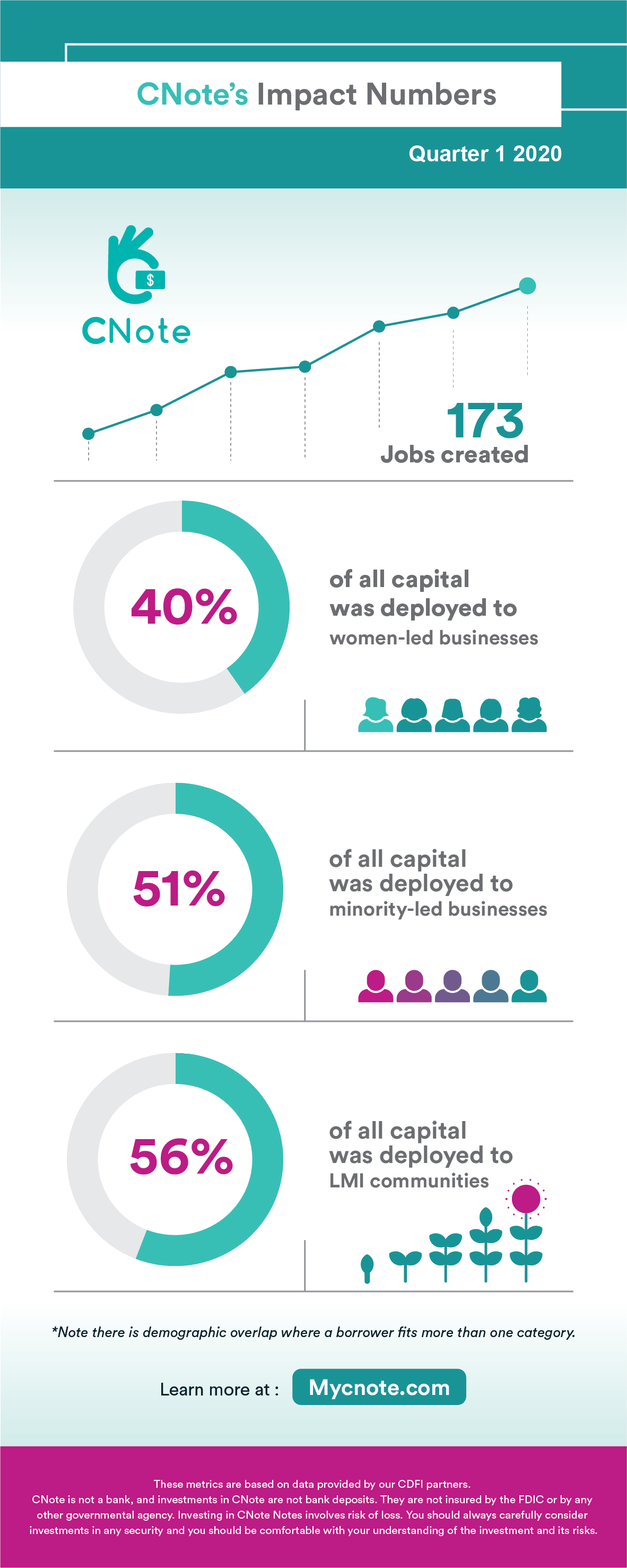
As mission-driven lenders, CDFIs are focused on helping communities that are underserved by traditional financial institutions become participants in the economic mainstream. CDFIs inject capital into these communities by financing small businesses, nonprofits, microenterprises, commercial real estate, community facilities, and affordable housing with low-interest loans from public and private sources. The CDFI Fund at the U.S. Department of the Treasury certifies CDFIs and mandates that at least 60 percent of CDFI financing goes into low- and moderate-income (LMI) populations and other underserved communities.

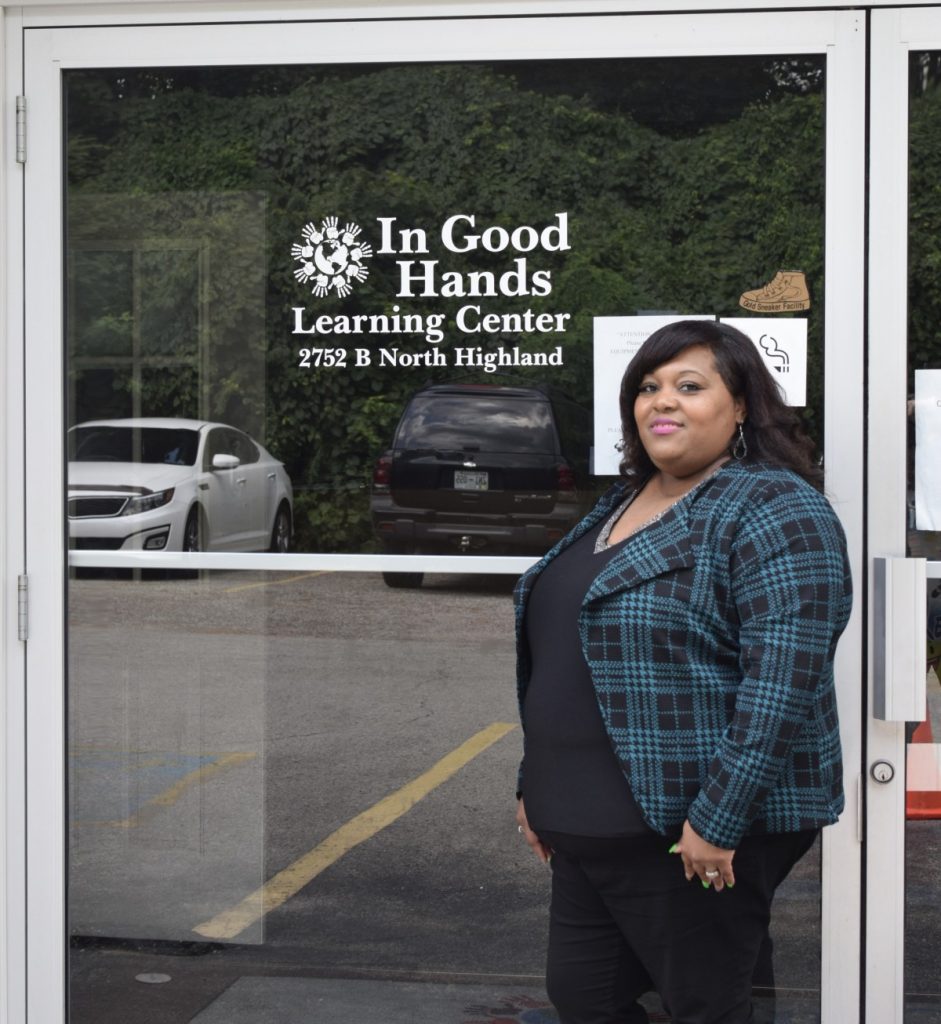
Clara Richardson-Olguin, Entrepreneur, Received a loan from a CNote CDFI Partner
CDFIs also provide the borrowers they serve with technical assistance, financial guidance, and add-on loans for business expansion. They seek to minimize risk for borrowers with simpler and more straightforward loan products than other lenders. CDFIs offer business loans on terms that aim to create the best possible outcomes for both their borrowers and investors.
Here are some important ways CDFIs are best equipped to help close the credit gap for small business owners in low-wealth communities who seek capital. Because of the Coronavirus pandemic, business lending from CDFIs is now more essential than ever.
Pre-loan services: Business coaching, educational resources, and straightforward financial products
Business loans from CDFIs are more flexible and better designed to meet the needs of small business borrowers than those from traditional banks and online lenders. CDFIs have developed innovative underwriting standards to meet the needs of borrowers considered “risky” by other lenders while maintaining their strong financial track record. In addition to their business loans often being easier to qualify for and having lower interest rates, CDFIs offer business coaching and educational services for first-time business owners. They also provide refinancing for businesses struggling with high-cost debt (often from online lenders).
 Some CDFIs even tailor their loan programs and financial products specifically to women- and minority-owned businesses (WMBEs) that continue to face a high level of lending disparity. Given the countless barriers the Paycheck Protection Program (PPP) loan required WMBEs to navigate, these businesses were the “hardest hit by the structural limitations built into the program,” according to The Center for Responsible Lending. CDFIs are much more responsive in providing the assistance and tools needed to connect small businesses with PPP loans.
Nonemployer firms and those with under 100K in revenue also often struggle to receive funding. CDFIs offer flexible borrower qualifications and straightforward loan packages for these businesses as well. Some CDFIs will even consider applicants without collateral and who have low (or no) credit scores. The 2016 Federal Reserve Small Business Credit Survey reported that CDFIs’ approval rate for small businesses with less than $1 million in revenue is more than 75 percent.
CDFIs partner closely with business owners to support their needs as they expand and typically work with the cash flow of a borrower. For instance, seasonal business owners might need to pay interest-only payments during low cash flow months. Since small businesses play an essential role in uplifting the communities they serve, CDFIs are dedicated to ensuring they get the funding they need.
Loan services: Clear terms, greater access, and flexible repayment
Many small business borrowers are unaware of CDFIs as a resource for loans. But small businesses often don’t qualify for the business loans they need from traditional banks and instead turn to online lenders for capital. This doesn’t always result in the best lending outcomes for borrowers because online lenders typically have higher interest rates and shorter repayment terms compared to conventional bank loans.
Online lenders are increasingly competing for small business loans due to a number of structural barriers that continue to impede bank lending to small businesses. These include the consolidation of community banks by bigger banks, high search costs, and higher transaction costs associated with small business lending according to The State of Small Business Lending report by Harvard Business School.
The report also outlined that small business loans are less appealing to banks because they are less profitable than large business loans. With more than 60 percent of small businesses looking for loans under $100,000, it is difficult for many borrowers to find willing traditional lenders. This is partly why so many are now turning to online lenders.

But many small business borrowers have discovered that online lenders are not always the best option to fill the void left by traditional bank lenders. Predatory online lenders sometimes take advantage of these small business owners’ urgent need for capital and their businesses end up paying the ultimate price for lack of financial access to quality business loans.
Online lenders make small business loans easier to access but often with high-interest rates and impractical repayment plans. These risky lenders may also use linked bank accounts to collect repayment of loans and extract daily payments. And since the lender is not attached to the success of the business they typically won’t offer flexible terms of repayment. Some small business owners get to a place where every dollar of revenue is committed to repaying the principal and interest on a loan, trapping their business in a cycle of debt that’s almost impossible to escape.
Plus, borrowers who can pay off the loan in full are often discouraged from doing so by pre-payment penalties that serve to increase the borrower’s debt and the online lender’s profits. If the borrower can’t pay back a loan, lenders have obtained judgments and seized assets sometimes worth more than the loan itself. The borrower is then forced to declare bankruptcy as occurred in the case of small business owner, Natalie Bobak.
Needless to say, taking advantage of online lending can become a high-risk situation for small business owners. These concerning practices and an increasing amount of “bad actors” have resulted in investigations of the online lending marketplace by regulatory officials. With the current oversight of the online lending market not being clearly unified and defined, small businesses are forced to take on higher risk and the lending outcomes can be disastrous for both small businesses and their communities.
Conversely, the Federal Reserve Bank of Minneapolis has found that CDFIs have been able to save business owners an average of more than $2,700 per loan compared to market rates. CDFIs are also creating or joining forces with the fintech industry to improve efficiency and boost the speed of their loan origination and underwriting processes. Fintech offers new ways for CDFIs to create partnerships that improve operating efficiencies, customer service, access to capital, and the development of marketing channels.
 For example, institutional investors like community foundations can target thematic and place-based investment goals through CNote, a platform that simplifies the deployment of capital across a pool of CDFIs. Investing in CDFIs creates positive outcomes for foundations who don’t want to deliver loans and manage risk, as CDFIs have all the built-in systems required to manage a loan portfolio.
How CDFIs help small businesses stay afloat during the pandemic
CDFIs are stepping up to the challenge when it comes to the Paycheck Protection Program (PPP) loans for small businesses. As business lenders based in their communities, they’re able to be much more responsive to small businesses’ needs in offering pandemic relief to borrowers than other types of lenders. This is especially true for underbanked communities without access to mainstream financial services such as low-income, minority, and immigrant populations.
Luz Urrutia, CEO of Opportunity Fund recently stated that “stimulus dollars don’t normally make their way down to minority-owned businesses. Sometimes CDFIs are the best conduit to get that funding to those communities.” Small businesses that need a lifeline to survive extended closures due to the pandemic are also receiving assistance from contributions made by traditional bank lenders to CDFIs.

With most state and federal grants or loan programs taking months to implement, there’s an urgent need for lending small businesses the capital they need to avoid mass layoffs and defaults. CNote’s Rapid Response Fund was created to quickly extend capital to CDFIs so they can fill the critical lending gap for small businesses that may otherwise fail.
Post-loan services: Additional resources and business expansion loans
Besides connecting small business owners with the capital they need, CDFIs also provide mentoring, training, technical assistance, financial education, and capacity-building support. This in turn bolsters the local economy through job growth and retention in underserved communities. Increasing access to capital for minority and low-income communities provides more economic opportunities for those who would otherwise be left behind.
According to Common Capital, “community organizations are invested in the growth of the community, and therefore will ensure that their lending is responsible and supportive of the borrower.” CDFIs continue to meet the needs of business owners as their organizations grow because the community prospers as they expand.

While many traditional banks offer loans that are guaranteed by the U.S. Small Business Administration (SBA), they cannot offer business assistance services. Banks are not able to be directly involved in the guidance of business operations due to lender liability regulations and online lenders are not attached to the success of the small businesses they’re lending to. Therefore, online lenders don’t typically renegotiate terms or offer expansion loans.
In contrast, CDFIs can offer small business owners assistance with business coaching and with marketing, accounting, and other legal matters. And if small businesses need to expand their operations, CDFIs can easily adjust their lending terms to accommodate this.
Final thoughts
As employers of about half of the nation’s private-sector workforce, small businesses are the backbone of America’s economic well-being. The Small Business Administration (SBA) reports that since 1995, these businesses have created over 60 percent of net new jobs in America.
Since 80 percent of small businesses are nonemployer firms and 40 percent having under $100K in revenue, many are locked out of traditional funding sources. WMBEs still must overcome significant barriers to accessing capital as well. This forces many business owners into high-interest loans from online lenders that can have negative outcomes for both the business and the community its economic activity affects.
CDFIs are stepping in to fill this critical lending gap by adopting online technology to increase efficiency in core operations and underwriting so they are able to get loans more quickly to those in need. Some have even begun partnering with online lenders such as Lending Club and others to process small business loans quickly and with better terms.
For institutions like community foundations that seek to seamlessly scale investments into communities across America, investing in CDFIs gives the next generation of minority and female entrepreneurs the opportunity to support themselves and their communities through fairly-priced small business loans. And with about half of small businesses facing failure due to the business closures of the pandemic, there’s never been a better time to leverage the community-based insights and low-interest small business lending products of CDFIs.

















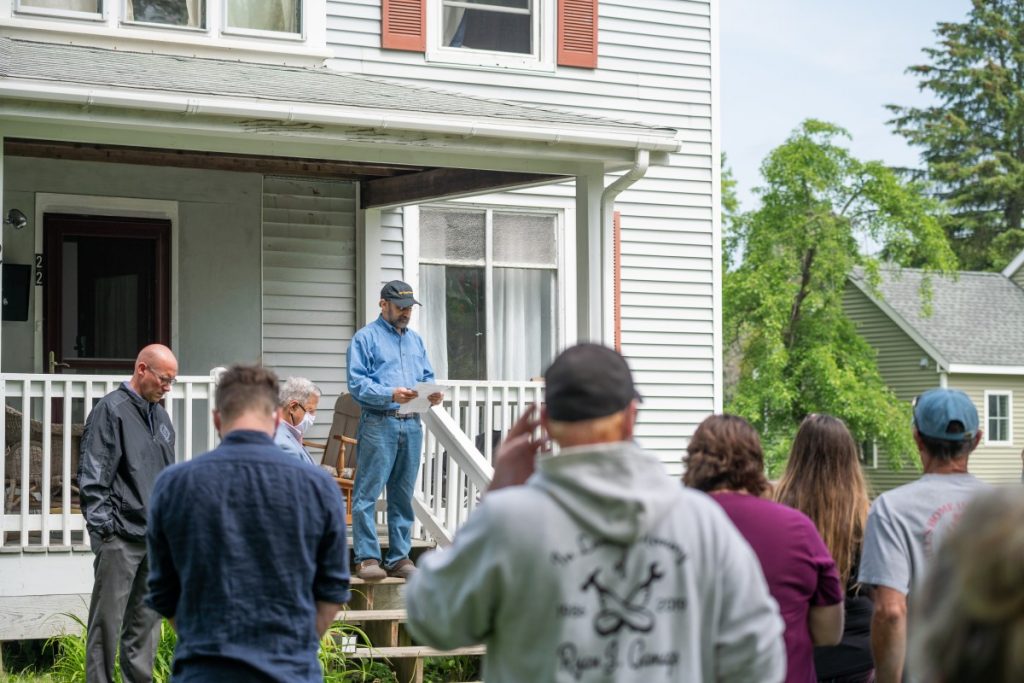
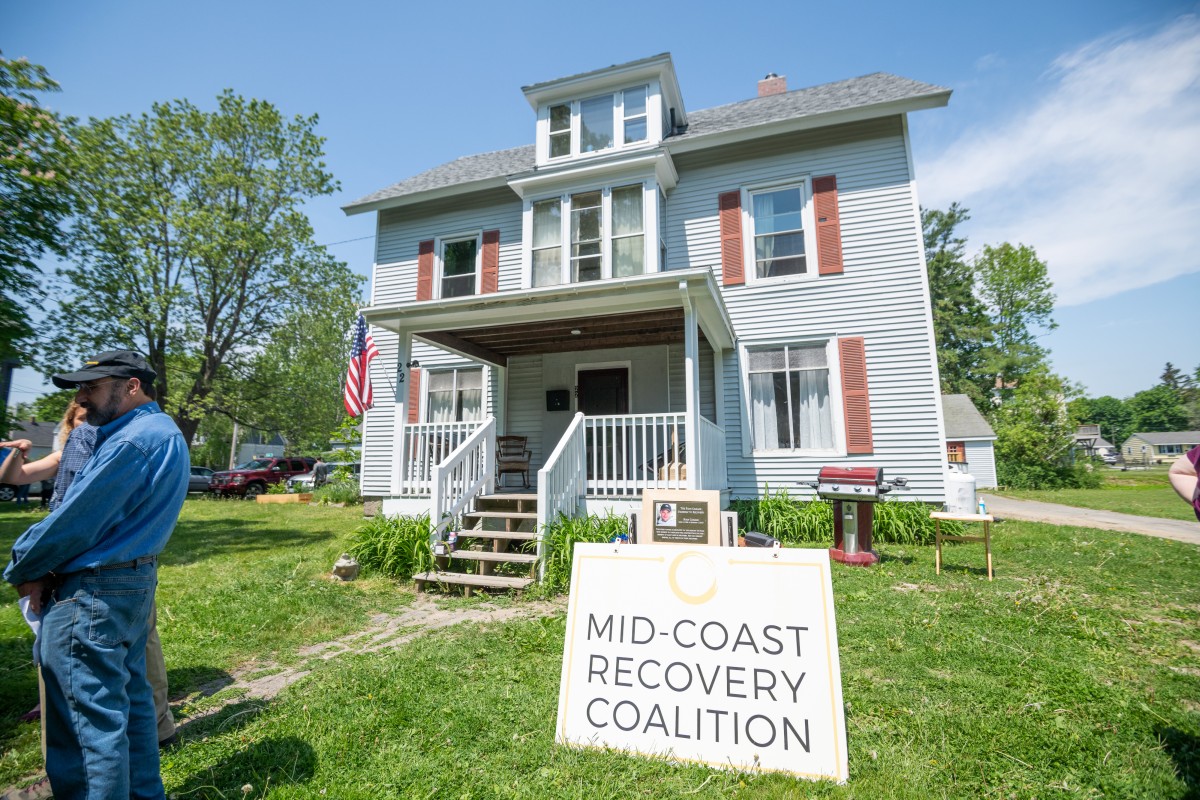
 Given the prevalence of addiction in the community, coupled with the overall lack of resources to combat it, it wasn’t surprising that people came together in February 2016 to express their outrage and to publicly acknowledge that addiction was a serious problem. What was frustrating, however, was the lack of collective action that ensued.










 Learn More