Monthly Archives

March 2020

Restricted access to wealth in a wallet
By Equality, Migration V2

Wealth Inequality: The Secret Cost of Unequal Access to Credit

America, “the land of equal opportunity”, isn’t delivering on its promise for the 90 percent that find themselves on the wrong side of the ever-widening wealth gap. In fact, the United States has a level of wealth inequality between the rich and poor that is larger than any other major developed country. According to the National Bureau of Economic Research, the richest 5 percent of Americans own two-thirds of the wealth in the nation

While there are many reasons for this divide, one of the key contributors is unequal access to credit and other mainstream financial products and services. Unlike the top one percent who invest their wealth in stocks and mutual funds, homeownership is the main source of wealth for 90 percent of Americans. This is also the asset type that suffered the biggest setback during the Great Recession of 2008. 

Financing for homeownership

Financing for homeownership.

For those who find themselves locked out of being able to access credit, getting a mortgage to buy a home seems like an impossible feat. This most often hits low-income communities the hardest, as many have historically been discriminated against through unfair practices like redlining, which despite efforts to halt still exists in some form today

The lack of access to credit also negatively affects Main Street America because, without business loans, many small business owners struggle to grow their companies. For minority- and women-owned businesses (MWBEs or WMBEs) this can be catastrophic because investment in MWBEs is 80 percent lower than the average investment in businesses overall.        

Not only are working and middle-class American households severely impacted by unequal access to credit, but these negative effects trickle down into their communities and the country as a whole by stifling productivity and innovation while continuing to increase wealth inequality.    

The challenge of accessing credit for lower-income households  

In a 2017 survey by the Federal Deposit Insurance Corporation, over 8 million households were found to be unbanked. And 80.2 percent of unbanked households had no access to mainstream credit. The survey also found that lower-income, less educated, black and Hispanic, working-age, disabled, and foreign-born, noncitizen households were more likely to not have access to mainstream credit. Differences in credit access by income, education, race, and ethnicity were the most striking, with the youngest households (aged 15 to 24 years) following close behind.   

Without access to traditional banking products like savings accounts, many of these households are one paycheck away from financial ruin. Seemingly minor financial rules about fees, fines, interest rates, and minimum balances made in the boardrooms of banks and other companies make life much more difficult for low-income families. These practices often force families to rely on alternative financial services such as payday lenders, check cashing services, pawnshop loans, and auto title loans that charge extremely high-interest rates. This exacerbates the wealth gap by keeping borrowers stuck in a cycle of crushing debt.   

While some may argue that the deregulation of these alternative financial industries is the solution, in reality reducing barriers to economic inclusion is the only way forward for households unable to access mainstream credit products and services. According to a recent article by the Brookings Institute, “Economies that extend opportunity widely not only maximize their productive potential but also minimize the fiscal and social costs of exclusion. These costs are significant.” 

The author, Joseph Parilla states that “Childhood poverty—one outcome of insufficiently inclusive growth—costs the U.S. economy an estimated $500 billion a year, or four percent of GDP, due to lost productivity, higher crime and incarceration, and larger health expenditures. Cities end up bearing these costs, at the expense of other important investments in growth and opportunity. The final cost of unequal opportunity gets beyond the numbers. Inequality of opportunity provokes hostilities that fray social and political cohesion and good governance, which affects economic growth.” 

Why lack of credit access curbs small business and community development

Small businesses rely on access to credit as much as American households. In fact, access to credit is so essential to businesses that a government agency called the U.S. Small Business Association is dedicated to “connecting entrepreneurs with lenders and funding to help them plan, start and grow their business.”    

Coastal Enterprises, Inc. (CEI), an SBA 7(a) lender has financed 2,555 businesses for over $1 billion in Maine and other rural areas across the nation. Betsy Biemann, CEO says, “These are businesses that often would have trouble accessing traditional capital from traditional lenders.”

Many small businesses depend on credit access for startup costs, capital improvements, and to meet everyday expenses like payroll. While it’s easier for larger companies to attract lenders, for small businesses, lack of credit can cause them to close their doors forever. 

Howard Schultz, Starbucks CEO who is credited with transforming the coffee giant from a regional company into a top global brand has stated that “the lifeblood of job creation in America is small business, but they can’t get access to credit.”

With a less stable job market, many more millennials are also becoming entrepreneurs than previous generations. According to a recent study by America’s SBDC, 62 percent of millennials have a dream business they would love to start while nearly half reported that access to capital is the biggest barrier to starting a business.    

How unequal access to credit threatens the US economy 

Despite the expansion of the United States’ economic power throughout the past century, the growth in household wealth outside of high earners has not been inclusive. In 2016, white households had more than ten times the wealth of black families according to economic research by McKinsey.  

The racial wealth gap alone constrains the entire U.S. economy. McKinsey estimates that “its dampening effect on consumption and investment will cost the US economy between $1 trillion and $1.5 trillion between 2019 and 2028—4 to 6 percent of the projected GDP in 2028.” 

Black families still must contend with systemic discrimination, poverty, and a lack of social connections in the effort to build wealth. The National Fair Housing Alliance (NFHA) is a trade association that works to eliminate housing discrimination and to address the lack of access to credit that severely limits the accumulation of wealth for people of color.  

In tandem with practices like redlining, housing policies were established from the inception of this nation that “were expressly designed to assist whites in gaining land and homeownership rights while simultaneously denying people of color the same opportunities” states the NFHA.

The shocking millennial wealth gap

Millennials have the undesirable distinction of being the first generation to accumulate less wealth than previous generations. The Federal Reserve report, “Are Millennials Different?,” disclosed that Millennials have “lower earnings, fewer assets and less wealth” than previous generations at the same age. The Federal Reserve’s Survey of Consumer Finances also reported that despite making up about a quarter of the population, millennials own only 3% of the country’s wealth. 

This is due in part to coming of age in the job market during the financial crisis of the Great Recession. During this time, the labor market was at historically weak levels and credit conditions were unusually tight. Also, increased higher education and health costs contributed to millennials carrying greater levels of debt and having far less money to spend. And even when working full-time hours, millennials can’t afford to buy homes according to a 2017 National Housing Survey by Fannie Mae. 

Restricted access to wealth in a walletThe impact of restricted credit access and lack of economic inclusion among racial and generational lines is having a ripple down effect on the U.S. economy that is maintaining a persistent and widening wealth gap for the majority of Americans. And when the gender pay gap, education level, immigration status, disability, and other factors are added to this as well, addressing wealth inequality and credit access is even more critical.   

What’s the way forward to improving access to credit? 

The Consumer Financial Protection Bureau (CFPB) estimates that “26 million Americans can be classified as credit invisible and 19 million have a credit history that is insufficient to produce a credit score.” CFPB is urging lenders to deploy innovative ways of increasing access to credit. Upstart Network is a nonbank lender that deployed a machine learning model to improve access to credit that abides by fair lending practices. 

Community Reinvestment Act (CRA) reforms that include the expansion of CRA credit to banks that work with Community Development Financial Institutions (CDFIs) have also been proposed. This would modernize the current rules to require banks to lend and invest in all regions where they receive significant deposits, also taking into account internet banks that have only one physical branch. Although, some community groups and low-income advocacy associations have voiced concerns about these changes placing an emphasis on the dollar amount of CRA projects that would lead to receiving less capital from bank partners.

Using alternative credit data to support those who are underbanked and have limited access to credit is another possible solution. Alternative credit scoring models take into account a broader range of criteria than current models that require an individual to have at least one active credit account that displays activity for over six months. The latest FICO 9 score model excludes paid and unpaid medical debt from credit scores and a new credit scoring model from VantageScore ignores accounts referred to collection agencies that have been paid off.   

Fintech startups are also innovating financial services and banking as millennials adopt new investment vehicles like cryptocurrency, point-of-sale lending alternatives, digital-first banks like Simple and Chime, AI-based budgeting and expense monitoring, robo advisors, micro-investing apps like Acorn and Stash, and virtual credit cards. Impact investing is also increasingly popular among millennials who have a strong interest in investing in small business.

Smartphone apps allow people to invest from their fingertips.

Smartphone apps allow people to invest and manage accounts from their fingertips.

SBA and first-time home buyer loans along with other government programs can assist in paving the way for opening up opportunities to grow wealth for more Americans. Ultimately, many essential reforms are needed within the financial, housing, employment, healthcare and many other sectors of America’s infrastructure to achieve lasting change. 

Six essential policy solutions have been pinpointed by the HAAS Institute for a Fair and Inclusive Society for reversing inequality, closing the wealth gap and expanding economic inclusion. Access to fair, low-cost financial services and increasing homeownership is listed as crucial for building American households’ wealth. 

Conclusion

An important part of financial health is building assets to generate wealth. Historically, the working and middle class in the U.S. have grown wealth through homeownership and creating small businesses. The wealth gap grows when only some populations in the U.S. are able to access credit and the mainstream financial products that are oftentimes necessary to do so.

The Federal Reserve Bank of New York developed The Credit Insecurity Index to collect various Community Credit indicators to understand the impact of credit constraints on U.S. communities. Through their research, they found that communities with more access to credit are better off than communities with less access, as they are able to strive for upward economic mobility and weather unexpected financial hardships such as the subprime mortgage crisis that happened during the Great Recession.     

Woman holding a protest sign for change.

Woman holding a protest sign for change.

Without far-reaching, structural reforms to our society, the deep and persistent wealth gap in America cannot be bridged. Public policies such as redlining and housing and wage discrimination have suppressed the wealth of many generations of women and people of color. To ensure subsequent generations have a better chance of building wealth, expanding economic inclusion is imperative. This, in turn, supports the closing of the wealth gap, and the growth and stability of all communities, the country, and even our planet. 

Looking to support increased access to financial resources in underserved communities? CNote recently launched The Promise Account for foundations and other institutional investors that provides capital to financially vulnerable communities and is optimized for returns, insurance, and impact. Every dollar invested in our platform goes towards funding MWBEs, affordable housing, and economic development. 

By Borrower Stories, Migration V1

Impact Story: Mountainside Community Cooperative

How Capital and Coaching Allowed Mountainside Residents To Purchase Their Park and Control Their Own Destiny

Margaret Jones grew up and went to school in Camden, Maine; however, that didn’t make things any easier for her when she moved back to the idyllic town of her youth after 30 years of being away.

Although Camden is a town of less than 5,000 people, it is a well-known summer colony in Maine’s mid-coast and the town’s population more than triples during the summer months due to tourists and wealthy out-of-state summer residents who come to enjoy Maine’s scenic coastline.

“When I finally had the opportunity to come back,” Margaret said, “I couldn’t afford to buy here. I rented, but that was getting to be ridiculous.”

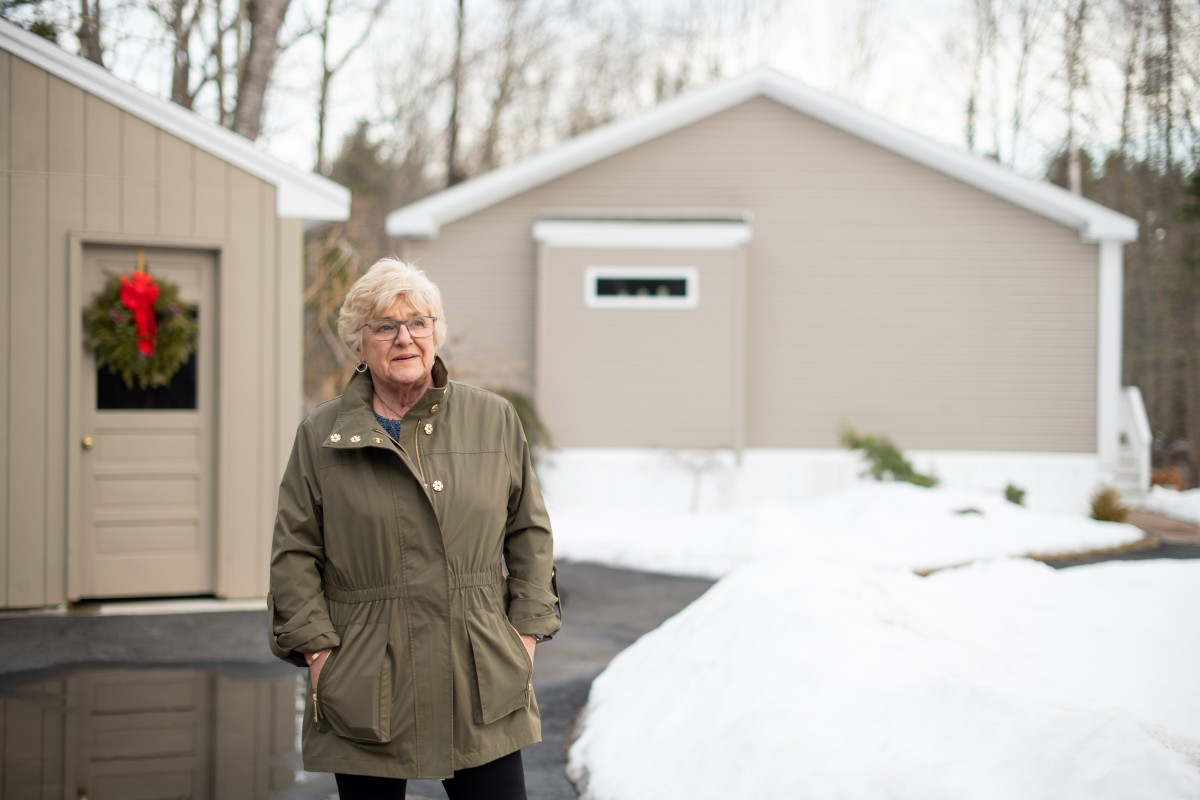
Margaret, President of Mountainside’s Board

Like many small towns and big cities across the country, home prices in Camden are increasing. Depending on which real estate website you look at, average home prices hover between $300,000 and $400,000, and a robust short-term vacation rental industry continues to drive up rents. For people like Margaret, there are few — if any — truly affordable housing options left.

Therefore, like approximately 22 million other Americans, Margaret decided to buy a manufactured home. Given that median-priced homes are unaffordable for average wage workers in roughly three quarters of the country, the number of Americans relying on these prefabricated homes is expected to increase, especially with young people, older individuals on fixed incomes, and renters.

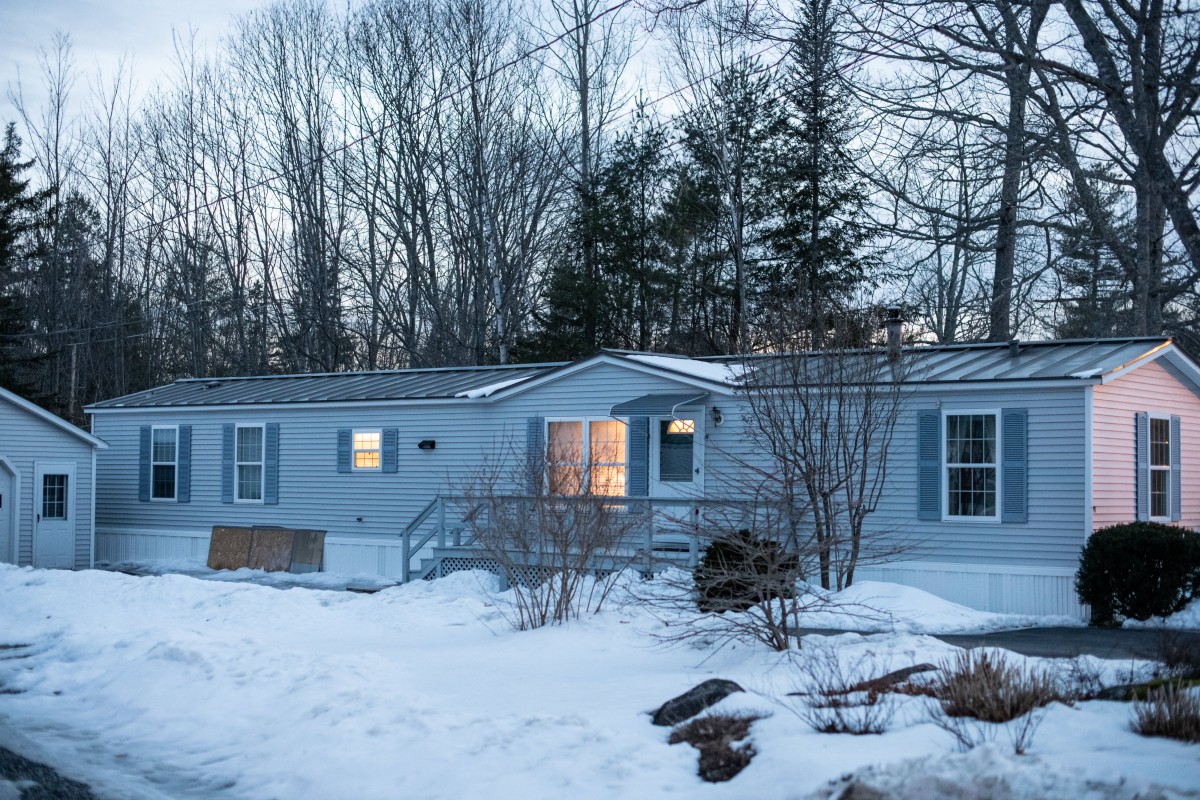
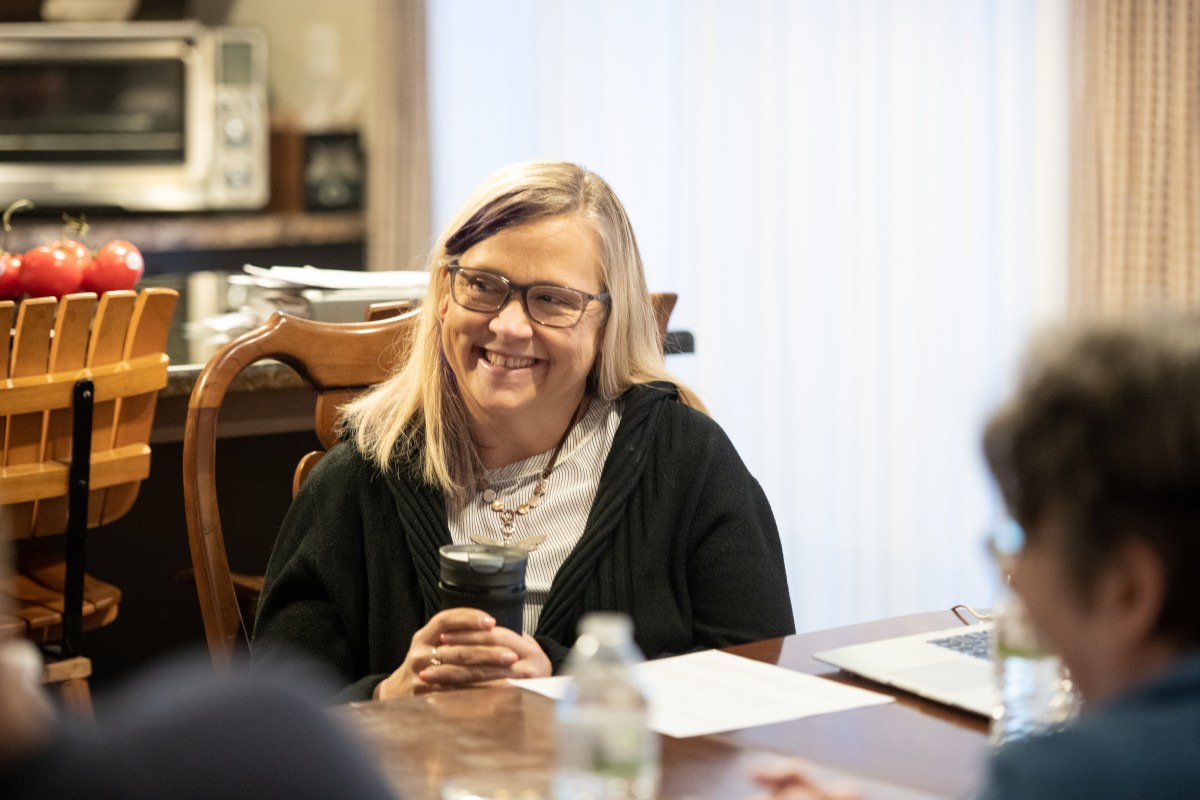
When Margaret bought her home four years ago, she was fortunate to find a plot to rent in Mountainside Park, one of two manufactured housing communities in Camden. She loved living in Mountainside, and she appreciated how her neighbors took care of their yards and how the property owner treated the park’s 52 renters. However, all of that changed last August, when Margaret received a letter from Mountainside’s owner informing her that he and his wife were retiring. “There was a lot of nervousness,” Margaret recalled.

She had good reason to be worried. That’s because big investors are gobbling up manufactured home parks across the country.

As the Financial Times reports, manufactured home parks are enticing to investors because they offer a reliable annual rate of return: usually 4% or higher. However, these profit-driven investors, typically based out of state or overseas, rarely care about those living in these long-established communities. Some investors either dramatically increase rents or they evict renters and redevelop the land. Either scenario is a nightmare situation for individuals like Margaret who live on a fixed income.

Because it costs tens of thousands of dollars to move one of these manufactured homes, most residents can’t afford to transport their homes elsewhere. However, staying put after the property changes hands means having to pay more and more on rent, even as the state of the community deteriorates due to lack of regular maintenance, oversight, and upkeep. Sadly, in some cases, people who can’t afford to transport their manufactured homes and who can’t keep up with rising rents are forced to abandon their homes, because the land beneath is too expensive to stay.

That’s why Margaret was so nervous when she learned that Mountainside’s owner was looking to sell — she owned her home, but she didn’t own the land underneath her. Therefore, Margaret’s future at Mountainside, not to mention her very financial wellbeing, hinged on what was about to happen next.

Trust The Process

Jeanee Wright knows this story all too well. She’s the cooperative development specialist at the Cooperative Development Institute’s (CDI) New England Resident Owned Communities (NEROC) program. Through its ROC Program, CDI helps owners of manufactured homes to preserve and protect their homes by helping these communities purchase and secure the rights to the land.

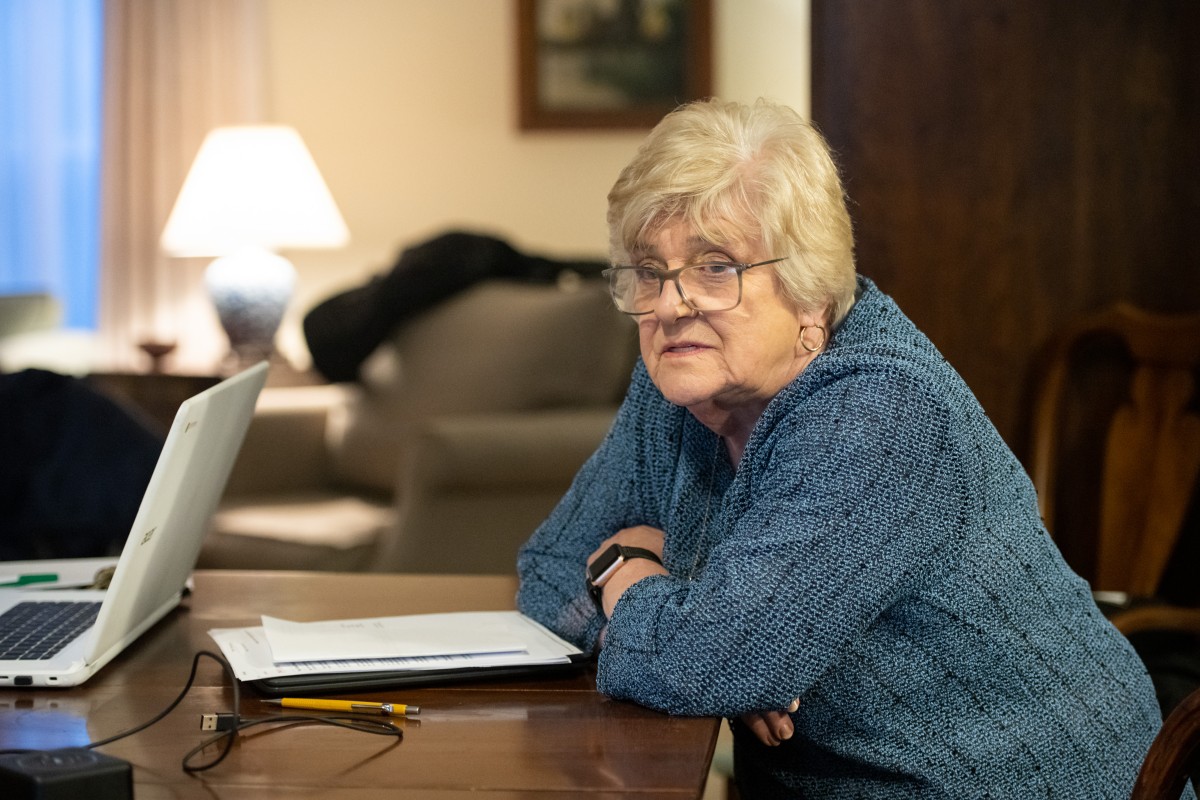
Jeanee of CDI pictured at Mountainside Board Meeting

Jeanee’s work is centered around communities in Maine, so she was already familiar with Mountainside Park even before she heard that the owner was looking to sell. In early 2019, she worked with a nearby manufactured home park in Arundel. There, she also helped organize the residents to purchase their park leading to a similar positive outcome.

Fortunately, Mountainside’s owner didn’t want to sell to an outside investor. Instead, he wanted to work with a Community Development Financial Institution (CDFI) called the Genesis Fund. Since 1992, the Genesis Fund has been working to develop and support affordable housing and community facilities across Maine, mainly by providing both financing and technical assistance to increase the supply of affordable housing. CNote partners with CDFIs like the Genesis Fund in communities across the country, channeling capital to fund social missions like affordable housing, women’s empowerment, entrepreneurial funding, and more.


“The reason the Genesis Fund and CDI got involved is because Mountainside’s owner was familiar with the Genesis Fund’s work,” Jeanee said. “He wasn’t sure exactly how the model worked, but he liked it, and he was interested in it. Once he reached out, we brought everybody else to the table.”

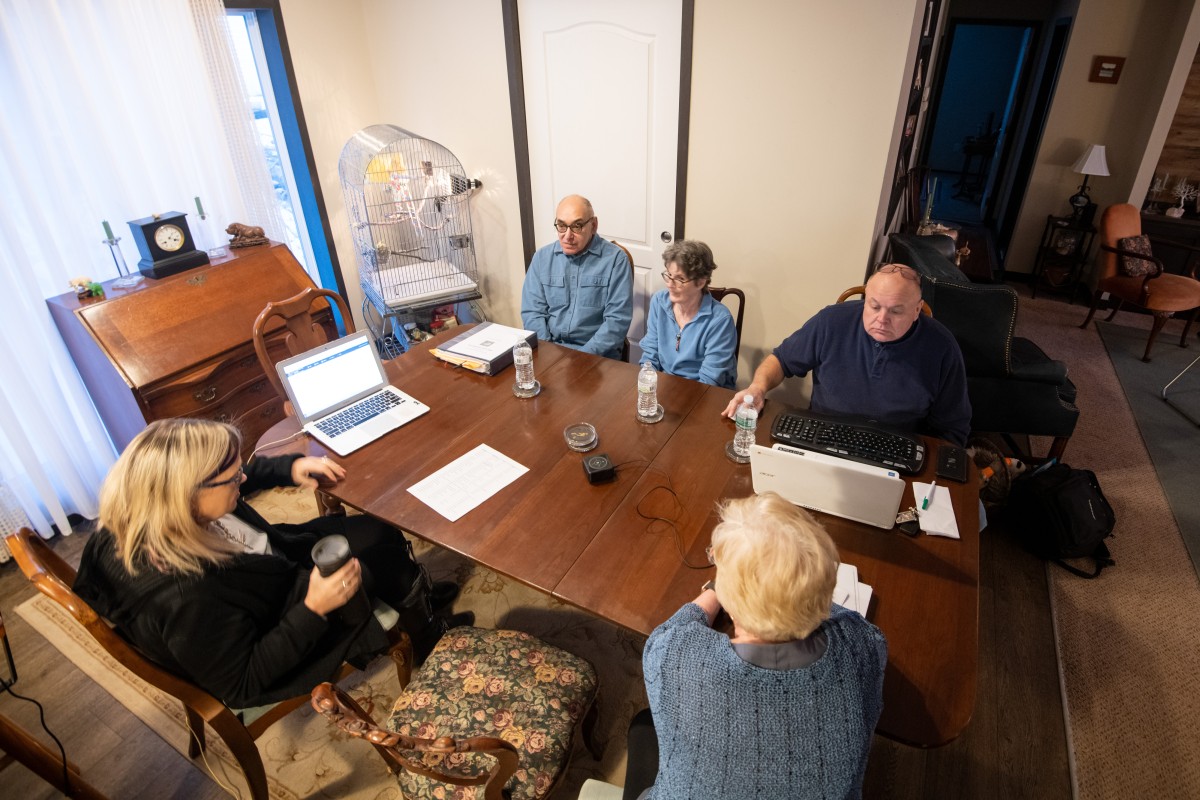
Jeanee provided technical support to the residents to create a nonprofit cooperative and assisted the coop and Mountainside’s owner in negotiating a deal.  The Genesis Fund provided the loan that allowed Mountainside’s residents to officially purchase the park in December 2019. 

Financing from CDFIs like the Genesis Fund is often essential to making these deals work, because traditional banks may be hesitant to finance an inexperienced member-owned cooperative making such a large purchase. 

But Liza Fleming-Ives, Executive Director of the Genesis Fund, says this type of financing is central to their mission. “The Genesis Fund actively seeks out opportunities to invest in Maine communities and ensure that they are accessible to members at all income levels. The Genesis Fund exists to go where others won’t and meet the needs of underserved communities.”

For Fleming-Ives, mobile home park cooperative financing is one of the best examples of what Genesis can do to build equity in Maine communities. “To date we have financed 10 mobile home park cooperatives, collectively preserving over 500 units of housing for Mainers, and each of them is successful and thriving using their cooperative governance model and ensuring access to that affordable housing for their residents into the future.” 

Now named Mountainside Community Cooperative, the strictly 55-and-over community operates the park. More importantly, they own the land. Better yet, because rents in resident-owned communities are proven to remain stable, residents have the comfort knowing that they’ll never be forced out because of redevelopment, evictions, or rent spikes. They literally have a vote on what direction their community is headed.

Better Than Before

Because many of Mountainside’s inhabitants were content prior to the formation of the cooperative, they didn’t want things to change. As Jeanee put it, “they wanted to keep on loving where they lived.”

It turns out, the only changes have been for the better.

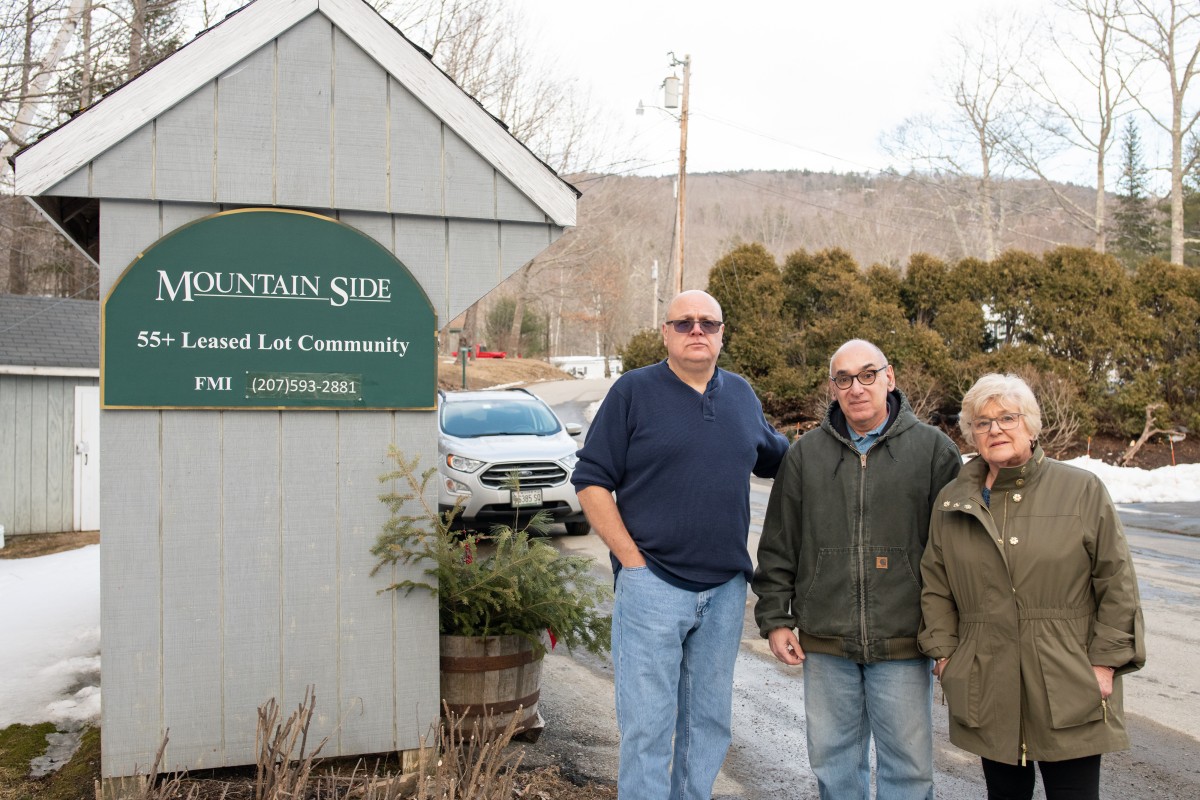
Paul, a Mountainside resident

Paul Harding moved into Mountainside last summer, just a few weeks before receiving the letter telling him that the property was going to be sold. Paul says that before the co-op was created, people barely spoke to each other. Today, he says, that’s a different story. “Now that we have a co-op, people know each other and communicate with one another. It’s a much better atmosphere. People are always reaching out to each other to see if they can help one another. It’s been very beneficial.”

Phil Amoroso, another resident, agrees. Like Margaret, he and his wife, Anne, live on a fixed income and were priced out of Camden’s housing market. Initially, he viewed the co-op as “a lesser of two evils.”

Phil & Anne outside their home

“When I heard that Mountainside’s owner was selling, I was disappointed, because I liked the way the park was being run,” he said. “But I knew we’d probably be a lot better off trying this co-op thing rather than taking a chance on somebody from outside coming in who could either raise rents outrageously or evict us so they could put in condos or houses. This was the only way we could do it.”

Phil said that over time, he’s warmed to the co-op model, and he’s happy with the outcome. He said that without Jeanee, it would have been “next to impossible” to have navigated the mechanics of it all. Margaret echoed his sentiments. “We’re grateful to The Genesis Fund for stepping in to help us make this possible.”

Jeanee, however, was quick to redirect all praise to every one of the involved stakeholders. “We use the same process time and time again,” she said. “That’s the value.”

“These folks would probably not be able to stay in Camden if it weren’t for this co-op,” she continued. “What they have created is not just long-term affordability, but many empowered people who live here and build community. Together, they’re building a beautiful community.”

Learn More

By CNote, Migration V2

Webinar: Investing in Indigenous Communities through CDFIs

CDFIs have a strong history of providing economic resources to financially underserved communities across America, helping to create jobs, fund small businesses, and support affordable housing development.

Often, many of the success stories you hear about CDFIs relate to urban or rural development projects and small business lending.

This webinar will focus on CDFIs that have been formed specifically to serve the needs of their local indigenous communities, providing economic resources, coaching, and other support to increase economic mobility and resiliency.

You’ll hear from two experienced practitioners who have been working in these communities for decades. You’ll learn about the common challenges they face, the work they do, and how you can get involved in investing in and supporting their efforts!

Please join us for this hour-long webinar dedicated to CDFIs working to empower Native and Indigenous Communities across America.

You can watch using this link or via the youtube video below.

Click here to download the slides.

This presentation was co-hosted by:

This webinar is co-hosted by the First Nations Oweesta Corporation and the Native American Community Development Corporation Financial Services, Inc. (NACDC) Candide Group and CNote.


By Change Makers Series, Migration V2

Change Makers Interview: Mary Houghton, Community Finance Pioneer

When Mary Houghton partnered with Milton Davis, James Fletcher, and Ron Grzywinski to purchase what was then South Shore Bank in Chicago in 1973, she had no idea that she was shifting the course of community finance in the U.S. The quartet of “mutually respecting” entrepreneurs created ShoreBank, which was committed to fighting redlining and economic inequity in Chicago and across the country until the bank went under in 2010.

Mary has, in many ways, become the godmother of community finance and community development financial institutions (CDFIs). Aside from ShoreBank, Mary served on the Board of Directors of Accion International and Calvert Foundation and she currently serves as a director of Craft3, Northern Initiatives, Grassroots Business Fund and Rapid Results Institute.

We sat down with Mary to talk about ShoreBank’s origin story, and we got the chance to hear more about the history of community finance, the biggest challenges we face today, and her advice for other social entrepreneurs.

CNote: Can you talk about the genesis of ShoreBank?

Mary Houghton: The turmoil of the ‘60s and the riots in ‘68 created more interest in economic empowerment and in the problems of access to capital in black communities. So, I hooked up with a group of three other people who were all living in Chicago and who were interested in a big idea. It was two African American guys, one Polish-American guy, and me. We found each other when the Polish guy had the big idea of creating a minority small business lending department at the bank he ran in the University of Chicago community and hired us.  We went to town doing a lot of lending. After a while, we said, “Why don’t we try to do something even bigger?” And that something even bigger was to see if we could raise the capital to acquire an existing community bank and use that platform in one Chicago neighborhood suffering from racial change.

That idea evolved into creating some affiliated non-bank companies alongside the bank and then the four of us raised $800,000 in capital from eight sources, got a bank stock loan and acquired South Shore Bank of Chicago, which was then a $43 million asset bank, having lost half of its deposits when its neighborhood suffered rapid racial change. That became the base of our activity. It grew steadily to the early 21st century, and we operated in Chicago’s South Side and West Side, as well as in four other locations around the country. We were an early proponent of the idea that investors might invest for a social purpose to build the bank.

CNote: When you took over ShoreBank, were you following any certain models or examples, or were you building the blueprint in real time?

Mary Houghton: During our research phase, we looked for models, and we looked at credit unions as an alternative to banks. We were observers of the community development corporation (CDC) movement, which were by and large nonprofit economic change agents in communities. However, I think that we were innovating, particularly in the idea that a bank itself could be the base of a strategy and that that would be more powerful than the existing nonprofit base of community development corporations. We believed that by having access to a regulated bank, that could raise deposits to fund itself and that could grow larger than most not-for-profits could grow. We believed that might be a stronger vehicle for community change.

CNote: Was there a turning point at ShoreBank where you realized that what you were doing was working?

Mary Houghton: The first 10 years were all kind of a slow progression. We had acquired an existing bank, and the economics of running a high volume retail deposit operation were daunting. Although we had early successes in finding good loans and good investments, just getting the basics of building the bank took a while. We bought the bank in ‘73, and in about ‘76 or ‘77 we started raising out-of-market institutional deposits essentially as a more profitable source of deposit growth, and we had early success with that. But, there really was no one time when we all said “a-ha, we made it.” It was always just sort of evolving and growing.

CNote: What progress do you think we’ve made since ShoreBank was founded in 1973?

Mary Houghton: Probably the most important thing that’s happened in a while was the Community Reinvestment Act, which passed in ‘77. It was a huge step in the right direction, but it hasn’t been enforced very aggressively for quite a long period of time now.

If you look at history, what you will see is that certified community development financial institutions, or CDFIs, essentially took over from the CDCs of the ‘50s and ‘60s, and they had a more business-like model because they were trying to be self-supporting and not just project focused and grant dependent. Then Clinton came along and created the federal CDFI Fund, which is now 25 years old and has been consistently a good source of capital.

There is now an industry of 1,200 CDFIs, and they’re growing slowly. They’re not big enough, but they’re the only mission-focused, community-focused financial institution vehicle that exists, because the banks have consolidated and withdrawn. You can’t go to your local bank for a small business loan, and the mortgage market has become much more national, so you don’t go to the bank for that either. So, I would say the original growth of the Community Reinvestment Act was significant, and then it was the subsequent growth of the CDFI industry that essentially grew out of ShoreBank and the other early organizations like ShoreBank.

CNote: What is your view between the relationship between access to capital and inequality?

Mary Houghton: Well, the only way that people who do not have much in the way of assets can build assets is if they can borrow them, because in the beginning, they don’t have the ability to attract equity investments. So, access to capital, particularly credit, is crucial to begin the process of creating personal wealth. People do bootstrap entirely without access to capital, but it’s more typical that you need to be able to invest some resources, in addition to your own labor, in order to be able to make enough money so that you can pay it back. So that’s central.

CNote: What do you think is the biggest challenge CDFIs face?

Mary Houghton: Often the people that fund CDFIs think that they should not be able to leverage their capital more than three or four times, whereas a regulated bank can leverage its capital eight to 10 times. So, the funders want them to be very well capitalized and leveraged not more than three to four times, but the sources of that capital are very modest. The market of mission-driven equity investment or grants that can fund net assets are very modest.

So, most CDFIs are constrained by not having enough capital to leverage the debt that they can rationalize and pay back. The debt financing, which you guys at CNote are delivering, is more plentiful than the net asset grants or equity. And so the constraint is kind of a balance sheet constraint. The value of what CNote is doing is that it is helping these CFDIs to diversify their debt so that they’re not dependent on the same five or six big banks, but in fact they can attract a broad and diversified group of supporters who will stick with them through thick and thin.

CNote: From a policy perspective, are there any particular things that relate to inequality in America that we should be paying closer attention to?

Mary Houghton: There’s an effort being made right now to modernize the Community Reinvestment Act. There are some relatively conservative suggestions by two of the regulators, and some much more progressive recommendations from the Federal Reserve Bank. Modernizing the CRA is a good idea, but it’s important to modernize it in a way so it still affects the behavior of the banking system.

I’m also part of an effort to support lending to black-owned businesses: that may be the very best way to deal with the racial wealth gap. If you think about it, the black racial wealth gap explains an enormous amount of why we have the race problems that we have in this country. If there were more successful business owners in black communities, there would be more families who are accumulating personal assets and net worth, and the racial wealth gap would be improving more quickly than it’s going to improve given wage disparities in this country. It’s pretty hard to build up personal assets if you’ve got a $15 an hour job.

The average white family has 10 times the net worth of a black family. If you compare black and white entrepreneurs, the wage gap is only three times. It makes logical sense that if you can own a business, you can build more wealth for your family. So, I think dealing with all the issues surrounding financing black-owned businesses is really an important issue.

CNote: What advice do you have for the next generation of social entrepreneurs?

Mary Houghton: ShoreBank succeeded because it was not just one person. It was originally a group of four people, and it kept evolving into a larger team of people who were talented and high-performing. My advice would be to find a group of people who you respect and who complement your skills, and then just never give up. It really starts with a mutually respecting small group.