Monthly Archives

January 2025

By Migration V2, Uncategorized

FDIC’s Latest on Banking Access: Progress, Persistent Disparities, and the Role of Mission-Driven Institutions

Unbanked rate declines, still disproportionately high for underserved populations

The FDIC’s new report on banking access in American Households shares the good news that unbanked rates have fallen to 4.2% in 2023, down from a high of 8.2% in 2011. As banking access is important for helping Americans build businesses, buy a home, pursue higher education, and ensure safe access to emergency savings, the decline is welcome news. However, inequalities persist with higher unbanked rates among Black, Hispanic, and American Indian or Alaska Native households, as well as households with lower-incomes. Additionally, 19 million households (14.2%) were underbanked– meaning that they had used nonbank alternative financial services in the last 12 months. 

Mission-driven banks and credit unions, like those that participate in CNote’s Impact Cash® Network, work to increase banking access to underserved groups and help those that are underbanked become fully banked by transitioning away from check cashers, payday lenders, and other alternative financial services. Among CNote’s Impact Cash depository institution network partners: 

  • 90% offer credit builder loans to help those with no or low credit scores establish and build a credit in order to qualify for credit cards, loans, and other mainstream credit. 
  • 90% offer debt consolidation loans, often used to consolidate and refinance high-priced debt from predatory lenders into one loan with a more affordable rate.
  • 65% offer payday alternative loans to address emergency borrowing needs

Black households

Specific populations in the US are more likely to be unbanked or underbanked, including Black households.  In 2023, 10.6% of Black households were unbanked, down from 21.4% in 2009. Despite this decrease, compared with White households, Black households were: 

  • more than five times as likely to be unbanked
  • more than twice as likely to be underbanked 
  • more than twice as likely not to have mainstream credit

Hispanic households

Hispanic households are disproportionately unbanked and underbanked. While the unbanked rate for Hispanic households dropped to 9.5% (2023) from 19.6% (2009) stark disparities persist. 

Compared with White households, Hispanic households were: 

  • five times as likely to be unbanked
  • twice as likely to be underbanked
  • more than twice as likely not to have mainstream credit

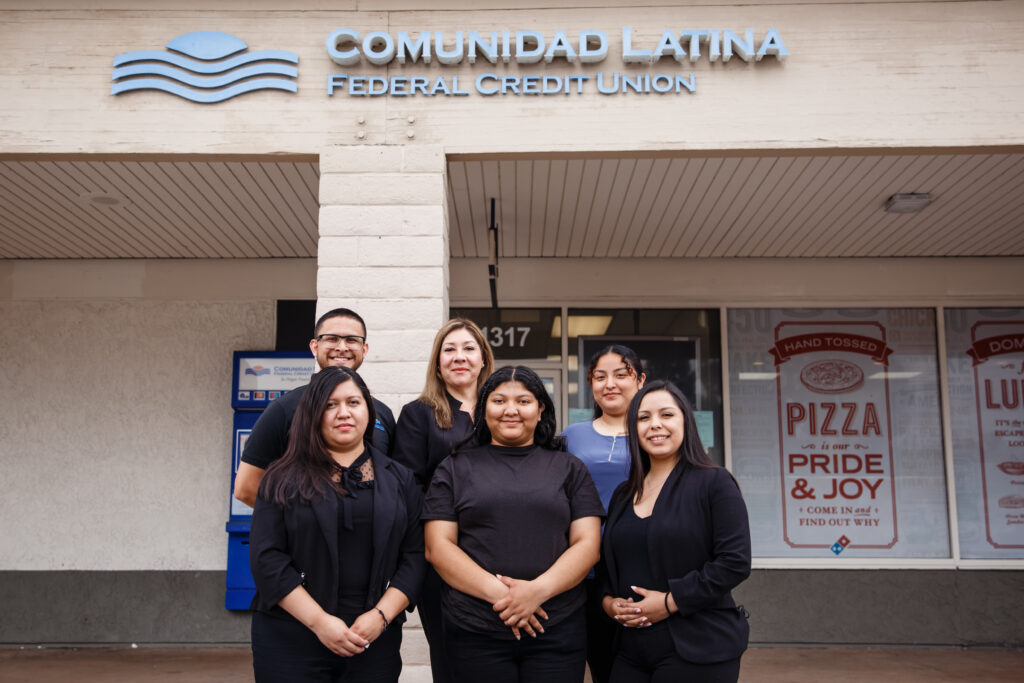
Missiondriven banking institutions like Comunidad Latina Federal Credit Union (CLFCU) are key to further reducing the disparities in banking access for Hispanic households. CLFCU is a not-for-profit financial institution serving the community of Santa Ana, California. Their mission is to serve its community “by offering unique, empowering, affordable financial services with compassion, care, and dignity.” CLFCU has a focus on serving Hispanic people, especially those who are immigrants to the US. 

Comunidad Latina’s members face a number of challenges, including those that come with being immigrants, DACA recipients, and/or first-generation Americans. Additionally, many of the credit union’s members are either underbanked or unbanked, live paycheck to paycheck, and come from cultures where it’s taboo to discuss finances with others. More than 90% of Comunidad Latina’s members have an annual household income of less than $50,000, and in most cases, its members work two or three jobs to be able to afford their living expenses. “Many of our members don’t trust the banking system,” Azul said. “We have members who literally keep their money under their mattress.”

Comunidad Latina intentionally located their branch in a strip mall just down from a payday lender and in the first several years actively targeted individuals using the payday lender, enticing them to become members of CLFCU. Comunidad Latino was so successful with this strategy that the payday lender left. 

Lower-Income Households

Lower-income households often represent a larger share of the unbanked and underbanked population, facing significant barriers to financial inclusion. These barriers can result in limited access to safe, affordable financial services and perpetuate cycles of economic hardship. According to the FDIC’s 2023 survey:

  • Cash-only transactions were disproportionately common, with 66.2% of unbanked households relying exclusively on cash.
  • Bank tellers remained a primary method of account access for lower-income households, even as their use declined across other demographics.
  • The share of households with no mainstream credit was higher among lower-income groups, contributing to financial exclusion.

Mission-driven depository institutions like Great Lakes Federal Credit Union (GLCU) are addressing these barriers by bringing affordable financial solutions to underserved and underbanked communities.
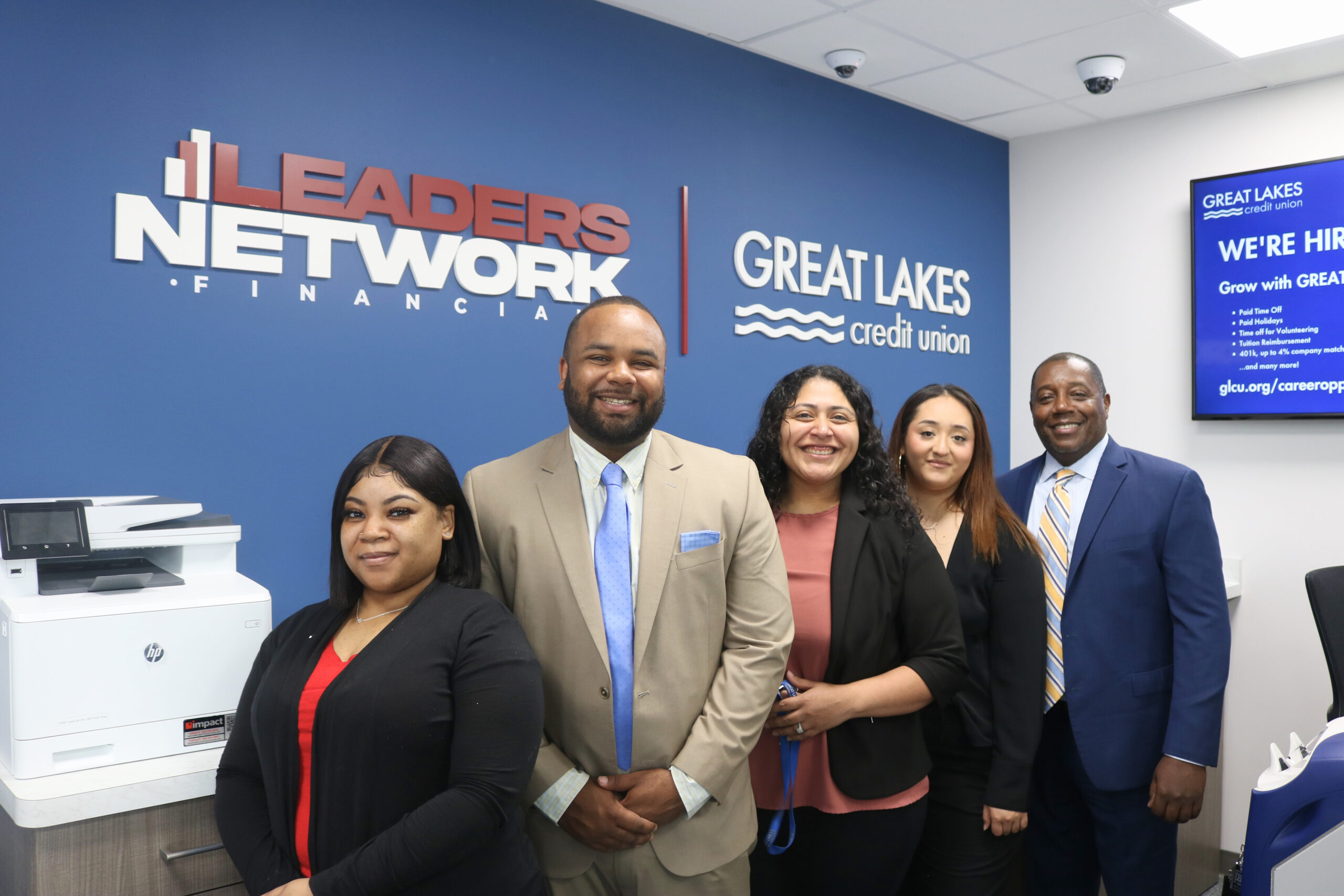
In April 2024, GLCU opened the Leaders Network Financial branch in Chicago’s Austin neighborhood, a long-standing banking desert. With a median household income of just $38,407, Austin residents had been forced to rely on predatory payday lenders and currency exchanges that perpetuated cycles of poverty. Partnering with The Leaders Network and the Illinois Credit Union League, GLCU introduced essential financial services to the community, offering equitable products like Fast Cash loans, Credit Builder loans, and Fresh Checking accounts designed to meet residents’ unique needs.

By Migration V2, Uncategorized

Building Legacy and Opportunity: Cory Elliott’s Journey with CMT LLC and St. Louis Community Credit Union

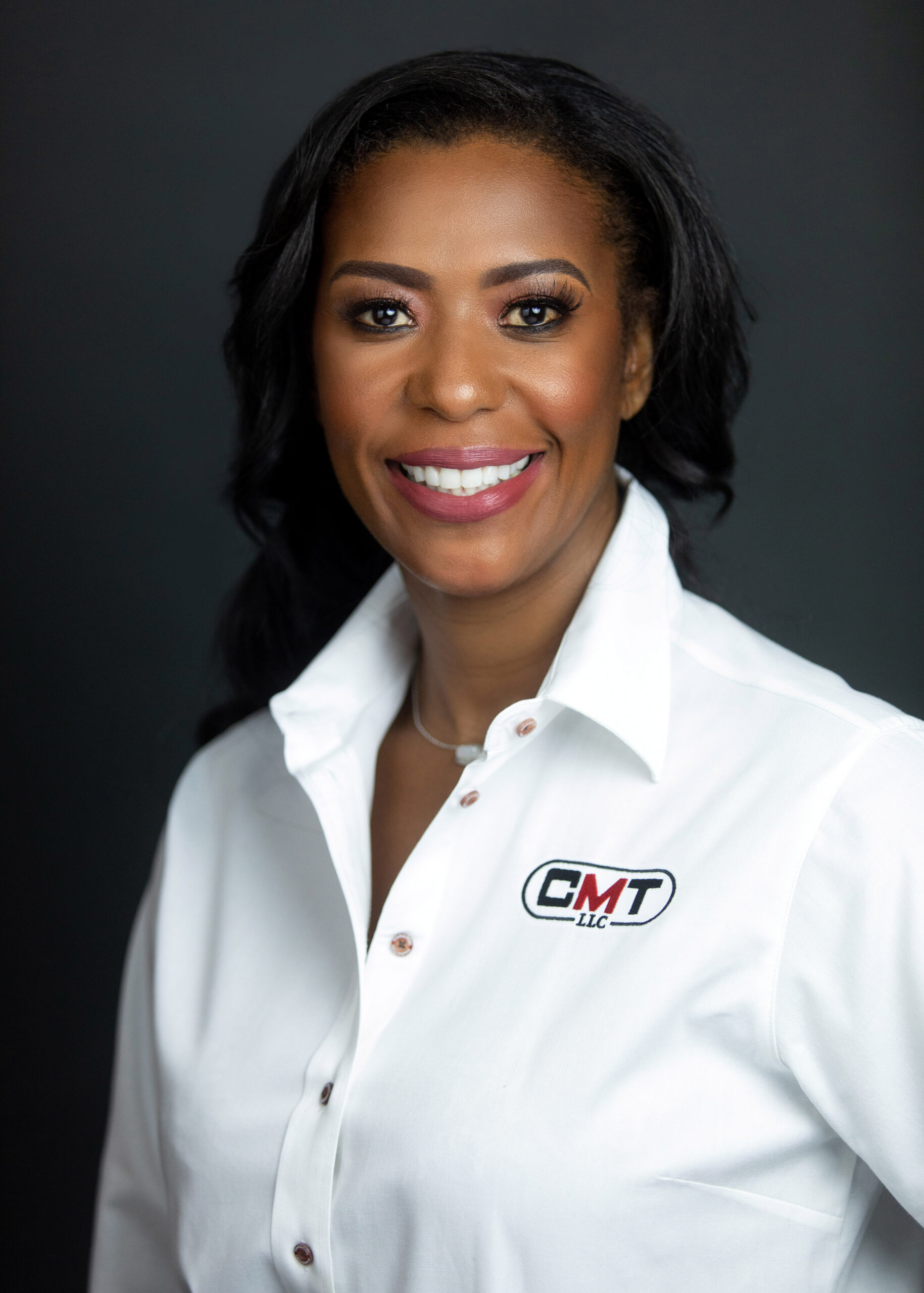
Born, raised and educated in St. Louis, Cory Elliott has always been dedicated to serving her beloved community with excellence and creating opportunities for others. After completing her undergraduate and graduate education, she embarked on a career in healthcare, working as a hospital administrator. Her team supported the facilities and construction departments, an experience that unexpectedly ignited her passion for entrepreneurship. “I started to love construction as much as healthcare—if not more,” Cory reflects, highlighting a pivotal moment that would change her career trajectory.

In 2012, fueled by her newfound enthusiasm, Cory founded CMT LLC. What began as a roofing company quickly evolved into a multifaceted enterprise that encompasses demolition, abatement, fencing, final cleaning and landscaping. Recognizing the growing demand for renewable energy, CMT expanded its services in 2021 to include solar energy solutions, successfully completing its first solar project and actively pursuing additional opportunities with local and state entities.

Cory Elliott

Partnering with SLCCU: Driving Growth and Generational Wealth

As CMT LLC grew, so did Cory’s ambition to enhance her business further. Seeking to restructure high-interest debt and acquire more working capital, she connected with St Louis Community Credit Union (SLCCU) through her contact and SLCCU partner Kevin Wilson at the local Small Business Empowerment Center. “The debt was impacting my ability to grow my company and acquire equipment and team members,” Cory explains. “It was really stifling my growth.”

With the support of LaTonya Jackson, SLCCU’s AVP of Business Services, Cory shared the history of CMT and outlined her vision for its future. Together, they devised a comprehensive plan that included a loan tailored to meet Cory’s specific needs. “I’m happy to say that we’re saving more than a million dollars over the life of the loan,” Cory beams. “This has allowed us to really catch up on things. Now we’re able to build the infrastructure for the general contracting company, which has been crucial for our growth and success.”

This significant cost savings is more than just a financial win for Cory; it’s personal. With four children involved in her burgeoning business, the reduction of high-interest debt has enabled her to focus on building a company that fosters generational wealth—not only for her family but also for other small Minority Business Enterprises (MBE) and Women-Owned Business Enterprises (WBE) like hers. “Creating a sustainable legacy is a priority for me,” Cory shares.

Cory’s experience with SLCCU exemplifies their commitment to providing safe and affordable access to capital tailored to the unique challenges faced by small business owners. “Our relationship has meant a great deal not only to us but also to the communities you serve,” Cory emphasizes. She recalls her attempts to purchase a building on Kingshighway/Chippewa in July 2021, where despite demonstrating solid debt coverage, 12 financial institutions turned her down. “The owner of the building initially financed the space for me. Fast forward to our restructure with SLCCU, and I was able to buy the building back from him with the financing I received.”

Cory continues, “I choose to partner with St. Louis Community Credit Union because of their unwavering commitment to supporting local businesses and their understanding of the unique challenges we face as women business owners, small business owners and Black business owners. They don’t just serve as a financial institution; they partner with us to foster our growth. It’s a refreshing approach.”

Cory’s personal journey inspires her to encourage other entrepreneurs to explore SLCCU for their unique financial needs. “SLCCU is a smart choice if you’re looking for a reliable, supportive business institution,” she advises. “Their dedication to helping businesses thrive, combined with their comprehensive services, makes them an invaluable partner.”

SLCCU is dedicated to inclusive finance, believing that when everyone in the community has an equal opportunity to succeed, all win. SLCCU is an Impact Cash® partner. 

Learn More:

  • St. Louis Community Credit Union champions local businesses and communities, providing tailored financial solutions that drive growth and create lasting impact.
  • CNote is a women-led investment platform that empowers individuals and institutions to invest locally to further economic equality, racial justice, gender equity, and address climate change.
By Migration V2, Uncategorized

Meet Carver Federal Savings Bank, The Harlem-Headquartered CDFI Offering Tailored Small Business Lending

Lloyd Doaman has dedicated his life to community development. He began his career in finance at JPMorgan Investment Management  before pivoting to community development financial institutions (CDFIs), where he helped to provide access to capital and technical assistance to small businesses, nonprofits, and credit unions. Over three years ago, Lloyd had the opportunity to join Carver Community Development Corporation, a wholly owned subsidiary of Carver Federal Savings Bank, as its President and Executive Director. In his role, Lloyd is responsible for everything from the microloan and grant programs to financial literacy and community outreach. According to Lloyd, his previous experience working for CDFIs helped to shape the leader he’s become at Carver. “I feel that community development is my purpose in life,” Lloyd said, “and I’m fortunate  that community development also represents my profession.”

Even before Lloyd joined Carver, he was attracted to the bank’s rich history. Carver Federal Savings Bank was founded in 1948 by a group of civic-minded community leaders to serve African American communities whose residents, businesses, and institutions had limited access to mainstream financial services. Over the past 76 years, Carver Bank has been providing New Yorkers with access to capital and competitively priced banking solutions to help its members  build wealth across generations. Today, Carver Bank is both a publicly traded organization (NASDAQ:CARV) and one of the largest African American operated banks in the United States. “Carver stands for economic empowerment,” Lloyd said. “When I joined, I knew that it had a strong history in the community, and I knew that the bank was doing work to shrink the wealth gap that exists in our communities. I really wanted to be a part of that.”

Faculty of DREAM, a Charter School in Harlem that received supportive funding from Carver FCU

Because of its community-focused banking services, dedication to the economic viability and revitalization of underserved neighborhoods, and its emphasis on supporting Minority and Women-owned Business Enterprises (MWBEs) and consumers, Carver Bank is both an FDIC-recognized Minority Depository Institution (MDI) and a U.S. Treasury Department-designated CDFI. Carver is headquartered in Harlem, and it has seven full-service branches, each of which is located in a low- to moderate-income neighborhood across New York City’s five boroughs. In addition to these branch locations, Carver offers online banking services in nine states and Washington D.C.. Additionally, it partners with Allpoint, J.P. Morgan Chase, and Wells Fargo to create a nationwide network of 84,000 surcharge-free ATMs for its members.

As a certified CDFI, Carver Bank is required to reinvest at least 60 cents of every dollar back into its community. In practice, however, the bank reinvests approximately 80 cents of every dollar back into its communities, helping to support small business growth, job creation, and economic development. It’s able to do that, in part, because of the grants, resources, and impact dollars made available through its long list of community partnerships. For example, Carver Bank has partnered with Operation HOPE to support financial literacy training, M&T Bank to  create a multicultural small business lab, and The Greater Harlem Chamber of Commerce to empower women entrepreneurs working on energy efficiency projects. The bank has also partnered with the Greater Jamaica Development Corporation and The Harlem Business Alliance.

 Additionally, in 2022, Carver Bank became a CNote Impact Cash® partner. CNote invests Impact Cash® dollars in mission-driven and FDIC- and NCUA-insured CDFI partners like Carver Bank, generating returns on institutional investors’ cash allocations while supporting financially underserved communities across the country.

When It Comes To Small Business Lending, One Size Does Not Fit All

A cornerstone to Carver Bank’s work is its business and commercial lending programs. Carver Bank offers an array of products and customized solutions that it can tailor to individual small business owners’ needs. For example, just last month, a contractor that Lloyd has known for years reached out to inquire about a $200,000 line of credit so that he could mobilize a contract with one of New York City’s agencies. Although the amount exceeded Carver’s microloan program limit of $50,000, Lloyd directed him to Carver’s contractor financing program, which the CDFI offers in partnership with the Empire State Development Corporation as one of its many public-private partnerships that it participates in to help meet the specific needs of small business owners. Ultimately, the contractor qualified for the loan and therefore had the flexibility to finalize and finish the contract requirements.

Lloyd is used to helping point clients in the right direction, even if that sometimes means sending people away from Carver Bank. According to Lloyd, if Carver doesn’t have the specific product that a client needs, he and his team are quick to make a warm referral. They’ll even go as far as communicating with other partner organizations and streamlining the process so that the client isn’t left waiting or having to start the lending process from the very beginning somewhere else. “If we can help the client at Carver, we’ll do that,” Lloyd said, “but I can’t tell you how many times I’ve had clients come back to me thanking me for referring them to one of our partner organizations. It’s really about the relationship,  providing support, and being a trusted member of their team. The most important thing is to make sure that they get the help they need.”


Building Intergenerational Wealth And Intergenerational Trust

Trust is at the core of Carver Bank’s work in its community. Earlier this year, Lloyd participated on a panel where he met a photographer who said “I’ve known about Carver all my life.” According to Lloyd, when the photographer’s parents arrived in New York City from their native Trinidad, Carver Bank was the only financial institution that was willing to establish a relationship with them. Eventually, Carver Bank helped the photographer’s parents to purchase a home: an important first step to building intergenerational wealth. Today, the family owns 15 properties. Although Lloyd said it’s hard to measure that kind of impact from an economic standpoint, it’s stories like the photographer’s that demonstrate the trust that communities of color have in Carver Bank.

Unsurprisingly, Lloyd thinks about what Carver Bank can do with that trust in the future. Not only is their growing interest in CDFIs and MDIs, especially within the FinTech sector, but Carver is uniquely plugged into one of the most dynamic markets in the country: Greater New York. To help continue to meet the needs of its communities, Carver Bank wants to continue to scale its products, services, and small business support. Lloyd and his team also want to reimagine their branches. Specifically, Carver Bank envisions its branches one day becoming community hubs, or anchors, where clients can access traditional banking services, but also other community resources, events, and workshops.

“I feel like we’re at a really important time in history,” Lloyd said. “Our communities have continued to change, but we’ve continued to evolve. We always make sure that we have our finger on the pulse of what’s going on, leaning into what these issues are, and then coming up with some innovative solutions  so that we can continue to deliver the services that we’ve been offering for the past 76 years. It’s an exciting time to be at Carver Bank.”

Learn More:

  • Carver Federal Savings Bank has been a cornerstone of economic empowerment for over 76 years, offering innovative financial solutions and fostering intergenerational wealth and trust in underserved communities across New York City.
  • CNote is a women-led investment platform that empowers individuals and institutions to invest locally to further economic equality, racial justice, gender equity, and address climate change.
CNote | Blog Banner Navigating Impact Priorities in 2025 A Guide for Private Companies Under the Incoming Administration
By CNote, Impact Investing

Navigating Impact Priorities in 2025: A Guide for Private Companies Under the Incoming Administration

CNote | Blog Banner Navigating Impact Priorities in 2025 A Guide for Private Companies Under the Incoming AdministrationAs we step into 2025 with a new administration shaping the country’s priorities, private companies must adapt to an evolving landscape of regulations and societal expectations. Impact priorities—from environmental sustainability to economic equity—remain critical, but the strategies to achieve them must align with new policies and frameworks. For companies committed to creating positive change, the challenge lies in staying true to their values while navigating this shifting environment.

Staying True to Company Values Amid Change

While regulatory shifts can influence the execution of impact strategies, they don’t have to redefine your company’s core values. Instead, they present an opportunity to reaffirm and refine your mission. Leaders should:

  • Reassess Core Objectives: Regularly revisit your company’s mission and ensure it aligns with evolving impact goals. This reflection can help determine whether existing initiatives effectively support your long-term vision.
  • Engage Stakeholders: Involve employees, investors, and community partners in conversations about impact priorities. Diverse perspectives can uncover new opportunities and ensure alignment with stakeholders’ values.
  • Communicate Commitment: Clearly articulate how your company’s actions reflect its values, even as strategies evolve. Transparent communication fosters trust with customers, partners, and employees.

Understanding the Regulatory Landscape

The incoming administration’s policies will shape the regulatory environment for impact investing and corporate responsibility. Key areas to monitor include:

  • Climate and Environmental Regulations: Anticipated shifts in environmental standards could influence sustainability goals, particularly for industries with significant carbon footprints. Companies may need to reassess their energy usage, supply chain practices, and emissions reduction plans.
  • Diversity, Equity, and Inclusion (DEI) Mandates: With growing emphasis on supporting underrepresented communities, new regulations could encourage or require companies to prioritize DEI initiatives. Businesses might need to expand efforts to engage minority-owned suppliers or invest in underserved areas.
  • Tax Incentives and Impact Reporting: Updates to tax policies may introduce new incentives for impact-driven initiatives, such as renewable energy investments or workforce development programs. Additionally, increased reporting requirements could push companies to enhance transparency around their social and environmental impact.

Investing in What Matters Most

Private companies are uniquely positioned to invest in areas that align closely with their values. These investments not only advance impact goals but also drive long-term business success. Consider these strategies:

  • Focus on Local Communities: Channel resources into projects that directly benefit the regions where your employees live and work. Whether through small business lending, affordable housing, or community development, localized impact creates tangible results and strengthens your company’s connection to its stakeholders.
  • Support Mission-Aligned Partnerships: Collaborate with organizations that share your vision for social and environmental progress. For example, CNote connects companies with mission-driven financial institutions, enabling investments in underserved communities while delivering steady financial returns.
  • Measure and Report Impact: Establish clear metrics to evaluate the effectiveness of your investments. Demonstrating measurable progress toward your impact goals reinforces accountability and showcases the value of your initiatives.

Looking Ahead

As priorities shift under the incoming administration, private companies have an opportunity to lead by example. By staying true to their values, navigating regulatory changes, and investing in meaningful initiatives, businesses can drive both impact and innovation in 2025 and beyond. The key lies in agility and commitment—adapting strategies while remaining steadfast in the pursuit of positive change.

At CNote, we believe in empowering companies to align their financial strategies with their values. Whether through cash management solutions or impact investing, our platform provides the tools and partnerships needed to navigate this new era with confidence. Let’s work together to turn challenges into opportunities for growth and impact.


CNote | Why 2025 Is the Year for Impact Investing
By CNote, Impact Investing, Migration V2

Why 2025 Is the Year for Impact Investing

CNote | Why 2025 Is the Year for Impact Investing

As the world faces unprecedented challenges—from climate change to economic inequality—2025 presents a pivotal moment for investors to redefine the future through impact investing. More than a buzzword, impact investing is growing rapidly, offering individuals, foundations, and corporations alike the opportunity to align their financial goals with their values while making a tangible difference in communities and the planet.

Why Impact Investing Is Gaining Traction

2025 marks a critical juncture as global challenges push investors to consider the impact of their financial decisions. The growing popularity of impact investing reflects broader shifts in priorities, driven by factors such as the increasing urgency of climate change, heightened social consciousness, and a wealth transfer to younger, socially-minded generations. According to the Global Impact Investing Network (GIIN), the global impact investing market has experienced significant growth, with assets under management (AUM) increasing from $715 billion in 2020 to $1.571 trillion in 2024, representing a compound annual growth rate (CAGR) of 21% over that period (source: GIIN). This growth underscores the accelerating momentum behind impact investing as a powerful tool for addressing today’s most pressing issues.

The Mechanics of Impact Investing

At its core, impact investing involves directing capital toward projects and organizations that deliver measurable social or environmental benefits alongside financial returns. From renewable energy and affordable housing to women’s entrepreneurship and small business growth, this approach empowers investors to support initiatives aligned with their values. The Flagship Fund* and Wisdom Fund* by CNote provide actionable pathways to achieve this dual objective of potential financial growth and meaningful change. All investments involve a risk of losing money when you invest. Investors should consult financial, legal, and tax advisors before making decisions. 

  • The Flagship Fund*: This fund channels investments into mission-driven financial institutions, which fuel affordable housing, small business expansion, and economic development in underserved areas. By investing in the Flagship Fund, impact investors support local economic growth.
  • The Wisdom Fund*: Focused on economic equity, the Wisdom Fund delivers essential capital to BIPOC women-owned small businesses that often face systemic funding barriers. This initiative exemplifies the transformative potential of impact investing, breaking down barriers to foster economic inclusion and opportunity.

The Financial Case for Impact Investing

Impact investing is no longer a trade-off between doing good and earning returns. Numerous studies demonstrate that investments aligned with positive social and environmental outcomes can deliver competitive returns. For instance, a report by the Global Impact Investing Network (GIIN) provides a comprehensive review of research on the financial performance of impact investments, indicating that investors targeting market-rate returns can achieve them, depending on fund manager selection (source: GIIN). Additionally, a study by the Wharton School evaluated the financial performance of 53 impact investing private equity funds and found that certain market segments yielded returns close to those of public market indices (source: Wharton News). These findings suggest that aligning investments with social and environmental goals does not necessitate sacrificing financial performance.

By diversifying into funds like CNote’s offerings, investors have the potential to achieve long-term financial goals while addressing critical societal needs.

The Power of Investor Action

Investors hold immense power to drive change. By investing in causes that investors believe in, each dollar becomes part of a larger movement to create jobs, reduce economic disparities, and promote sustainability. By choosing impact-driven strategies, investors actively participate in shaping a more equitable and resilient future. Examples like the Flagship Fund and Wisdom Fund demonstrate how capital can create tangible, positive outcomes in communities nationwide.

2025: A Pivotal Year for Impact Investing

The convergence of heightened global challenges, evolving regulations, and growing investor demand makes 2025 a defining year for impact investing. As more individuals and institutions prioritize values-driven investments, the impact investing movement is poised to redefine traditional finance.

Discover how CNote’s Flagship Fund and Wisdom Fund can help align your investments with your values.

* Disclosures: Returns are not guaranteed and investing involves risk. CNote Group, Inc. (“CNote”) is not a bank, a credit union, or any other type of financial institution. CNote is not a registered investment advisor with the Securities and Exchange Commission (SEC) or a broker-dealer authorized by the Financial Industry Regulatory Authority (FINRA). CNote is not a legal, financial, accounting or tax advisor. CNote offers unregistered securities consisting of various promissory notes (“Notes”) to eligible investors pursuant to Regulation A and Regulation D under the Securities Act of 1933, as amended. For more information on risks related to investing in our Flagship Fund Notes, for unaccredited investors please see our latest Flagship Fund Offering Circular as filed with and qualified by the SEC. For accredited investors please see our latest Flagship Fund Private Placement Memorandum and Wisdom Fund Private Placement Memorandum. Neither the SEC nor any state securities regulator has passed upon or endorsed the merits of any investment in CNote’s offerings. Investments in our Notes are not bank deposits and are not insured by the Federal Deposit Insurance Corporation (FDIC), the National Credit Union Administration (NCUA), or any other governmental agency. Investing in our Notes involves risk of loss, including the principal invested. We encourage you to consult with a financial adviser or investment professional to determine whether or not the CNote platform makes sense for you. Information provided herein is for educational purposes only and is not tailored for any individual investor or client. It should not be relied upon as financial or investment advice. Any projected returns are illustrative, based on interest rates offered currently or in the past, which may be subject to change, and may not reflect the ultimate rate of return for any particular investor or client. Past performance is no guarantee of future results, and future returns may vary.