Monthly Archives

December 2024

By CNote, Community Partners, Low Income Designated Credit Union, Migration V2

Where Are They Now? A Check In with Cortaiga Collins

Cortaiga Collins: Redefining Community Impact

When we first introduced Cortaiga Collins in 2021, she was on the verge of a major milestone: opening the doors to a new, state-of-the-art facility for her thriving childcare business, Good Shepherd Preschool and Infant/Toddler Center. At the time, her story captivated readers as she shared her journey from being a single mom in search of quality childcare to becoming a visionary community leader dedicated to uplifting families in St. Louis.

Two years later, we’re catching up with Cortaiga to see how her work—and her bold vision—have continued to flourish. Spoiler: She hasn’t just met her goals; she’s exceeded them, building on her mission to create lasting change for her community.
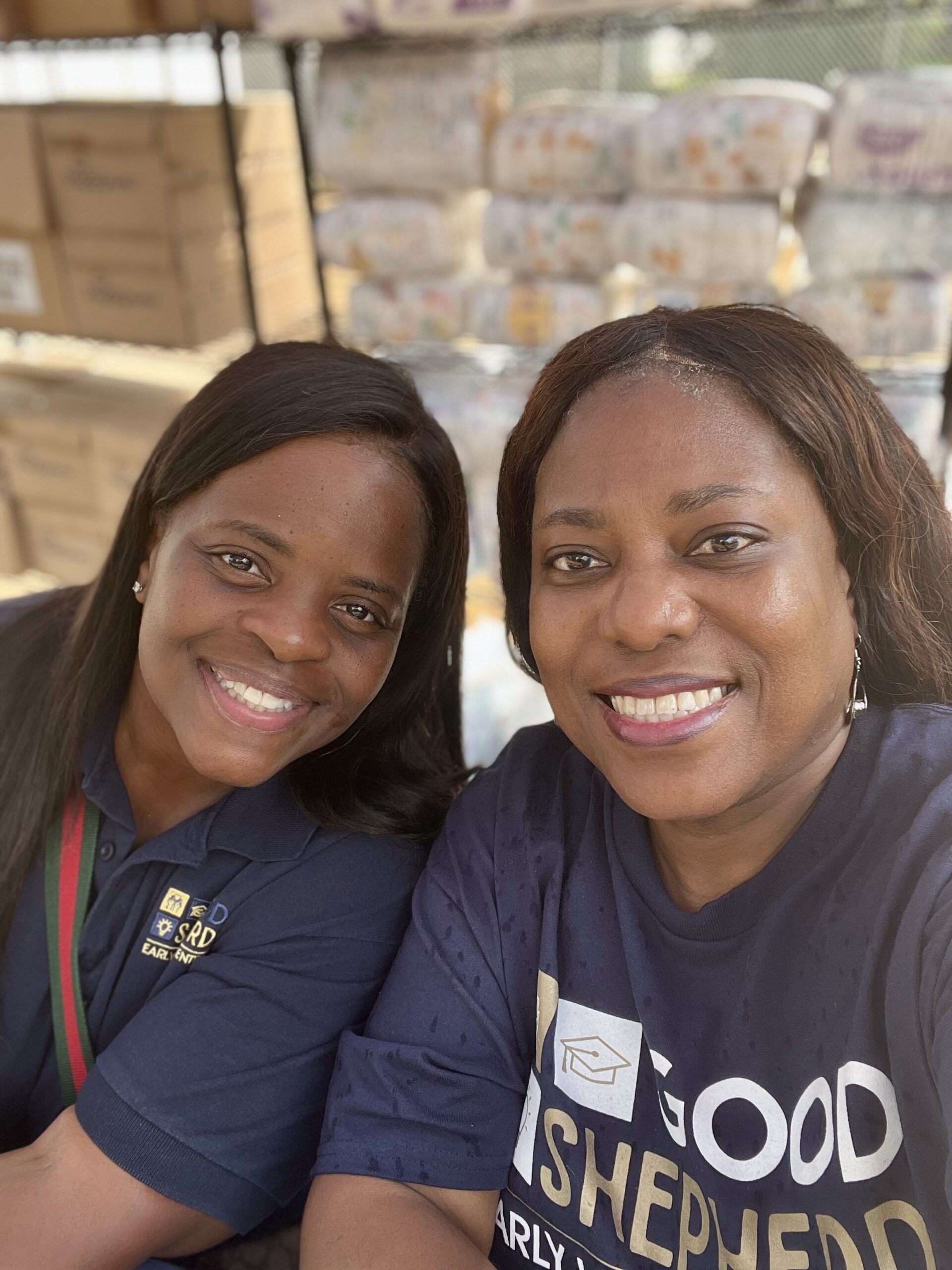
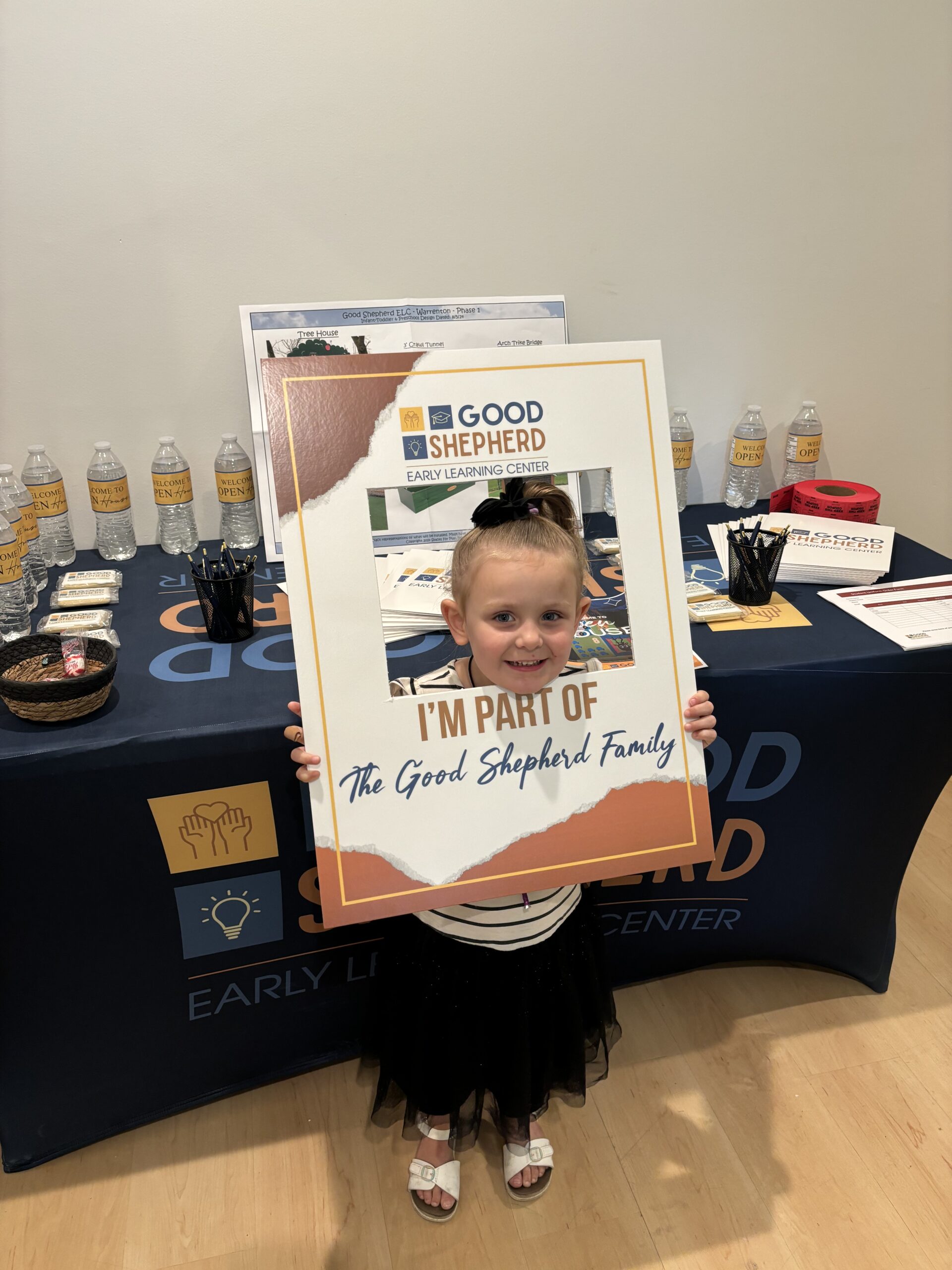
Cortaiga Collins, left, and her teammate from Good Shepherd Preschool

From Single Mom to Community Leader and Resilient Entrepreneur

Cortaiga Collins would be the first to tell you that she started her entrepreneurial journey as “a mom who wanted to find a safe place for her kids.” Over the last two decades, Cortaiga has transformed from a determined single mother into a community leader, shaping early childhood education and support systems for families across Missouri. Today, she stands at the helm of Good Shepherd Preschool and Infant/Toddler Center and her nonprofit, Foundation for Strengthening Families, driving innovative programs and partnerships that address the root causes of generational poverty.

Despite her tremendous success, Cortaiga remains humble, often brushing off praise for her achievements. “I’m just a mom who had a baby,” she shared in a recent conversation. “But I’ve stopped minimizing my work. I’ve realized, you know what? I am doing great things.”

Expanded Horizons

Since 2021, Good Shepherd Preschool has grown into a vibrant hub of learning and care. The new facility, which opened in July 2022, expanded its capacity from 32 to 97 children across seven classrooms. Every classroom is full, with families eager to enroll their children. “We’ve had to turn people away—not because there isn’t need, but because of staffing limits,” Cortaiga shared. The center has grown its staff to 18 and continues to focus on providing not just education but holistic support for children and their families.

Good Shepherd’s programming now includes a literacy lab, a space stocked with over 1,000 culturally relevant books written by Black authors. The lab helps foster a love of reading while celebrating African American experiences and art. The center also partners with therapists to provide social-emotional and mental health support for children facing behavioral challenges.
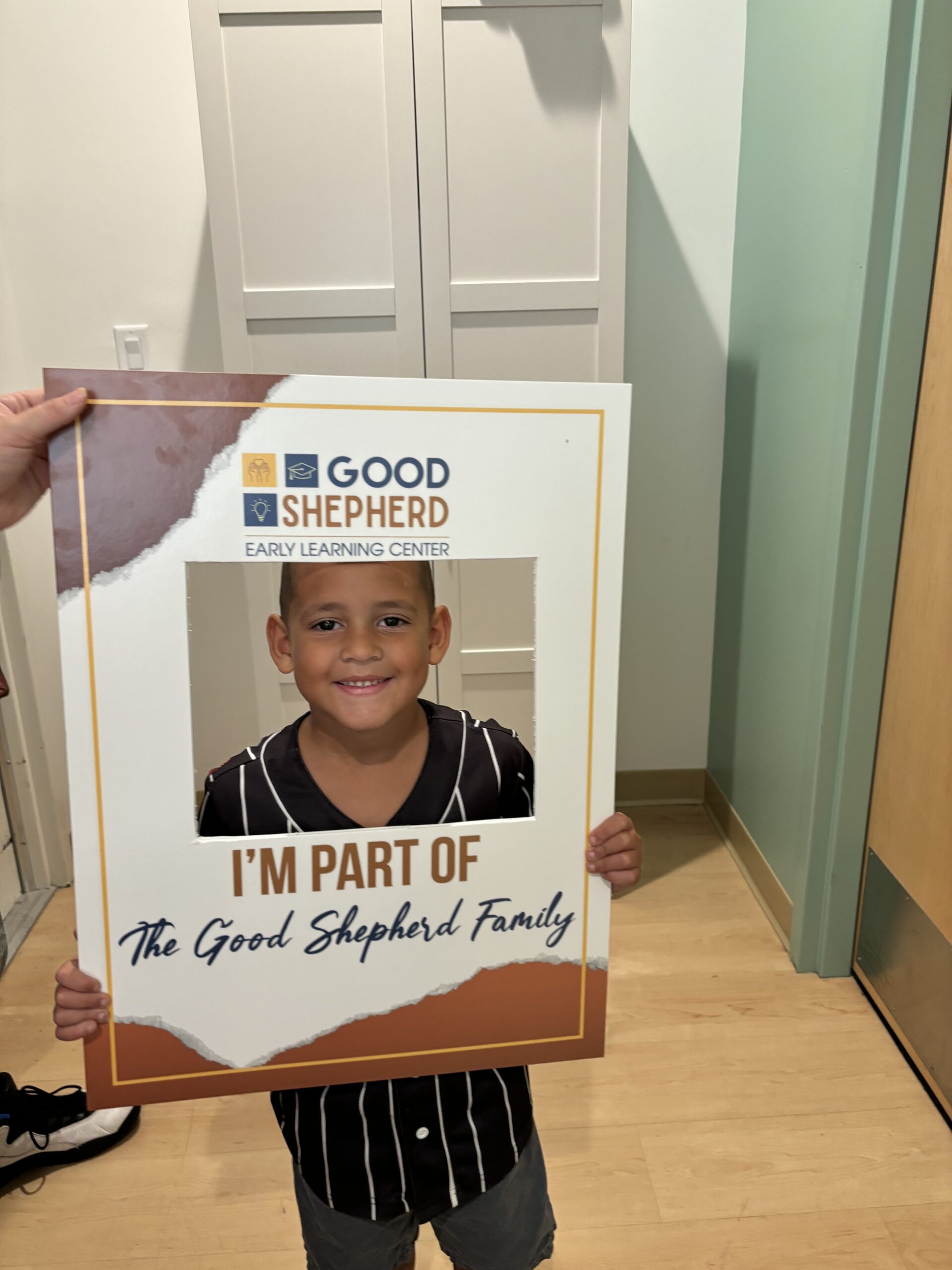
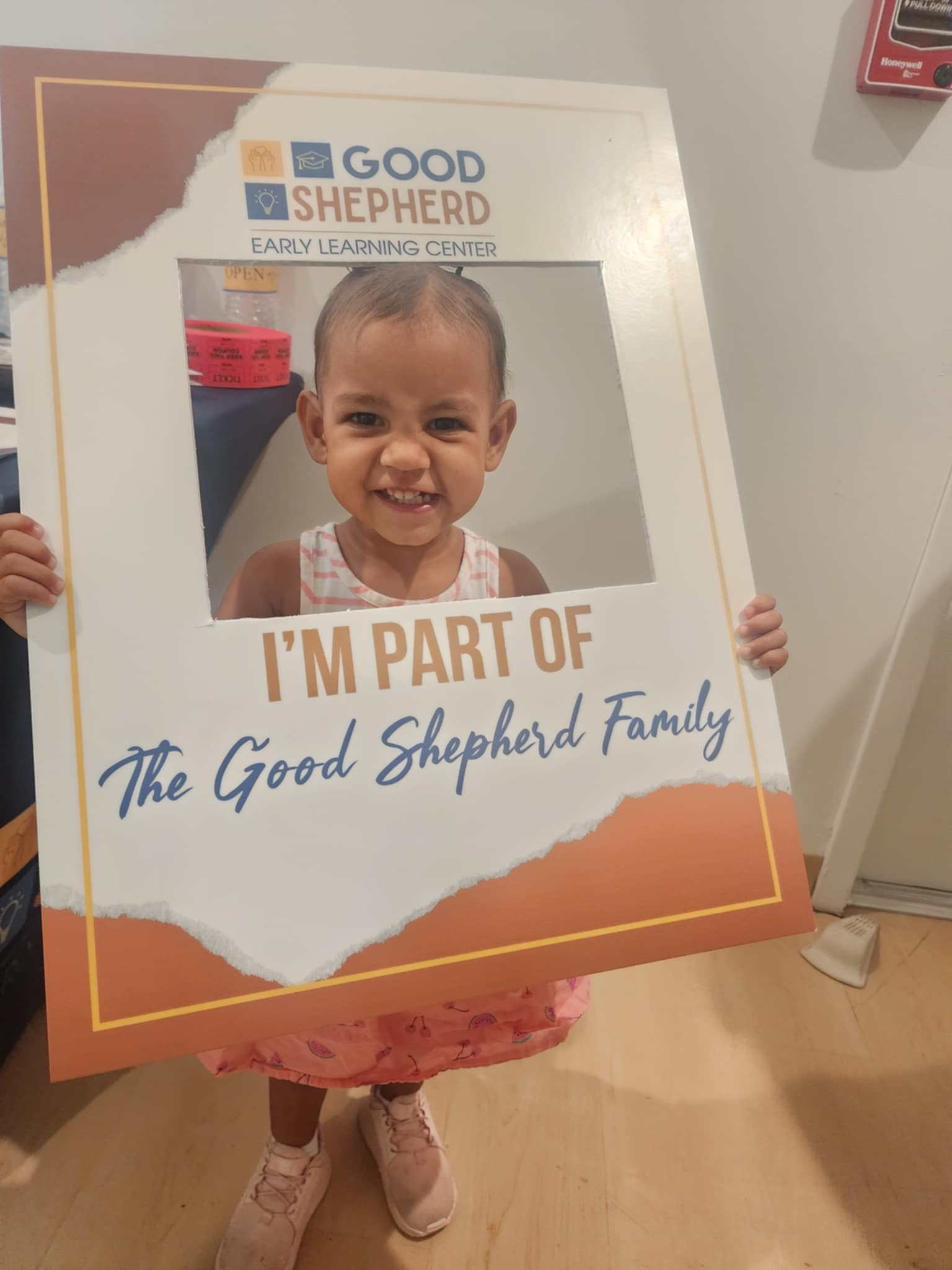
In parallel, Cortaiga has expanded the scope of her nonprofit, Foundation for Strengthening Families. The Show Me Family Zone, modeled after the Harlem Children’s Zone, is a cornerstone of her vision to provide multi-generational support services to Missouri, the “Show Me” state. This includes an upcoming initiative to create the Good Shepherd Academy for Boys, the nation’s first all-male preschool for Black boys. Scheduled to open in 2025, the academy will provide tuition-free education, focusing on academic preparation, social-emotional development, and cultural pride.

“We want these boys to walk into kindergarten not just ready to learn but proud of who they are and confident in their abilities,” Cortaiga explained. “When children start school prepared and supported, it changes their trajectory—and that of their communities.”

The nonprofit has also launched programs addressing Black maternal health disparities, offering resources like access to doulas, lactation specialists, and mental health professionals. “We’re working to improve health outcomes for both mothers and babies, because healthy families are the foundation of strong communities,” she said.
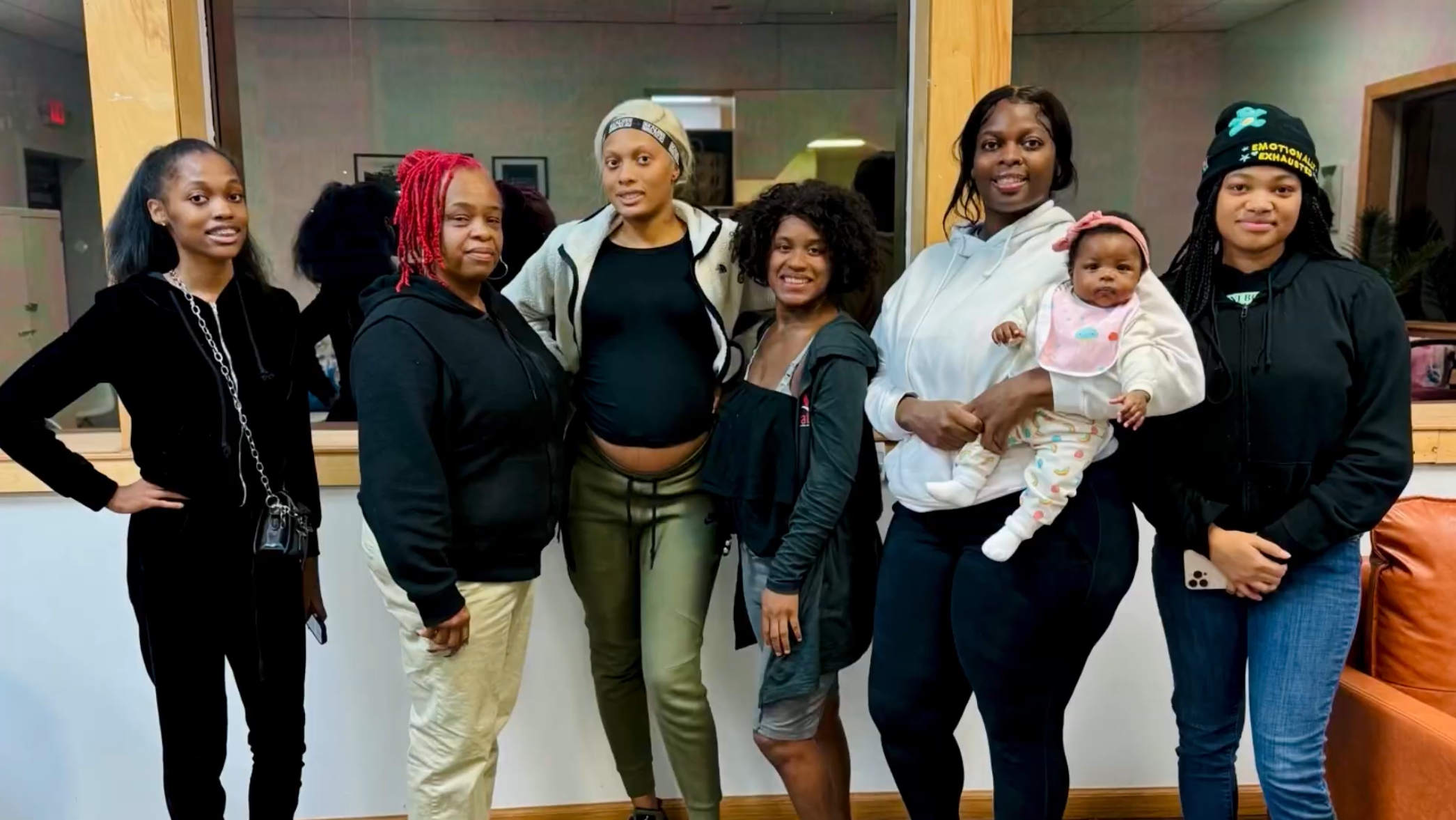
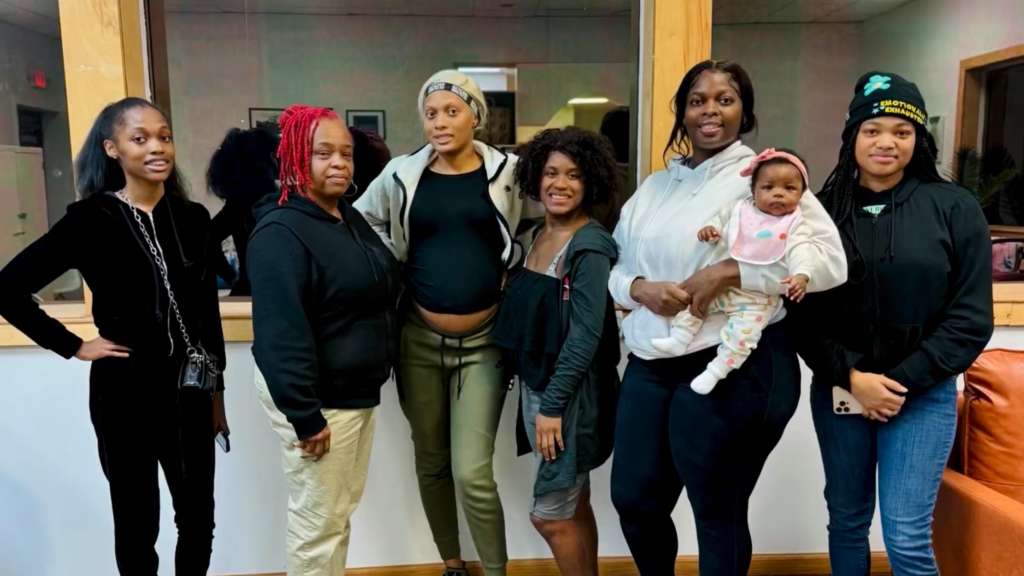
Mothers participating in maternity workshops offered by the Foundation for Strengthening Families


Cortaiga with Participants

In addition to her work in St. Louis, Cortaiga has extended her reach to Warrenton, Missouri, where her nonprofit opened a rural childcare center to meet the needs of low-income and foster families. “Families in Warrenton were driving over 20 miles to access childcare,” she explained. By renovating a local building, the center now provides high-quality care close to home, addressing a critical gap in the community.

Partnering for Sustainable Community Development

Cortaiga’s story is also one of collaboration. Since 2008, she has partnered with Justine PETERSEN (JP), a Community Development Financial Institution (CDFI) that provides critical financial and operational support to entrepreneurs in underserved communities. Justine PETERSEN is a CDFI included in CNote’s fixed income portfolio.

“Justine PETERSEN has been instrumental in helping us during tough times,” Cortaiga said. From providing startup loans to funding for food programs during the pandemic, JP has been a steady source of support. In 2024, when a statewide payment delay left childcare providers without subsidies for three months, JP offered working capital that allowed Good Shepherd to stay afloat.

“Our relationship has grown alongside Cortaiga’s business,” Aida Richardson, Chief Lending Officer at JP shared. “When she first came to us, she had personal credit challenges. Over the years, she’s worked hard to improve her credit and expand her business. Today, she’s secured traditional bank financing for her expansions—a testament to her dedication and vision.”

A Lasting Legacy

At the heart of everything Cortaiga does is a desire to create something enduring—a community ecosystem that uplifts families and empowers others to carry the work forward. “I don’t want to be the centerpiece,” she shared. “I want to build something that lasts, something that will continue to empower families and children long after I step away.”

Through partnerships with life coaches, social workers, and educators, Cortaiga ensures her staff is equipped with skills that extend far beyond the workplace. Her focus on mentorship and professional development is part of her vision for sustainability, laying the groundwork for future leaders to take the reins.
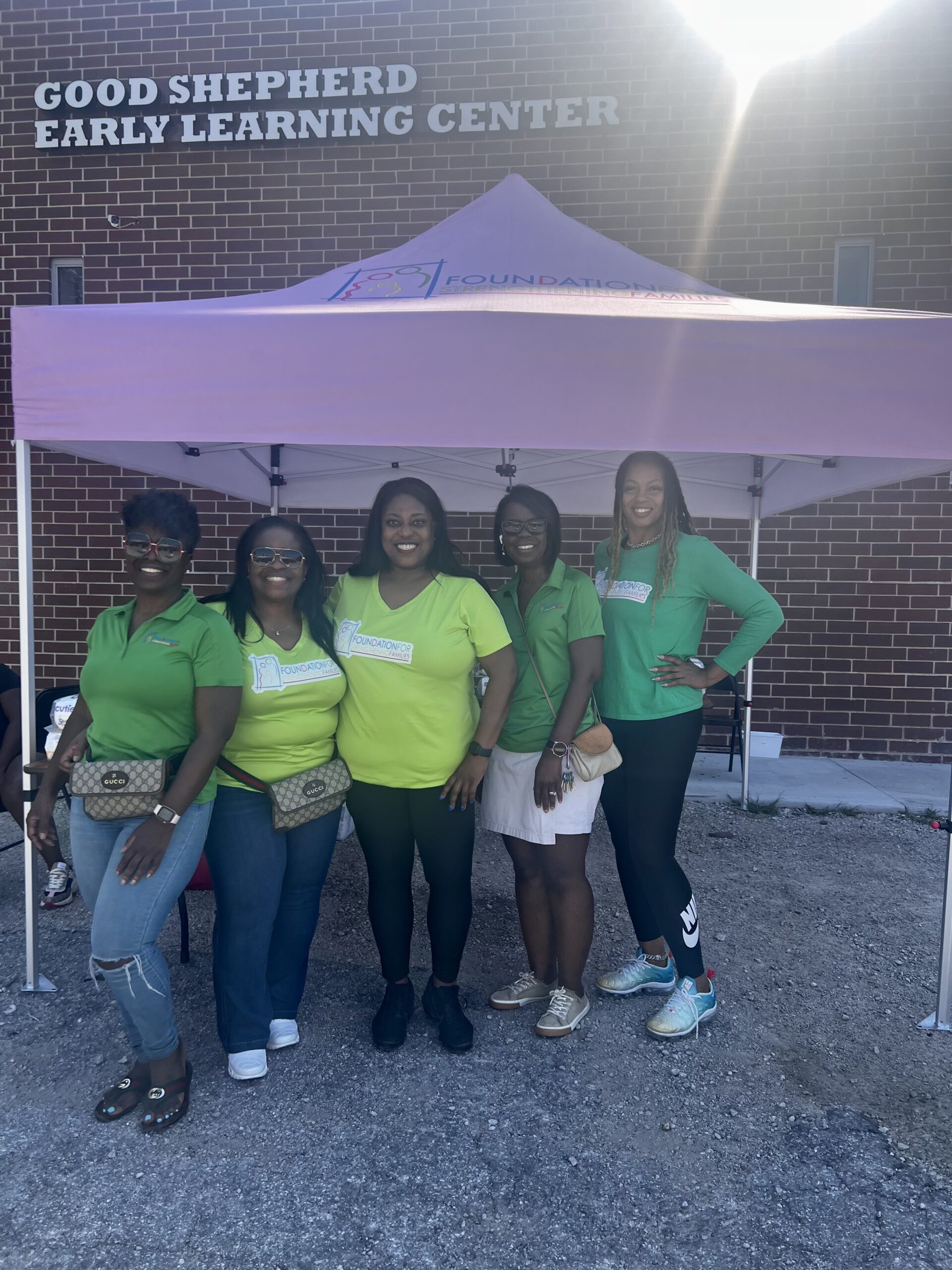
Her next major project, the Good Shepherd Academy for Boys, embodies this forward-thinking approach. “This isn’t just about a preschool,” she explained. “It’s about changing how Black boys are seen and treated, starting from the earliest years. We’re building a model that we hope will inspire and empower communities beyond St. Louis.”

JP echoed Cortaiga’s determination to make an impact. “Cortaiga’s work is proof that meaningful change happens when vision and community come together,” Aida says. “We’re honored to continue supporting her as she brings these new ideas to life.”

As Cortaiga looks toward the future, she remains focused on the long game.

““This work isn’t just for today, it’s for generations to come. We’re laying a foundation that will help families thrive long after we’re gone.””

*CNote Group, Inc. is not a bank, a credit union, or any other type of financial institution. CNote is not a registered investment advisor with the Securities and Exchange Commission (SEC) or a broker-dealer authorized by the Financial Industry Regulatory Authority (FINRA). CNote is not a legal, financial, accounting or tax advisor. CNote does not negotiate interest rates. Impact Cash is not a security or investment. Impact Cash® deposits are insured by the FDIC or NCUA, subject to the terms and conditions of the Impact Cash® agreements. We encourage you to consult with a financial adviser or investment professional to determine whether or not the CNote platform makes sense for you.This information should not be relied upon as research, investment or financial advice. This material is strictly for illustrative, educational, or informational purposes and is subject to change.

By CNote, Community Partners, Low Income Designated Credit Union, Migration V2

Great Lakes Credit Union: Filling a Banking Desert in Chicago’s Austin Neighborhood

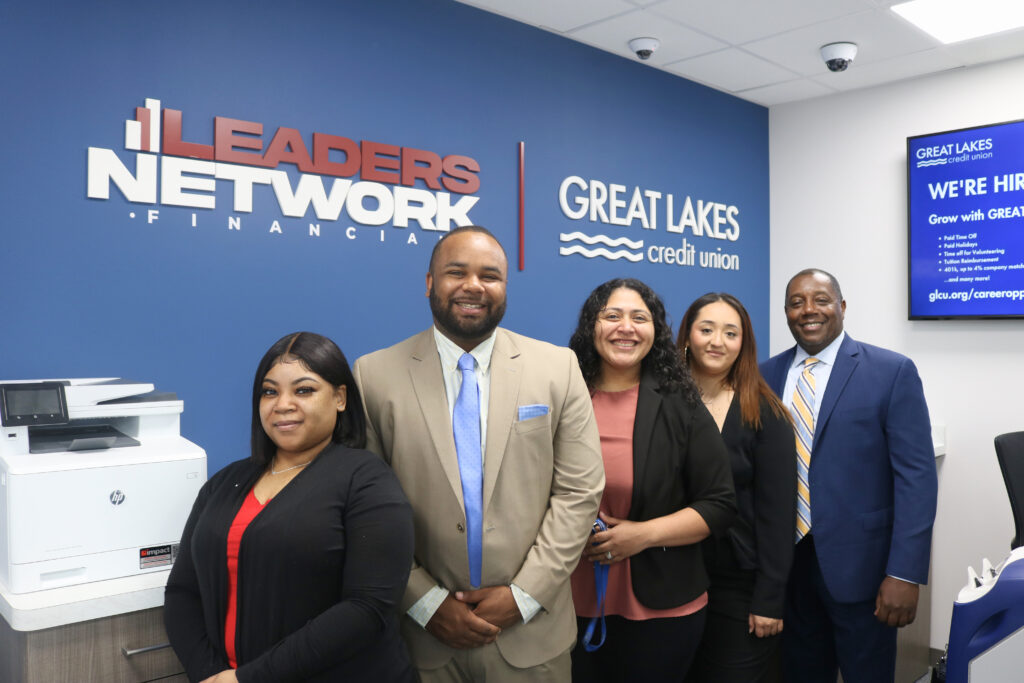
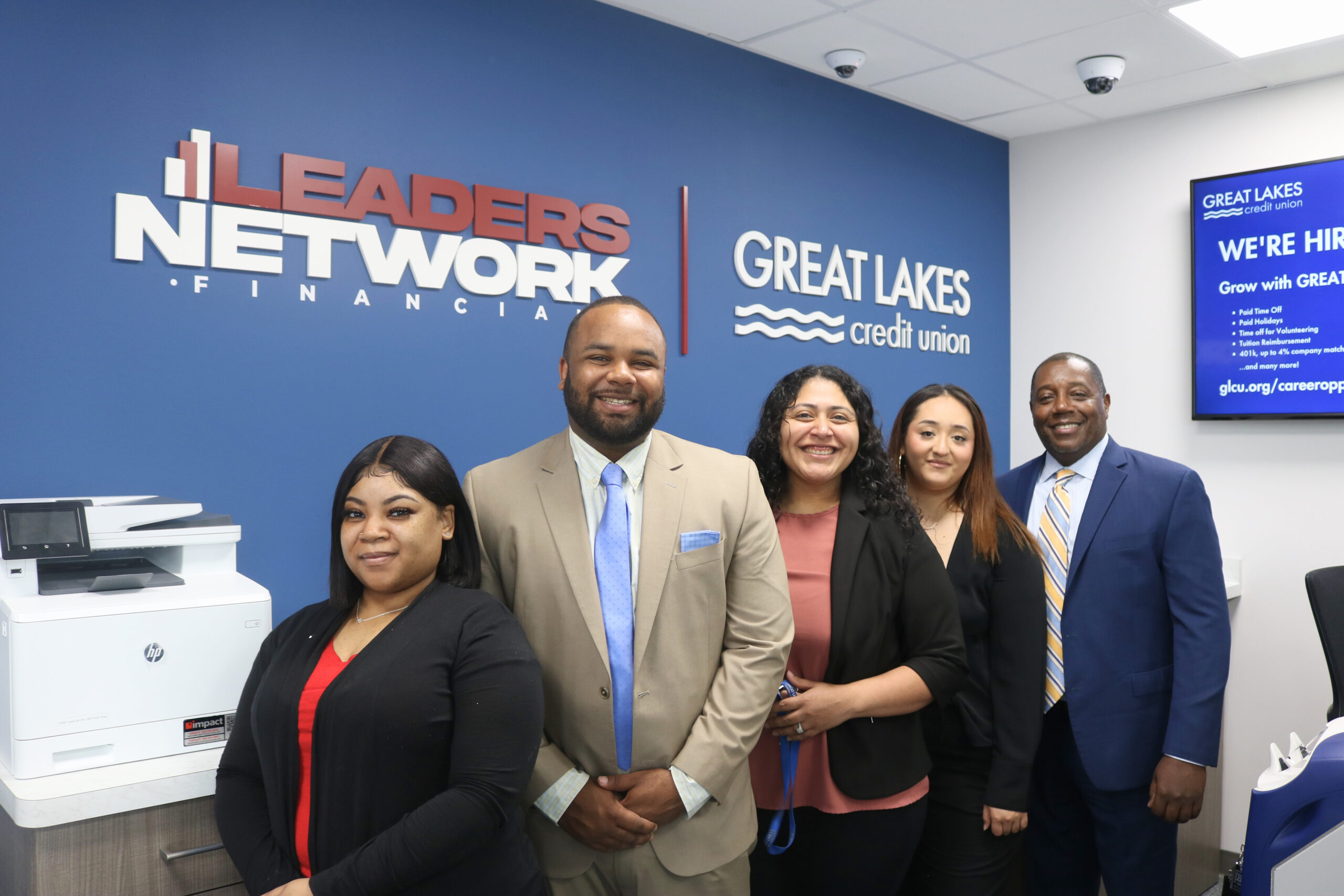
The Austin neighborhood on Chicago’s West Side, home to nearly 100,000 residents, has long been a financial services desert. For decades, its residents were forced to rely on predatory payday lenders or travel outside their community to access basic financial services. This lack of access perpetuated cycles of poverty, leaving residents vulnerable to financial insecurity. In late 2022, two organizations entered into a partnership agreement to bring a credit union to Austin. Recognizing this critical gap, CNote Impact Cash® Partner, Great Lakes Credit Union (GLCU) partnered with The Leaders Network and the Illinois Credit Union League to bring essential banking services to Austin, opening the Leaders Network Financial branch in April 2024.

A Neighborhood in Need

The challenges facing Austin were clear: with a median household income of just $38,407, many residents struggled to build savings, pay for emergency expenses, or access affordable credit. Predatory payday lenders and currency exchanges thrived in the absence of banks, charging exorbitant fees that only deepened financial hardship.

David Cherry, president of The Leaders Network, a group of multicultural, interfaith, and community leaders described the dangerous cycle: “By the time people finish paying off their [payday] loan, they’re so much in debt they’re behind on their light bills, their rent. It’s been an unmitigated disaster.” 

From left to right: Leaders Network Team Members Pastor Cy Fields, Rabbi Max Weiss, Michelle Collins, Pastor Marshall Hatch, Deborah Williams-Thurmond, David Cherry, and Pastor Ira Acree

Credit Unions Bridging the Gap

In 2023, the FDIC reported that 4.2 percent of U.S. households—representing about 5.6 million households—were unbanked. The data revealed that unbanked rates were disproportionately higher among lower-income households, Black, Hispanic, and American Indian or Alaska Native households, single-parent households, and those with irregular income or disabilities. These findings underscore the barriers millions face in accessing essential financial services, barriers that are common in regions without sufficient access to financial services.

Data from the Federal Reserve Bank of Philadelphia underscores the importance of credit unions in addressing some of these challenges. Credit unions, which account for only 21% of banking branches nationwide, have eliminated 36% of banking deserts by opening new locations. 

GLCU exemplifies this credit union commitment. With assets of $1.4 billion and over 81,000 members, the institution stepped forward to partner with The Leaders Network to bring a financial lifeline to Austin. This collaboration reflects shared values of financial empowerment and community development, critical to addressing the systemic inequities that perpetuate financial exclusion.

“We’re going to initiate a new day and a new way of conducting financial transactions on the West Side,” said David Cherry, grateful the collaboration was possible.

Branch Opening: Turning a New Leaf on Financial Freedom

The Leaders Network Financial branch of GLCU opened its doors on April 24, 2024, to provide Austin residents with affordable, equitable financial services. The branch offers innovative products tailored to the community’s needs, such as:

  • Fast Cash Loans, which are affordable loans based on member relationships rather than credit scores.
  • Credit Builder Loans: Tools to help members establish or improve their credit at no cost.
  • Fresh Checking Accounts: Accessible accounts without monthly balance requirements.

In addition to accounts and loans that help members get back on their feet, the credit union offers small business loans, mortgages, home equity lines of credit, interest-bearing checking accounts, share certificates, retirement accounts, savings accounts, and other essential financial services – paving the way for financial and economic empowerment in the Austin community. 

Michelle Collins, a retired banker and Austin native who played a key role in opening the branch, emphasized the transformative potential of financial access. “When you’re investing in your home or becoming an owner, you’re building equity—and that’s wealth building for the community.”

Transforming a Community

The branch has already begun to make a tangible difference. Residents now have a safe place to deposit savings, build credit, and access affordable loans. These small but critical steps represent a significant shift for a neighborhood that once depended on high-risk financial alternatives.

Reggie Little, a business development specialist at the branch, reflected on the progress: “With us lowering the bar to a dollar to open up a savings account [or] CD, just knowing that you have a CD can give someone a sense of pride. Of course, you can grow that CD as time goes by, but we’re helping them take those baby steps.”

Looking Ahead

GLCU’s commitment to Austin demonstrates the power of credit unions to meet the needs of underserved communities, echoing findings from the Philadelphia Fed and FDIC. As financial deserts continue to persist nationwide, credit unions like GLCU are proving essential in reversing the trend and providing equitable financial access.

As David Cherry aptly stated, “Let’s make Austin this shining example of what is possible.”

*CNote Group, Inc. is not a bank, a credit union, or any other type of financial institution. CNote is not a registered investment advisor with the Securities and Exchange Commission (SEC) or a broker-dealer authorized by the Financial Industry Regulatory Authority (FINRA). CNote is not a legal, financial, accounting or tax advisor. CNote does not negotiate interest rates. Impact Cash is not a security or investment. Impact Cash® deposits are insured by the FDIC or NCUA, subject to the terms and conditions of the Impact Cash® agreements. We encourage you to consult with a financial adviser or investment professional to determine whether or not the CNote platform makes sense for you.This information should not be relied upon as research, investment or financial advice. This material is strictly for illustrative, educational, or informational purposes and is subject to change.
By Borrower Stories, CNote, Migration V2, Small Businesses

Meet Brooklyn Packers, The Co-Op Connecting Small Farms To The Big Apple

Steph Wiley has been an entrepreneur almost as long as he’s been a New Yorker—and he’s been a New Yorker his entire life. At first, Steph owned a dog-walking business in lower Manhattan for more than 10 years before starting a community organizing business with his partner. In addition to being an entrepreneur, Steph is also an artist and activist. According to him, in Brooklyn, all of those different circles overlap with each other in some way, and many of his professional connections have come about simply by him being in the community—being in the community and working out of the same building. 

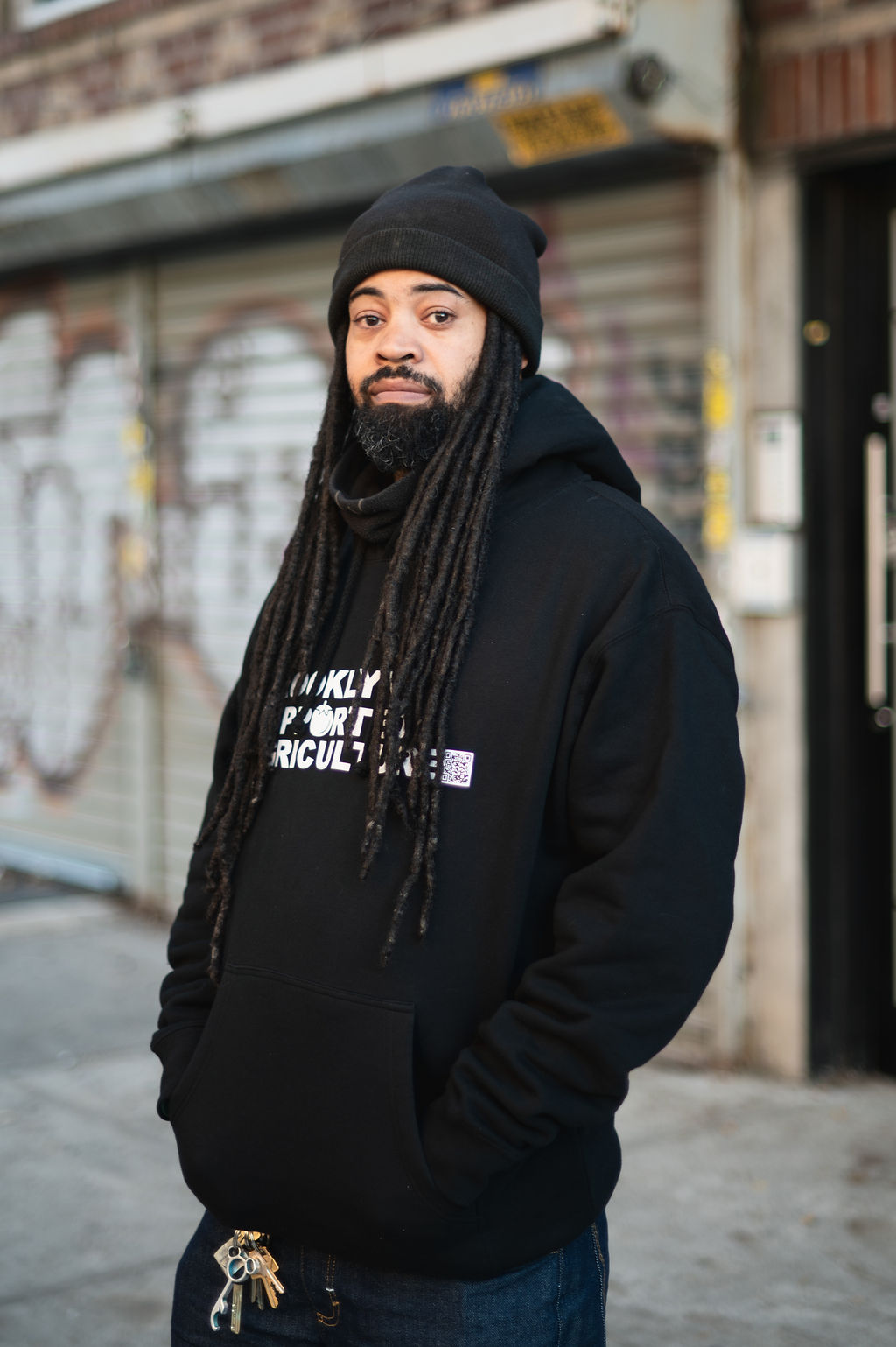
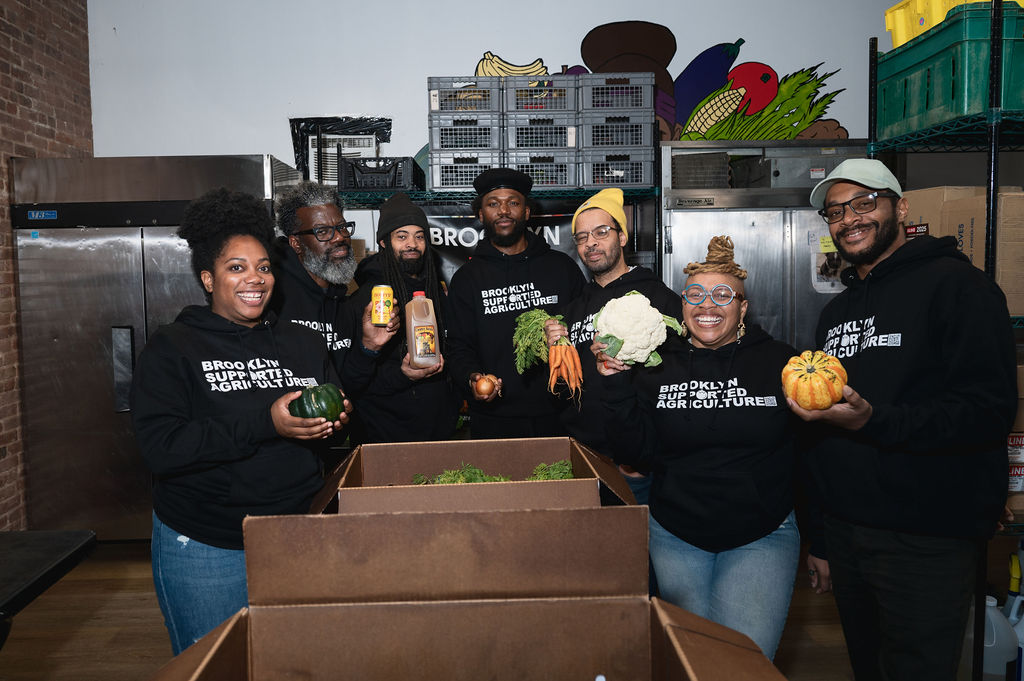
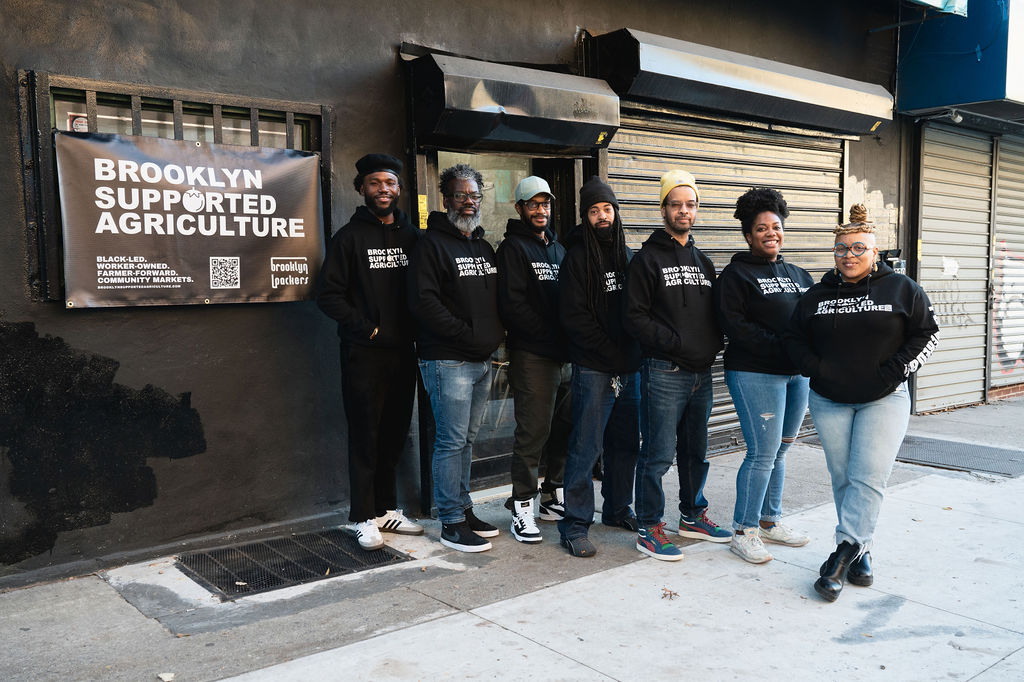
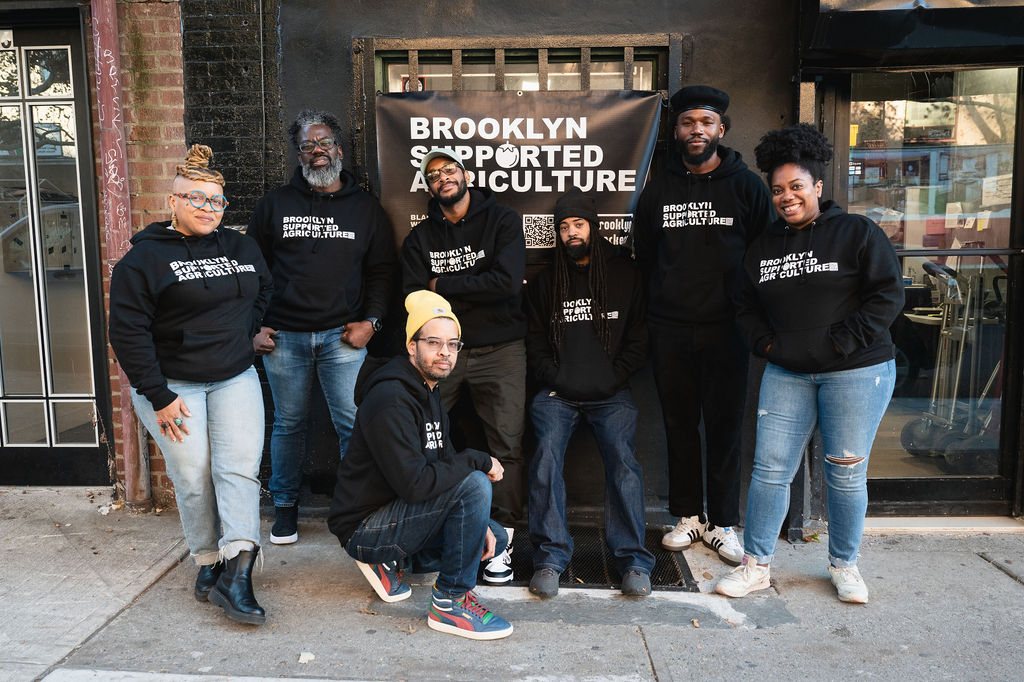
Steph Wiley, front wearing a beanie, and the team outside their distribution center in Brooklyn

In 2013, an online, digital farmshare company opened in the same building that Steph and his partner managed. Through that connection, Steph was hired as the company’s hub manager. He grew with the company, and for the first time in his life, he realized how much he loved being connected to the farms.“Eating vegetables from the store is just a different experience,” he said. “But when you get food from the farm, it literally changes the chemical makeup of your brain. That was really exciting for me and really inspirational, and I just went with it.”

Although the digital farmshare company eventually shuttered, through that experience, Steph made close connections with colleagues and learned about worker-owned, cooperative business models. That’s what ultimately led Steph and his cousin, Shawn Santana, a chef and restaurant owner, to launch Brooklyn Packers in 2016. Brooklyn Packers is a worker-owned, Black-led food sourcing, packing, and distribution cooperative working to form a conduit between farms and New York City and to build what it calls “Brooklyn food sovereignty.” Brooklyn Packers is headquartered in the Bed-Stuy neighborhood. The company currently has two worker-owners and six independent contractors. All worker-owners receive a salary commensurate with their roles and responsibilities and share in a percentage of the profit. 

In the early days of Brooklyn Packers, Steph and his team primarily did operations, including sourcing, packing, and deliveries, for online grocery-delivery businesses. However, after a few years of “getting really good at that,” Steph said, Brooklyn Packers decided to start its own farmshare, Brooklyn Supported Agriculture, which allowed the company to establish deeper relationships with farmers and farms. That’s when Steph quickly realized that his community organizing, artist, and activism circles also overlapped with New York City’s farming community. “Through those relationships,” Steph said, “we were like ‘what if we do things differently and try to mainly get our produce from Black- and Brown-owned farms and farmers. That became our goal.”

Importantly, Steph and his team didn’t want to establish transactional relationships with farmers. Instead, Brooklyn Packers set out to forge meaningful relationships with small, sustainable food businesses in their local economy, with a preference for worker-owned cooperatives and women-, queer-, and POC-owned farms. Steph was also able to learn about and meet farmers thanks to his involvement with Black Farmer Fund, Just Food, and various events and panels. According to Steph, the co-op’s intentional approach to growing its network of farmers has resulted in numerous personal friendships.

That’s one reason why Steph came to co-launch Mumbet’s Freedom Farm, a BIPOC worker-owned cooperative farm in Western Massachusetts,“Farming was an invaluable experience,” Steph said, “and so I connect with farmers in a different way. I know all aspects of the chain, from getting it out of the ground to packaging to distribution to retail. Farming wasn’t my calling, but what I do love is the pathway from farm to plate and figuring out creative and engaging ways to do that.”

Co-Ops Supporting Co-Ops

Over the years, as Steph and his fellow worker-owners grew Brooklyn Packers, they had the support of Brooklyn Cooperative Federal Credit Union (Brooklyn Co-op), a community credit union serving central and eastern Brooklyn. Brooklyn Co-op was founded in 2001, and it’s a certified community development financial institution (CDFI), Minority Depository Institution, and a CNote Impact CashTM partner. CNote invests Impact Cash® dollars in mission-driven and FDIC- and NCUA-insured partners like Brooklyn Co-op, generating returns on institutional investors’ cash allocations while supporting financially underserved communities across the country.

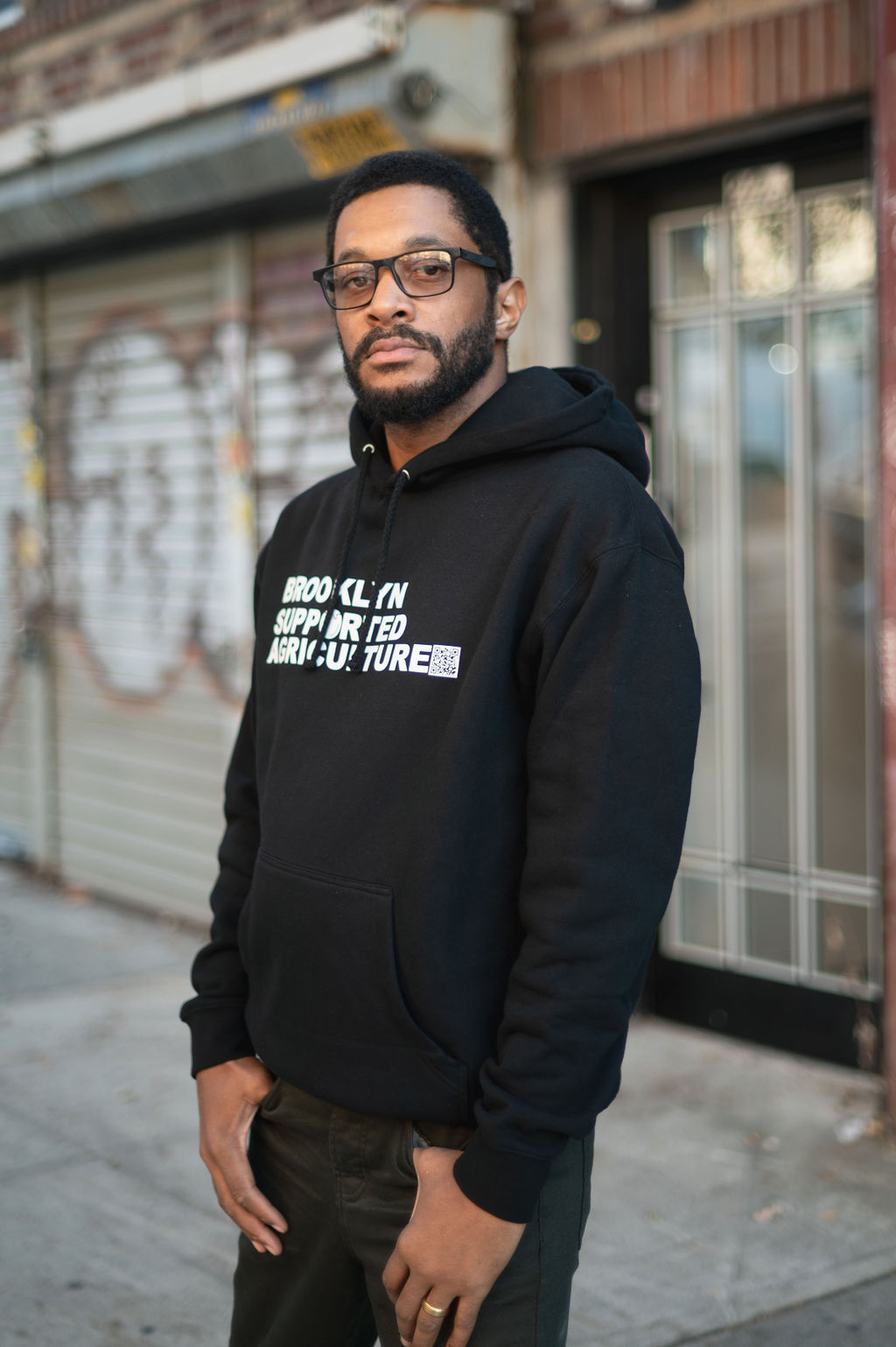
Steph, Shawn Santana, and Mtimoh Blake

Steph first learned about Brooklyn Co-op when the CDFI credit union moved into the same building where he initially got his start with the digital farmshare company. Because Steph is passionate about co-ops, he and his partner opened a personal bank account at Brooklyn Co-op, as did some of Brooklyn Packers’ other worker-owners. Although Brooklyn Packers has never received a business loan from the CDFI, the credit union provided Brooklyn Packers with tax help. Additionally, Steph has attended Brooklyn Co-op’s financial literacy courses and home-buying classes. “I try to use them for all the things,” said Steph. “It makes a lot of sense. The staff is really friendly, and some of them are actually members and clients of ours too.”

Today, in addition to handling bulk food acquisition, packaging, and transport for clients, Brooklyn Packers provides produce to nonprofits that supply food pantries. In 2024, thanks to contracts with the United States Department of Agriculture, Steph said that Brooklyn Supported Agriculture will coordinate the movement of produce from its network of farm sources into roughly 27 pantries in and around central Brooklyn. In other words, this year, Steph and his team are anticipating moving approximately $1.5 million worth of food.

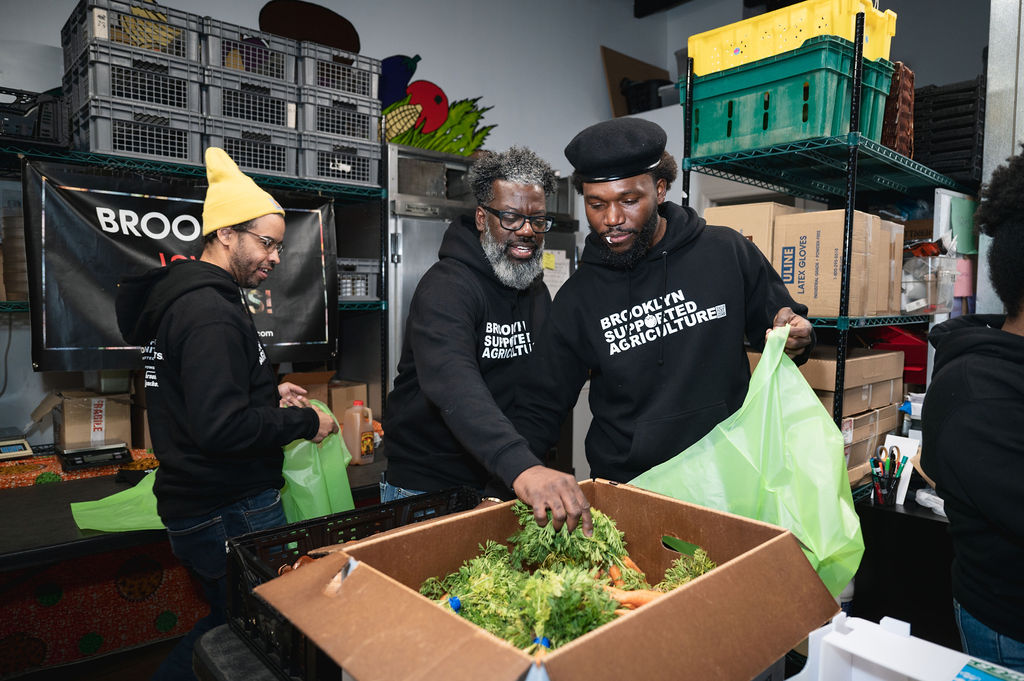
The team divvying up fresh produce

Going forward, Steph would like for Brooklyn Packers to diversify away from government contracts—something the co-op is already starting to do. Later this year, Brooklyn Packers is planning to open its first retail space, which will be “part retail, part commons, part place to hang out,” Steph said. In addition to the retail pilot, the company is expanding its fleet of refrigerated vans, which travel from nearby farms to pick up produce and bring it into the city. The co-op is also investing in marketing for the first time so that it can creatively engage with Brooklynites. Lastly, Brooklyn Packers is making it easier for community members to directly purchase produce from its website using sliding-scale pricing

Given the co-op’s current momentum, Steph and his team are excited about Brooklyn Packer’s future, which they hope will include a larger distribution center, more retail stores and markets, and even their own product lines. “Sometimes, it feels a little overwhelming,” Steph said, “but we are excited to grow the business, expand the team, and bring on people who have incredible skills so that we can create something together. We’re about to make a major impact in how people get food and where that food comes from in central Brooklyn.”

“Sometimes, it feels a little overwhelming, but we are excited to grow the business, expand the team, and bring on people who have incredible skills so that we can create something together. We're about to make a major impact in how people get food and where that food comes from in central Brooklyn.”

Steph Wiley

*CNote Group, Inc. is not a bank, a credit union, or any other type of financial institution. CNote is not a registered investment advisor with the Securities and Exchange Commission (SEC) or a broker-dealer authorized by the Financial Industry Regulatory Authority (FINRA). CNote is not a legal, financial, accounting or tax advisor. CNote does not negotiate interest rates. Impact Cash is not a security or investment. Impact Cash® deposits are insured by the FDIC or NCUA, subject to the terms and conditions of the Impact Cash® agreements. We encourage you to consult with a financial adviser or investment professional to determine whether or not the CNote platform makes sense for you.This information should not be relied upon as research, investment or financial advice. This material is strictly for illustrative, educational, or informational purposes and is subject to change.
By CNote, Impact Investing, Migration V2

The Shifting Landscape of U.S. Climate Action: Insights for 2025

As we move into 2025, the United States stands at a pivotal moment for climate and environmental policy. Shifting federal priorities, steadfast leadership from state governments, and growing private-sector initiatives shape the nation’s approach to these challenges. With the increasing frequency and severity of natural disasters—including hurricanes like Milton, Debby, Francine, and Helene, the annual California wildfires, and catastrophic flooding throughout the nation —the urgency to address climate change has never been greater. Here’s what we might expect.

Federal Climate Policy: A Shift Toward Deregulation

The 2024 election ushered in a federal agenda emphasizing energy independence and fossil fuel production. Policies are expected to prioritize domestic oil and gas development while rolling back emissions-reduction initiatives like vehicle fuel efficiency standards and the Clean Power Plan (source: donaldjtrump.com). These moves signal a shift away from renewable energy investments and could slow progress toward achieving national and international climate goals. 

Natural Disasters: Escalating Climate-Related Events

The United States has experienced a notable increase in the frequency and intensity of natural disasters, many of which are linked to climate change. In the first five months of 2024 alone, there were 11 individual billion-dollar weather and climate events, including severe storms and winter storms, resulting in significant economic losses and fatalities. (source: NOAA)

These events highlight the escalating human and economic toll of climate change, emphasizing the need for robust mitigation and adaptation strategies.

State-Led Climate Initiatives: Sustaining Momentum

In response to federal policy shifts, state governments continue to play a crucial role in advancing climate action. The U.S. Climate Alliance, a coalition of 24 governors, remains committed to implementing policies aimed at reducing greenhouse gas emissions and promoting clean energy (source: US Climate Alliance). 

States like California and New York have set ambitious targets for renewable energy adoption and carbon neutrality, demonstrating leadership in climate resilience and sustainability.

Private Sector Engagement: Corporate Climate Commitments

The private sector is increasingly recognizing the importance of addressing climate change. Companies are setting science-based targets to reduce emissions and are investing in sustainable practices. For instance, JPMorgan Chase disclosed that in 2023, it provided $1.29 in financing to green energy projects for every dollar invested in high-carbon energy sources, reflecting a shift toward supporting the transition to a low-carbon economy (source: Reuters)

Such corporate commitments are vital in driving innovation and investment in sustainable technologies and practices.

Learn more about CNote’s Climate Cash™ solutions: https://wpstaging.mycnote.com/solutions/cnote-climate-cash/

Public Opinion: Growing Support for Climate Action

Public sentiment in the United States increasingly favors proactive climate policies. Surveys indicate that 61% of Americans acknowledge the impact of climate change on their local communities and support measures to address it (source: Pew Research Center)

This growing awareness and concern among the public can influence policy decisions and encourage both governmental and corporate entities to prioritize climate action.

The Role of Financial Solutions in Climate Action

Financial institutions have a pivotal role in supporting climate resilience and sustainability. By directing deposits toward mission driven financial institutions that support renewable energy projects, climate-resilient infrastructure, and sustainable development initiatives, the financial sector can facilitate the transition to a low-carbon economy.

At CNote, we are committed to aligning financial goals with impactful climate initiatives, and supporting projects that drive positive environmental and social outcomes. As we see uncertainty in other sectors, it becomes more important to double down on what connects us—to invest in our communities, uplift local economies, and support the people and institutions driving change on the ground.

Looking Ahead to 2025

The evolving landscape of U.S. climate and environmental policy in 2025 will be shaped by the interplay of federal directives, state-led initiatives, private-sector commitments, and public advocacy. Despite potential federal deregulation, the combined efforts of states, corporations, and individuals offer a pathway to advancing climate resilience and sustainability.

By fostering collaboration and leveraging financial innovation, we can collectively address the pressing challenges of climate change and work toward a sustainable future.


Disclosure: This information should not be relied upon as research, investment or financial advice, or a recommendation regarding any products, strategies, or any security in particular. This material is strictly for illustrative, educational, or informational purposes and is subject to change. Investing involves risks, including possible loss of principal. The information does not purport to provide any legal, tax or accounting advice.
By CNote, Impact Investing, Migration V1

Built to Thrive: The Case for Investing in Women-Led Businesses

The changing economic and social landscape in the United States highlights the crucial need to invest in women-led businesses. These entrepreneurs are not just building companies; they’re creating resilient enterprises that positively impact their communities, generate jobs, and drive economic growth. However, many women still face barriers when it comes to accessing the capital they need to thrive. Supporting women-led businesses is more than just a matter of equity—it’s an investment in a brighter, more inclusive future for everyone. By championing these visionary leaders, we can help foster a thriving economy that benefits us all.

The Growing Influence of Women-Owned Businesses

Women-owned businesses are a vital part of the U.S. economy. Today, there are approximately 14 million women-owned businesses in the United States, making up 39.1% of all businesses—a remarkable 13.6% increase since 2019 (National Women’s Business Council). These enterprises contribute substantially to economic growth, generating $1.8 trillion in annual revenue and employing over 10.1 million workers (Cenus).

The growth rate of women-owned businesses has consistently outpaced that of all companies over the past decade, increasing by 58% since 2007 (WBENC). These numbers reveal an extraordinary trend of entrepreneurial growth among women, positioning them as key players in the American economy.

Women of Color Leading the Way

Women of color are leading this entrepreneurial surge, owning over 50% of all women-owned businesses. These businesses employ 3.9 million workers and generate $1.1 trillion in revenue (Small Business Trends). Notably, Black or African American women-owned businesses have grown by 33% from 2022 to 2023, reflecting their resilience and contribution to economic development (News Room).

This growth underscores the importance of supporting diverse women-led businesses, which create jobs and enrich their communities through sustainable practices and socially conscious business models.

The Funding Gap: A Missed Opportunity

Despite these successes, women entrepreneurs still face systemic barriers to accessing capital. In 2023, only 3% of women entrepreneurs received private capital investment, compared to 9% of their male counterparts (Associated Press). This funding disparity is a missed opportunity, particularly when we consider that private tech companies led by women yield a 35% higher return on investment than those led by men (Pitchbook).

Women entrepreneurs are more likely to rely on personal savings, loans, or credit to finance their businesses, limiting their growth potential and ability to scale. Addressing this funding gap is not just about fairness; it’s about recognizing the economic value of women-led businesses and investing in proven, resilient leaders.

Why Women Are Leading in Social Impact

Women-led businesses are often purpose-driven, focusing on industries that impact social well-being, including healthcare, education, and sustainability. Research shows that women reinvest up to 90% of their income back into their communities, compared to 30–40% for men (WeForum). Investing in women entrepreneurs can create a ripple effect, strengthening communities and fostering positive change.

  • Community Impact: Investors contribute to enterprises that prioritize social impact by supporting women-owned businesses. Women entrepreneurs are uniquely positioned to lead in areas critical to public welfare, offering solutions that uplift communities and address societal challenges.

Resilience as a Core Strength of Women Entrepreneurs

Women entrepreneurs have demonstrated incredible resilience, navigating economic downturns and unforeseen challenges flexibly and ingeniously. From adapting to pandemic-driven changes to finding new ways to serve their communities, women-led businesses have proven to thrive under pressure and adapt to evolving needs. This resilience is a testament to women’s strength and adaptability to the entrepreneurial landscape.

Impact Investing as a Path Forward

As more investors align their capital with values-driven objectives, investing in women-led businesses offers a meaningful way to support positive change. Investing in women contributes to sustainable economic practices, fosters community growth, and enables inclusive prosperity.

CNote’s Commitment to Women-Led Impact: At CNote, we’re dedicated to increasing capital access for women entrepreneurs in underserved communities through initiatives like the Wisdom Fund. Investing in women-led businesses is more than just a financial decision; it’s a commitment to fostering a stronger, more resilient economy that benefits everyone.

Conclusion: It’s Time to Invest in the Future We Want

The U.S. is at an inflection point, and investing in women-led businesses is one of the best ways to create a future rooted in equity, resilience, and innovation. Women entrepreneurs have demonstrated their capacity to drive economic growth, create jobs, and uplift communities. Investing in women today supports leaders who prioritize impact, community well-being, and long-term success. Now is the time to make our capital work for a vision of progress that benefits everyone.