
Monthly Archives

August 2024

By CNote, Migration V1

The Field of Yield: A New Land Where Yields Run High

In the dynamic world of corporate finance, treasurers are continually seeking secure and high-yield deposit options. Among these, credit unions stand out for offering some of the most competitive rates available. This article delves into the benefits of including credit unions in your corporate financial strategy and presents compelling reasons why they should be a key consideration for diversifying your deposits.

Addressing Risk and Scalability

For corporate treasurers, the primary concerns with any financial institution are risk and scalability. Credit unions are not riskier than traditional banks. Deposits in federally insured credit unions are protected up to $250,000 per credit union by the National Credit Union Share Insurance Fund (NCUSIF), similar to the FDIC insurance for banks. This ensures that your funds are secure and backed by the full faith and credit of the United States government.

Understanding Credit Unions

Credit unions are member-owned financial cooperatives that operate on a not-for-profit basis. This structure allows credit unions to reinvest their profits back into their members, often resulting in more favorable rates on savings deposits. As Dr. Cherry notes, “On average, credit unions pay higher interest rates on savings deposits than traditional banks due to their non-profit structure, which allows them to pass on profits to members in the form of better rates on high-yield savings and CDs”.

As of 2023, credit unions in the United States had a combined total asset value of over $2 trillion and a net worth ratio of 11.5%, well above the National Credit Union Administration’s ​(NCUA) 7% threshold for being well-capitalized. Additionally, the delinquency rate for loans at credit unions was just 0.59% in 2023, highlighting their strong credit risk management practices.

For corporate treasurers looking to diversify their financial partners, many credit unions offer robust capacity to handle significant deposits while still maintaining the benefits of lower risk. While it’s true that NCUSIF insurance limits encourage treasurers to keep individual deposits below $250,000, working with a diversified portfolio of credit unions can still provide a safe, high-yield solution, particularly through platforms like CNote, which partners with a range of credit unions to distribute deposits effectively across multiple institutions.

Diversification of Financial Partners

For corporate treasurers, diversification is a key strategy in managing risk. Including credit unions in a treasury  financial strategy allows it to diversify its deposit portfolio across different types of financial institutions. This not only spreads risk but also enables treasurers  to take advantage of the best rates and terms available in the market.

Higher Deposit Rates

Credit unions are known for providing some of the most competitive deposit rates in the market, making them an appealing choice for individuals aiming to grow their savings. Many credit unions offer rates on 1-year certificates of deposit (CDs) that are often higher than those available at traditional banks. This advantage stems from the not-for-profit nature of credit unions, which allows them to reinvest earnings directly back into their members, often resulting in more favorable interest rates on savings products.

Lower Fees and Better Service

Credit unions are known for their cost-effective approach to financial services, often resulting in lower fees for their members. This is largely due to their not-for-profit structure, which prioritizes member benefits over generating profits for shareholders. While specific fee structures may vary depending on the services utilized, credit unions’ commitment to keeping costs low can be particularly advantageous for corporate treasurers focused on maximizing returns. Moreover, credit unions are often praised for their personalized customer service, which is rooted in their member-focused approach. This can translate into a more tailored and responsive banking experience for corporate clients.

Community Focus and Social Responsibility

Investing with credit unions also aligns with the growing corporate trend towards social responsibility and community investment. Credit unions are deeply rooted in their local communities and often engage in activities that support community development. By depositing funds in a credit union, corporate treasurers can contribute to these positive initiatives, enhancing their company’s reputation for social responsibility.

Real-World Impact: Garden Island Gymnastics

Credit unions’ commitment to their members and communities is exemplified by success stories like that of Garden Island Gymnastics. Located in Hawaii, this small business was able to secure much-needed funding through a credit union whom CNote partners with. This funding allowed Garden Island Gymnastics to expand its facilities and continue serving its local community, demonstrating how credit unions can play a vital role in supporting businesses of all sizes.

This example highlights how credit unions, with their member-first focus and community-oriented approach, can provide tailored financial solutions that directly contribute to the growth and success of businesses. By partnering with platforms like CNote, corporate treasurers can tap into these benefits, knowing their deposits are making a positive impact.

Conclusion

In a financial environment where every basis point counts, corporate treasurers should not overlook the benefits of credit unions. Their member-focused, not-for-profit model consistently delivers higher deposit rates, lower fees, and superior service. Coupled with their commitment to community development and the safety of federally insured deposits, credit unions present a compelling option for corporate treasurers looking to optimize their deposit strategy. By considering credit unions, corporate treasurers can not only enhance their financial returns but also support socially responsible and community-focused financial practices.

By incorporating credit unions into your company’s financial strategy, you can achieve a balanced approach that maximizes returns while contributing to positive community impact.


Disclosure: This information should not be relied upon as research, investment or financial advice, or a recommendation regarding any products, strategies, or any security in particular. This material is strictly for illustrative, educational, or informational purposes and is subject to change. Investing involves risks, including possible loss of principal. The information does not purport to provide any legal, tax or accounting advice.

By CNote, Migration V1

“We Mean Now”: Why Next-Day Liquidity Has Become the Common Currency

In today’s rapidly changing financial landscape, the phrase “we mean now” has taken on new significance. The demand for next-day liquidity is no longer a niche requirement but has become the common currency for corporate treasurers and financial managers. This shift is driven by market uncertainty, economic volatility, and the need for businesses to maintain flexibility and resilience. This article explores why next-day liquidity is crucial and how corporations are adapting to this new reality.

The Benefits of Next-Day Liquidity

Treasurers cannot survive without more liquidity. Next-day liquidity isn’t just about survival; it’s the path leading to top-notch risk management, operational efficiency, and strategic flexibility. The shift towards prioritizing next-day liquidity offers several benefits for corporations:

  • Risk Mitigation: With immediate access to cash, companies can better manage risks associated with market fluctuations and economic downturns.
  • Operational Efficiency: Next-day liquidity ensures that businesses can maintain smooth operations even in the face of unexpected expenses or disruptions.
  • Strategic Flexibility: The ability to quickly mobilize funds allows companies to be more agile and responsive to market opportunities and challenges.

The Changing Market Landscape

The global economy has experienced significant turbulence in recent years, from the COVID-19 pandemic to geopolitical tensions and supply chain disruptions. These factors have created an environment where uncertainty is the norm. According to the 2023 AFP Risk Survey, 43% of treasury professionals consider macroeconomic risk to be one of the greatest challenges in terms of risk to manage. This figure has increased by 19% since 2021, highlighting the growing concern among corporate treasurers about the unpredictable economic environment.

The Rise of Next-Day Liquidity

Next-day liquidity refers to the ability to convert assets into cash within one business day without significant loss of value. This capability has become essential for several reasons:

  • Market Uncertainty: In uncertain times, businesses need the flexibility to respond quickly to changing conditions. Next-day liquidity allows companies to seize opportunities or mitigate risks as they arise.
  • Cash Flow Management: Efficient cash flow management is critical for maintaining operations and meeting financial obligations. With next-day liquidity, corporations can ensure they have the necessary funds to cover unexpected expenses or take advantage of strategic investments.
  • Investment Opportunities: The ability to access cash quickly enables businesses to capitalize on short-term investment opportunities that may offer higher returns.

How Corporations Are Adapting

To meet the growing need for next-day liquidity, corporations are making several strategic adjustments:

  • Diversified Cash Management: Companies are diversifying their cash management strategies to include a mix of traditional bank accounts, money market funds, and other liquid assets. This approach ensures they have multiple avenues for accessing cash quickly.
  • Advanced Treasury Management Systems (TMS): Modern TMS platforms provide real-time visibility into cash positions and enable treasurers to make informed decisions about liquidity.
  • Short-Term Investments: Businesses are increasingly turning to short-term, high-liquidity investment options. Instruments like Treasury bills and commercial paper offer quick access to funds while providing a modest return.

The Data Behind the Demand

The data supports this growing demand for next-day liquidity. According to Strategic Treasurer’s 2024 Liquidity Risk Survey, the report highlights a rising trend in the use of bank deposit accounts, government money market funds (MMFs), and certificates of deposit (CDs), showing that liquidity management is becoming a top priority for treasury professionals.

Conclusion

In an era marked by uncertainty and rapid change, next-day liquidity has emerged as a vital component of corporate financial strategy. The ability to access cash quickly provides businesses with the flexibility and resilience needed to navigate volatile markets and seize opportunities. As the demand for next-day liquidity continues to grow, corporations must adapt by diversifying their cash management strategies, leveraging advanced treasury systems, and prioritizing short-term investments. By doing so, they can ensure they are well-prepared to thrive in an unpredictable economic landscape.

By prioritizing next-day liquidity, corporate treasurers can help their organizations stay agile, mitigate risks, and capitalize on new opportunities, reinforcing the importance of being prepared for whatever the future holds.


Disclaimer: This information should not be relied upon as research, investment or financial advice, or a recommendation regarding any products, strategies, or any security in particular. This material is strictly for illustrative, educational, or informational purposes and is subject to change. Investing involves risks, including possible loss of principal. The information does not purport to provide any legal, tax or accounting advice.

By CNote, Migration V1

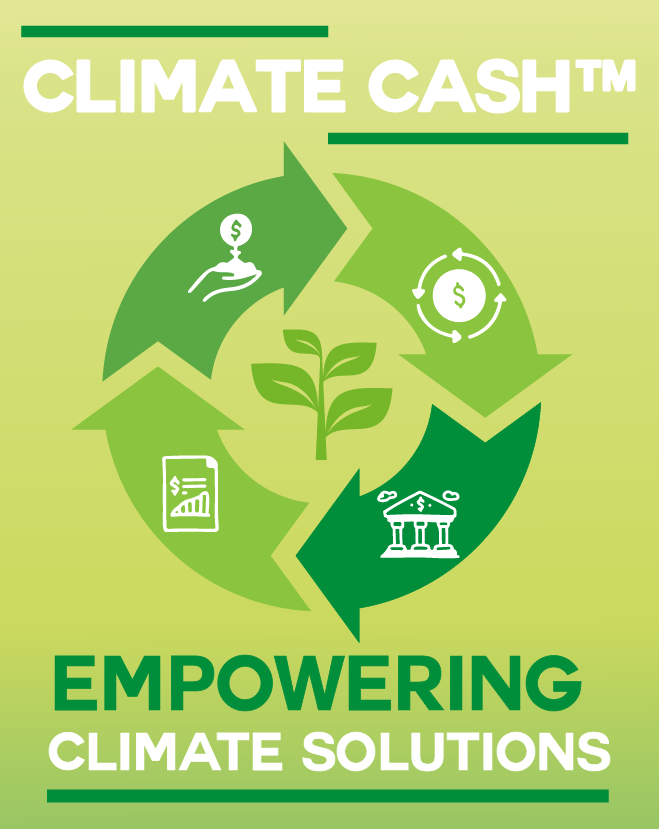
Climate Cash™ – Support a Sustainable Future with Deposits

In today’s rapidly changing world, the urgency to address climate change has never been greater. Cash managers are increasingly seeking opportunities that not only promise financial returns but also contribute to a sustainable future. CNote’s Climate Cash is designed to meet this dual objective, offering a unique solution that supports environmental initiatives while delivering competitive returns.

What is Climate Cash?

Climate Cash channels funds into projects and organizations focused on combating climate change. By utilizing Climate Cash, you’re directly contributing to initiatives such as renewable energy projects, sustainable agriculture, and green infrastructure developments. These deposits can not only help reduce carbon footprints but also promote long-term environmental sustainability.

Key Features of Climate Cash:

  1. Blended APY*: Enjoy competitive returns with a blended Annual Percentage Yield (APY).
  2. Combat Climate Change with Your Deposits: Your funds back meaningful, traceable initiatives like affordable solar power in low-income areas and energy-efficient appliances/building enhancements.
  3. 100% FDIC and NCUA Insurance Coverage: Ensuring your deposits are safe and secure.
  4. Deposit Up to $50M in Climate-Friendly Insured Deposits: Tailored for significant deposits, making a substantial impact.

Why Use Climate Cash?

  1. Impactful Deposits: Deposits placed in Climate Cash support projects that make a tangible difference in the fight against climate change. Your funds contribute to reducing greenhouse gas emissions, conserving natural resources, and fostering sustainable communities.
  2. Competitive Returns*: Climate Cash offers returns comparable to traditional deposits, ensuring that your commitment to sustainability does not come at the cost of financial performance.
  3. Transparency and Accountability: CNote ensures that all projects funded through Climate Cash are rigorously vetted and monitored for their environmental impact. Users receive quarterly reporting on the impact of their deposits.
  4. Support for Innovative Projects: From solar energy installations to sustainable farming practices, Climate Cash funds a wide range of innovative projects that drive the transition to a low-carbon economy.

Utilizing Climate Cash is more than just a financial decision; it’s a commitment to a sustainable future. By choosing Climate Cash, you’re supporting groundbreaking projects that address one of the most critical challenges of our time. Join us in making a positive impact on the planet with fully FDIC and NCUA insured deposits.


*CNote Group, Inc. is not a bank, a credit union, or any other type of financial institution. CNote is not a registered investment advisor with the Securities and Exchange Commission (SEC) or a broker-dealer authorized by the Financial Industry Regulatory Authority (FINRA). CNote is not a legal, financial, accounting or tax advisor. CNote does not negotiate interest rates. Impact Cash is not a security or investment. Impact Cash®  and Climate Cash™ deposits are insured by the FDIC or NCUA, subject to the terms and conditions of the Impact Cash® agreements. We encourage you to consult with a financial adviser or investment professional to determine whether or not the CNote platform makes sense for you.This information should not be relied upon as research, investment or financial advice. This material is strictly for illustrative, educational, or informational purposes and is subject to change. Any projected returns are illustrative, based on interest rates offered currently or in the past, which may be subject to change at any time, and may not reflect the ultimate rate of return. Past performance is no guarantee of future results, and future returns may vary.


By CNote, Migration V1

How Community Investment Can Make a Difference

Community investment can play a pivotal role in addressing water crises like the one in Jackson, Mississippi. By channeling funds into projects that improve water infrastructure, investors can help ensure that residents have access to safe, clean water. 

Community Development Financial Institutions (CDFIs) and other impact-focused financial entities are well-positioned to drive these investments, leveraging their expertise in local development and their commitment to social impact.

Why Invest in Water Infrastructure?

  1. Public Health and Safety: Investing in water infrastructure directly impacts public health. Contaminated or inadequate water supply can lead to a host of health issues, particularly for vulnerable populations such as children and the elderly. According to the Centers for Disease Control and Prevention (CDC), waterborne diseases in the United States result in an estimated 7.15 million illnesses each year. By improving water systems, investors contribute to healthier communities and reduce the risk of such diseases.
  2. Economic Stability: Reliable water infrastructure is crucial for economic stability and growth. Businesses rely on consistent water supply for their operations, and households need it for daily living. The American Society of Civil Engineers (ASCE) reports that the U.S. economy could lose $10 trillion in GDP and cost each American household $3,300 a year if the U.S. does not close a growing gap in investments needed for infrastructure like water. By supporting water infrastructure projects, investors can help create a more stable economic environment, fostering job creation and economic development.
  3. Environmental Sustainability: Investments in modern water infrastructure often include components that promote environmental sustainability. For example, updating aging pipelines can significantly reduce water loss due to leaks. The Environmental Protection Agency (EPA) estimates that U.S. water utilities lose about 14% of their treated water every day due to leaks, amounting to 6 billion gallons. Sustainable water management practices also help conserve water resources, ensuring their availability for future generations.

Community Impact and Investment Potential

Targeted investments in areas with water issues, such as Jackson, MS, not only address urgent infrastructure needs but also enhance community resilience. For instance, CDFIs can facilitate funding for projects that overhaul water treatment facilities, replace old pipes, and install advanced monitoring systems. These projects create jobs, support local economies, and build healthier, more sustainable communities.

In addition to the immediate benefits, these investments can yield significant long-term returns. According to the Value of Water Campaign, every $1 invested in water infrastructure generates $2.62 in the private economy over 20 years. This highlights the dual benefit of community investments: they provide essential services while also driving economic growth.

CNote’s Impact Cash®: Cash Management Solutions Supporting Water Infrastructure

At CNote, we are committed to making impactful investments in community development. CNote’s Impact Cash® solution provides DIs with the capital needed to address critical issues like the Jackson water crisis. 

By partnering with CNote, DIs can access funding to upgrade water infrastructure, improve water quality, and ensure a reliable water supply for their communities. These investments not only address immediate water needs but also promote long-term sustainability and economic growth.

Conclusion

The water crisis in Jackson, Mississippi, is a clear call to action for impact investors and community finance organizations. By investing in water infrastructure, we can address critical public health and safety issues, promote economic stability, and foster environmental sustainability. As we look to the future, targeted community investments will be essential in building resilient, thriving communities nationwide.

Disclaimer: This information should not be relied upon as research, investment or financial advice, or a recommendation regarding any products, strategies, or any security in particular. This material is strictly for illustrative, educational, or informational purposes and is subject to change. Investing involves risks, including possible loss of principal.

By CNote, Migration V1

Impact Cash® – Making A Difference With Your Dollars

In a world where social and economic inequalities are increasingly visible, there is a growing demand for options that drive positive social change. CNote’s Impact Cash® offers a unique opportunity to support initiatives that empower underserved communities and foster economic inclusion.

What is Impact Cash®?

Impact Cash® directs funds into Community Development Financial Institutions (CDFIs), Minority Depository Institutions (MDIs), and other vetted community finance organizations. These institutions provide vital financial services and support to underbanked and underserved communities, promoting economic stability and growth.

Key Features of Impact Cash®:

  1. Blended APY*: Benefit from competitive returns with a blended Annual Percentage Yield (APY).
  2. Cash with Impact: Your funds support initiatives that create meaningful social change.
  3. 100% FDIC and NCUA Insurance Coverage: Ensuring your deposits are secure.
  4. Supports CDFI Banks and Credit Unions: Directing funds to institutions that make a difference.
  5. Flexible Liquidity: Access your funds with ease and flexibility.

Why Use Impact Cash®?

  1. Social Impact: Deposits placed in Impact Cash® are put to work in supporting impact-driven bank and credit union partners of CNote. The focus is generally on underserved communities, but are unrestricted in terms of where this impact can be tailored to. 
  2. Financial Returns*: Impact Cash® offers competitive returns, proving that you don’t have to sacrifice financial performance to make a difference. Your funds grow while contributing to meaningful social change.
  3. Transparency: CNote provides regular updates on the impact of your deposits, showcasing how your dollars are making a tangible difference in communities across the country.
  4. Community Empowerment: By utilizing Impact Cash®, you’re supporting organizations that empower individuals and communities, helping them achieve financial independence and stability. Garden Island Gymnastics in Kappaa Kaua’i, Hawaii worked with KFCU (a CNote Impact Cash® Parter) to secure a PPP loan, along with two $5000 grants, one no-interest loan, and another through the Cares Act. Read about this CNote Impact Cash® Success Story here.

Impact Cash® is more than just a deposit; it’s a commitment to building stronger, more inclusive communities. By choosing Impact Cash®, you’re helping to bridge the economic gap and create opportunities for those who need it most. Join us in making a lasting impact on communities while achieving your financial goals.


*CNote Group, Inc. is not a bank, a credit union, or any other type of financial institution. CNote is not a registered investment advisor with the Securities and Exchange Commission (SEC) or a broker-dealer authorized by the Financial Industry Regulatory Authority (FINRA). CNote is not a legal, financial, accounting or tax advisor. CNote does not negotiate interest rates. Impact Cash is not a security or investment. Impact CashⓇ deposits are insured by the FDIC or NCUA, subject to the terms and conditions of the Impact CashⓇ agreements. We encourage you to consult with a financial adviser or investment professional to determine whether or not the CNote platform makes sense for you. This information should not be relied upon as research, investment or financial advice. This material is strictly for illustrative, educational, or informational purposes and is subject to change. Any projected returns are illustrative, based on interest rates offered currently or in the past, which may be subject to change at any time, and may not reflect the ultimate rate of return. Past performance is no guarantee of future results, and future returns may vary.