Monthly Archives

August 2023

By CNote, Impact Investing, Impact Metrics, Migration V2

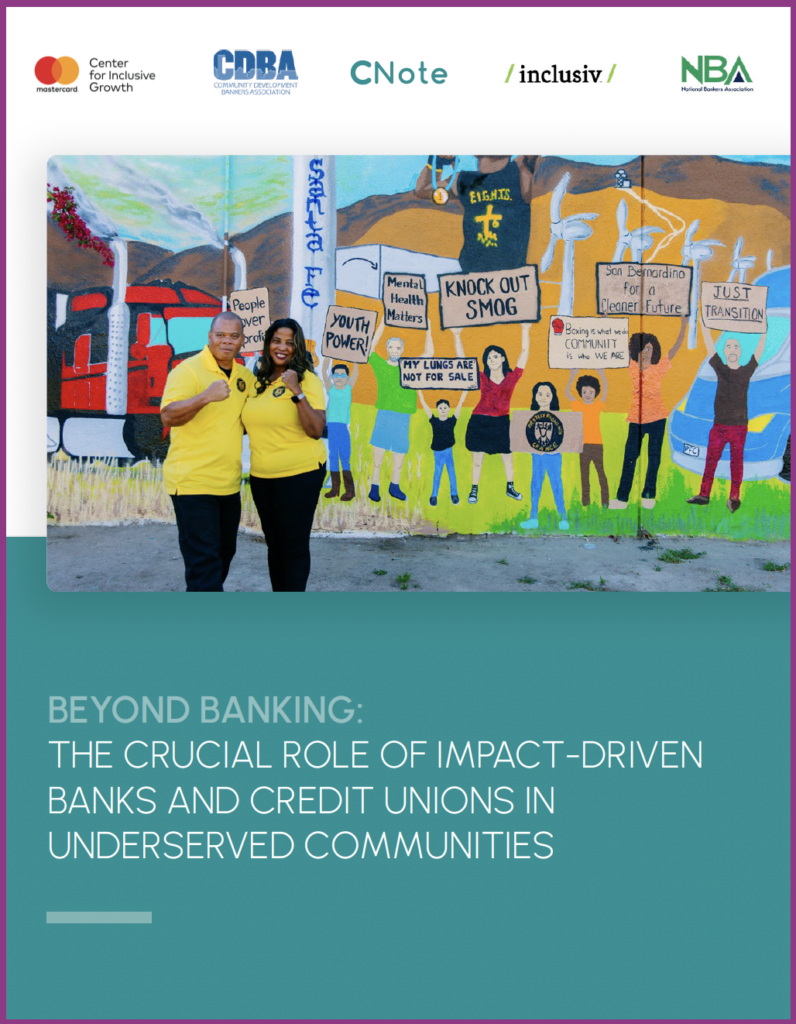
Beyond Banking: The Crucial Role of Impact-Driven Banks and Credit Unions in Underserved Communities

Impact-driven banks and credit unions forge a dynamic partnership with under-resourced communities, blending immediate solutions with lasting development. These institutions stand as pillars of community support. Anchored by tailored financial products and programs, spanning affordable housing loans to job creation initiatives, impact-drive banks and credit unions commit to both present concerns and the future prosperity of those excluded by traditional finance.

Deposits power the success of these institutions, driving transformative change and amplifying lending within underserved areas. The Impact Deposit Collaborative, comprised of leading bank and credit union associations Inclusiv, CDBA, NBA and CNote, sheds light on CFIs’ profound societal and environmental impact. Unveiling how they catalyze progress in areas like racial justice, financial inclusion, and climate change, the collaborative’s work also illuminates the crucial role deposits play. For deeper insights into the transformative potential of social impact deposits, explore their findings below:

Check it out:

By CNote, Migration V1, Quick Tips

Unleashing Corporate Power: Credit Unions and Community Deposits

This article was originally posted on CUNA Strategic Services’ Website. 

Seventy percent of credit unions named growing deposits as a high priority in 2023 – almost four times the amount that articulated the same need in 2022. One nontraditional avenue that credit unions should consider is tapping into the strong movement of corporations channeling cash into the communities where they live and work.

Corporate investments in local communities are a sustained movement, with 51% of America’s largest companies actively engaging in community investments. This comes as no surprise given the research findings that revealed that “seventy-seven percent of consumers are motivated to purchase from companies committed to making the world a better place.”

Another study highlighted: “Nearly 90% of executives believe a strong sense of collective purpose within their organization drives employee satisfaction.” Corporations are acutely aware that supporting community initiatives, particularly in under-resourced areas, is crucial for differentiating themselves from competitors, attracting and retaining top talent, and ensuring continued growth.

With the increasing number of corporations seeking to demonstrate their genuine commitment to the community and their stakeholders, credit unions have a significant opportunity to benefit. By actively supporting credit unions, corporations can demonstrate their dedication to fostering economic growth, promoting financial well-being and addressing pressing social issues at the local level.

Apple is a prime example of a corporation that is actively making a difference with its cash. They utilized CNote, a women-led technology platform, to move $25 million in deposits into credit unions across the country as part of its Racial Equity and Justice Initiative – an effort to address systemic racism in America and expand opportunities for communities of color.

Kaua’i Federal Credit Union was one of the beneficiaries of these deposits, which they leveraged to support their local community with rental relief, environmental resilience and economic diversification efforts.

“Deposits from Apple came at a pivotal time for Kaua’i Federal Credit Union,” said Monica Belz, CEO. “We were able to increase our lending capacity within the community and provide support for local businesses and rental relief efforts.”

Apple’s partnership with credit unions demonstrates how corporations can directly support local communities through deposit initiatives. By channeling funds into credit unions, corporations further empower these financial institutions to become catalysts for positive change in the areas they serve.

As credit unions continue to prioritize deposit growth, they should consider the opportunity presented by corporations moving cash into communities. The movement of corporations investing in local initiatives aligns with consumer preferences and corporate objectives. By engaging with corporations, credit unions can leverage these partnerships to increase deposits, support local economic development and showcase their pivotal role as trusted financial institutions committed to their communities.

By Borrower Stories, Community Partners, Low Income Designated Credit Union, Migration V1

How Freedom First Credit Union Is Leveraging Creative, Character-Based Lending To Approve Community Members For Auto Loans 

When Norma Fralin needed a car in 2016, she didn’t know where to go. She’d never felt comfortable navigating dealerships and interacting with used-car salesmen, and because there were uncertainties surrounding her credit, Norma didn’t know what kind of auto loan she’d be able to get. 

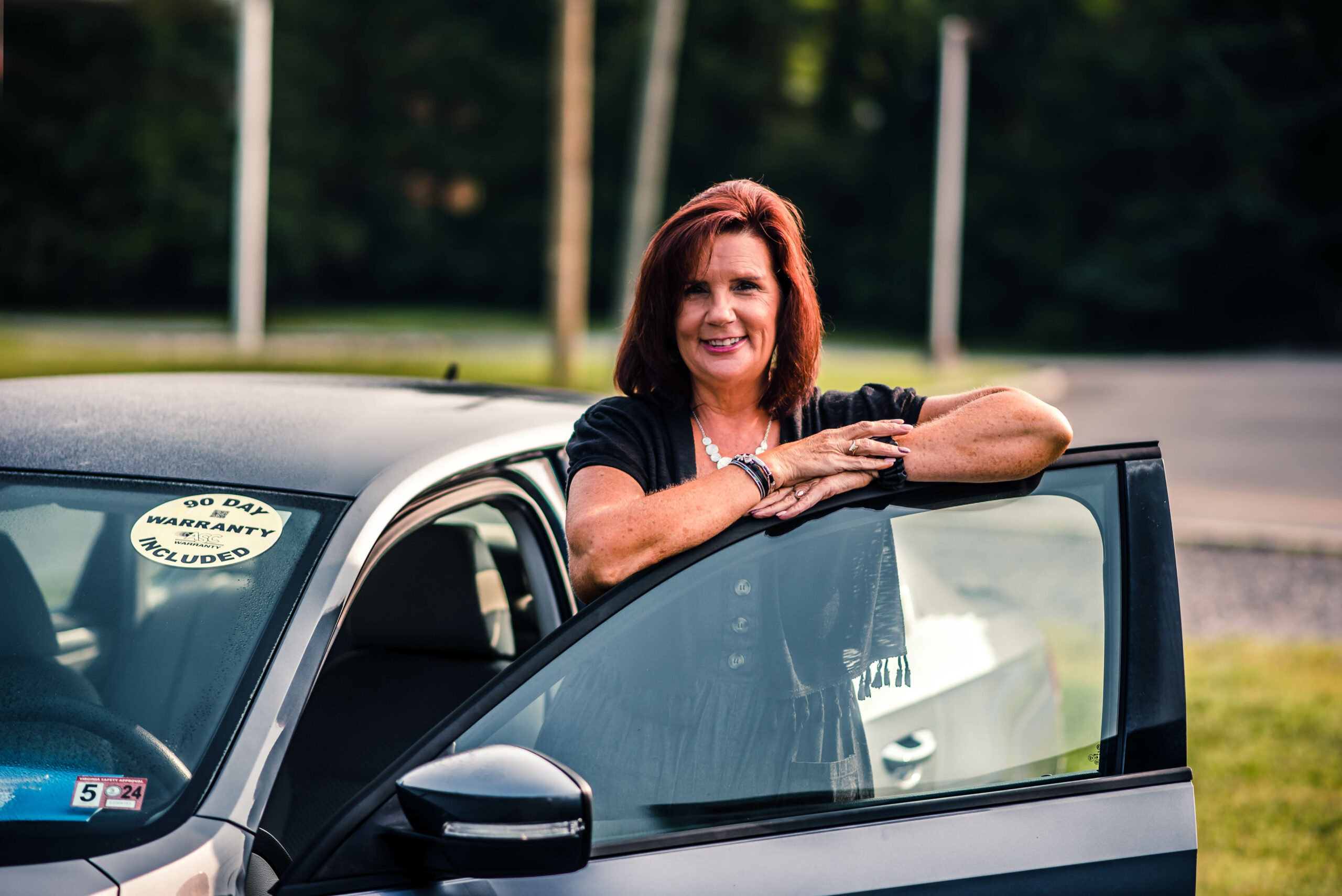
Kim English, the Responsible Rides Coordinator at Freedom First Credit Union

That’s when Norma’s daughter, Catina, told her about Freedom First Credit Union’s Responsible Rides® program. Catina had used the program to get a vehicle of her own. Norma set up a time to speak with Kim English, the Responsible Rides® coordinator, and within a week, Norma had a car. “It was awesome to work with Kim,” she said. “She really made me feel comfortable.”

Since 1956, Freedom First Credit Union has been serving communities throughout Southwest and Central Virginia through local investments, lower rates on loans, higher rates on deposits, and innovative banking services that support members working to build their financial independence. Freedom First is also a CNote Impact Cash® Partner. CNote deploys Impact Cash® dollars to mission-driven and FDIC- and NCUA-insured partners like Freedom First, generating returns on institutional investors’ cash allocations while supporting financially underserved communities across the country.

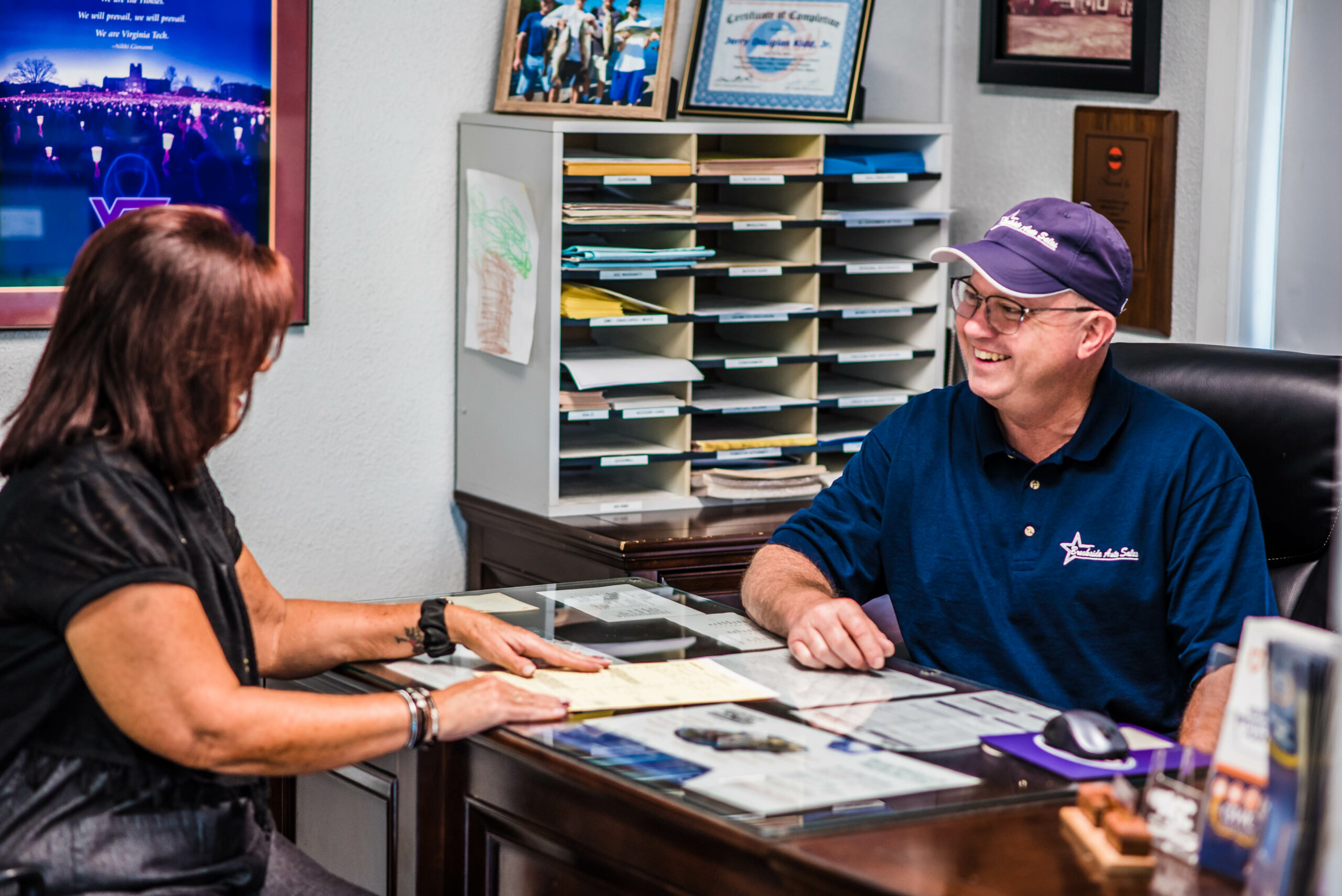
A cornerstone of Freedom First’s work is its award-winning Responsible Rides® auto purchase program, which Kim has coordinated since September of 2015. The program is geared toward low- to moderate-income earners who need their own car but struggle to afford a traditional car loan due to credit challenges. Responsible Rides®, however, doesn’t just hand out car keys. Instead, applicants must meet specific guidelines, including having a valid driver’s license, the ability to have full-coverage auto insurance, and proof of employment that goes back at least 90 days. Applicants also can’t have more than $1,500 in unpaid collections, judgments, or charge-offs. Additionally, in order to qualify for Responsible Rides®, individuals must meet with a financial counselor and complete courses on finances and budgeting, as well as car maintenance and care. 

One thing that Kim regularly sees at Responsible Rides® is people who come in with zero credit. In those situations, Kim is able to look at alternative pay history, such as utility bills, insurance payments, rent payments, or even court funds, as a proxy for credit. Also, when Kim submits a loan application to Freedom First’s underwriters, the applicant gets to write about how having a car will change their life. By being creative and considering someone’s character and personal story alongside the above-mentioned criteria, Kim is able to get more individuals approved for auto loans. Those loans cap out at 18%, which is significantly lower than predatory lenders’ rates. However, once an individual’s credit begins to improve, Freedom First is able to refinance their auto loan to lower their monthly payment. 

Kim estimates that approximately 80% of the individuals she works with through Responsible Rides® are single mothers. Kim also works with a lot of young people who are getting their first jobs, but who don’t have transportation, and she works with older, fixed-income individuals who struggle to get themselves to doctor’s appointments and the grocery store. She recalled one story about a client whom she recently assisted. “We met at the dealership and she got in her car,” Kim said, “and the woman said ‘I don’t have to get on the bus now. I can work different hours at my job. I don’t have to be afraid that I’m gonna get off late and miss the bus.’ There are just so many stories like that within this program.”

Unsurprisingly, Kim finds her work with Responsible Rides® extremely rewarding—but she isn’t the only one who feels that way. Local used-car dealers also enjoy participating in the program. An important aspect of Responsible Rides® is that individuals have the option to pick their own car, including test driving it and getting it checked by a certified mechanic. Therefore, Kim does everything she can—including doing a fair bit of research—to ensure that Responsible Rides®’ clients have positive experiences getting their cars from dealerships. 

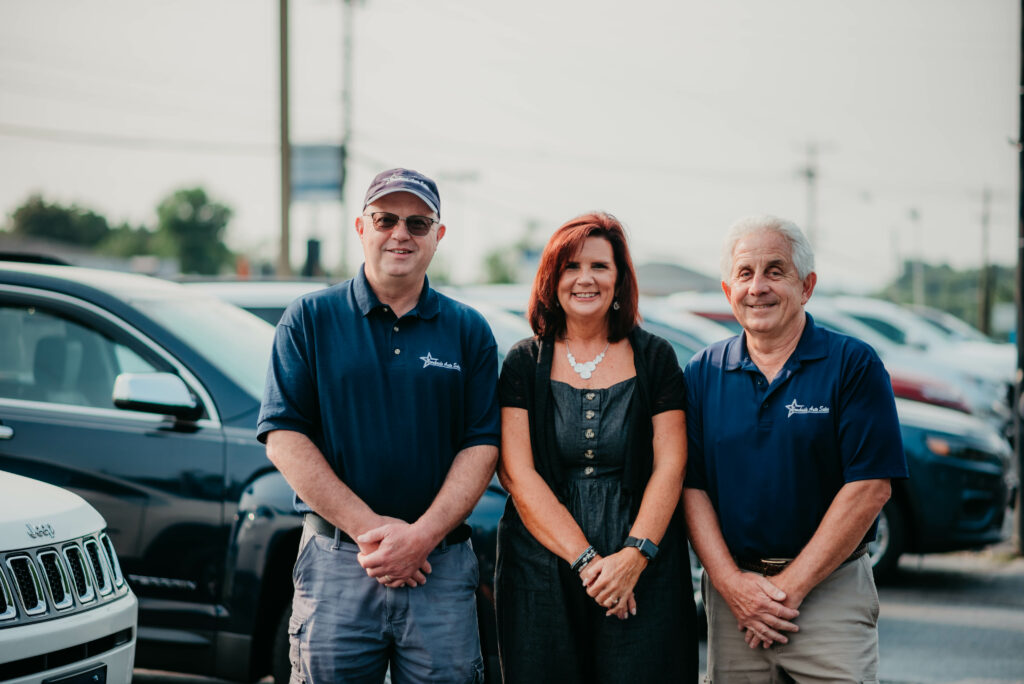
Over the years, Kim has curated two lists of dealerships: one is a do-not-use list of predatory and poor-quality dealers, and the other is a list of hand-picked, small, often mom-and-pop dealerships who are willing to roll out the red carpet for Responsible Rides®’ recipients. Local dealers have been willing to add extended warranties, waive processing fees, and cut selling prices by as much as $1,500 to get people in their cars. “The dealers I have are amazing,” said Kim. “They love this program and they want to stay on my list, because they know these people need to get into vehicles, but they also know that if they treat these people right, once their credit gets better, they’re gonna come back and tell their friends. It’s all about relationships.”

Relationships are one way that Kim has been able to originate 523 loans totaling $5.9 million since she began coordinating Responsible Rides eight years ago. Kim works closely with a network of local nonprofit partners, including Total Action for Progress (TAP), New River Community Action, and Solutions That Empower People (STEP, Inc.) to engage community members. Kim also relies on internal referrals from Freedom First’s team of financial counselors, and many people contact her thanks to previous clients’ word-of-mouth.

That was the case for the Fralin family. For them, Freedom First Credit Union’s auto-loan program has become a family affair: word-of-mouth has led four family members spanning three generations to participate in Responsible Rides®. After Catina referred Norma to the program, Norma in turn told her daughter, Tonya, and grandson, Isiah. Isiah connected with Kim last December, when he got his car. Since then, he’s been working with Freedom First financial counselors to build his credit, budget his money better, and save for a future home.

Tonya, too, has benefited from the credit union’s Responsible Rides® program. When she met with Kim in 2019, she needed to build her credit. Kim helped to get her a car, and Tonya opened a Freedom First account and completed her financial counseling coursework. Within five years, Tonya was able to build up her credit so much so that she and her husband were able to purchase their first home in 2022. “Just talking with Kim really helped me out a lot,” Tonya said. “I like the fact that Freedom First keeps in touch with you, not only with your car and your credit; they keep in touch with you to see how things are going as far as your finances and life. It’s not just about a car or getting a loan: it’s about helping you to achieve your goals.” 

Learn More:

  • Freedom First Credit Union is a member-owned, federally insured community financial institution headquartered in Roanoke, VA since its founding in 1956.
  • Responsible Rides® is a Freedom First Credit Union program geared toward low- to moderate-income earners who need their own car but struggle to afford a traditional car loan due to credit challenges.
  • CNote is a women-led investment platform that empowers individuals and institutions to invest locally to further economic equality, racial justice, gender equity, and address climate change.
By CNote, Impact Investing, Impact Metrics, Migration V2

CNote’s Q2 2023 Impact Report

CNote is excited to share our Q2 2023 Impact Report! Check it out here.

You’ll find updates on the impact created by investments in CNote’s fixed income and cash products, learn more about our partners, and gain new insights on our process for identifying and benchmarking impact!

You can also expect:

  • Spotlights featuring 3 of our mission-driven community partners that leverage investor funds to uplift communities.
  • An update on CNote’s Wisdom Fund Collaborative, and how the CDFIs supporting Women of Color (WOC) entrepreneurs with small business lending are improving their impact reporting practices.
  • Resources that corporate finance teams can use to deepen their community investments.

Check it out:

By Borrower Stories, Migration V1

How Jayme Murray is Creating Food Sovereignty for the Cheyenne River Sioux Tribe.

Long before the Cheyenne River Sioux Reservation was established in South Dakota in 1889, the people of the Lakota Nation sustained themselves off of the land, with the buffalo, or American bison, as its primary source of food. Over a century later, tribal ties to the sacred animal still run strong. The Cheyenne River Sioux Tribe and its retail operation, the Cheyenne River Buffalo Company, are creating new opportunities for economic development, expansion, and sustainability for the Native American community.

At the helm of the Cheyenne River Buffalo Company is Jayme Murray, a sixth generation rancher on Cheyenne River, who grew up on a cow-calf ranch in the area before attending South Dakota State University and working at the Bureau of Indian Affairs for almost 20 years. During his tenure with the organization, he held several roles, ranging from managing all the trust lands on the reservation to serving as the Fiduciary Trust Officer for the Office of the Special Trustee for American Indians.

In 2019, The Cheyenne River Sioux Tribe approached Jayme with an offer to take over the management of their buffalo corporation, a business corporation which operates independently of, but is owned by, the tribe. For Jayme it was a perfect opportunity to bring his expertise to an organization near and dear to his heart. 

The Cheyenne River Buffalo Company already owned a herd of 450 bison when Jayme came on, but he was quickly tasked with growing the organization and their profits. The company had a vision of being better able to grow, process, and market their products under their own label on the retail side. But there was more to this vision of growth than just finances; the Cheyenne River is one of the most economically distressed areas in the United States, where unemployment rates run as high as 80%. As a non-gaming tribe, The Cheyenne River Sioux had to seek out other avenues to develop economically. 

“We have had to lean on what we do have,” said Jayme. “We have agriculture, and we have buffalo, and we have beef that’s some of the best in the world. And if we’re going to stimulate economic growth here at home, it needs to be through what we’re able to do better than anyone.” 

In July of 2019, a golden opportunity presented itself which Jayme knew they couldn’t pass up: a local slaughter facility and associated real estate property went on sale on the border town of the reservation. Jayme knew that purchasing it would allow his team to increase the size of the herd and scale production to meet demand from local restaurants and butchers. 

The CDFI Difference 

Jayme and his colleagues faced a significant hurdle to purchase the facility and surrounding land—financing. 

To begin, the Cheyenne River Buffalo Company explored some traditional lenders. Jayme put together a pitch and a business plan, which, according to him, the lending teams did not even look at. “It was an issue of collateral,” Jayme explained. “This was a new venture for us. While we had profit and loss statements and tax returns, we were still essentially trying to borrow based on projections.” 

Jayme reached out to Cris Stainbrook, President of the Indian Land Tenure Foundation, who he had worked with on several occasions. He provided the company’s business proposal and plan, and the Foundation immediately stepped in to help. First, they provided Jayme’s team with an attorney, who had experience working on similar projects. “That was very helpful for us because we were already having to put up quite a bit of capital of our own to make this all happen,” said Jayme. “That provided an opportunity to save a little bit and make sure everything from the due diligence to the purchase agreement documents were done properly.” 

The Foundation also put Jayme in touch with the Indian Land Capital Company (ILCC), a Native-owned CDFI they had created in 2005 to provide alternative loan options to Native Nations for tribal land acquisition and economic development projects. CNote partners with CDFIs like The Indian Land Capital Company across the country through its customized impact investment offerings that allow corporations to invest in a portfolio of CDFI loan funds selected to meet their impact-aligned goals and to improve their performance on thematic ESG measures.

Jayme could instantly tell the difference between the traditional lenders he had attempted to work with in the past and ILCC. “Their approach as a CDFI really made a difference. They looked outside the lines a little more than conventional lenders and were able to work through a few kinks to support the Cheyenne River Buffalo Company.” 

Despite slowdowns due to COVID, the Cheyenne River Buffalo Company was able to close on the property and facility on February 1st of 2021, with $3M in financing from ILCC. As an added bonus, Jayme was able to retain all of the original equipment, inventory, and employees from the slaughter facility. “The facility closed down on Friday and then opened on Monday morning with us as the owners. If you didn’t know that we had bought it, you wouldn’t have even noticed the difference.” 

Local Impact with International Interest 

Despite the incredible effort it took to purchase the new land and facility, there was no time for Jayme and his team to rest. Initially, the Cheyenne River Buffalo Company was a direct to consumer business, whose biggest clients were local Native American restaurants and butchers. With time, however, Jayme had seen skyrocketing demand from domestic organizations as large as the Department of Defense and internationally from companies in the Middle East and Singapore. To keep up with this heightened demand, the company ballooned to owning over 1100 bison and now is getting ready to launch an online sales portal to enable consumers to more easily purchase their products from anywhere. 

Jayme’s motivation still ran deeper than just the growth of the company. COVID had exposed the volatility of food supplies, and what had started as a financial venture for the company had turned into a personal mission of food sovereignty. His goal is not only to become the premier buffalo meat company in the world, but also to put those products on local shelves to be made available for everyone in The Cheyenne River Sioux Tribe. 

“At the end of the day our goal would truly be to make our buffalo and locally sourced beef products available to all of our people. If we could do that, that would be a success. We have visions of being the premier meat company in the world, and we have the story; I mean, this animal is closer to us than to anyone else. I think there’s room for us to continue to grow and continue to be a resource to other tribes. It feels like the potential for growth just keeps reaching further and further.” 

Learn More:

  • The Indian Land Capital Company is a Native-owned, Certified Native Community Development Financial Institution (CDFI) providing alternative loan options to Native Nations for tribal land acquisition and economic development projects.
  • CNote is a women-led investment platform that empowers individuals and institutions to invest locally to further economic equality, racial justice, gender equity, and address climate change.
By Community Partners, Low Income Designated Credit Union, Migration V1

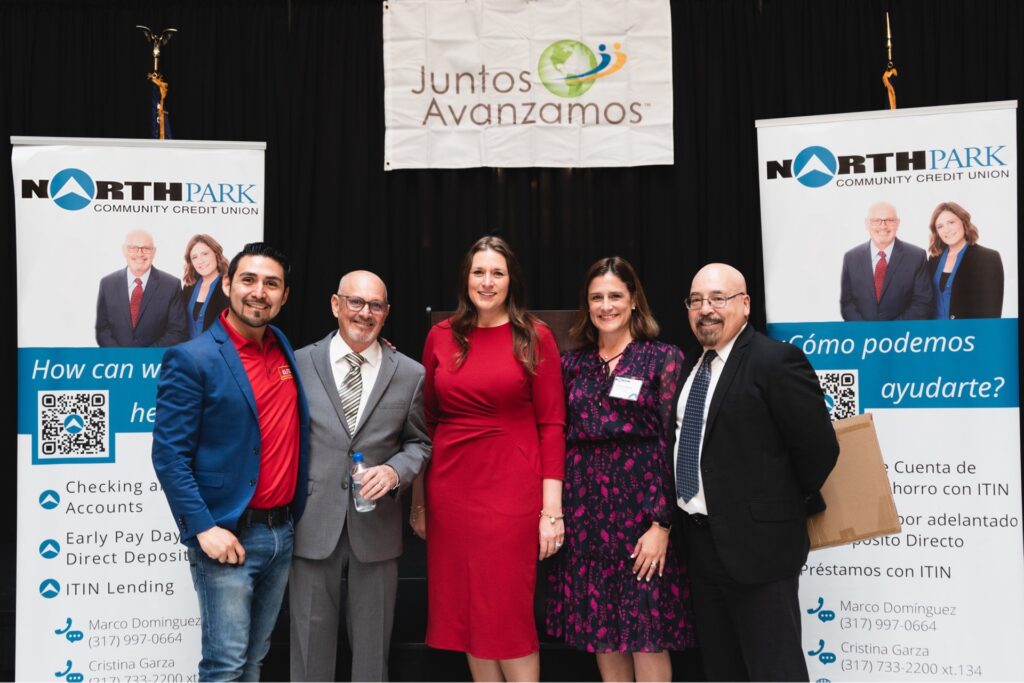
Meet NorthPark Community Credit Union, The Country’s First And Only Fully Virtual Credit Union

How does an infant with hearing loss, an ill anesthesiologist, and a Chapter 13 bankruptcy lead to the first fully virtual credit union in the United States? It starts with Carma Parrish and her son, Logan. 

Logan was born with a fifty-percent hearing loss. The School for the Deaf in Indianapolis recommended surgery to help him regain full hearing, and in 2011, Logan received this life-changing surgery. Everything went great—until a $30,000 medical bill showed up.
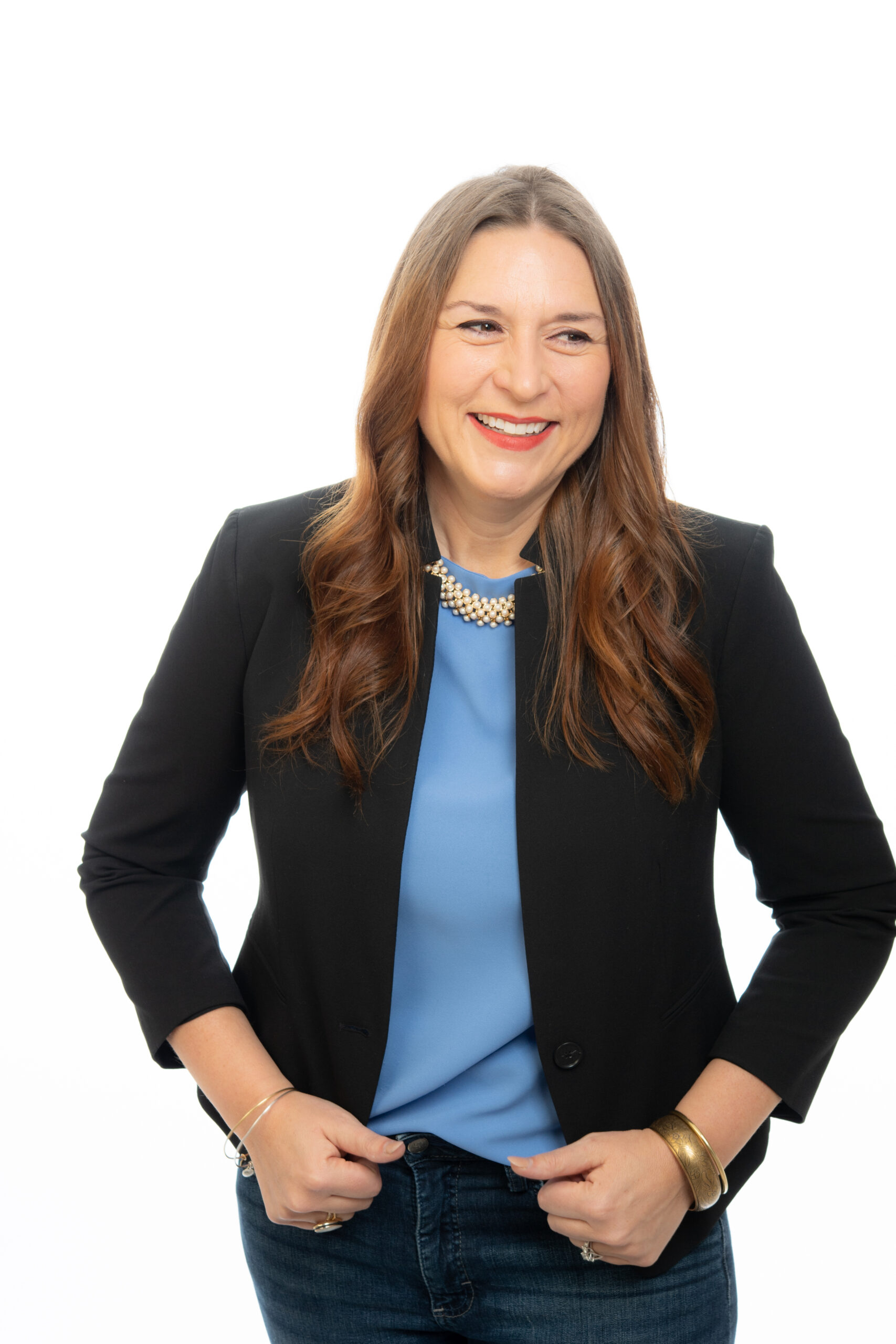
Carma Parrish, CEO of NorthPark Community Credit Union. Photo Credit: NorthPark Community Credit Union

Despite obtaining approval from the insurance company before the operation, the company billed the Parrish’s, citing the surgery was completed out of network. When Carma pushed back, she learned that the in-network anesthesiologist had called in sick on the day of her son’s surgery. The surgeon called in a favor from an out-of-network anesthesiologist for Logan’s procedure. No matter who she spoke with at the insurance company or the hospital, she received the same answer: “You owe $30,000.”

Carma called her senator, her congresswoman, and even the attorney general’s office where she filed an official complaint. Despite this, the hospital administration sent the sheriff to the Parrishs’ employers to garnish their wages. At the time, Carma was a vice president at a small local credit union—with an equally small paycheck. While the family was financially responsible, the budget was tight. They did not have $30,000, and now without paychecks, the mortgage, utilities and groceries became daunting hurdles.

Carma and her husband saw no option but to file for Chapter 13 bankruptcy to save their home and regain their paychecks. However, to be eligible for bankruptcy, they actually had to take on more debt—a car loan. The couple hid their bankruptcy from family and their employers not just out of shame but because of the fear that she would be fired.

Per Chapter 13 rules, for the next five years, Carma and her husband were not allowed to take out any new debt, could not amass savings, nor could they receive a tax return—a nearly impossible feat to survive. Statistics indicate only 1% of people who file Chapter 13 bankruptcy make it out—the other 99% turn it into a Chapter 7 filing. If this happened to the Parrish’s, they would lose their home. “That we survived shows it wasn’t an issue of fiscal responsibility: we were in the wrong place at the wrong time.”

The All-of-a-Sudden CEO, and the Failing Credit Union

Carma’s right place/right time came in 2015. Her employer was grooming her to take over as CEO of the credit union ten minutes from her house. Carma was tasked with traveling around to credit unions near and far, learning about software, and choosing one to implement for a core conversion update for her institution. 

This endeavor led Carma to NorthPark Community Credit Union, where she was offered the position of vice president of marketing on the spot. Carma took the job.

Photo Credit: NorthPark Community Credit Union

Within two months, the entire senior leadership team was gone, and Carma became NorthPark Community Credit Union’s CEO overnight. Her first meeting was with the credit union’s accountant. The news was bleak: the electricity bill was past due, the power was set to be turned off, there wasn’t enough liquidity to make payroll, and a budget had to be ready for her first board meeting that evening. 

Carma had a decision to make: Find a new job or try to save NorthPark. Ultimately, it wasn’t a difficult choice when she met the staff and learned of the families depending on their employment—Carma stayed. “It was the most bizarre thing and made no professional sense, but I felt led there.”

In 2018, a year after the Parrish’s’ Chapter 13 requirements were finally complete, Carma crashed her car. “I couldn’t get a car loan to save my life,” Carma says, despite having A+ credit and a well-paying job.

Frustrated, Carma turned to Cindy Duke, the CEO at Natco Credit Union, known for offering lending options to people after a bankruptcy. Cindy didn’t disappoint, but there was a catch: “Cindy said ‘I will do this loan for you on one condition: You have to adopt this lending strategy at NorthPark.’”

Challenge accepted. Carma’s personal journey is how NorthPark Community Credit Union came to serve the underserved.

Photo Credit: NorthPark Community Credit Union

Strategically Thinking Outside the Box

NorthPark began serving individuals with what Carma refers to as “colorful credit,” including those who’ve had significant life events—medical emergencies, unexpected layoffs, divorces, loss of loved ones—that have negatively affected their ability to pay and consequently, their lendability. The transformation included partnering with CNote through its Impact Cash® Solution, which channels dollars from socially-minded investors to mission-driven and FDIC- and NCUA-insured CDFI partners, like NorthPark.

“We want to help people get back on their feet again,” Carma says. “We do not give handouts; we give hand-ups. We are not a charity; we are not for profit. If you invest in us and do the work, then we’ll take a chance and invest in you.”

Under Carma’s leadership, NorthPark has taken strategic steps to recreate itself, decreasing its portfolio of 80% participation loans by 30% as they switched to only organic loans while simultaneously doubling its average loan yield from 4% to 8%. Even though a high-yielding loan portfolio means higher charge-off ratios, the net loan yield still comes higher than most credit unions gross loan yield. 

Lending to those often considered unbankable, NorthPark has achieved a net yield of over 6%, including fee income. Compare that to other socially minded credit unions, which have a median yield of 3.75%. 
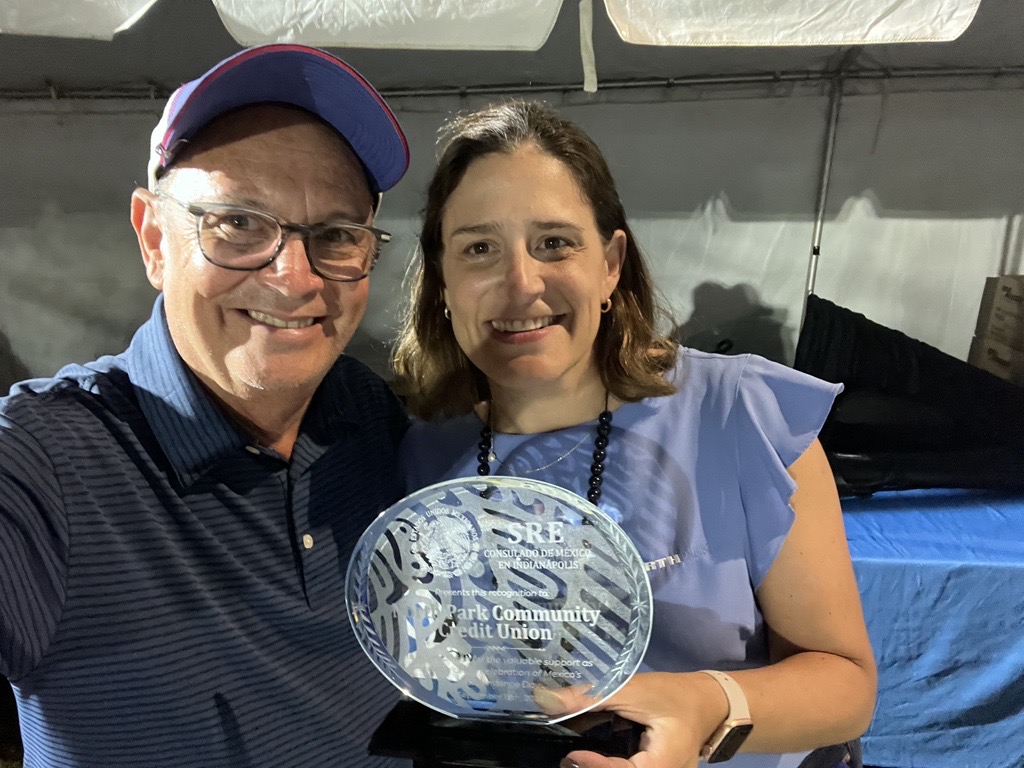
Photo Credit: NorthPark Community Credit Union

“You can’t just say we need to have a big heart and do this,” Carma says, “because that’s not going to work. If you look at the mathematics of this philosophy, it works. It’s not just good for the heart. It’s good for the balance sheet. It’s good for the income statement. This is what credit unions were built for.”

Passionate for the financial health of the community, Carma believes credit unions have become far too reliant on automated decisioning, which often selects against people with credit scores less than 640. Such practices tend to leave BIPOC borrowers—and people like the Parrish family simply in the wrong place at the wrong time—on the sidelines.

“How can you say you’re serving your community when you rely on auto-approvals?” Carma believes these people will turn to another lender who doesn’t meet their needs or who charges them predatory rates. “Even worse, they’ll go to a payday loan company. This is what we tell them are their options when we depend so heavily on automated decisioning.”

Motivated To Make Change

During the credit union’s makeover, Carma, her team, and her board decided to transition NorthPark Community Credit Union into the country’s first and only fully virtual credit union. Many of her staff stood behind the teller line, waiting to cash checks when Carma needed them to serve their community and perform more income-generating activities. By going virtual, NorthPark could also minimize its operating expenses to improve its owners’ capital for the greatest return.

Carma surveyed her staff to see what they wanted to do at the virtual credit union—she wanted to know what their dream jobs entailed. As NorthPark began educating members to prepare to switch to virtual transactions, Carma provided professional development opportunities for her team members to move up and develop within the virtual credit union, assuring them, “If you invest in NorthPark, we’ll invest in you.”
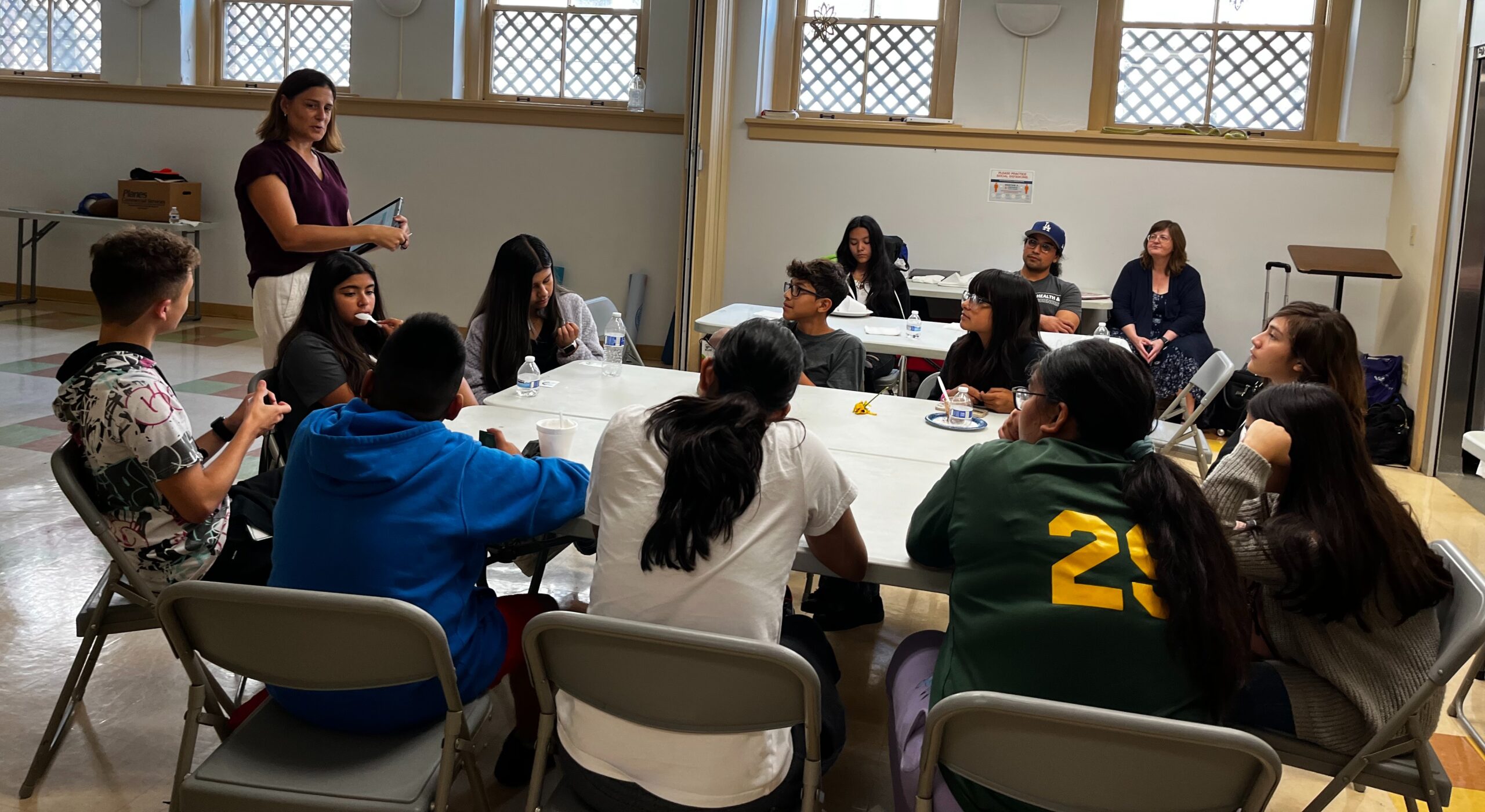
Photo Credit: NorthPark Community Credit Union

Things began looking up for NorthPark and Carma. The credit union readied itself to go fully virtual, with the first branch closing and the second one to be announced to the Board when COVID hit that same month. Overnight, NorthPark went 100% virtual and closed the remaining two branches. The credit union remains 100% virtual today for both its members and staff. 

Carma tracks NorthPark’s results to ensure the credit union continues to strengthen. The strategy seems to be working. NorthPark has attracted a broader pool of employees and members, and Carma can recruit top performers without the constraints of geography. Over 30% of Carma’s team lives outside Indiana, representing seven states and Puerto Rico. Nearly 30% of her team is dedicated to full-time community initiatives—and that number continues to grow.

“We say that we never sought to be a virtual credit union,” Carma said. “We sought to be a community credit union, and virtual just enabled it.”

As NorthPark continues to succeed, Carma continues to find motivation in her son—a strapping 6’4”, 16-year-old lineman—and in their shared story. In 2013, Indiana’s legislature passed ‘Logan’s Law,’ written to make sure insurance companies and hospitals cannot do to others what they did to the Parrish’s. An advocate for medical transparency and healthcare reform, Carma has testified in front of lawmakers about the interrelatedness of physical and financial wellness. 

Photo Credit: NorthPark Community Credit Union

Today, Carma challenges other credit unions to rethink their models and to train the next generation of CEOs to return to what credit unions were built for. Armed with NorthPark’s success stats, she explains that by taking on slightly more risk, these institutions can do so much more for their communities and their profits.

“It’s always a good reminder to not just accept things for what they are and to meet people where they are,” Carma said. “When we give people hope and opportunity, we make a difference in their lives, and that’s really what motivates me to seek change.”

Learn More:

  • NorthPark Community Credit Union serves Central Indiana and is the one and only fully virtual credit union in the United States.
  • CNote is a women-led investment platform that empowers individuals and institutions to invest locally to further economic equality, racial justice, gender equity, and address climate change.