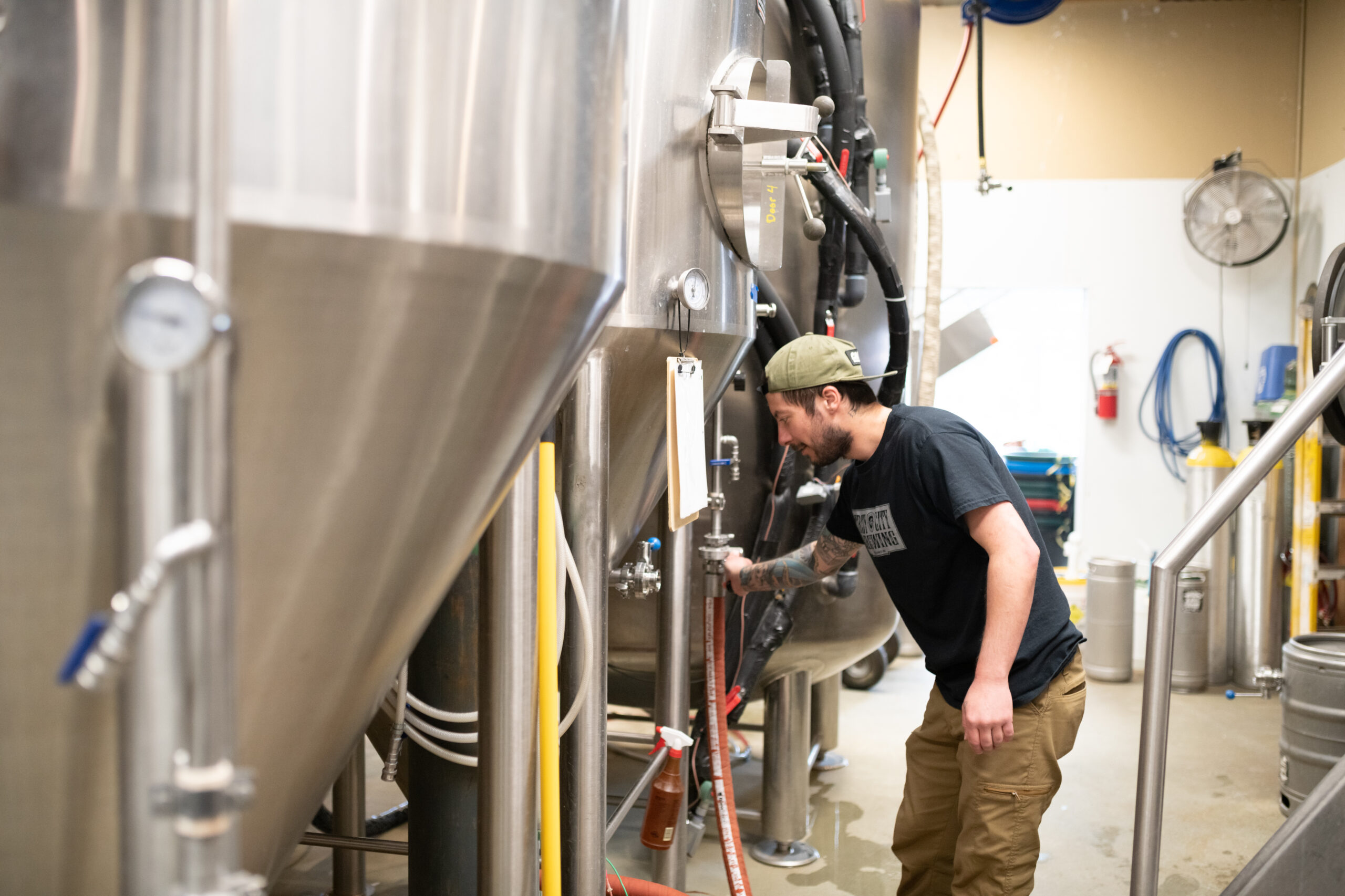
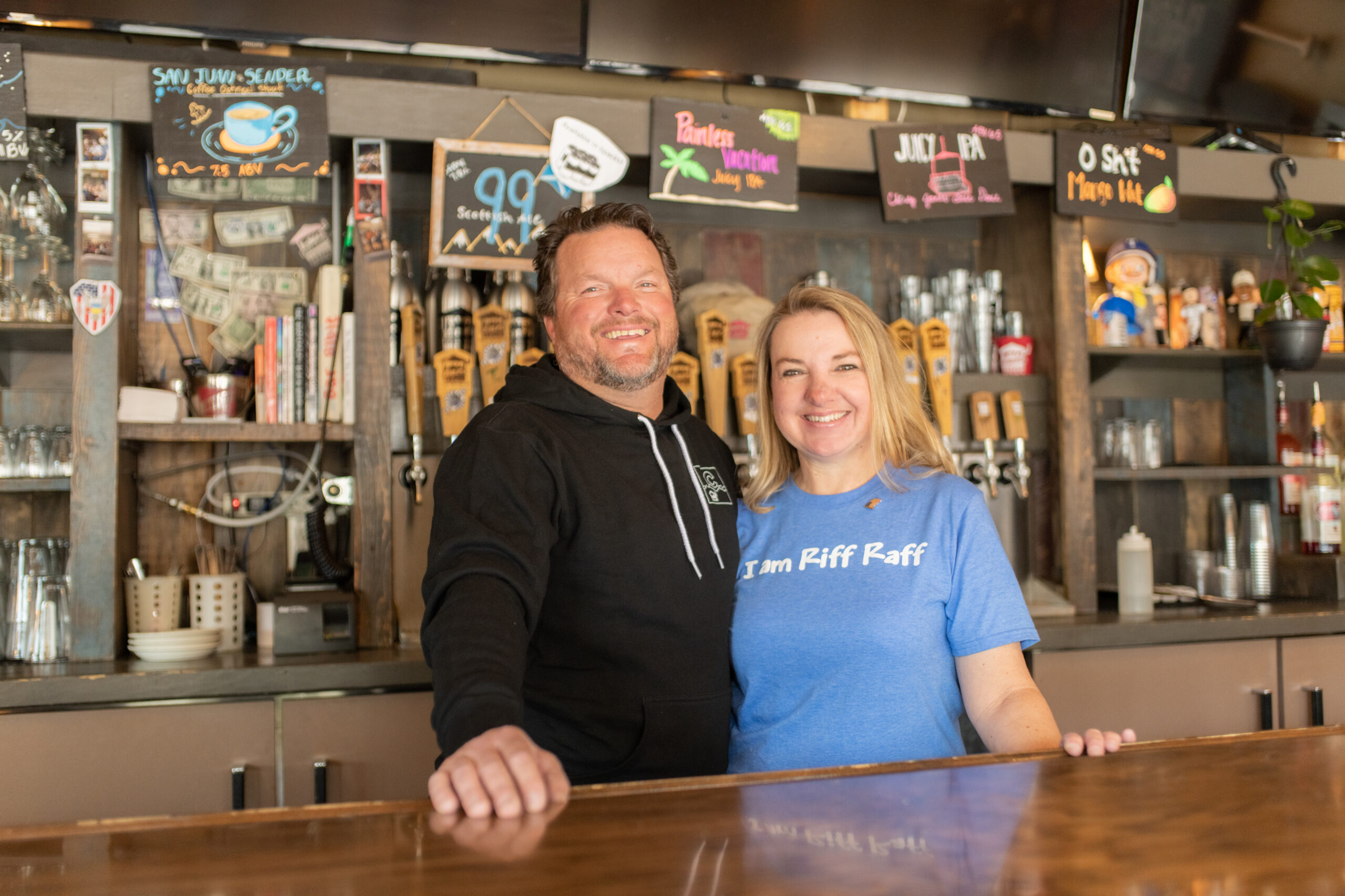
Like most homebrewers, when Jason Cox began making his own beer in 2005, he daydreamed about one day becoming a professional brewer. Despite aspiring to make the leap from hobby brewer to full-time brewer, Jason wasn’t quite ready. At the time, he operated his own software company, but in his free time, he continued to pour himself into his hoppy side hustle, brewing beer for his friends and fellow homebrewers.
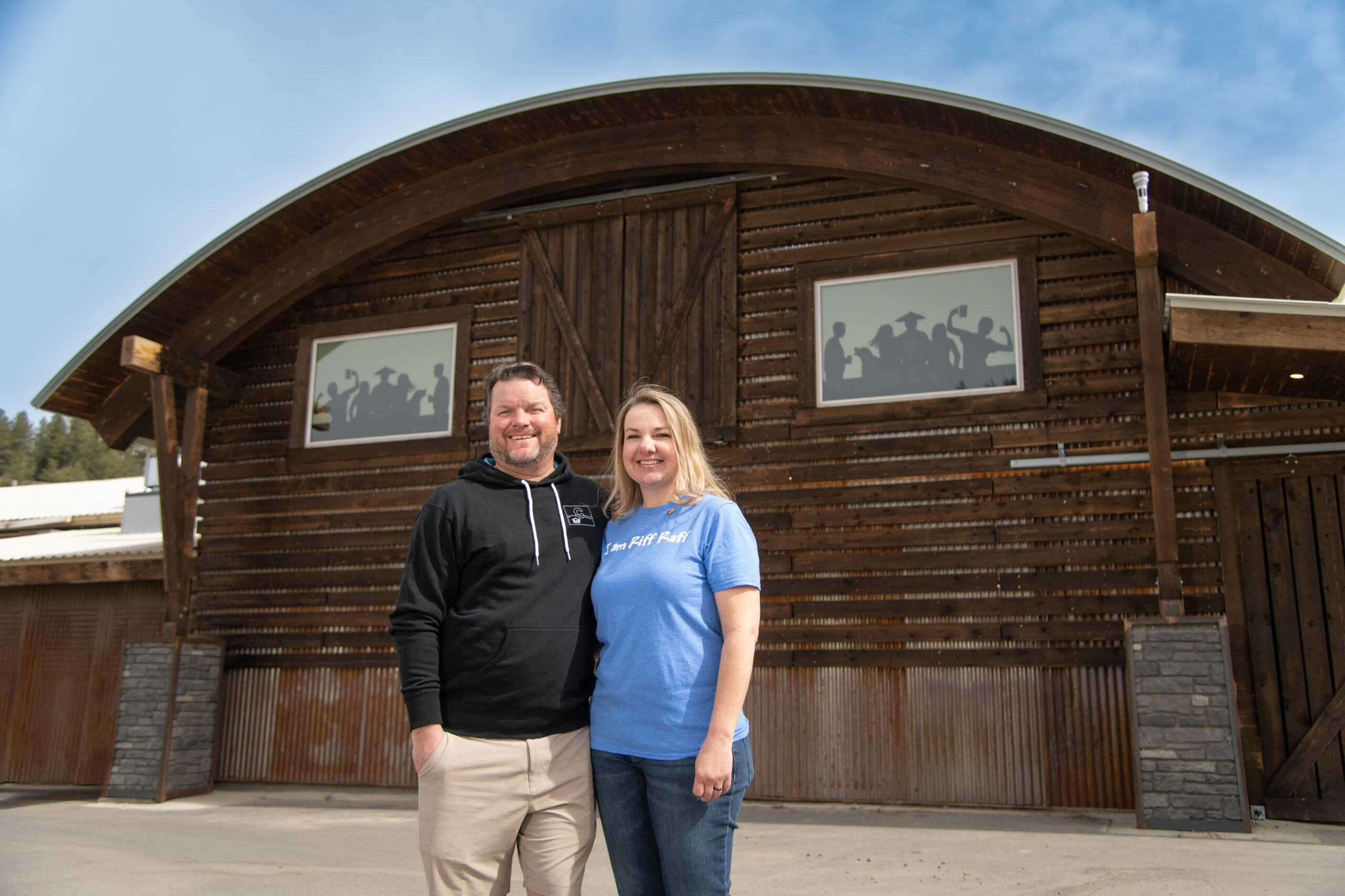 Come April 2012, however, Jason had grown bored with his full-time job, and he and his wife, Shelly, began to talk about their next professional moves — including Jason potentially starting his own brewery. The couple visited one of Jason’s old brewing buddies in Fort Collins, Colorado, who owned and operated his own brewery. Jason and Shelly toured the operation, and their time in Fort Collins left them feeling confident that they had what it took to run their own small business. Two days later, the couple met with some of Jason’s homebrewing friends back in Pagosa Springs, in Southern Colorado, and together, they decided to open a brewery by Memorial Day 2013.
At the time, Jason and Shelly didn’t have a name for their brewery, let alone financing or a location. However, the two were able to bring their “pipe dream” to fruition and to meet their target opening date. Riff Raff Brewing Company opened in Pagosa Springs on Memorial Day 2013 with 45 employees. “That’s the only deadline I’ve ever met in my life,” Jason said, laughing. “Somehow it all came together.”
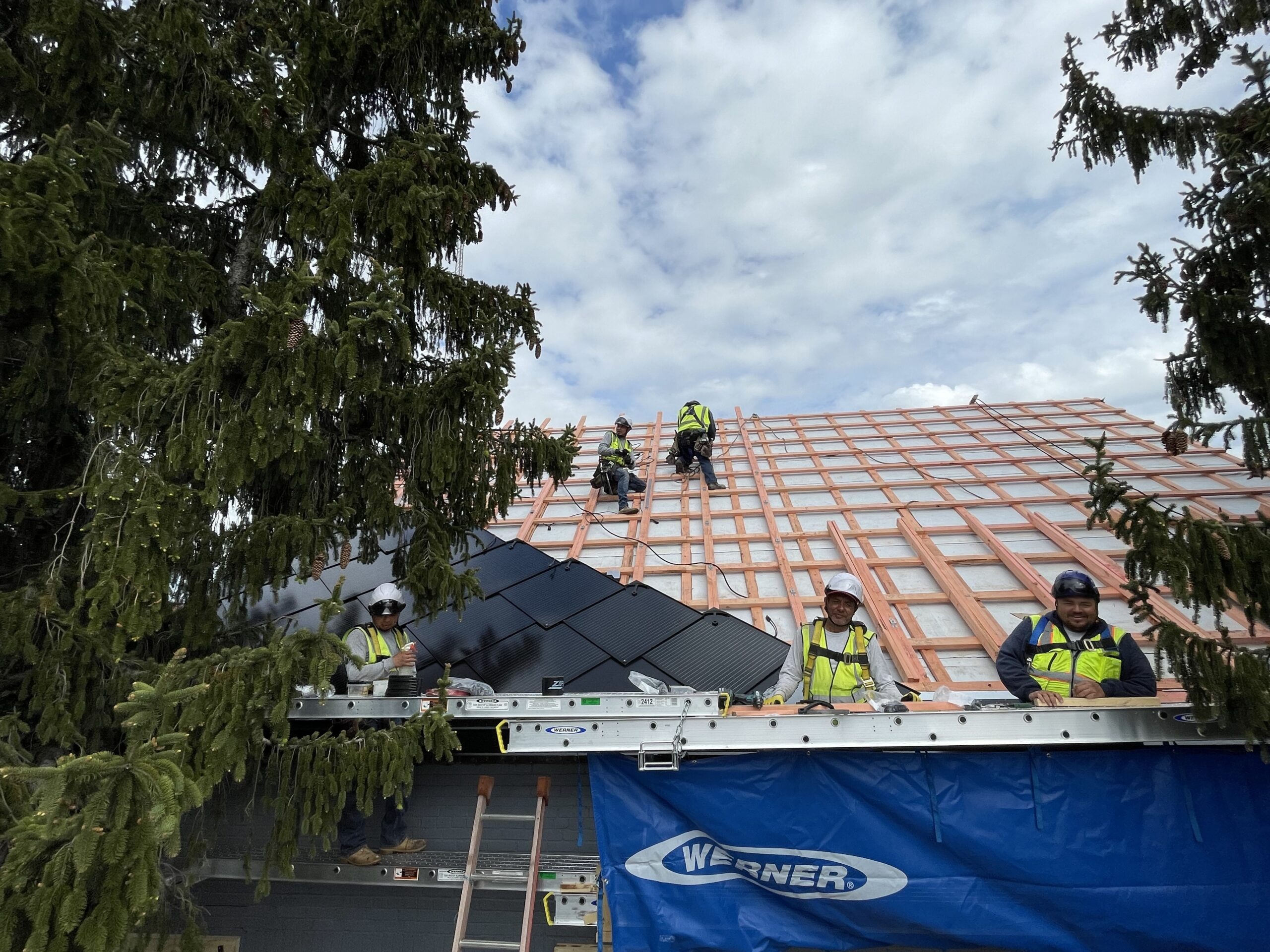
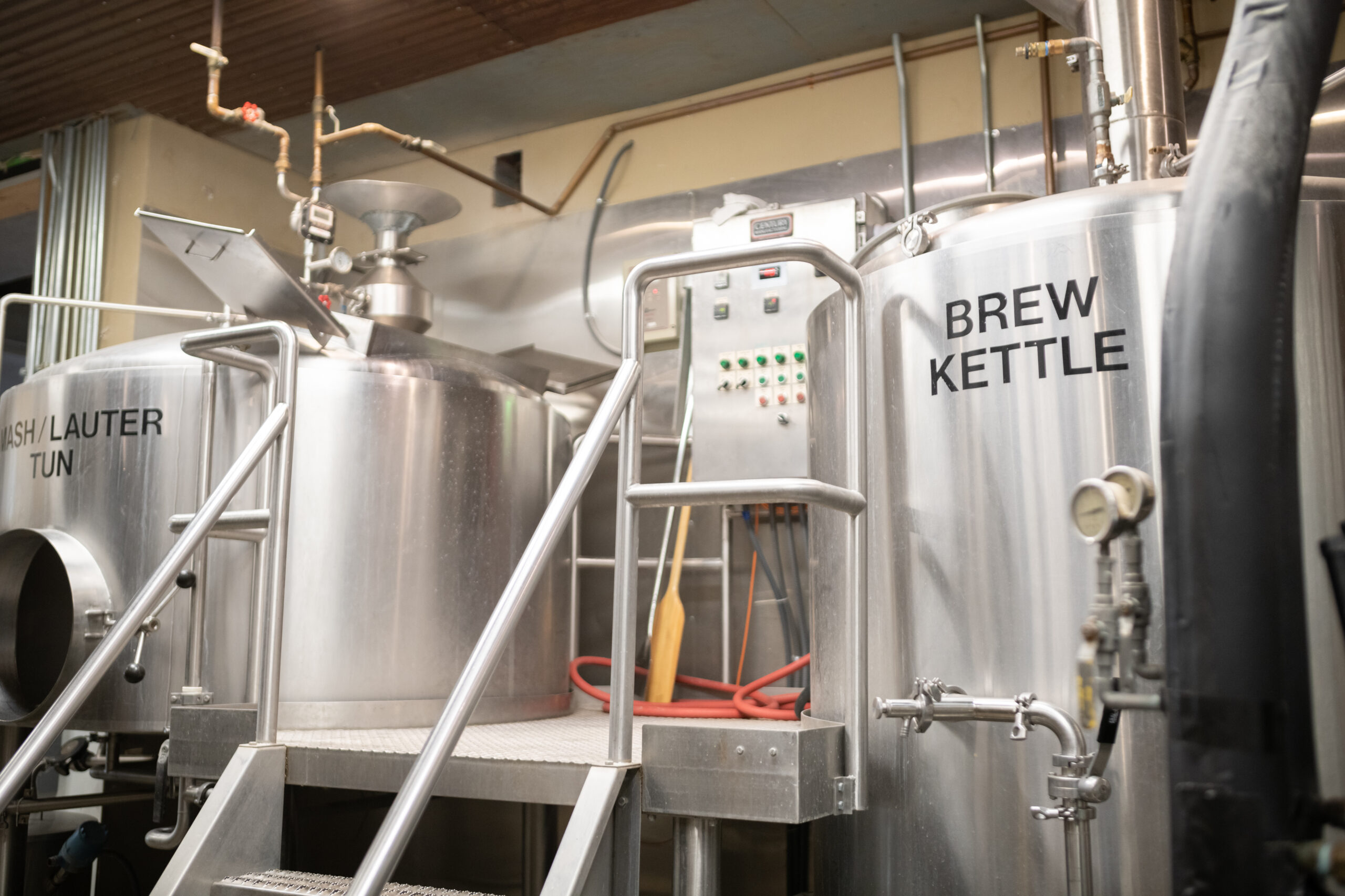
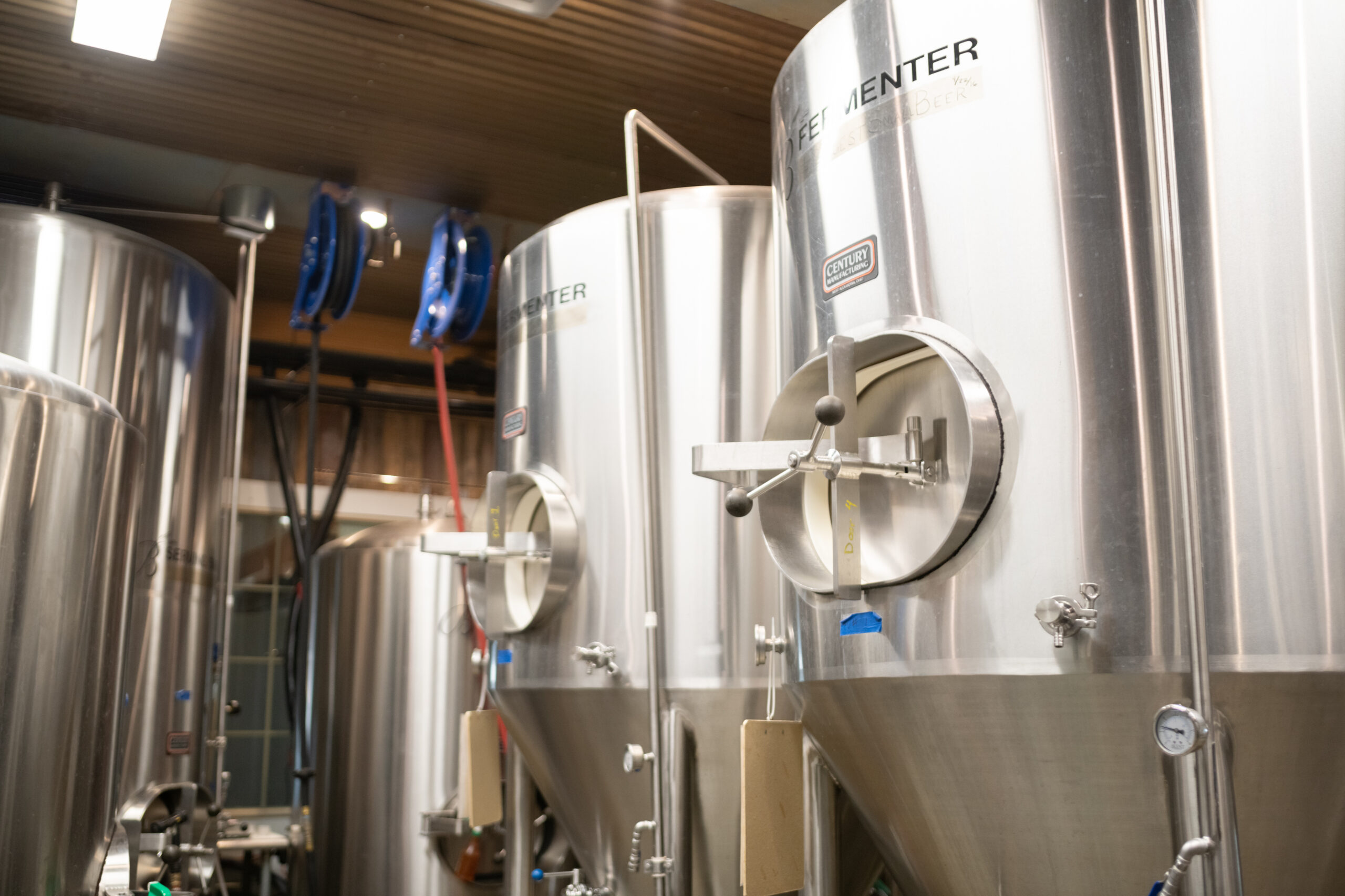
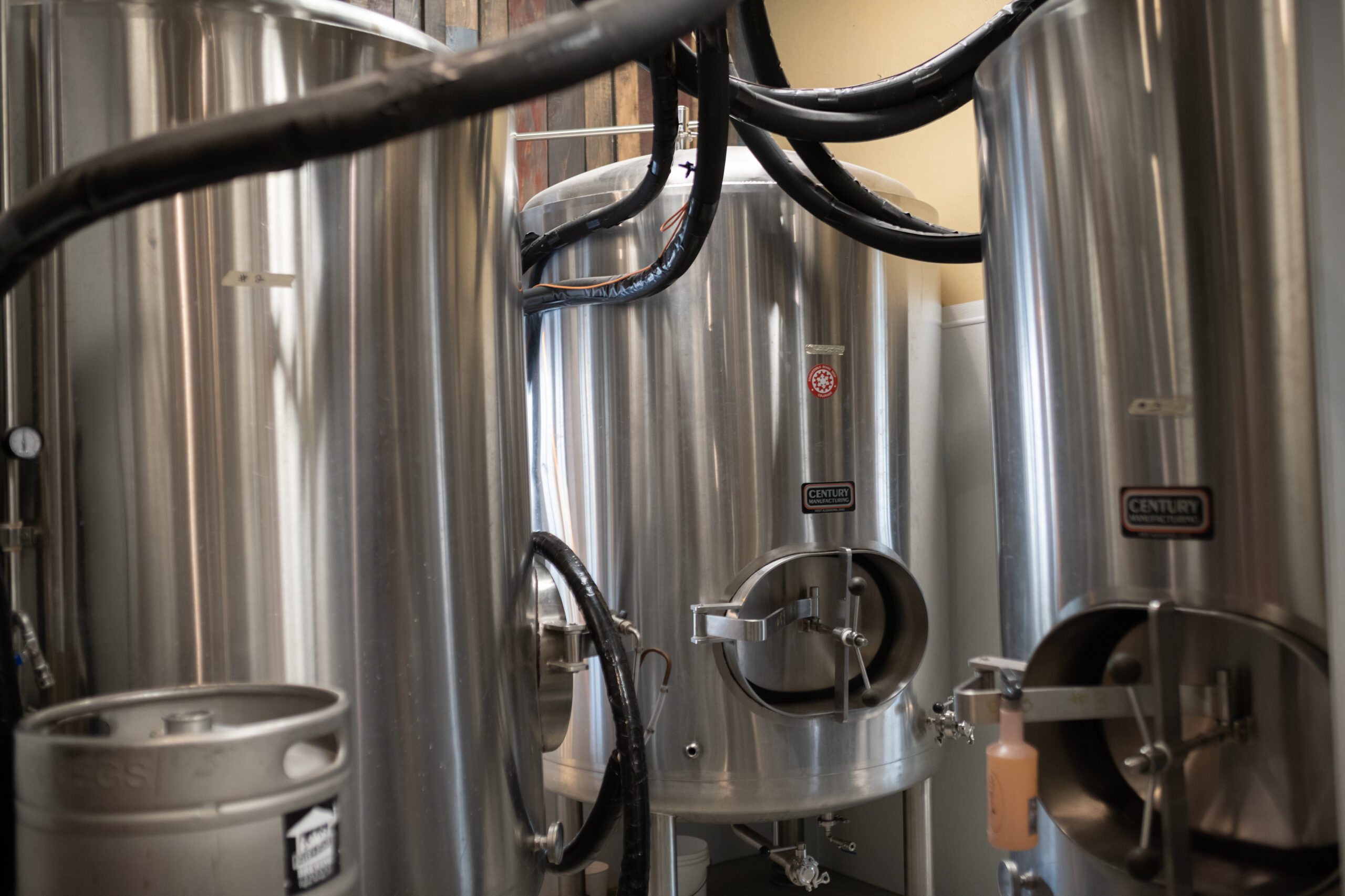
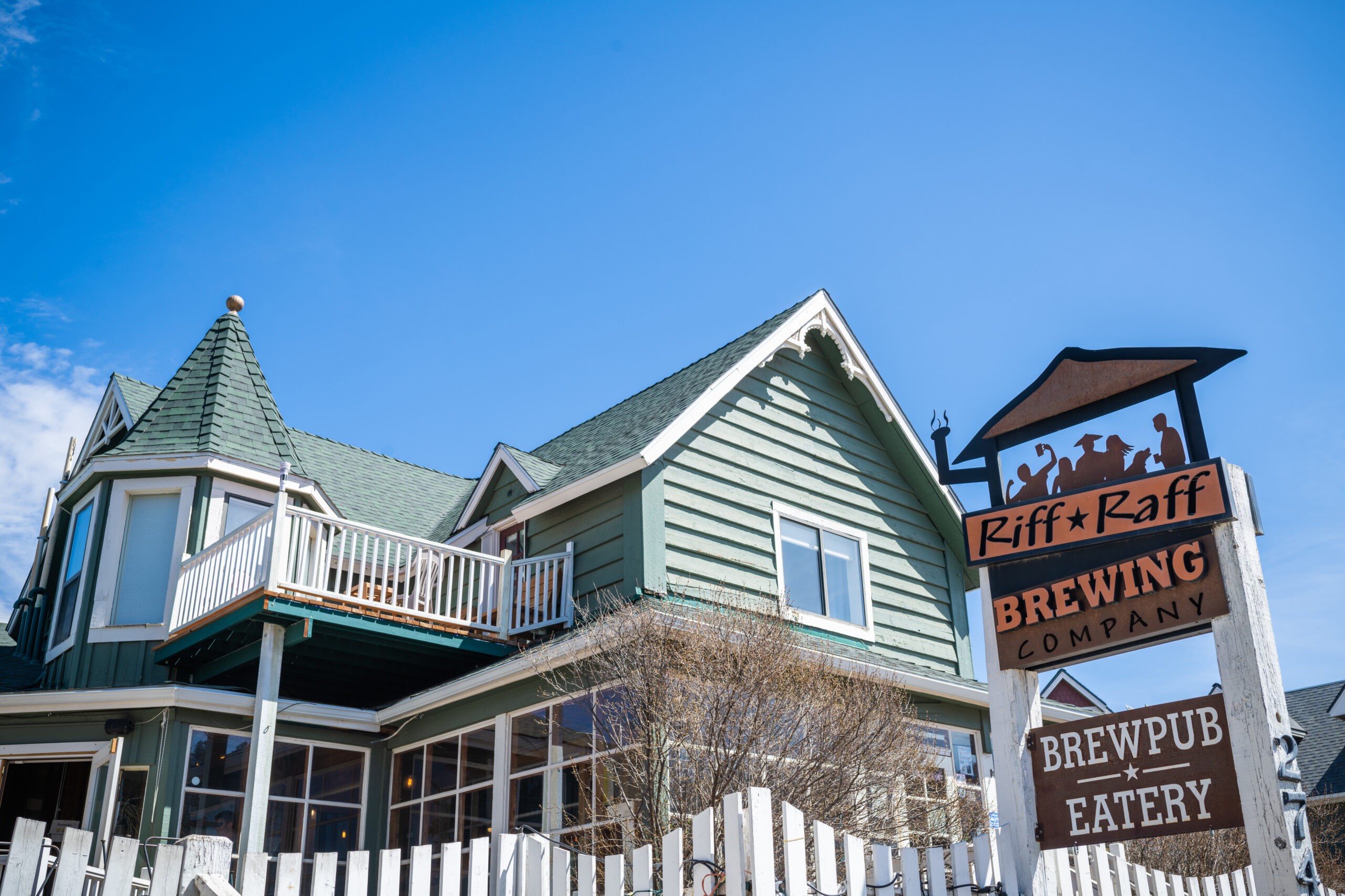 Riff Raff Brewing Company is housed in a historic 1896 Victorian that Jason and Shelly selected out of a list of 19 potential properties because the building has access to geothermal energy. The couple wanted to place sustainability at the center of their small business, and natural heat-exchange systems like geothermal are a cost-effective way of slashing fossil fuel consumption. In short, Riff Raff Brewing uses subterranean water pumped from Pagosa Springs’ famous hot springs and uses that geothermal energy to heat the water in its brew house, its kitchen, and its snowmelt system. Riff Raff Brewing’s reliance on geothermal energy is why Jason and Shelly were able to trademark the brewery’s tagline: Earth-powered beer. In fact, Riff Raff was the second brewery in the United States to use geothermal energy, and according to Shelly, the brewery’s “beautifully engineered system” has attracted a number of scientists who’ve visited town simply to tour the facilities.
Jason’s quick to admit that it’s no mystery why Riff Raff Brewing has been able to establish itself as a successful business in Pagosa Springs: it’s because of his wife. From the very beginning, Shelly, a self-identifying “gin and tonic and vodka girl,” was willing to lend her retail, marketing, and business acumen to get the operation off the ground. She’s since stepped in as the brewing company’s COO, and she’s played a key role in launching the business, hiring employees, and growing the brewery. “I have no skill,” he said, “but I have a great wife and partner. That’s how this works.”
Working with the ‘Cheers’ of Banks
In addition to being lucky to have a great wife and partner to start Riff Raff Brewing Company, Jason feels equally grateful to have a wonderful partnership with First Southwest Bank. First Southwest Bank is a Community Development Financial Institution-designated (CDFI) bank that has served the San Luis Valley for more than 100 years. First Southwest Bank is a CNote Impact CashTM Partner. CNote deploys Impact CashTM dollars in mission-driven and FDIC- and NCUA-insured partners like First Southwest Bank, generating returns on institutional investors’ cash allocations while supporting financially underserved communities across the country.
When Jason and Shelly were working to open their brewery, there were seven banks in Pagosa Springs, and according to Jason, First Southwest Bank was the only one who was willing to work with them. The couple met with Sherry Waner, who they continue to work with today. “Sherry literally came to our house to help us with Excel spreadsheets and financial statements,” Jason said. “She was willing to form a personal relationship with us, and that just made all of the difference.”
Although Jason and Shelly got private financing to acquire Riff Raff’s building, First Southwest Bank helped the couple to get a loan from the Small Business Administration (SBA) and it provided them with the operational capital needed to open Riff Raff Brewing Company. Over the past 10 years, First Southwest Bank has provided Jason and Shelly with three separate lines of financing, including a deal in 2018 with First Southwest Community Fund, which is targeted at creating new jobs in rural communities.
Additionally, over the years, First Southwest Bank has provided Shelly and Jason technical assistance that has helped the brewery to grow into a million-dollar small business in less than a decade. “First Southwest Bank has really held our hand over the years,” said Jason. “Whereas many banks wouldn’t even talk to us, First Southwest provides that extra level of service, and it continues to help us in a way that leaves us feeling empowered.”
Hoppy About The Present, Buzzed About The Future
Around the same time that Shelly and Jason purchased Riff Raff’s iconic Victorian, they also bought a river-front commercial property. Although they didn’t know exactly what they wanted to do with the space at the time, the location — not to mention the price — was too good to pass up. Five years into Riff Raff’s existence, and as the brewery was outgrowing its production space, the couple decided to open Riff Raff on the Rio. The front of the building houses a brewery, and in the back of the building is the only restaurant patio in Pagosa Springs that’s directly on the river. Despite their close half-mile proximity to each other, both locations have been booming ever since.
 Going forward, Jason and Shelly have considered expanding Riff Raff Brewing into Northern New Mexico and potentially Lubbock, Texas, where the two went to school at Texas Tech; however, in the short term, the couple is more interested in doing what they need to do to transition the brewery into an employee-owned business. Currently, between its two restaurants and its brew house, Riff Raff’s staff ranges from 62 to 85, depending on the season. For example, when Pagosa Springs population swells from roughly 13,000 residents to more than 50,000 during the summer months, Jason and Shelly rely on a larger pool of part-time employees to serve their customers. “I’m not gonna lie,” said Shelly, “I enjoy having our two locations. We’ll pursue opportunities that come to us naturally and that feel like the right fit for Riff Raff, but we’re being smart with our growth.”
“Vision wise,” added Jason, “we’re at a point where things are at a good spot. If we need more capital, First Southwest would definitely be our first choice, but we’re at such a stable point as a business. We’re not here to make a bunch of money, and we’re not here to be the best brewery. We’re here because we want people to come in, and we want everyone to feel welcome.”
 Learn More:
- Founded in 2013, Riff Raff Brewing Company operates in downtown Pagosa Springs, CO in an 1896 Victorian style house – one of the oldest buildings in Pagosa. Not only does RRBC brew all six of our yummy Flagship beers and five different seasonal taps that rotate constantly to keep things fresh and inventive, but we also feature eclectic and unique twists on burgers, nachos, and salads, including goat, lamb, and yak burgers
- First Southwest Bank is a Community Development Financial Institution (CDFI) bank that works to improve Colorado’s social and economic landscape while putting community at the core.
- CNote is a women-led investment platform that empowers individuals and institutions to invest locally to further economic equality, racial justice, gender equity, and address climate change.