Monthly Archives

October 2022

By CNote, Migration V2

CNote attends the National Bankers Association’s 95 Anniversary Conference

CNote attends the National Bankers Association’s 95 Anniversary Conference in D.C.

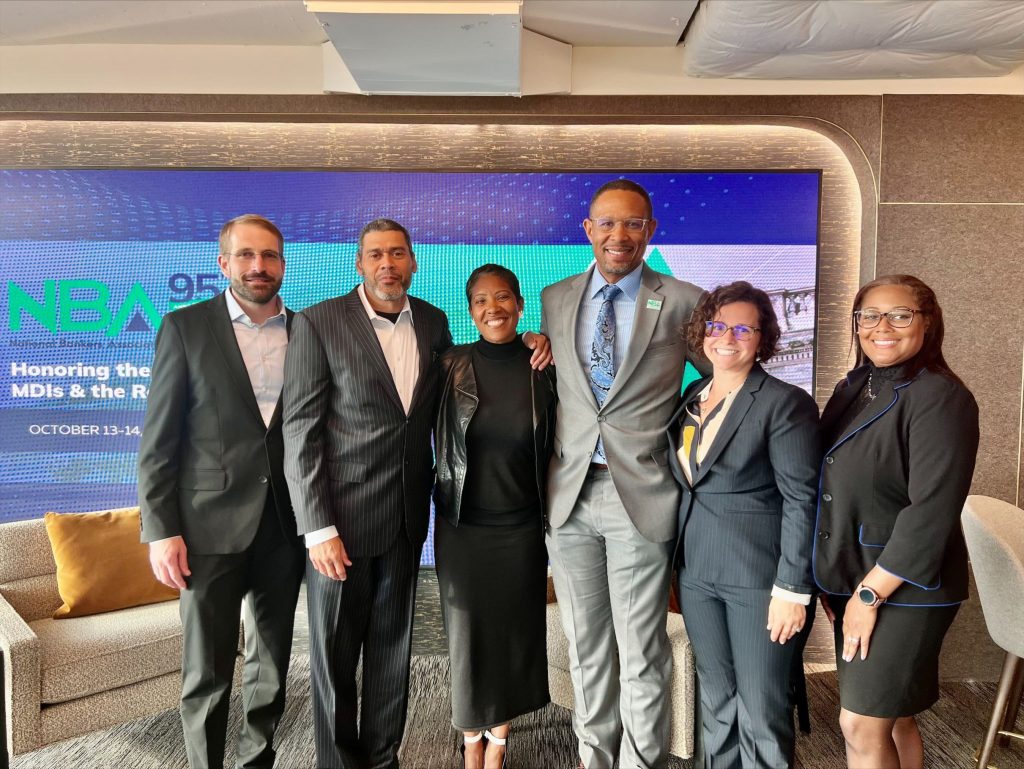
The National Bankers Association’s 95th Anniversary Conference: Honoring the Past, Shaping the Future: MDIs and the Road to Wealth Creation was held on October 13th and 14th in Washington D.C. The conference featured two days of programs and events focused on strengthening minority depository institutions (MDIs). CNote’s Barāta A Bey, director of community finance, was in attendance. 

In addition to connecting in person with banks and vendors in the community and impact-driven finance space, Barāta sat in on talks featuring federal regulators, the U.S. Department of Treasury, and spokespeople from the Federal Reserve on topics including future MDI funding opportunities, advancing financial inclusion, and today’s economy. 

Barāta also attended a session, “Closing the Racial Wealth Gap: How Impact Investing and Reporting is Critical for MDIs,” which was a conversation around the key role investors can play in scaling the impactful work MDIs achieve. National Bankers Association (NBA) is a trade association focused on the priorities and needs of MDIs. NBA works to support and strengthen America’s minority-owned and operated banks through federal advocacy, policy, and programs. NBA’s members include Black, Hispanic, Asian, Pacific Islander, Indigenous, and women-owned and operated banks across the country, all working to help low- and moderate-income communities.Through NBA these members gain more opportunities to participate in national conversations about closing the racial wealth gap.

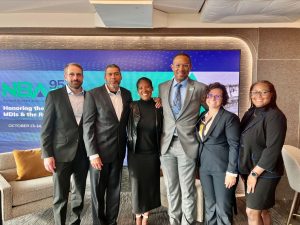
Dominik Mjartan (far left), CEO of CNote partner Optus Bank, and Nicole Elam (center left), president and CEO of NBA together with other conference speakers.

Major conference themes included the trends, challenges, and opportunities that uniquely impact MDIs. Barāta shared that the conference was “an inspiring showcase of innovative solutions coming out of the industry and the organizations and associations around MDIs that are similarly on a mission to eliminate the racial wealth gap in America.” At CNote we’re excited to fold his key learnings into the work we do with MDIs across the country and the communities they serve. 

To learn more about NBA and their annual conference, visit: https://www.nationalbankers.org/

By CNote, Impact Investing, Impact Metrics, Migration V2

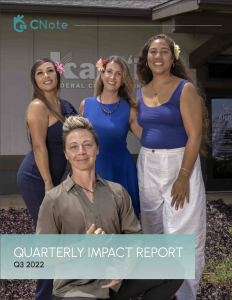
CNote’s Q3 2022 Impact Report

CNote is excited to share our Q3 2022 Impact Report.

Our Q3 report features the impact our mission-driven partners have had in communities and the innovative work other industry associations are pioneering alongside us. Additionally, CNote is excited to announce two new hires on our engineering team, and that we have expanded the suppliers we work with to include a women-led and -founded IT and security support company.

In this report you will see:

  • An update on CNote’s growing and diverse team and network.
  • An update on Impact Cash, CNote’s fixed income solutions, and our customizable promissory loans.
  • A look at some of inspiring industry associations CNote works with that are pioneering innovative programs of their own.
  • CNote borrower spotlights that highlight the impactful work mission-driven lenders have done this quarter.

By Community Partners, Migration V2

How Chicago Community Loan Fund Is Filling Lending Gaps To Grow Wealth

When Wendell Harris found himself out of a job in 2013, he wasn’t exactly sure where he was going to land within the world of banking and real estate. Fortunately, Robert Rose, one of Wendell’s former bosses, heard that he wasn’t working. At the time, Robert was in a leadership role at Chicago Community Loan Fund, a federally certified community development financial institution (CDFI). Robert called Wendell and told him to report to work in two weeks. Wendell joined Chicago Community Loan Fund as a senior loan and program officer, and six years later, he became the vice president of lending operations.

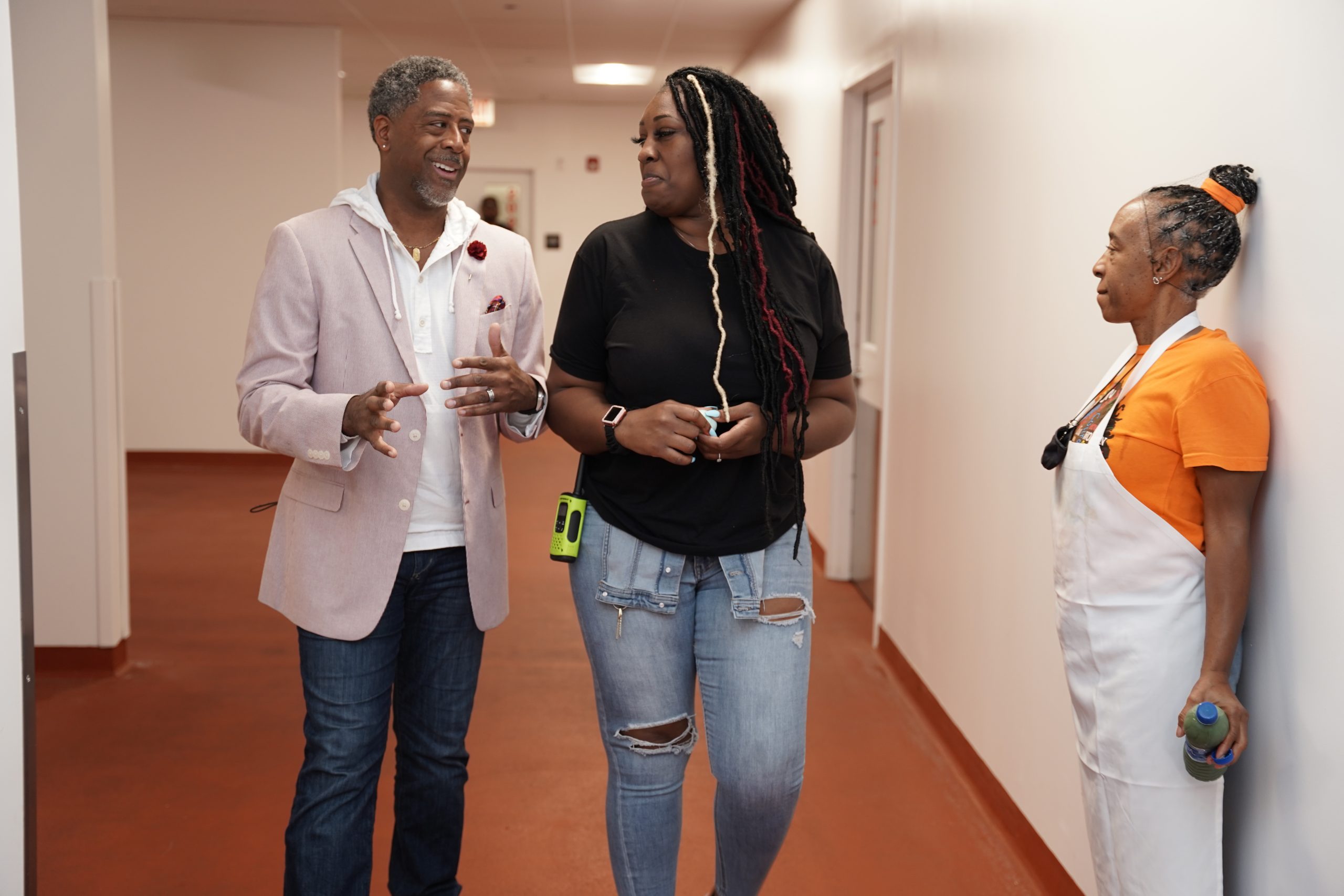
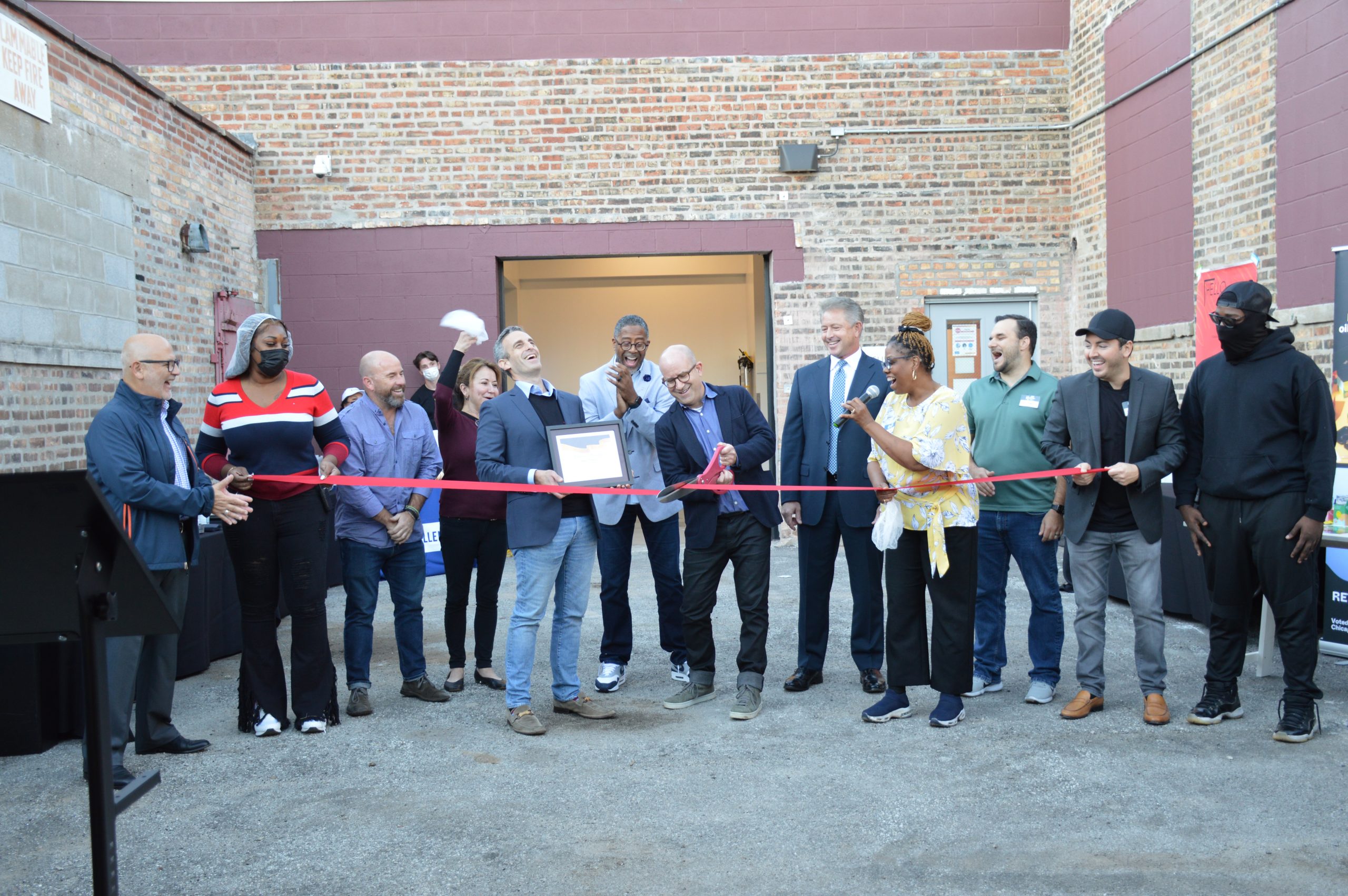
Wendell Harris and Sheneka Harris, General Manager of Amped Kitchens Chicago

Chicago Community Loan Fund was founded in 1991 by a group of social-investment advocates who wanted to create a nonprofit lender to provide flexible, affordable, and responsible financing and technical assistance for community stabilization and development efforts in Chicago. Additionally, the nonprofit wanted to fill community development credit gaps by launching initiatives that would benefit low- to moderate-income individuals, families, and neighborhoods throughout metropolitan Chicago. Like other CDFIs across the country, Chicago Community Loan Fund prides itself on ensuring that community developers in Chicago have an accessible lender to turn to for harder-to-underwrite projects and enterprises.

Wendell has been firmly behind Chicago Community Loan Fund’s mission from his first day with the CDFI. Wendell’s father, Moses Harris migrated to Chicago in 1956 where he landed a job as a machinist at the former Oscar Meyer meat packaging plant across the street from the Cabrini-Green housing project.  Wendell’s mother, Ruth, followed in 1957 after attending a year of college at Tougaloo College in Mississippi.  She continues to share her experiences on picking cotton in Mississippi.  Wendell’s parents were part of the Great Migration of Black Americans leaving the South for cities in the North and West. His parents married in 1958 and moved to Markham, Illinois in 1965.  Wendell’s parents were parents to the entire community of Markham.  Moses kept the kids occupied with sports while Ruth sang heavenly gospel notes throughout the South Suburbs and Chicago.  Wendell was surrounded by family members (including 3 older brothers), friends, and community members with varying levels of business acumen.  “I still remember Mr. Faulkner.  To see a black man in the 1980’s own a bumper company in Markham and a Chrysler dealership in Harvey, Illinois, meant a lot to us.  Slavery is more than just chains and shackles,” he said. “Economic slavery hit our communities had and we continue to be boxed in to limited opportunities”

Unsurprisingly, Wendell and his colleagues have an unmatched desire to shrink the wealth gap in metro Chicago, with an emphasis on the South and West sides of Chicago by giving people in the community the opportunities they need to be successful. For Wendell, that means underwriting deals — deals that traditional lenders won’t touch — that will ultimately benefit both community members and the CDFI. In the past five years, Wendell has underwritten investments at Chicago Community Loan Fund that leveraged more than $443 million in real estate transactions that strengthen lower-wealth communities. “We want to allow wealth to flow,” he said. “When that wealth flows, it opens up more opportunities, because families have more to do more with. At the end of the day, our role is to help create more wealth in these communities — period.”

It Takes The Whole Village

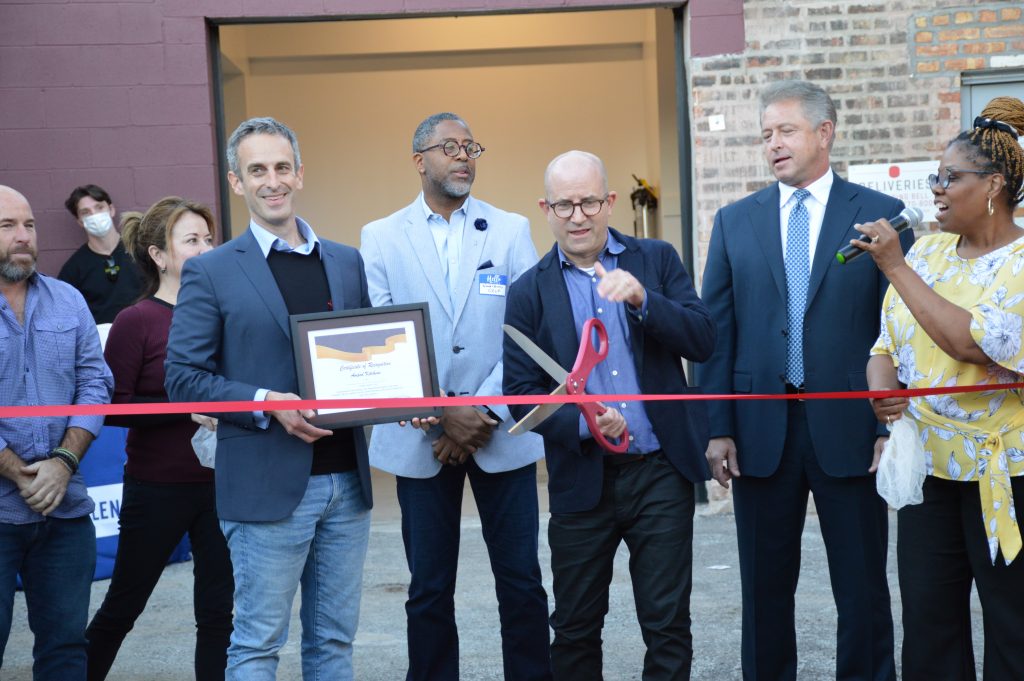
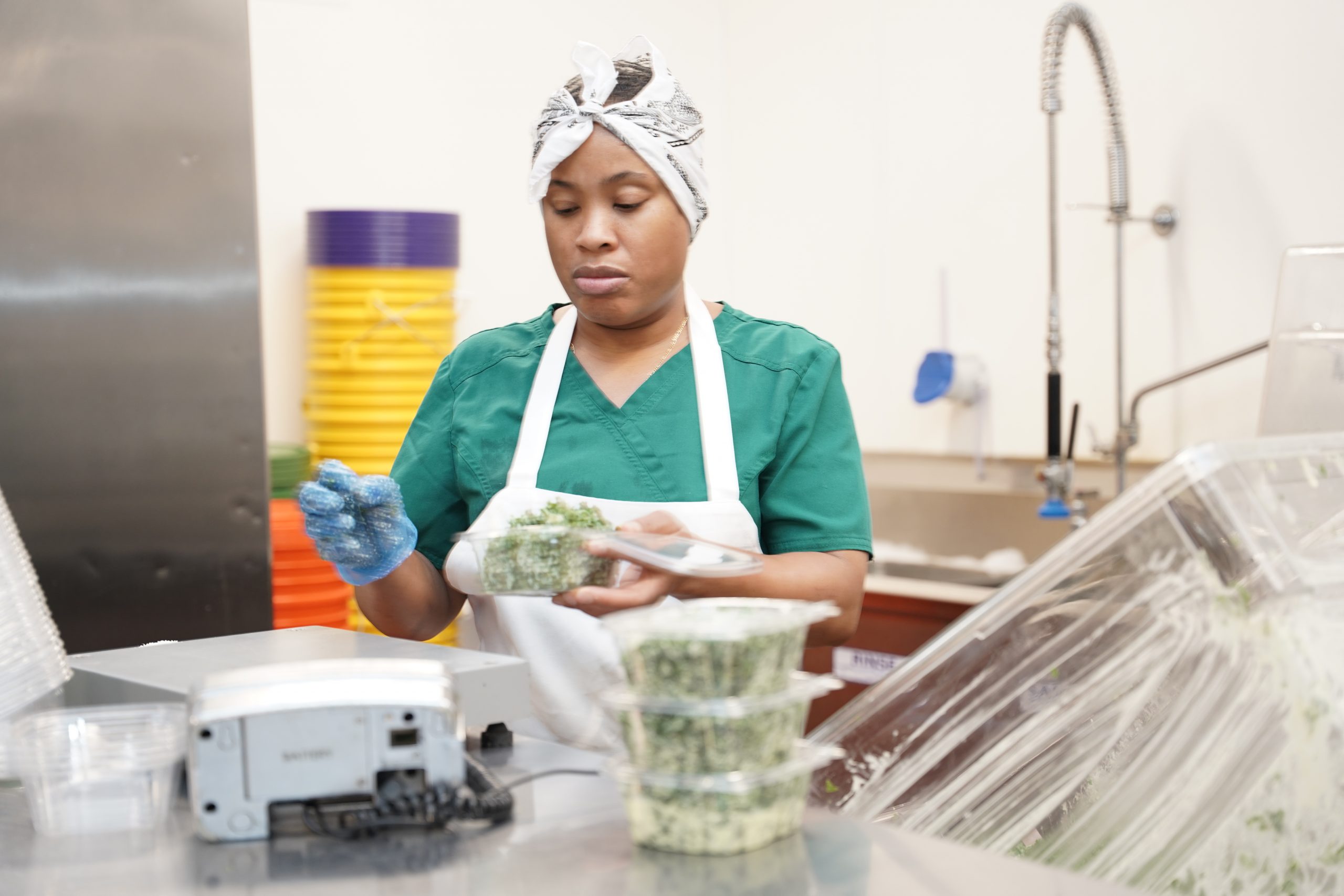
Chicago Community Loan Fund plays a unique role in community development efforts throughout Chicago. Not only does the CDFI offer complete financing for small projects that other lenders won’t cover, but Chicago Community Loan Fund also steps in to fill credit gaps for larger projects. That was the case with Amped Kitchens Chicago: a $25.3 million deal to turn a 117,000-square-foot vacant warehouse in Chicago’s Northwest Side into an “apartment building for food companies.” While Chicago Community Loan Fund only lent $4 million to the project, Wendell and his colleagues collaborated closely with a local team of nontraditional lenders like Local Initiatives Support Corporation (LISC) Chicago, BlueHub Capital, and Chicago PACE to bring the project to life. 

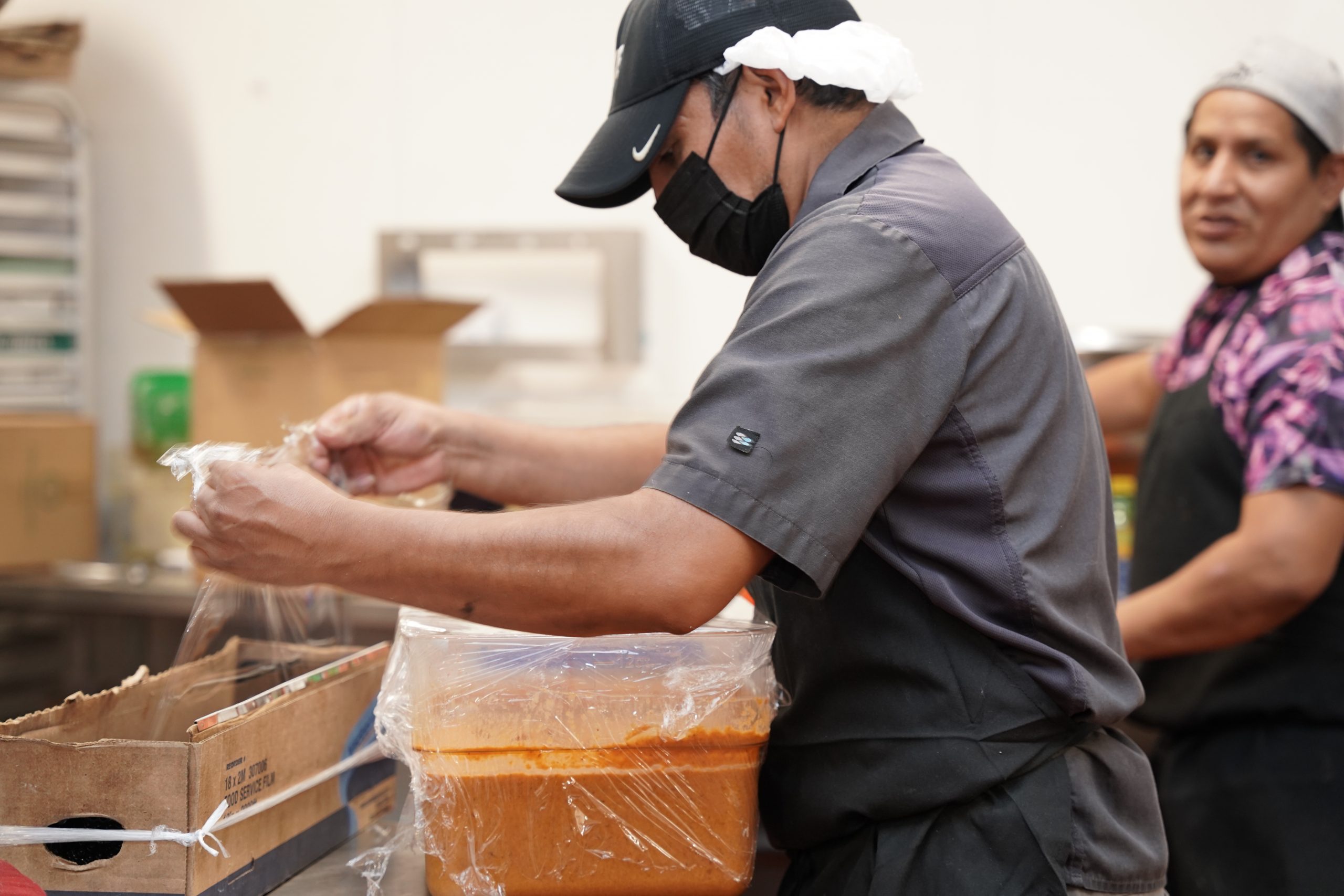
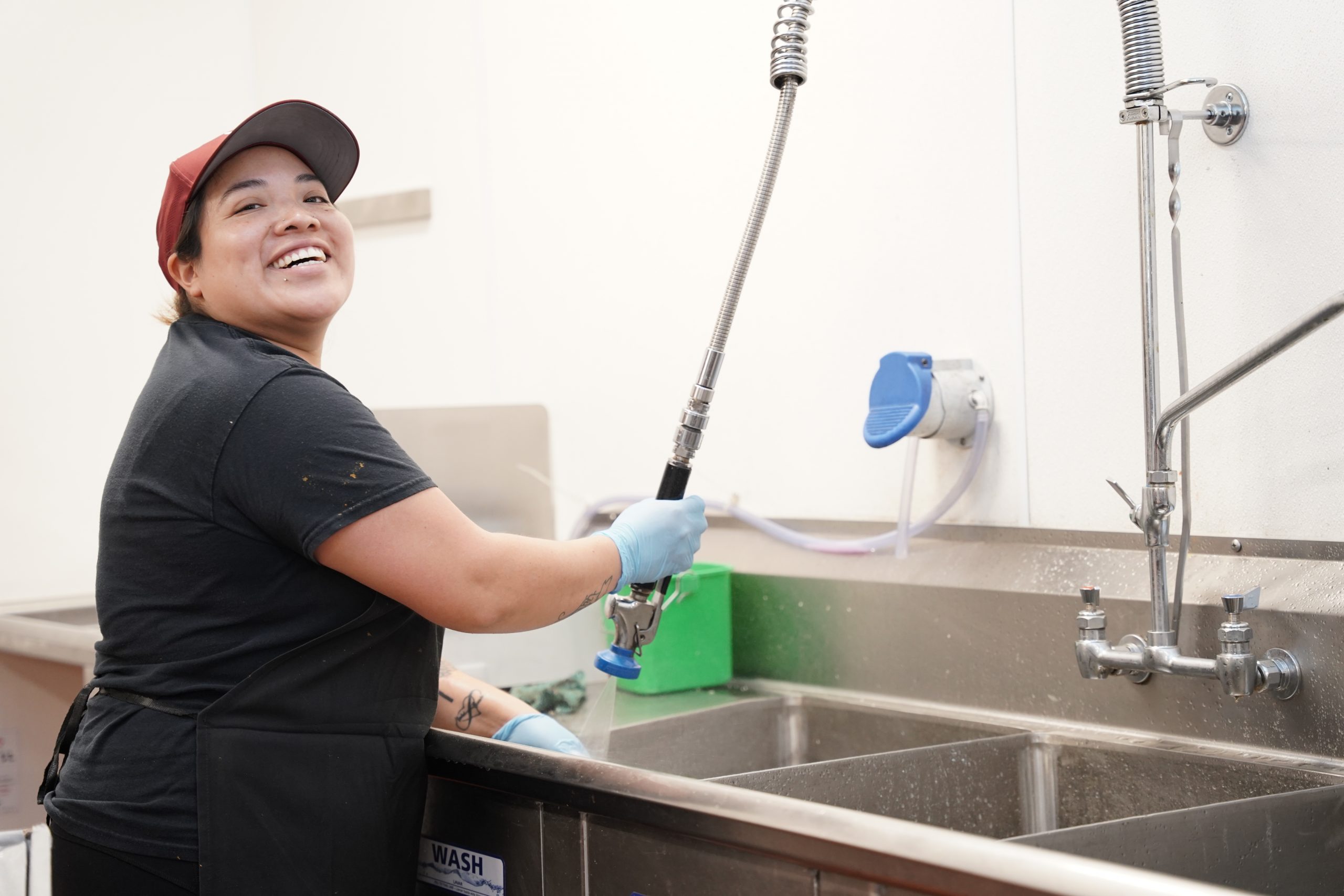
Amped Kitchens is a Los-Angeles-based “growth kitchen” company that rents out space and offers amenities and support to businesses wanting to grow. Unlike ghost kitchens, Amped Kitchens focuses more on creating space for wholesale production and distribution, including storage space, offices, conference rooms, and loading docks. Still, when Wendell initially learned that Amped Kitchens wanted to establish its third location in Chicago, he was skeptical. The concept wasn’t new to the Windy City — The Hatchery Chicago’s 67,000-square-foot facility, for example, was already one of the largest food incubation spaces in the country at the time. However, the more Wendell learned about the project, the more he understood how Amped Kitchens could serve the needs of chefs and small business owners in an important way, primarily by offering more space to entrepreneurs who’d outgrown their smaller kitchens. Additionally, given all of the factors at play, Wendell knew that this was a project that would be very difficult for a traditional lender to get behind. “This is part of the cycle of allowing entrepreneurs to really be able to stand on their own,” Wendell said. “And it’s taken the whole village. It’s taken the innovation of the folks in the kitchen, it’s taken the CDFIs’ patience to be able to figure out how to fund it, and it’s taken the large institutional investors to make this happen.”

According to Wendell, the Amped Kitchens project experienced its fair share of hurdles, including the COVID-19 pandemic; however, in October 2021, the new facility officially welcomed its first tenants. Amped Kitchens Chicago is divided into 64 commercial kitchens that range in size from 150 square feet to 2,000 square feet, and although it hasn’t reached full capacity yet, inquiries, tours, and new leases continue to trend upward. Amped Kitchens has already become an important partner in allowing local grassroots food businesses like Soul Vegan, Half Day, and Scone House Cafe to mature in Chicago, helping to give entrepreneurs another stepping stone on the path from their home kitchens to owning their own commercial real estate, having a more viable presence in the community, and building wealth. 

That’s precisely the kind of legacy that Wendell wants to leave behind. Although he isn’t preparing to retire anytime soon, Wendell wants to be able to look back at the work he’s doing at Chicago Community Loan Fund, including the Amped Kitchens project, and know that he was part of building wealth for people in his community. “I want a couple of generations down the line to be able to look back and not have to see how close they are to slavery,” Wendell said.  “I’m hoping to be able to help put the families behind these businesses in a better position to be able to pass on more wealth to their children.”

Learn More

  • Chicago Community Loan Fund is a a federally certified community development financial institution (CDFI) that provides low-cost, flexible financing and hands-on technical assistance to community development organizations for affordable housing, economic/commercial development & social service/nonprofit facility initiatives.
  • CNote is a women-led investment platform that empowers individuals and institutions to invest locally to further economic equality, racial justice, gender equity, and address climate change.
By Borrower Stories, Community Partners, Migration V1

Meet The Disability Opportunity Fund, The CDFI Behind West Virginia’s First Fully Accessible Hotel

Charlie Hammerman didn’t aspire to start his own CDFI; however, since his daughter was born with special needs in 1990, Charlie has wanted to be a change agent. Specifically, Charlie’s been on a professional mission to get people to think about and acknowledge the world that he, his family, and some 20 percent of the United States experience: a world touched by the life of someone with a disability. 

Although Charlie spent time working as a federal prosecutor and later as an in-house attorney on Wall Street, it wasn’t until his career shifted over to the capital markets arena in 1997 that Charlie began to feel like he was in a position to begin to “gently persuade” CEOs and CFOs to look at disabilities as another market for their companies. This included pushing for more representation in companies’ marketing campaigns and more targeted marketing at special needs’ communities. For example, Charlie helped Research in Motion, which was later rebranded to BlackBerry, to realize that its technology would be perfect for the hard-of-hearing and deaf communities, as it provided a means for instant communication. Within six months, the company abandoned its B2B stance and placed an advertisement in a disability magazine. It was Charlie’s first taste of being able to have an effect on mainstream America.
In the early 2000s, those experiences motivated Charlie to want to create a social impact fund on disabilities; however, those three words fell foreign on the ears of his bosses. Despite people’s lack of familiarity with social impact funds, Charlie persisted, and one conversation led to another. Finally, he connected with a colleague who told him about Community Development Financial Institutions (CDFIs). According to Charlie, learning about CDFIs for the first time didn’t so much illuminate what he wanted to do, it shined a light on how he could do it.

In 2005, Charlie left Merrill Lynch to found Syracuse University’s Burton Blatt Institute, an organization to advance civic, economic, and social participation of persons with disabilities in a global society. Two years later, Charlie became the university’s director of CDFI initiatives. At the same time, he received a grant from the Citigroup Foundation to hire a consultant to do a market study to determine what a disability-oriented CDFI might look like. 

Once it became clear that (1) there was an available market niche and (2) other CDFIs were excited to welcome a disability-focused peer to the table, Charlie and his wife, Nanci, launched The Disability Opportunity Fund (DOF) in 2008 to provide financing, technical services, and policy advocacy to increase access to appropriate and affordable housing and related services for people with disabilities throughout the United States. “This is an organization that came out of a lot of professional and personal experience,” Charlie said. “We created it to fill a void, and it’s really just grown from there.”

And grown it has. According to Charlie, DOF’s first few years were difficult, especially when it came to fundraising; however, the CDFI has been able to grow its total assets from $390,000 in 2008 to $71.4 million in June 2022. Despite not knowing much about the CDFI industry prior to launching their own CDFI, over the past 16 years, Charlie and Nanci have found ways to expand DOF’s portfolio, work, and team in a way that’s demonstrative of the creativity and community-mindedness that’s often associated with the industry.

‘Something That’s Never Been Done Before’

Since its inception, DOF has been on a mission to reach as many low-income people with disabilities as possible through its lending activities and technical assistance. However, while creating affordable housing units, employment opportunities, and specialized educational programs might seem typical of CDFIs, DOF has established a reputation for itself as being anything but ordinary.  

For example, in 2018, DOF got a call that eventually brought Charlie and Nanci to West Virginia for a long weekend. While the scope of the visit was to learn about the needs of the autistic community there, Charlie and Nanci also got a crash course in opioid-use disorder. That eye-opening experience was punctuated by a stop in White Sulphur Springs, where a 2016 flood had essentially wiped out the town. Charlie and Nanci lived through Superstorm Sandy; however, proportionately, White Sulphur Springs’ flood was much worse. In the town of 2,500 people, 14 died in the flash flood, and of the 1,400 single-family homes in the area, 200 were wiped away in a matter of hours. Two years later, the small town’s commercial core continued to mostly sit empty, filled with mold. 
DOF saw an opportunity to get involved. At the end of 2018, the CDFI won a federal economic redevelopment grant through the CDFI Fund. When DOF received the money in early 2019, Charlie and his team didn’t have to think hard about where they wanted to focus their efforts. They returned to White Sulphur Springs, met with a delegation that included elected officials, town elders, and local merchants, and, ultimately, purchased a city block. Over the next three years, DOF gut-renovated the buildings, including 16 apartments, and the CDFI invested in enhancements to make sure that the town center would be prepared for the next 1,000-year flood. When the work was completed, the CDFI rented out the residential units at 50% market value and the commercial spaces at $5 a square foot.

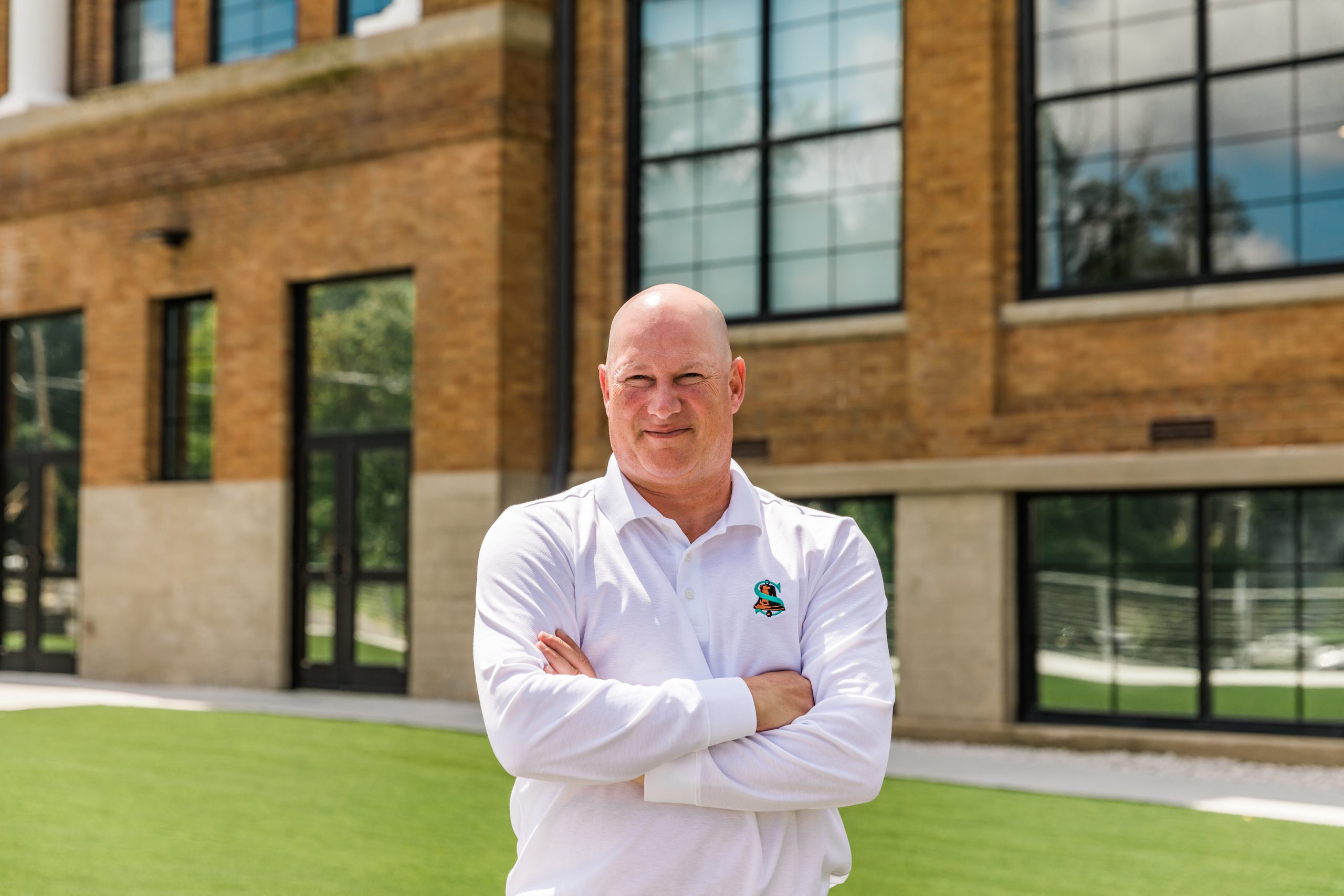
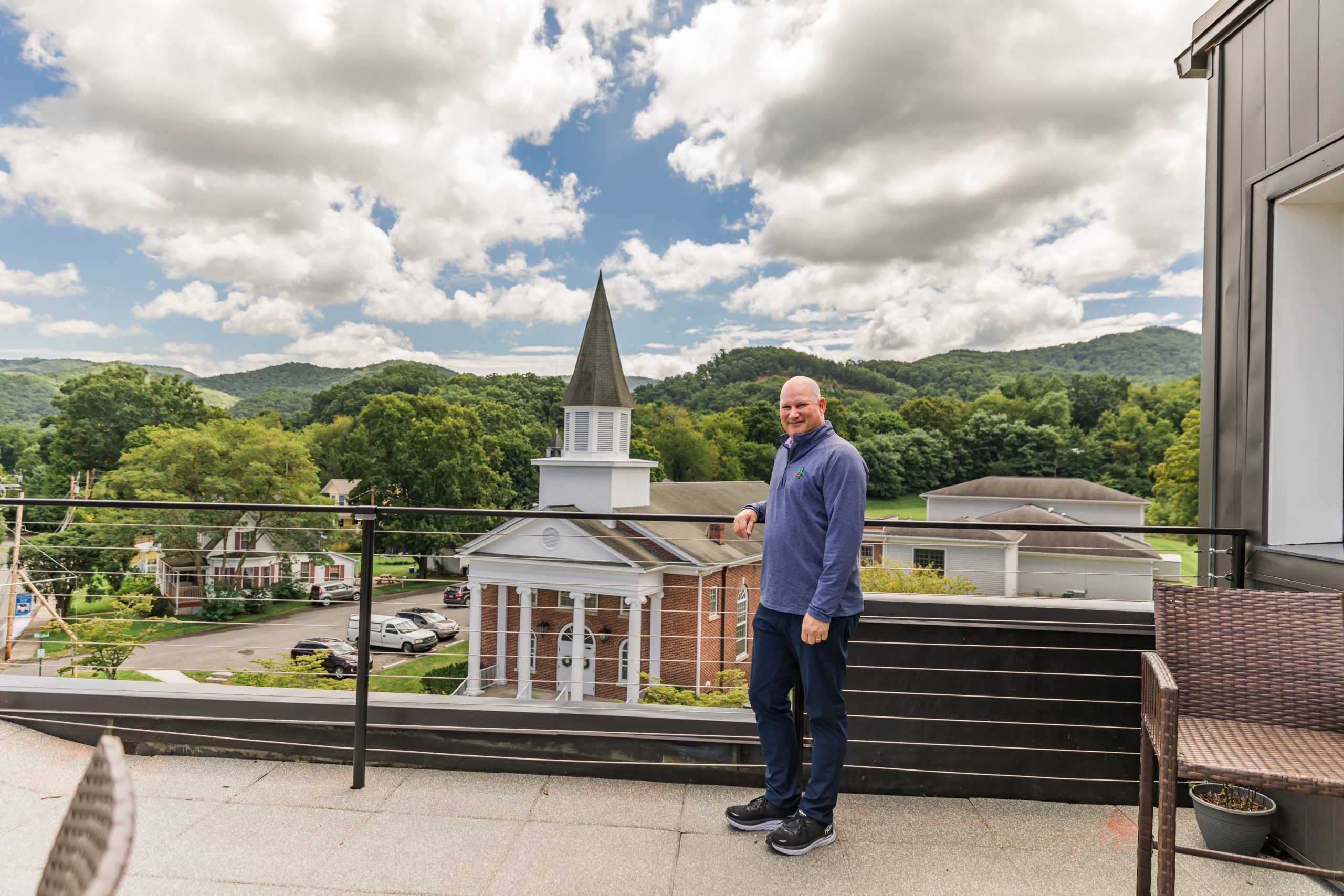
DOF’s efforts in White Sulphur Springs attracted the attention of a local family, who began redeveloping and revitalizing the other side of the street. With the town’s two-block thoroughfare revived, Charlie and his team turned their focus to the lot around the corner, where a 50,000-square-foot former high school that graduated its last class in 1993 sat vacant. After consulting with the local community and doing a needs assessment, DOF paid $1 to have the 110-year-old high school transferred to the CDFI so that DOF could redevelop it into what the community said it needed most: a hotel. 

However, Charlie and his team didn’t just want to redevelop the building into any ordinary hotel: DOF wanted to create the world’s first fully accessible hotel. “I said if we’re going to do something like this, then we’re going to do something that’s never been done before,” said Charlie. “Let’s make every room accessible and think about every form of disability so that when you walk inside, you don’t have to worry about anything.”

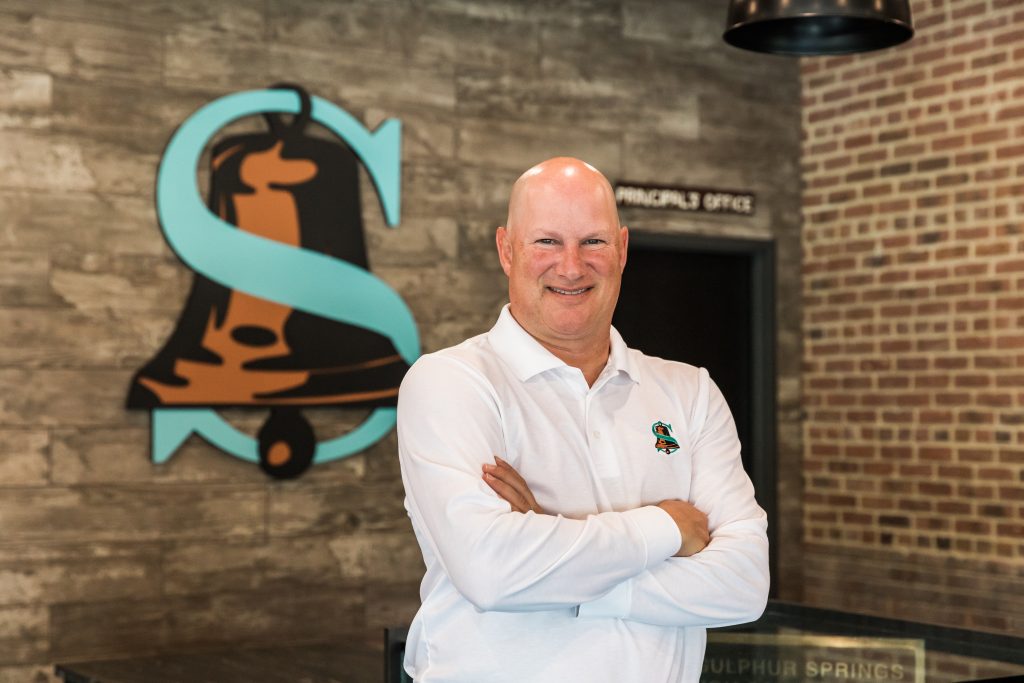
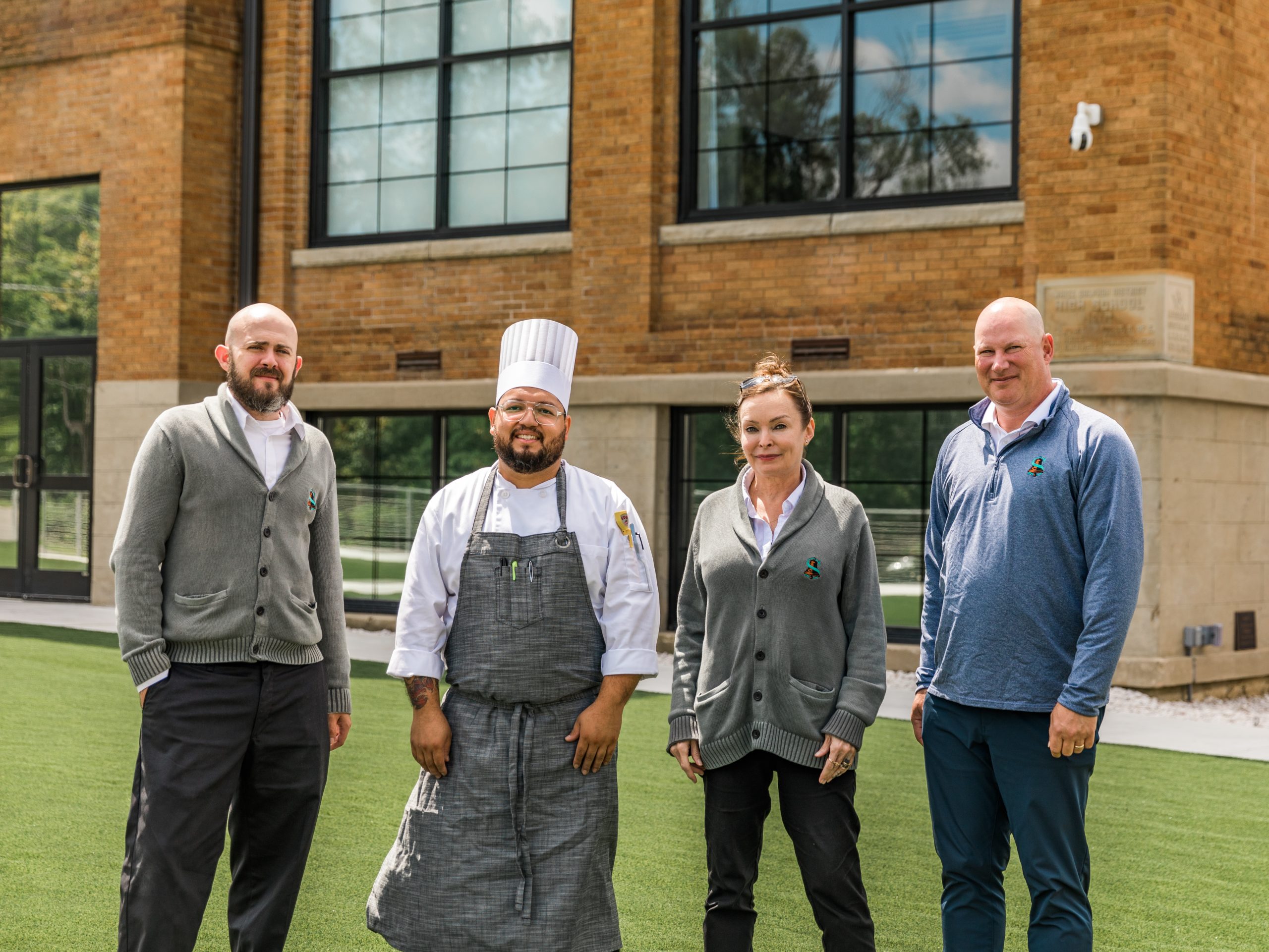
Importantly, despite being the first fully accessible property of its kind, in which the 30 rooms and all public spaces exceed Americans with Disability Act (ADA) standards, DOF didn’t name it The Disability Hotel. Instead, the CDFI cemented the building’s place in White Sulphur Springs’ storied history and called it The Schoolhouse Hotel. Additionally, the CDFI used the hotel to create even more economic opportunity for the local community by incorporating a restaurant and a rooftop bar. Besides catering to tourists, road-weary motorists, and hungry locals, The Schoolhouse Hotel also serves as a space for weddings, conferences, and family-oriented educational events. Today, The Schoolhouse Hotel employs roughly 40 locals, a number of whom either graduated from the high school more than three decades ago or whose parents did. The hotel also participates in various programs to train and hire people with autism, which connects back to what initially brought Charlie and Nanci to West Virginia.

Like all of the loans it has funded in its 16-year history, DOF plans to make sure that The Schoolhouse Hotel will continue to benefit White Sulphur Springs’ community members. As such, even though the CDFI currently owns the building, that won’t always be the case. According to Charlie, he would one day like to turn the hotel back over to the community in some capacity. “This isn’t open-ended,” Charlie said. “As a CDFI, we don’t do 30-year mortgages and we don’t do 15-year mortgages. We do five-year pieces of paper, because the whole idea is to use our money and then to get rid of us so that you can learn how to run that project on your own. Same thing here: the whole idea is to get this back into the local community.”

Netflix, and The Next Generation of Change Agents

In order to make The Schoolhouse Hotel a reality, DOF relied on a combination of grant money and an overall increase in net assets; however, unbeknownst to Charlie and his team at DOF, while they were revitalizing downtown White Sulphur Springs, Netflix was designing a custom note with CNote. In 2021, CNote debuted its customized impact investment offerings to allow enterprises like Netflix to invest in a portfolio of CDFI loan funds selected to meet their impact-aligned goals and to improve their performance on thematic ESG measures. Once its custom note was created, Netflix invested capital in it to support loans for businesses that, among other things, offer direct services and products for disabled populations or that employ disabled populations. Ultimately, one of the CDFIs included in Netflix’s custom note portfolio was DOF, and with Netflix’s investment, DOF was able to complete its work on The Schoolhouse Hotel.
For Charlie, the experience was more than enough to get him excited about what other opportunities might exist when CDFIs like DOF and impact-seeking enterprises like Netflix are able to connect through CNote’s custom notes. “That’s the key point of CDFIs doing the work versus a private equity firm doing the work. In looking at community revitalization, PE firms’ first priority is the financial return of a project. CDFIs are asking, ‘what’s going to make sense for this community?’ We can’t give you a 22% return on your investment like PEs, but we are going to give you a 100% return on impact.”

Going forward, Charlie expects DOF to continue its work toward ensuring that people with disabilities have access to good education, good housing, and good jobs; however, while the CDFI is committed to creative lending and specialized technical assistance, it’s equally committed to recruiting the next generation of changemakers to perpetuate the CDFI’s mission. 

Although Charlie jokes that he’d love to go out of business one day, the reality is that no one is going to work harder to support the disabled community through economic redevelopment than DOF, and until the Marriotts, Hyatts, and Hiltons of the world catch on, DOF will continue to use its platform as a CDFI to lead by example and to prove that accessibility is good for business. “Our work will never be done,” he said, “and that’s exciting. Every single day, our job is to provide the technical assistance to try to either change somebody’s life or to change policy. From day one, our job has been to be a change agent. That’s what we’re doing now, and that’s what we’ll continue to do.” 

Learn More:

  • The Disability Opportunity Fund (DOF) is a community development financial institution (CDFI), launched in April 2007, located in Rockville Centre, New York and operating nationally. They are a 501c(3) tax-exempt organization which provides financing, technical services, and policy advocacy to increase access to appropriate and affordable housing and related services for people with disabilities throughout the United States.
  • CNote is a women-led investment platform that empowers individuals and institutions to invest locally to further economic equality, racial justice, gender equity, and address climate change.


By Community Partners, Migration V2

How VCC Bank Is Using Mission-Driven Lending To Strengthen The Commonwealth

When Virginia Community Capital was established by a group of bipartisan state legislators in 2006, the goal was to create a business model that would attract social investors near and far to create jobs, enhance the quality of life, and promote vibrant communities in historically underserved areas across the state. Part of that business model meant structuring the organization to be both a nonprofit Community Development Financial Institution (CDFI) loan fund and a for-profit CDFI bank, VCC Bank. Like other CDFIs, Virginia Community Capital and VCC Bank provide credit and financial services to people, businesses, and communities not served by traditional lenders. 

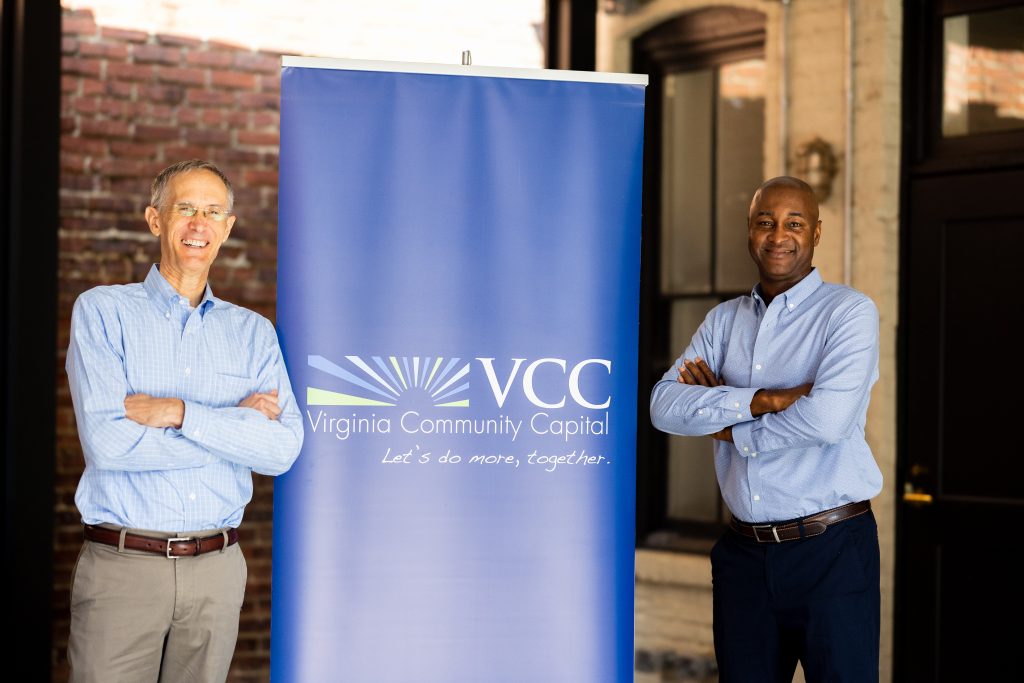
Photo credit: Virginia Community Capital / Photographer: Nick Davis Photography

VCC Bank, however, goes even further to challenge the narrative of what it means to be a traditional lender. Not only was VCC Bank one of the first regulated banks in the country to be designated as a Benefit Corporation (B Corp), but the bank is owned by a nonprofit (VCC Social Enterprises, a new holding company formed in 2021). That means that in addition to adhering to standards set forth by B Lab Global, VCC Bank’s shareholders are interested in more than quarterly dividends: they’re interested in tracking the impact created from their dollars. Fortunately, that impact is measurable. At its founding, Virginia Community Capital was seeded with a $15 million loan. Since then, the organization has turned that original investment into nearly $2 billion in statewide impact.

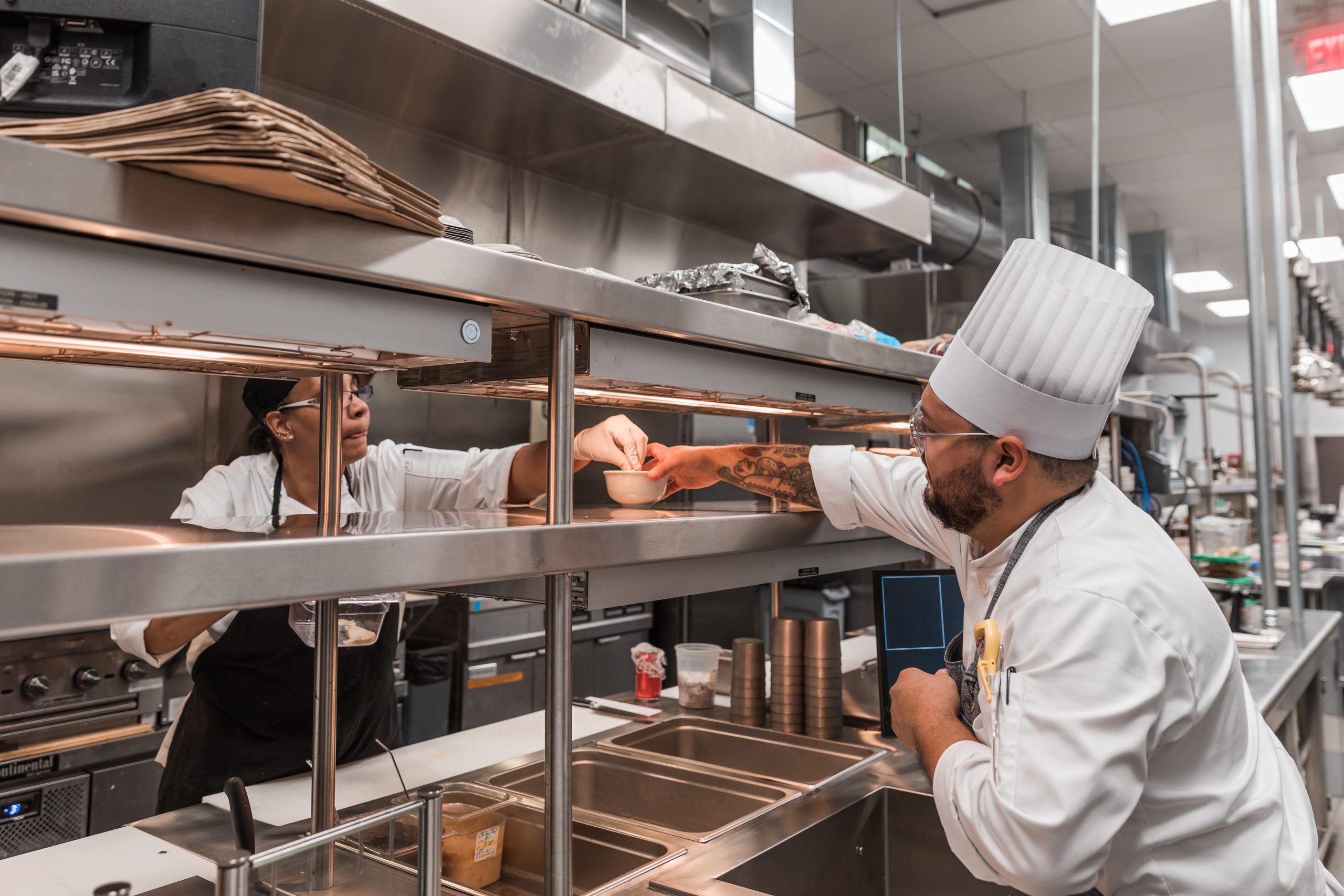
Over the years, VCC Bank has created the reputation for itself as being the “first in” on high-impact community projects that other lenders won’t touch. In general, those projects fall into one of four lending areas: small business, real estate, clean energy, and healthy food. Since its inception, VCC-financed projects have created over 11,000 affordable housing units, supported 30 food-access projects, backed 26 health-related initiatives, and generated or retained nearly 14,000 jobs. Additionally, VCC Bank staff provide thousands of hours of free advising to community members, including Black, Indigenous, or People of Color (BIPOC) and women small business owners. “A lot of these business owners feel that their needs aren’t being met or that the standards elsewhere are such that they don’t qualify for lending,” said Joey Barnes, VCC Bank’s small business lending manager. “Here, we get the opportunity to educate business owners so that they can then work with their bookkeepers to make sure that when they come back to the bank, their loan package is properly prepared.”

Photo credit: Virginia Community Capital / Photographer: Nick Davis Photography

Another way VCC Bank is supporting BIPOC and women small business owners is through its Economic Equity Fund: a $10 million loan fund that provides low-cost financing and technical assistance to entrepreneurs who were disproportionately affected by the COVID-19 pandemic and who weren’t able to take advantage of PPP funds. According to Joey, the fund has enjoyed a tremendous amount of success in just a short period of time. Since April 2021, VCC Bank has provided about a dozen small business loans totaling approximately $3.3 million. Thanks to a grant, VCC Bank will be able to extend those fund benefits into the future, including free consulting to qualifying small businesses throughout the state.

‘Opportunities Find Us’

When Bill Greenleaf joined VCC Bank as its senior vice president of real estate lending seven years ago, he was thrilled to have the opportunity to combine his background working in real estate finance with his interest in solar energy to help create VCC Bank’s clean energy loan program. Similar to its other lending programs, VCC Bank steps in to make clean energy loans — primarily relating to solar energy projects — when other banks aren’t willing to get involved, either because a given project is too small or because banks don’t want to invest the requisite time to “figure out how to do it,” says Bill. According to him, even though these projects tend to be small, they have high mission impact, as they often provide free solar energy to low- and moderate-income households. 

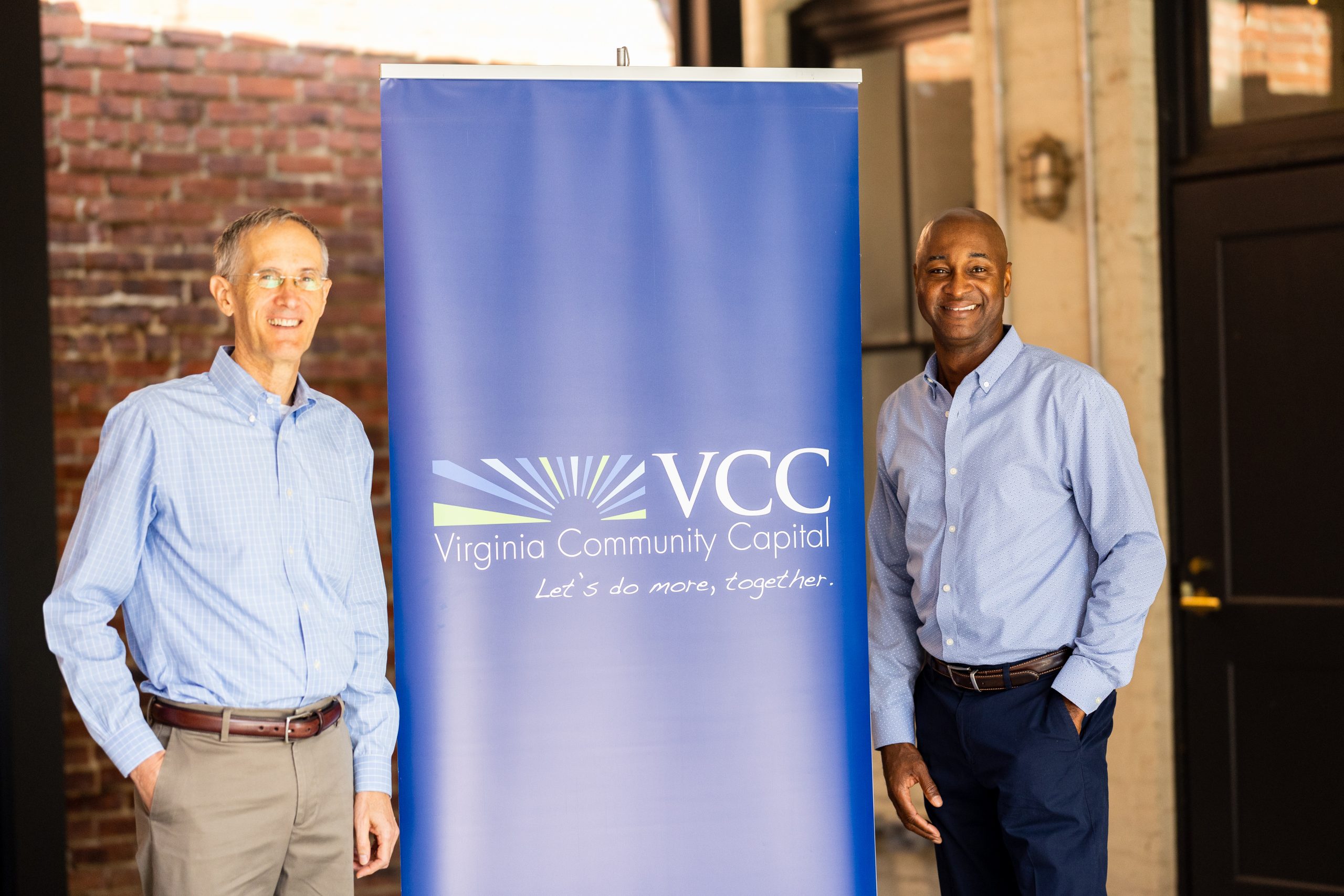
Bill Greenleaf, SVP of Real Estate Lending and Joey Barnes, SVP, Small Business Lending Manager. Photo credit: Virginia Community Capital / Photographer: Nick Davis Photography

Given its roots in Virginia, it’s not surprising that VCC Bank has done solar lending across the commonwealth, as well as in the District of Columbia; however, the organization has also done loans in places like New Jersey, New York, North Carolina, and Tennessee. Interestingly, VCC Bank’s expansion into neighboring states isn’t a result of proactive marketing efforts. Instead, Bill says that VCC Bank is able to make those loans for two reasons. First, traditional lenders’ avoidance of clean energy lending isn’t unique to Virginia. Second, VCC Bank enjoys a robust referral network that extends beyond Virginia’s borders. “We’ve developed some expertise, and we’re willing to lend out of state and to look at larger deals,” Bill said. “People hear about us, and because we’re willing to work on oddball deals, opportunities tend to find us.”

“Oddball deals” finding VCC Bank isn’t unique to its solar energy lending program. Whether it’s on the affordable housing side, the small business side, or the healthy food side, the bank’s lending team enjoys a remarkable number of incoming leads. Obviously, not all of those inquiries turn into deals; but, just last week, VCC Bank approved a loan to a nonprofit so that the nonprofit can continue its work supporting approximately 80 disadvantaged farmers and grain processors in Virginia while it waits for grant reimbursements from The United States Department of Agriculture. Over the next year, as the grant money comes in, the nonprofit will pay down its loan with VCC Bank. “We’re providing some of the upfront capital to help those farmers,” said Joey. “That’s just one example of how we’ve shifted to trying to serve producers, aggregators, and processors instead of retailers with our food access financing.”

Photo credit: Virginia Community Capital / Photographer: Nick Davis Photography

Going forward, VCC Bank plans to improve and expand upon its four lending programs while paying attention to evolving community needs. Although it’s too soon to know how the market will shape its future operations, one thing remains certain: whether it’s creating affordable housing, working with small business owners, funding clean energy projects, or investing in local farmers, VCC Bank will continue to meet the needs of the community when other banks won’t. According to Bill, continuing to forge strong partnerships will be key to the social impact lender’s future success. For example, in 2020, VCC Bank became one of CNote’s Impact Cash™ partners, which allowed it to greatly reduce its reliance on the kind of higher cost  deposits it previously needed to meet its increasing loan demand. However, thanks to its partnership with CNote, VCC Bank hasn’t had to book any wholesale funds in the last 12months. “We’re always trying to streamline the loan capital we provide,” said Teresa Martin, VCC Bank’s Director of Deposits, “and CNote’s Impact Cash™ solution is really allowing us to be more impactful with our dollars.” 

Photo credit: Virginia Community Capital / Photographer: Nick Davis Photography

Learn More:

  • Virginia Community Capital is a Community Development Financial Institution (CDFI) with a mission to create jobs, energize places, and promote an enhanced quality of life for Virginians.
  • CNote is a women-led investment platform that empowers individuals and institutions to invest locally to further economic equality, racial justice, gender equity, and address climate change.