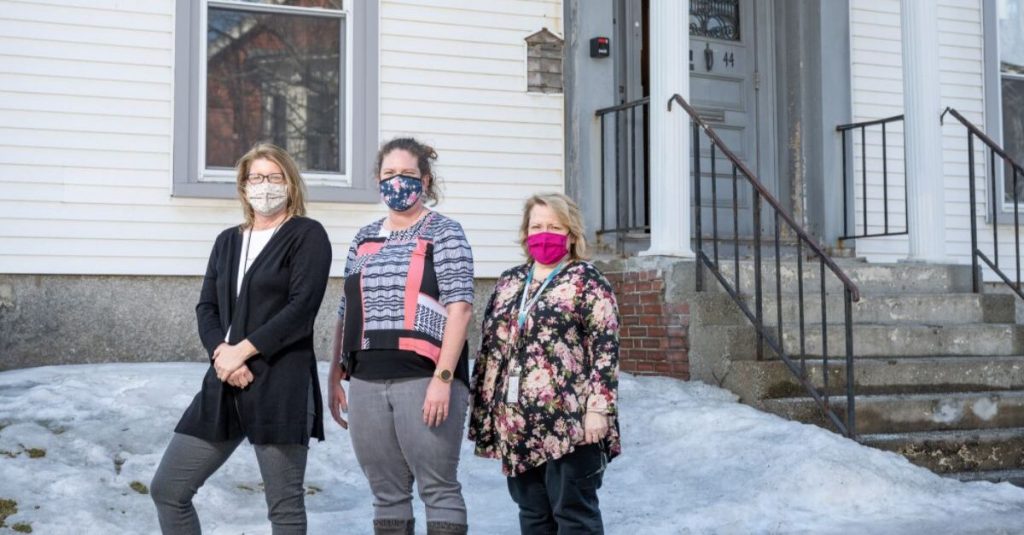
For over 30 years, McAuley Residence has been a safe place for women in need in Portland, Maine. When the opioid crisis hit 13 years ago, however, the residence — a longstanding project of The Sisters of Mercy — needed to rethink its services. “We were seeing a significant need for women with children who had a diagnosis of substance use disorder,” said Melissa Skahan, Vice President of Mission Integration at Northern Light Mercy Hospital. “Women throughout the U.S. were experiencing more overdoses and more admissions, and we were also seeing an incredible number of children being removed from their homes by child protective services from families affected by substance use disorders to ensure their safety. It was clear that we really needed a more comprehensive approach.”
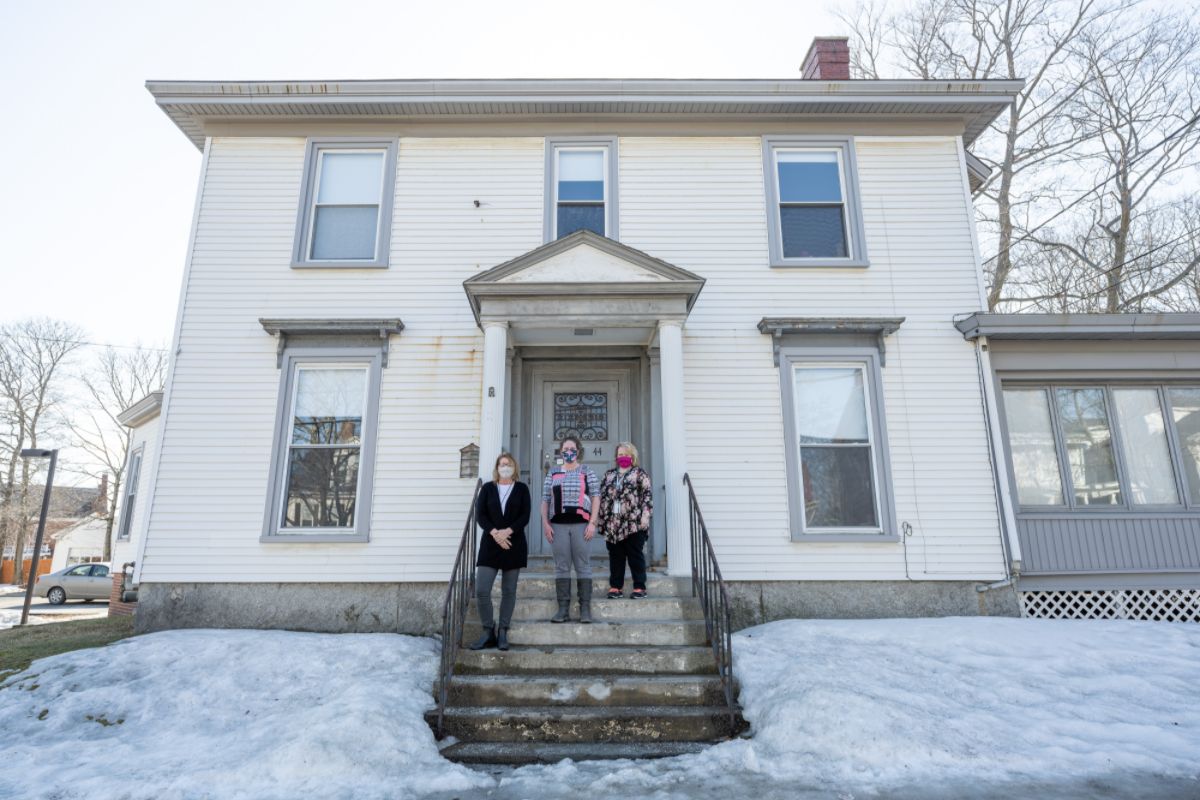
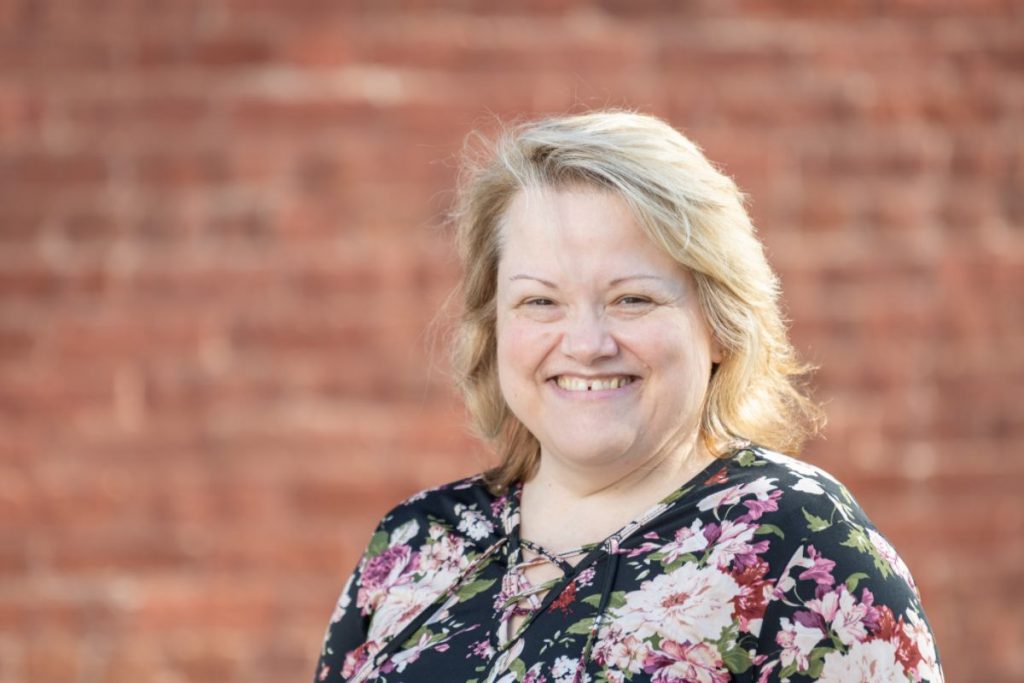
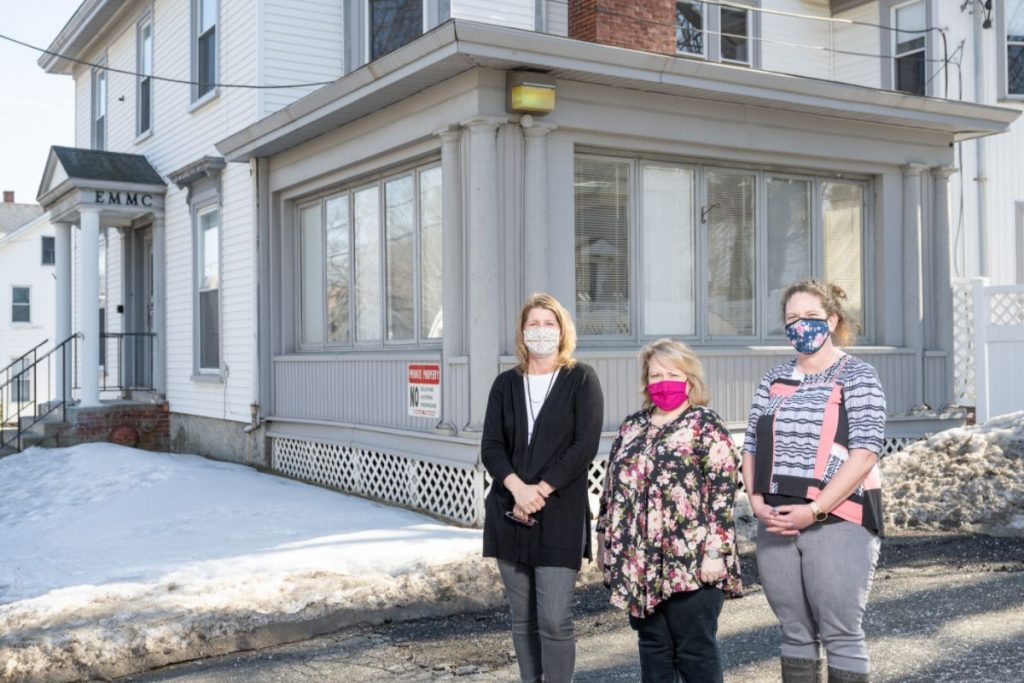
All photos were taken in McAuley Houses’ Bangor location.
That’s when the McAuley Residence partnered with Community Housing of Maine to solely focus on families affected by substance use disorders. The residence adopted a two-generational approach, with robust services and interventions targeted at both mothers and their children. Notably, McAuley Residence doesn’t provide treatment on-site. This was intentional. Most recovery centers offer treatment in-house; however, when someone leaves the facility, that means she leaves her treatment team behind. That’s very disruptive — and, when considering the cyclical nature of substance use disorders, it’s also dangerous.
“What we designed after examining patient outcomes from reoccurring residential stays was a model that builds the best treatment team for our clients external to McAuley with seamless integration into onsite services,” Melissa said. “This way we could ensure that the outpatient space was transformative and sustained, while really focusing on capacity building regardless of where mom and child laid their heads at night. None of the progress would be disrupted when they left us.”
 Instead, what McAuley does offer in-house is a family-centered, evidence-based suite of supportive and clinically oriented- services that help families break the generational cycles of addiction and poverty. These services range from preparing women to re-enter higher education to providing cooking classes and workshops on healthy eating; however, before any of that can happen, McAuley staff work with women to help them stabilize physically, mentally, and emotionally so that they can reunify with their children if they’ve been separated. That includes one-on-one coaching as well as group sessions on parenting education. According to Melissa, she and her team are most often able to reunify women with their children within the first three to five months of their stay at McAuley.
While McAuley helps to develop healthy routines for both mom and child(ren), it also offers mothers financial coaching and career planning. In total, the women put in 35 hours a week to McAuley Residence’s programming, which further establishes the discipline and stabilization needed to successfully transition out of the program. When the time comes, McAuley also helps McAuley residents leave the residence and land on their feet. For most women, their total length of stay at McAuley Residence is 24 months. “It’s pretty rewarding work to watch these women truly have the opportunity to flourish and to reunify with their families and then re-enter higher education and the workplace and become highly productive mothers, citizens, and people,” Melissa said.

An Approach Worth Replicating
Based solely on the numbers, McAuley Residence’s innovative approach is a resounding success. Well over 200 women have completed the program, and the facility reunifies 95% of the families that come to it. More so, 80% of the women who commit to the program remain abstinent from illicit substances. “It is remarkable what we are able to see families that have experienced homelessness, incarceration, and trauma accomplish when they are provided safe housing, comprehensive services, and access to the very best treatment,” Melissa said.
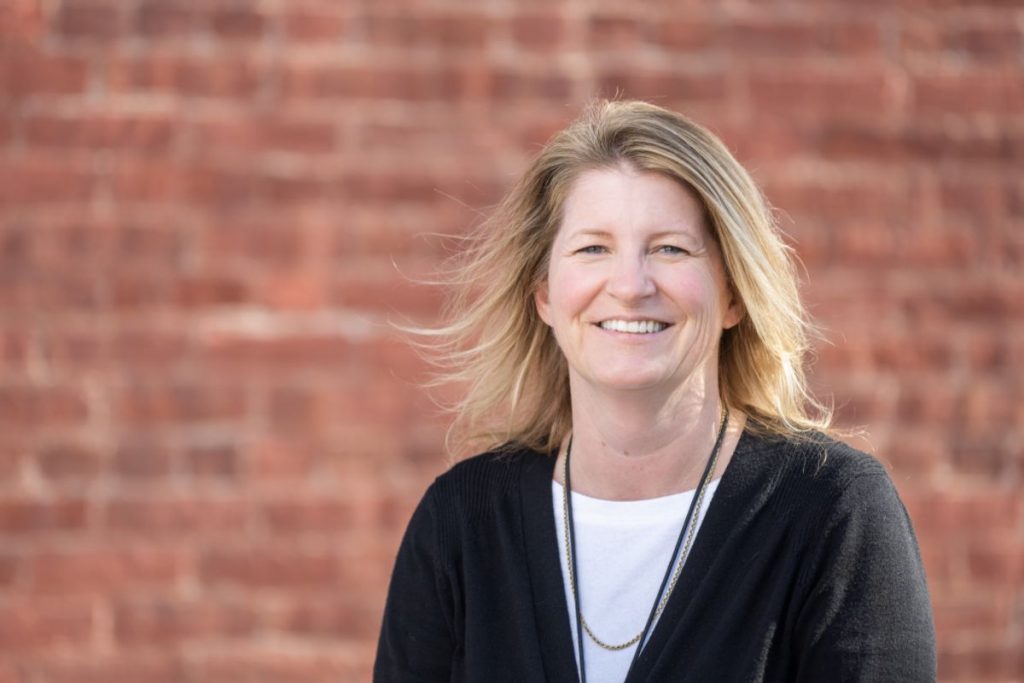 Unsurprisingly, demand to get into McAuley Residence is high. Therefore, McAuley Residence wanted to open a second location. Fortunately, in 2019, Maine’s legislature passed a law called An Act To Stabilize Vulnerable Families, which provided funding to replicate McAuley Residence’s model across the state. Through a partnership with Community Housing of Maine and The Genesis Fund, a Community Development Financial Institution (CDFI), McAuley Residence was able to open a second location in Bangor. Since 1992, The Genesis Fund has been working to develop and support affordable housing and community facilities across Maine, mainly by providing both financing and technical assistance to increase the supply of affordable housing. CNote partners with CDFIs like The Genesis Fund in communities across the country, channeling capital to fund social missions like affordable housing, women’s empowerment, entrepreneurial funding, and more.
Not only did The Genesis Fund provide financing for the Bangor project, it also provided the necessary capital for McAuley Residence to renovate the location, including the kitchen, each bedroom and bathroom, and the big dining room. “It’s a beautiful older building,” Melissa said, “and the funding from Genesis really helped us to bring it back to life.”
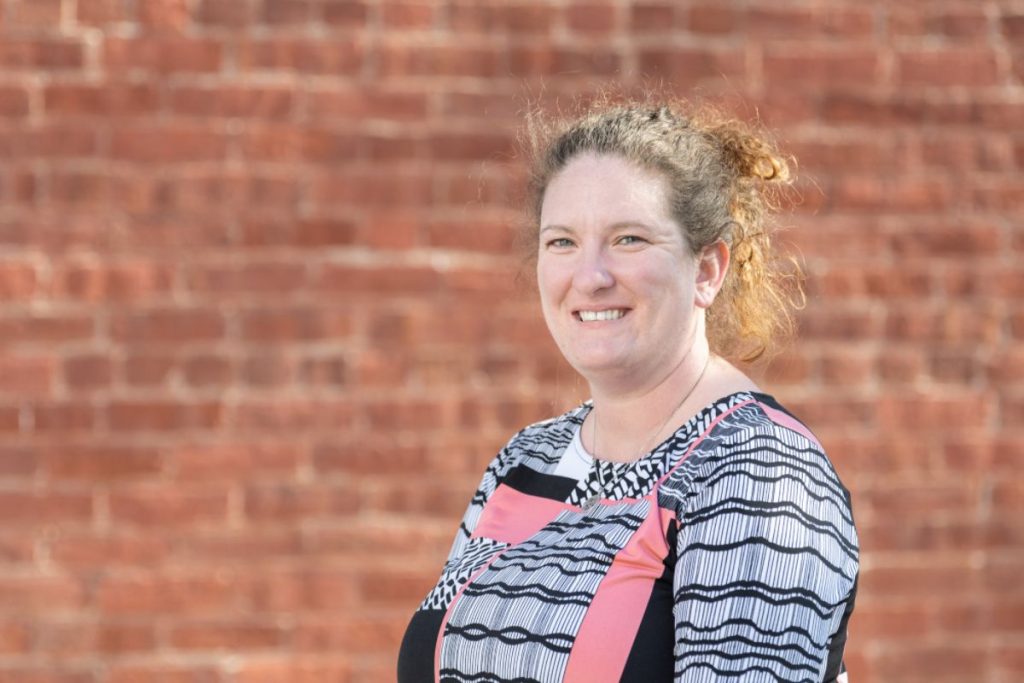 Melissa and her team at McAuley often get asked the same question: “why don’t you expand more.” With ongoing support from The Genesis Fund, that’s exactly their plan, and with fatal overdoses up 27% in Maine and a pandemic that’s compounded the opioid crisis, the need has never been greater. Although Melissa is worried about the increase, she feels privileged that McAuley has been able to continue to screen and accept families in these difficult times. “The ability to really serve families in a comprehensive way is lacking across the United States,” Melissa said, “so we’re thrilled to be able to partner with Genesis to create an approach for both mother and child in a way that delivers remarkable outcomes. It’s really the right resource to fund because we’re truly seeing a direct benefit to families in our community.”
 Learn More
- Northern Light Mercy Hospital
- The Genesis Fund provides innovative financing by soliciting investment loans from individuals, churches, corporations, and foundations, and then re-lending the money at favorable terms to nonprofit organizations developing affordable housing and community facilities for underserved people and communities throughout Maine and beyond.
- CNote is a women-led investment platform that empowers individuals and institutions to invest locally to further economic equality, racial justice, gender equity, and address climate change.


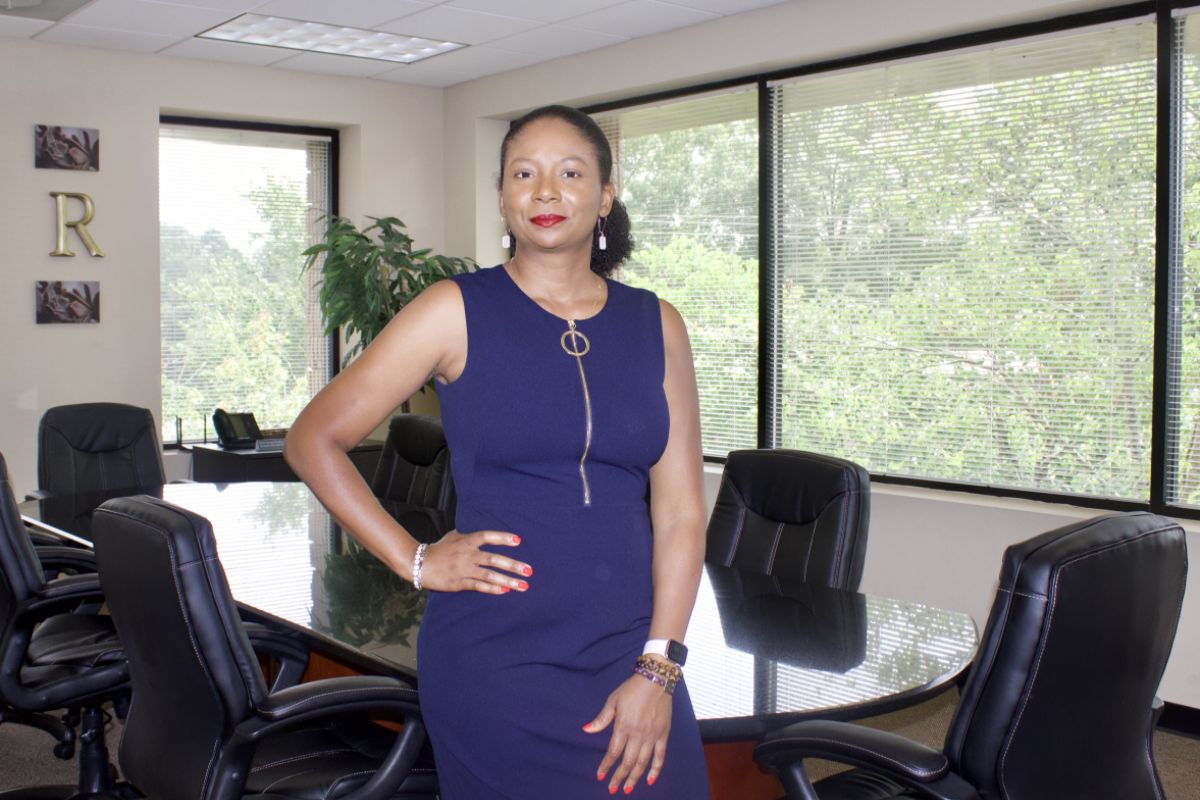
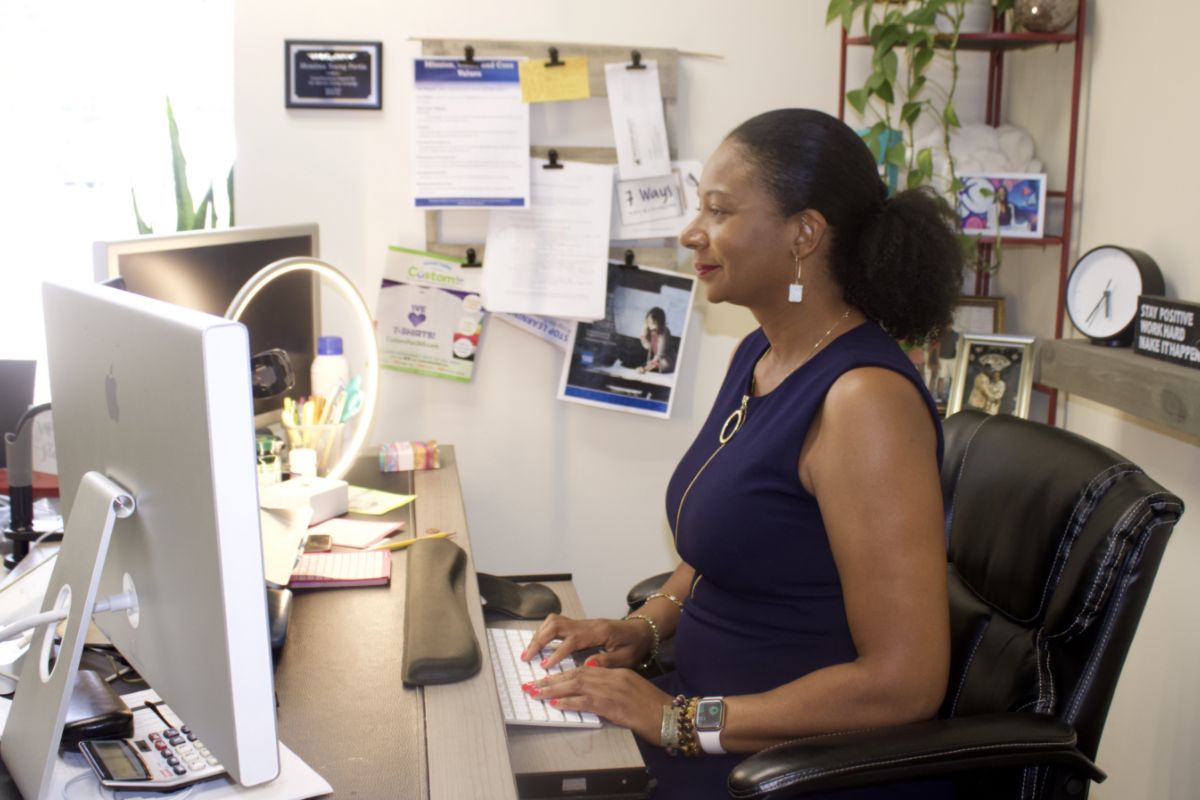 For Montina, her leap of faith paid off. She discovered that she really enjoyed working with lawyers, and she spent the next five years creating video content and doing digital marketing for legal industry clients — and making her first million dollars in revenue. Montina developed a recurring revenue model blueprint, where she and her team don’t just create one video for a client, but a series of videos that she calls a heat map, which includes highlighting the clients’ stories and thought leadership.
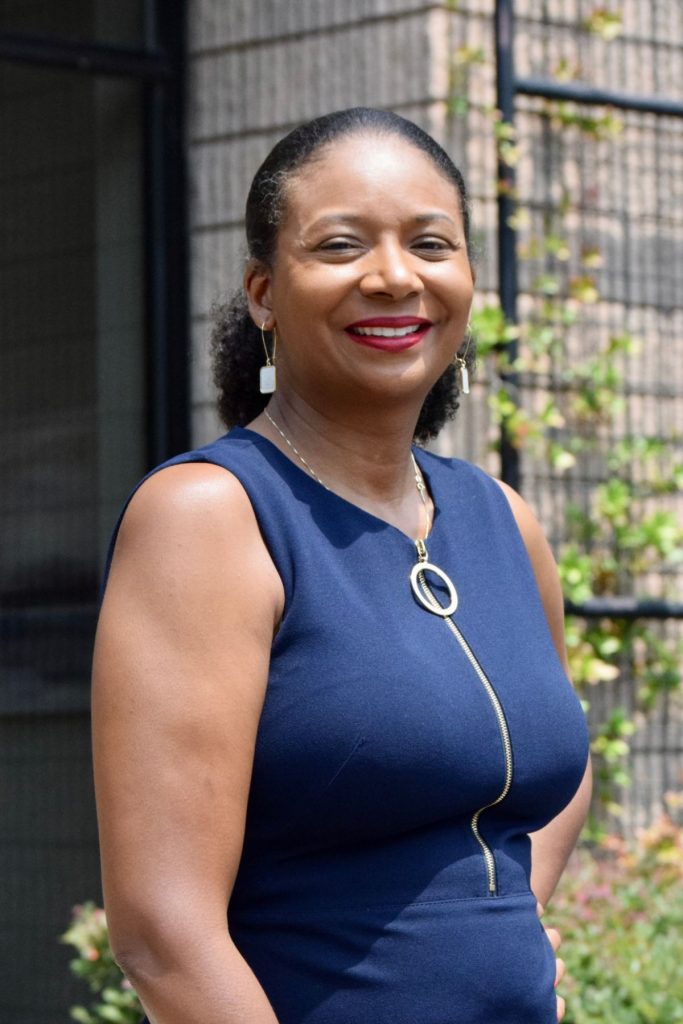 Montina also credits her CDFI partners with giving her the ability to read her cash flow statement, profit and loss statement, and balance sheet. Additionally, both CDFIs provided Montina with the support she needed to get her paperwork, her financials, and her business plan in order. For example, ACE helped to liaise (and sponsor) her relationship with a local bookkeeping company. “With ACE, we have a financial consultant that I meet with two hours every single month,” she said. “And because I understand my books, I’m confident. She helps me set my monthly goals and my goals for the year, and really, it gives me a sense of relief to have accountability partners that actually care.”
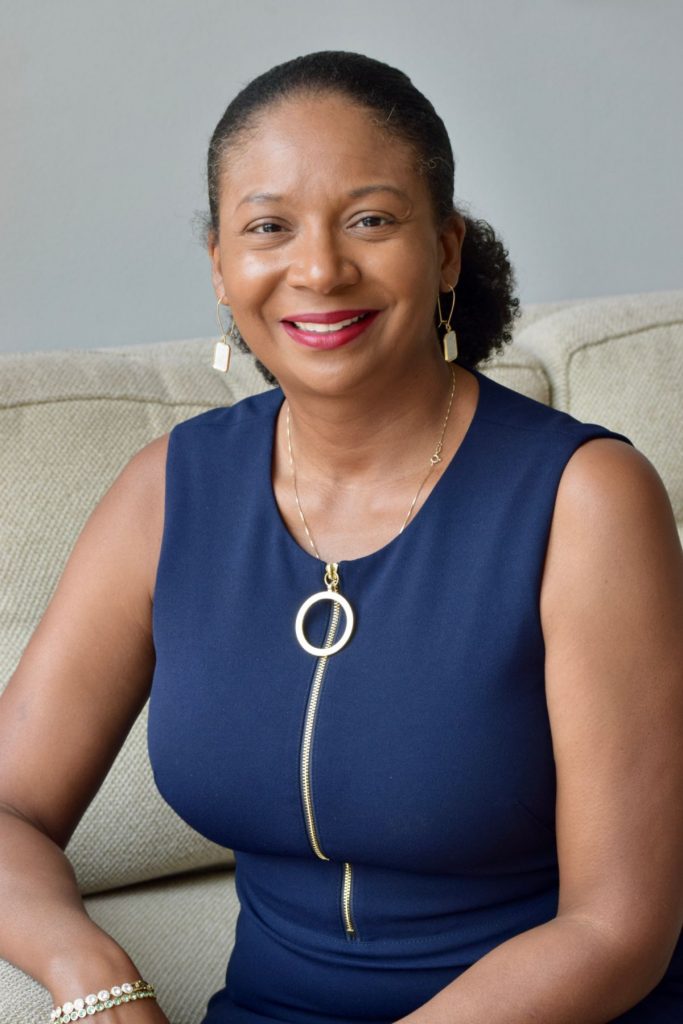 Montina has also taken advantage of the various educational workshops, professional gatherings, and speaking engagements offered by both CDFIs. She says that such opportunities are especially important for BIPOC and women entrepreneurs, who don’t often have mentors or family members who’ve owned and operated successful businesses. Those professional development and networking opportunities are just one of the many reasons that led Montina to become such a cheerleader — and advocate — for CDFIs. “I love, love, love, CDFIs,” she said. “CDFIs educate you about the loans you’re taking out, they look at your business plan, and they want to grow and scale with your business. They’re truly phenomenal.”
 When the Mentee Becomes the Mentor