
This article, authored by CNote’s co-founder and CEO, Catherine Berman, was originally posted on GreenBiz.
When you think about who makes the greatest social and environmental impact with corporate dollars, you probably think of the head of ESG or the chief investment officer, not the treasurer. Today’s corporate treasurers, however, are redefining their role beyond risk mitigation, and they’ve become a surprising source of impact within their organizations, moving millions of dollars of cash and investments into low-income communities.
Corporate finance departments haven’t historically been positioned to create impact within their organizations, but an ever-increasing amount of attention on ESG; diversity, equity and inclusion (DEI) and racial justice initiatives has led C-suite executives to look holistically at their business practices for opportunities to innovate. That’s led corporate leaders to recognize that they need new tools to advance change, demonstrate corporate leadership and be good corporate citizens.
According to the philanthropy research organization Candid, following the police killing of George Floyd in May 2020, American corporations emerged as the leading funding source for social and racial justice initiatives. And because many of these ESG and DEI initiatives are directly tied to money movement, whether it’s cash or investment, corporate treasurers are an often hidden but essential driver of social impact within an organization.
There’s such an opportunity today for treasurers to redefine how corporations align their dollars with their values.
So, first and foremost, we need to recognize the great work that many treasurers already are doing in terms of aligning corporate dollars with impact initiatives. Let’s not forget that this probably isn’t part of their job description. Instead, treasurers who are being intentional about impact investing are going above and beyond what they’re paid to do and, more often than not, they’re learning as they go. Until recently, there was no playbook for this.
With that in mind, here are four key learnings that corporate treasurers may want to consider when thinking about how they can leverage their position within an organization to create tangible impact.
1. You don’t need to reinvent the wheel. The most common approach I hear from corporate treasurers trying to create impact is this: They call up a few mission-focused banks and try to move in millions of their deposits. What these treasurers eventually realize, however, is that this isn’t a scalable strategy. Indeed, too much capital actually can be a bad thing, negatively affecting the capital ratios these organizations must maintain.
That’s not to say that you need to hire a boutique consulting firm that takes two years to put together a roadmap and deal plan for you, or that you need to hire a team of lawyers to pull this off. The low-friction approach is to take advantage of technology platforms created to help you efficiently, sustainably and intentionally move money, generate impact reports and evaluate risks. There’s a common myth among corporate treasurers that this is really hard, but remember, you’re not the first one to do this and you definitely don’t have to invent anything from scratch.
2. Invest in long-term partnerships. I’ve heard from a lot of treasurers that they reached out to a minority depository institution, or MDI, which turned down their corporate deposit. It’s important to remember that this doesn’t mean that deposit programs are a bad idea. Instead, that rejection likely indicates a mismatch in either timing or scale (or both). That Black-owned bank might not need your deposit tomorrow, but they would likely take it sometime in the future. Partnering with impact deposit platforms such as CNote can help resolve the need-supply mismatch in a scalable, authentic way, while empowering corporations to foster deep, direct relationships with those same institutions.
If the timing is not right with an MDI, it isn’t necessarily a reason to walk away in frustration. Instead, when thinking about generating impact through your corporate finance department, be prepared to forge partnerships built with the future in mind. A long-term approach to these capital programs will increase the positive impact your organization’s funds have on underserved communities.
3. Don’t fall victim to analysis paralysis. For risk-minded treasurers, there’s definitely the friction of identifying who to work with and where to channel cash and investments to create impact. Some treasurers view community investments through the same risk framework that they use for all of their investments, while others acknowledge that it makes little sense to apply those same risk standards to low-income communities. It can be hard to know where to strike the right balance.
If you’re feeling stuck, I suggest reaching out to a peer at another corporation who’s experienced success. For example, Alfred Kibe, the corporate treasurer at Mastercard, is a passionate champion of leveraging deposits for impact, and he’s an approachable leader in this space. Similarly, Peter Filipovic, Starbucks’ treasurer, has been investing in community development financial institutions (CDFIs) for years, funneling hundreds of millions of investment dollars into federally certified private financial entities that are 100 percent dedicated to providing responsible, affordable lending to historically underserved borrowers. These include low-income households and business owners, women, minorities, unbanked borrowers, first-time homebuyers, nonprofits and tribal organizations.
Others like them are doing equally effective work. You probably know one, so consider tapping your network of peers to test ideas and share best practices.
4. Look beyond the obvious targets and leverage your networks. Many high-impact organizations need long-term capital partnerships. Asking the people you know and offering to make a multimillion-dollar deposit in their MDI may seem the quickest path, but it doesn’t necessarily ensure that your deposit will reach the communities that would benefit most. For example, more than 1,000 CDFIs in the United States are investing in everything from minority-led small businesses to affordable housing projects to gender equality. Because investors can invest both thematically and geographically in CDFIs, consider the full spectrum and diversity of impact opportunities out there, and remember that the people you’ll need to work with likely won’t show among your LinkedIn connections.
There’s such an opportunity today for treasurers to redefine how corporations align their dollars with their values. We’re seeing treasury leaders step into this opportunity because they recognize that there’s massive potential to invest in underserved communities, further racial justice and shrink the wealth gap in our country. And by doing so, corporate treasurers are demonstrating that impact investing isn’t risky business. It’s smart, it’s human, it’s achievable and it’s the future.

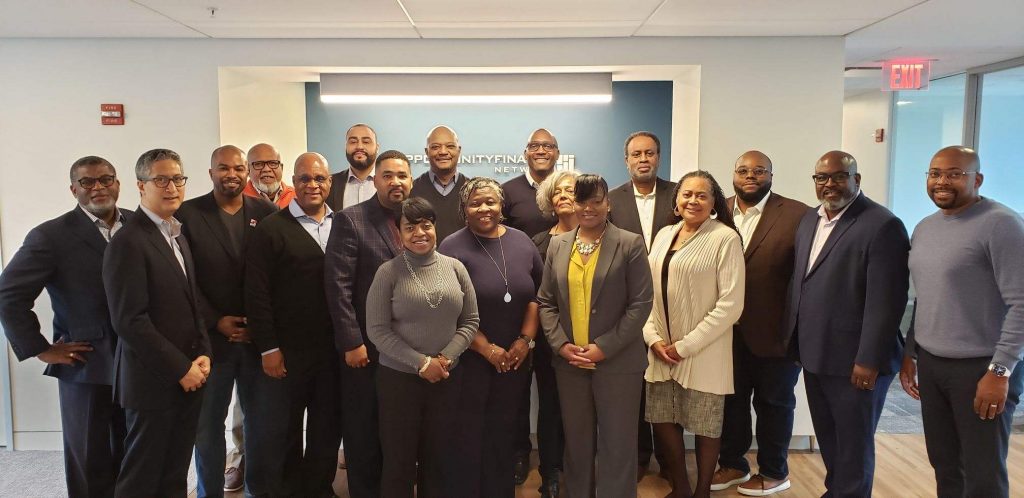 The Alliance has already experienced success with its advocacy efforts. For example, in the first iteration of the Small Business Administration’s Paycheck Protection Program, CDFIs were not included. However, thanks to voices like the Alliance’s, Congress has since emphasized and acknowledged the role that CDFIs play in keeping the country’s small businesses afloat. Congress allocated $12 billion to the
 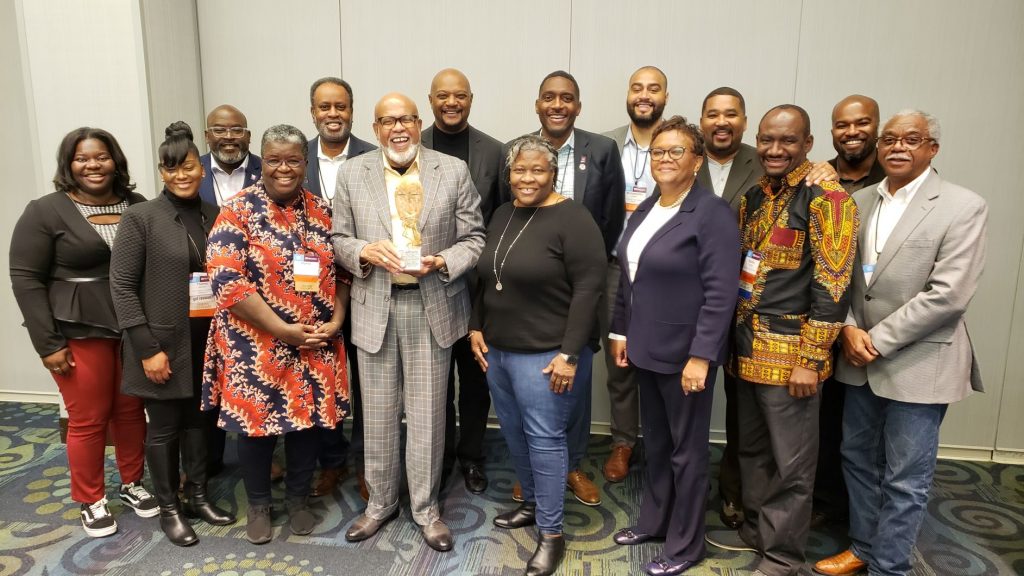 Incredibly, as the Alliance’s voice grows louder and louder in Washington D.C. and as the work of its member CDFIs ripples across Main Street U.S.A. Lenwood gives much credit to the Leadership Team of Donna Gambrell, Calvin Holmes, Victor Elmore, Inez Long, and Van Hampton for the quality time they provide to move the work of the Alliance forward.
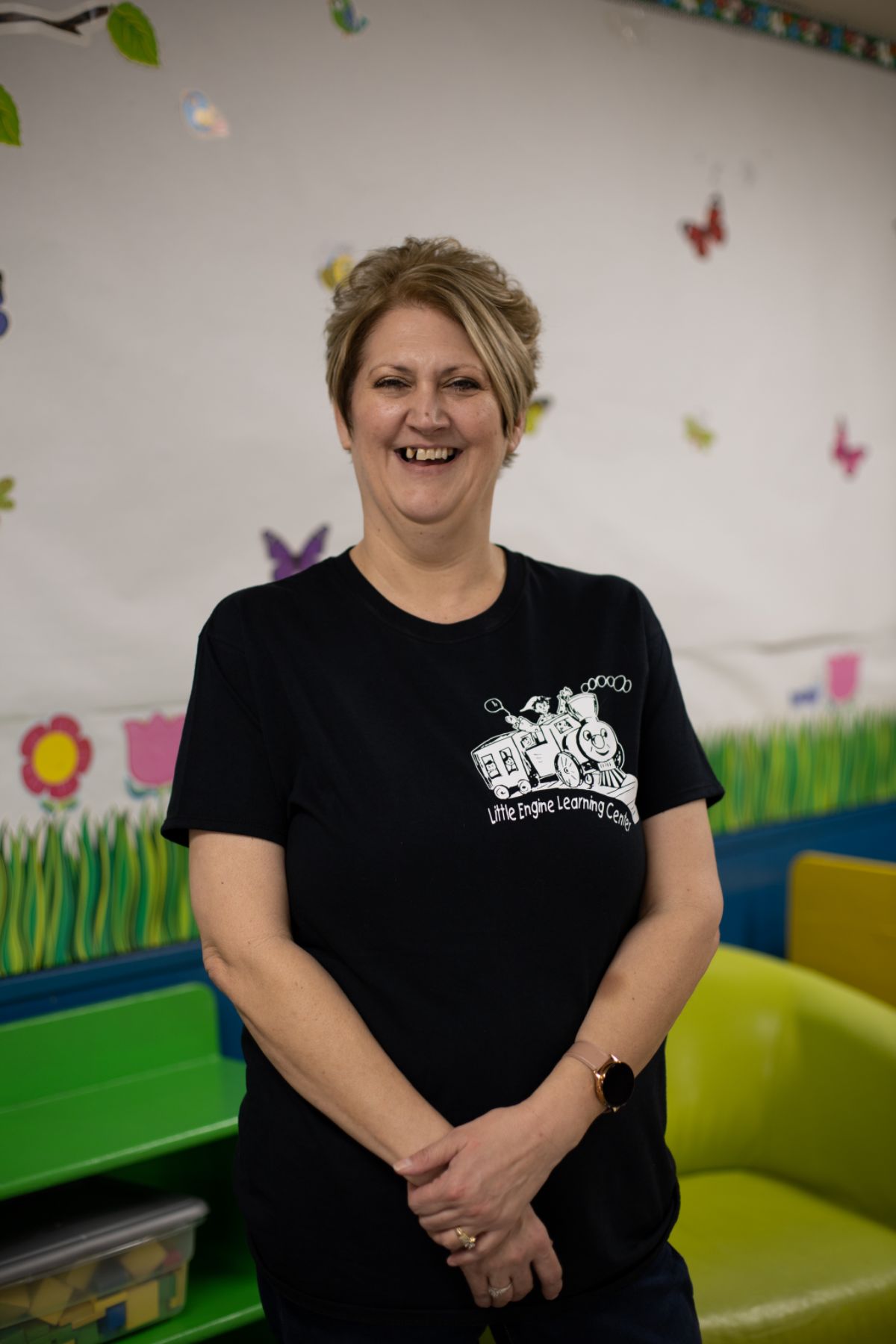
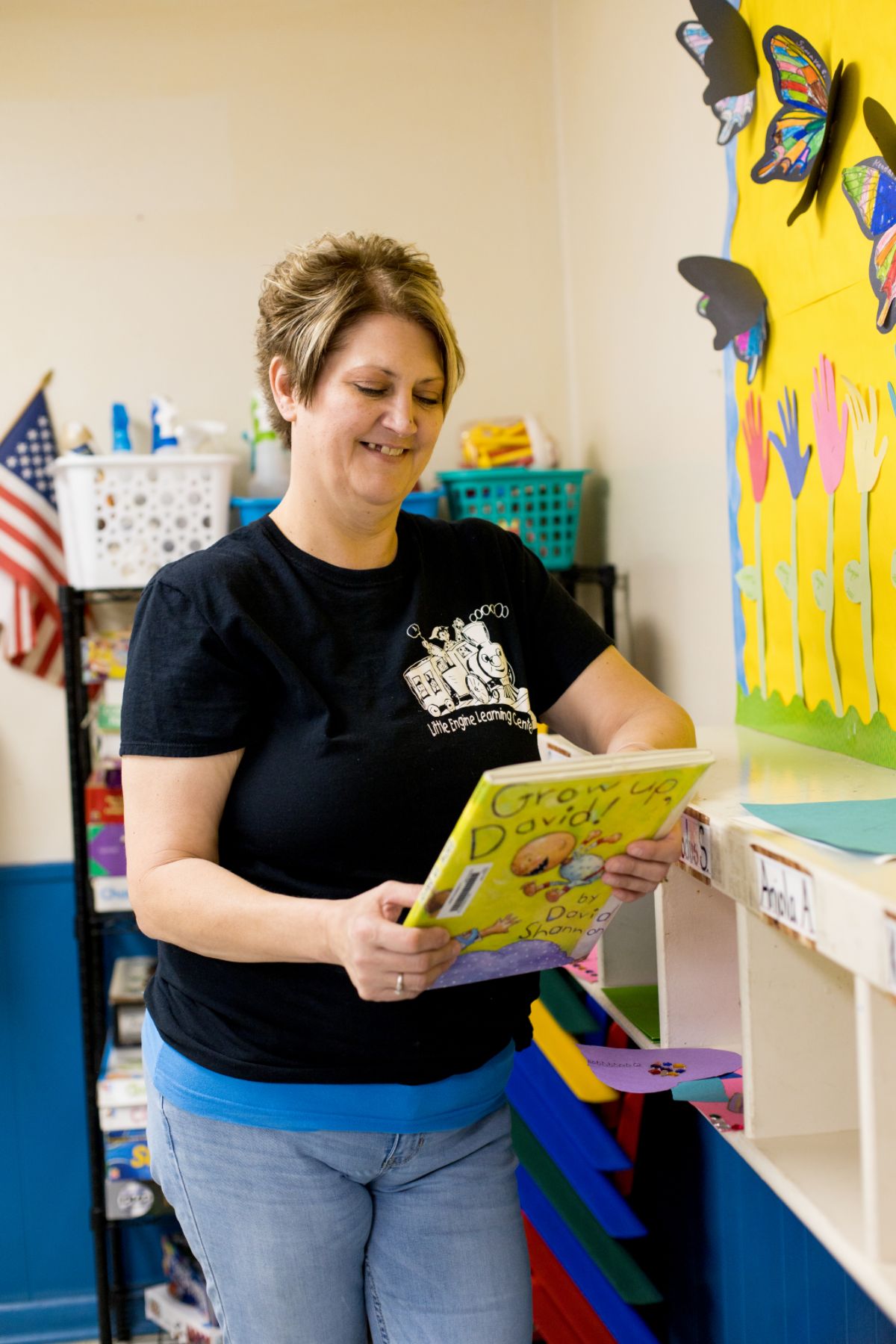
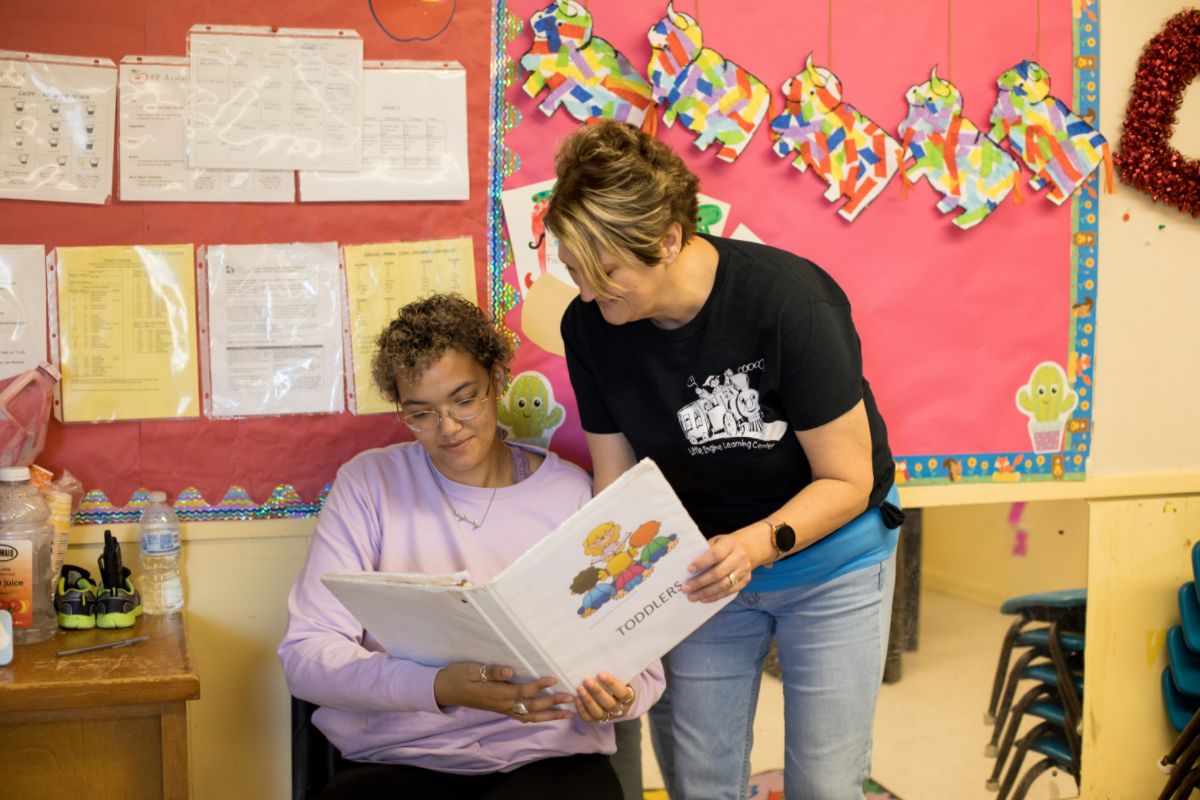
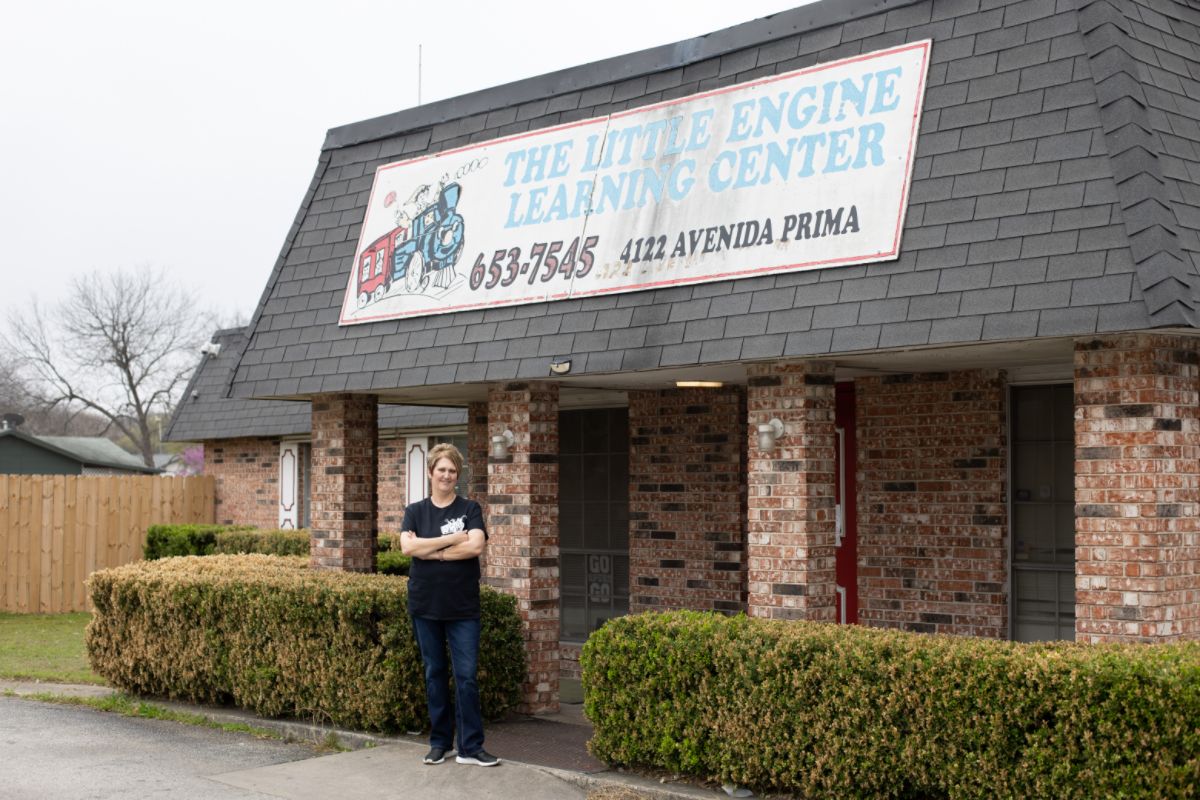 Considering what she’d been through, starting an in-home daycare didn’t seem daunting to Tawnya, who, at 30, became a mother and wanted to work from home while she raised her daughter. With support from her husband and sister-in-law, she opened up the family home for business. Eleven years later, she wanted something bigger.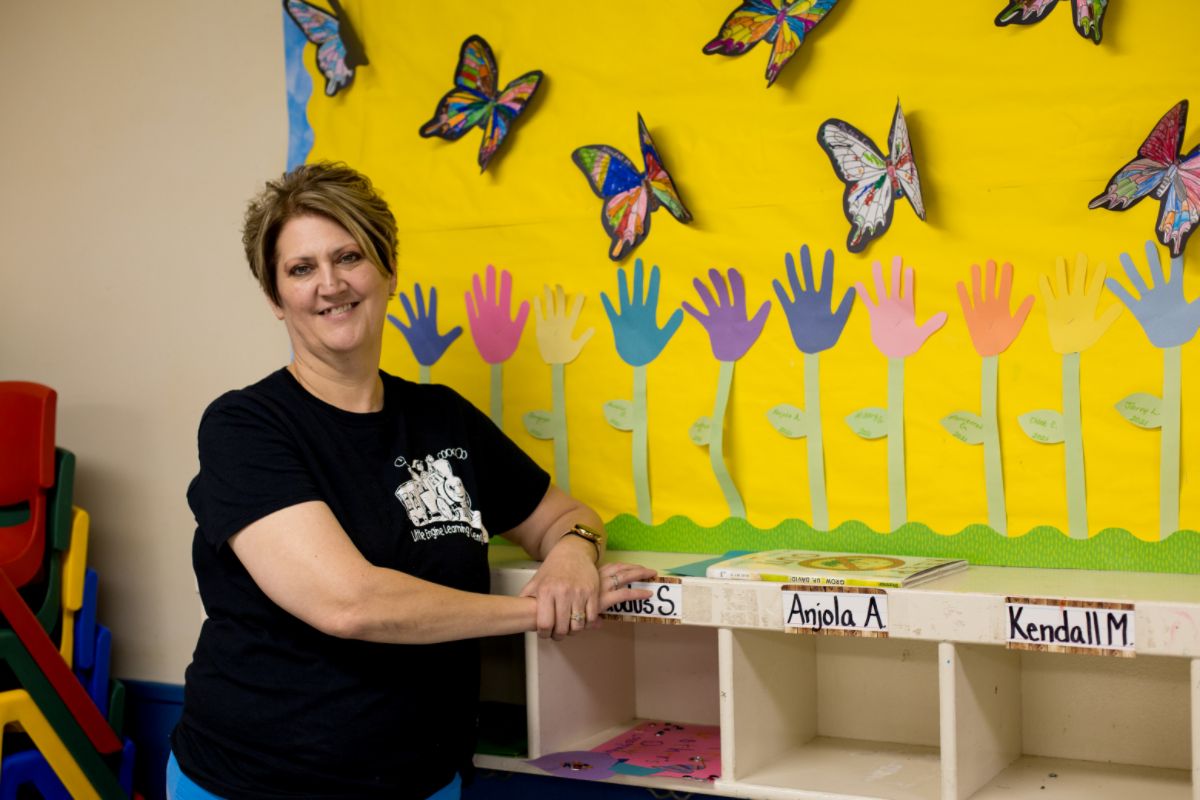
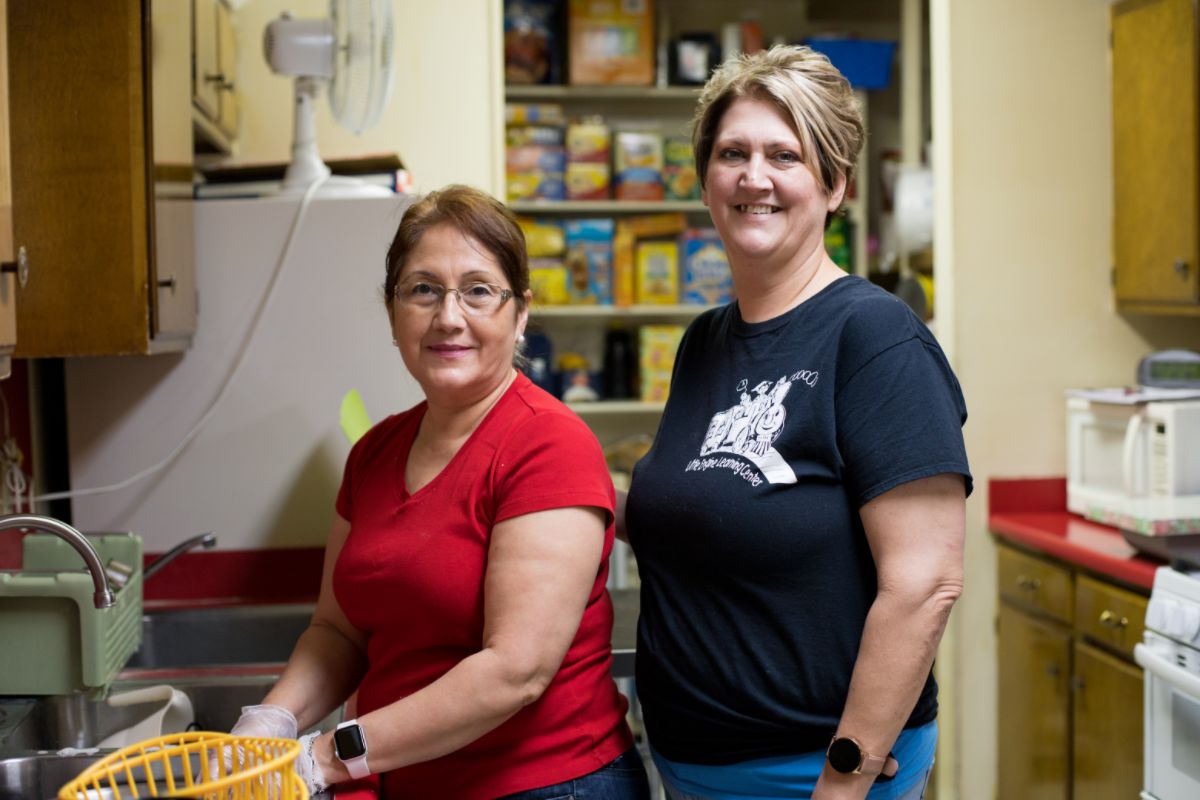
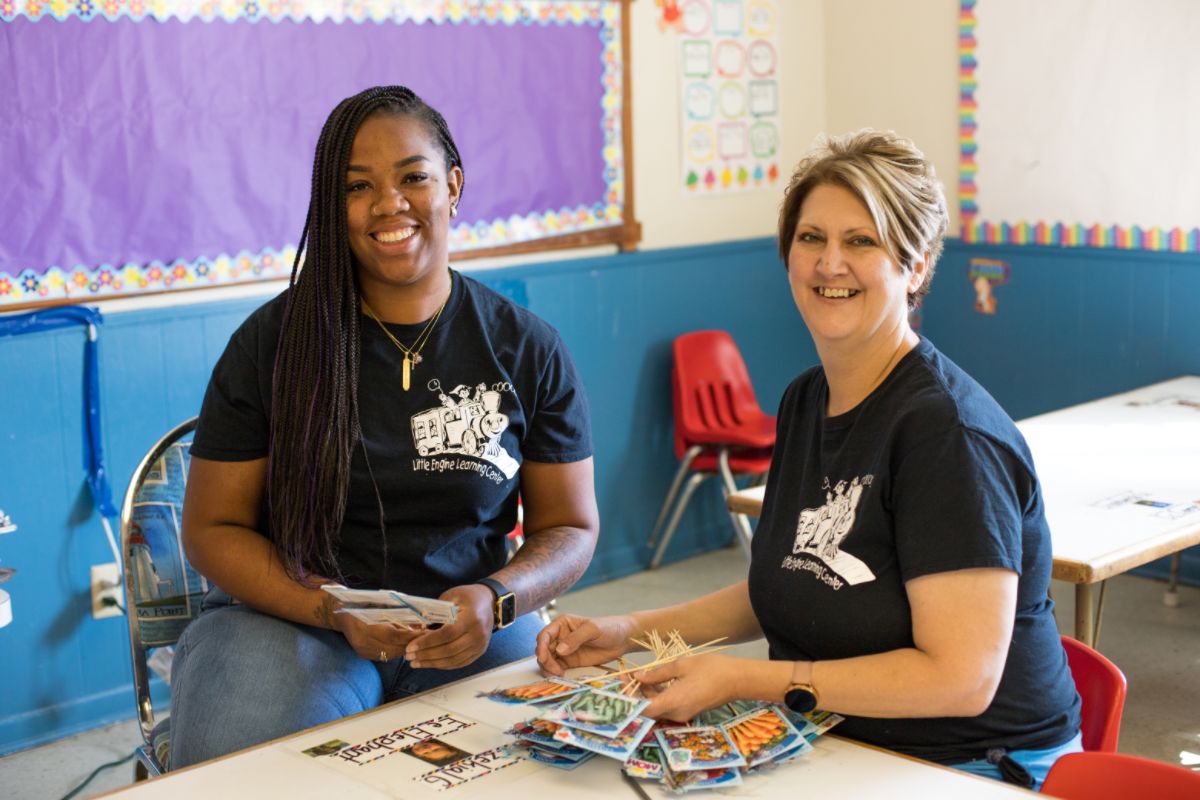
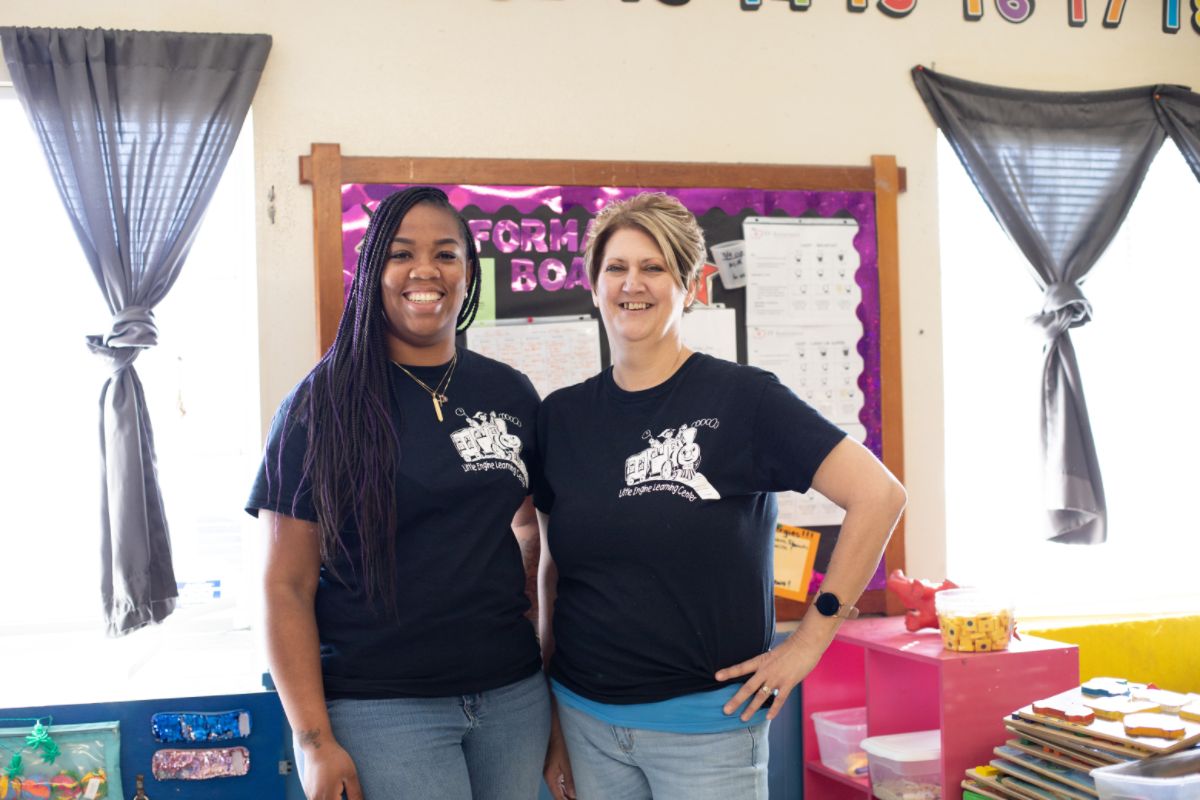
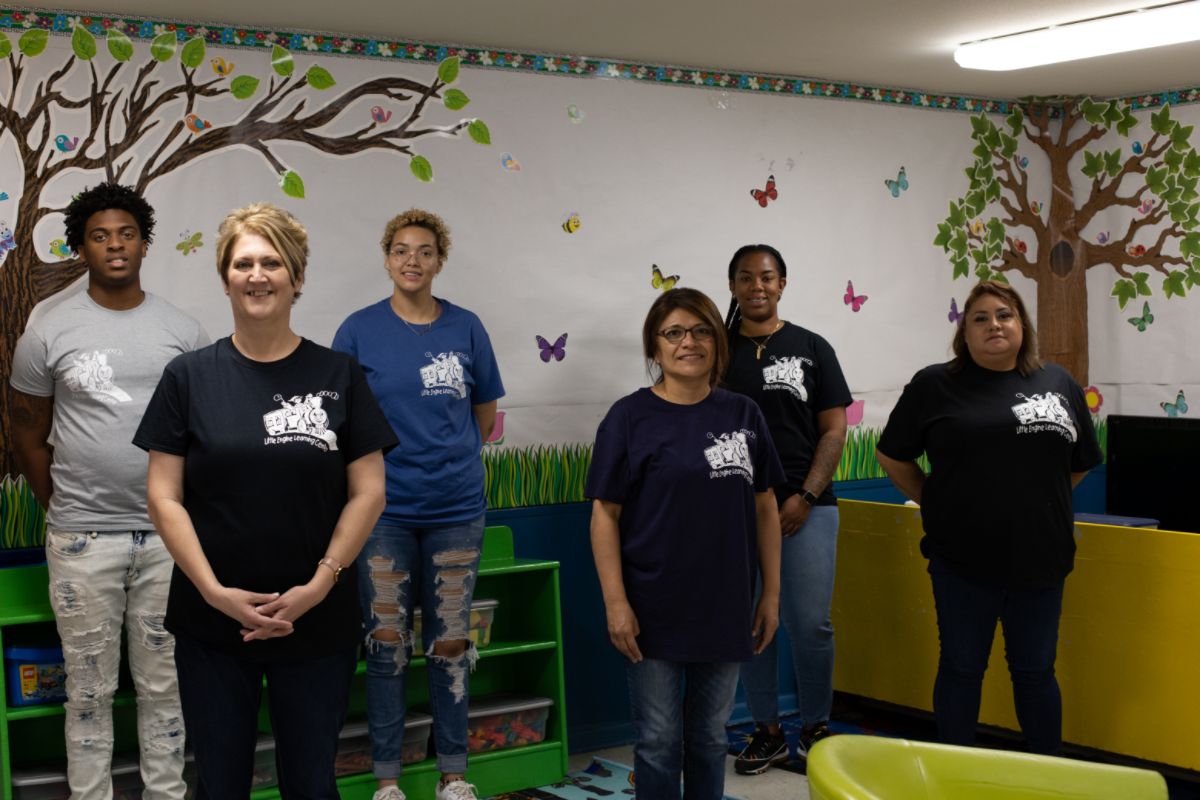 “In spite of their behavior, you have to love these kids beyond where they are,” she said. “We don’t really know what goes on at home, so I just love them and we make things work.”
 Given her own personal journey, Tawnya has a particularly soft spot for homeless individuals, and she helps with providing food and medical supplies however she can. She also buys groceries for families in need, and she’s helping to organize a diaper, baby wipe, and food distribution in her community.
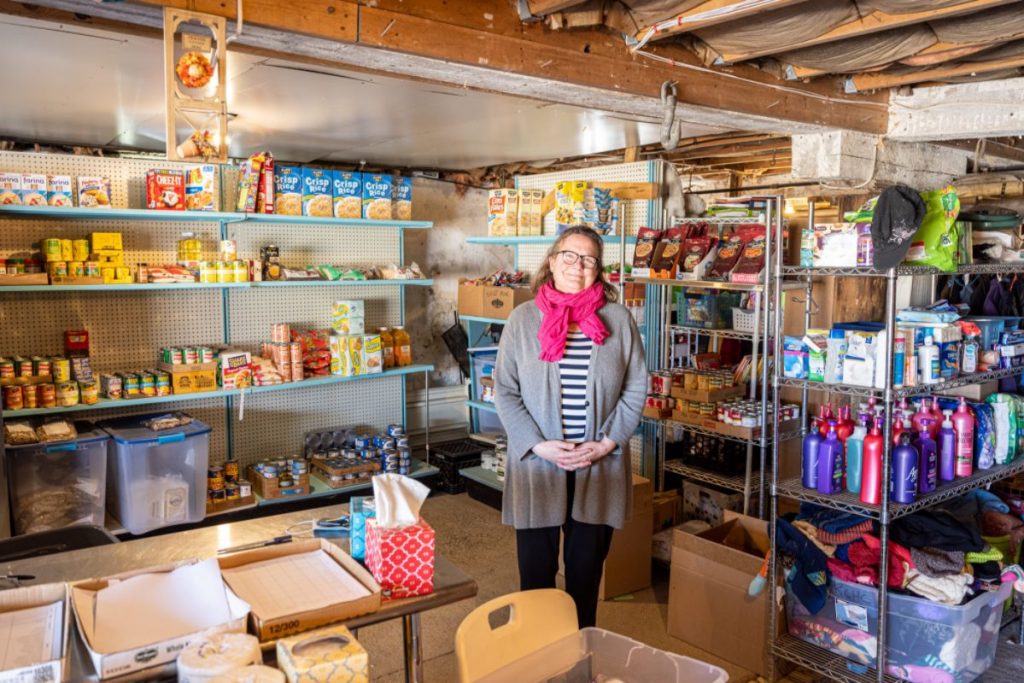
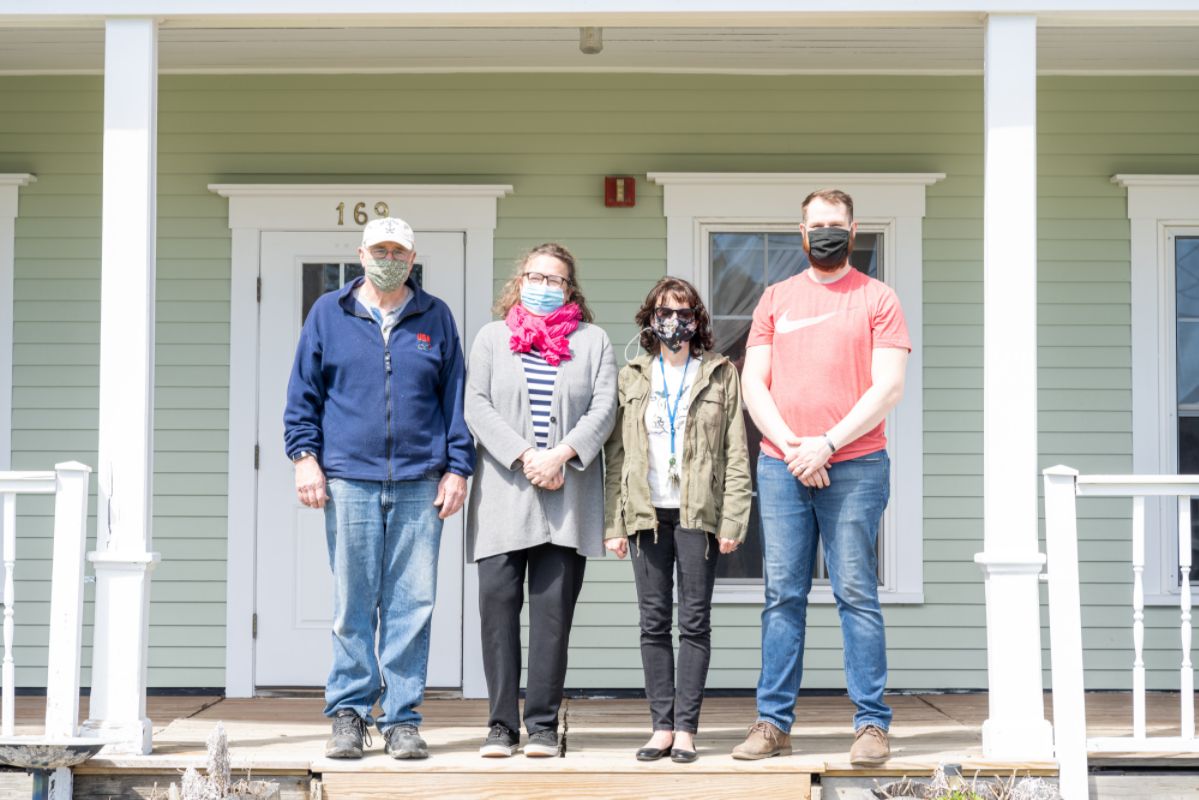
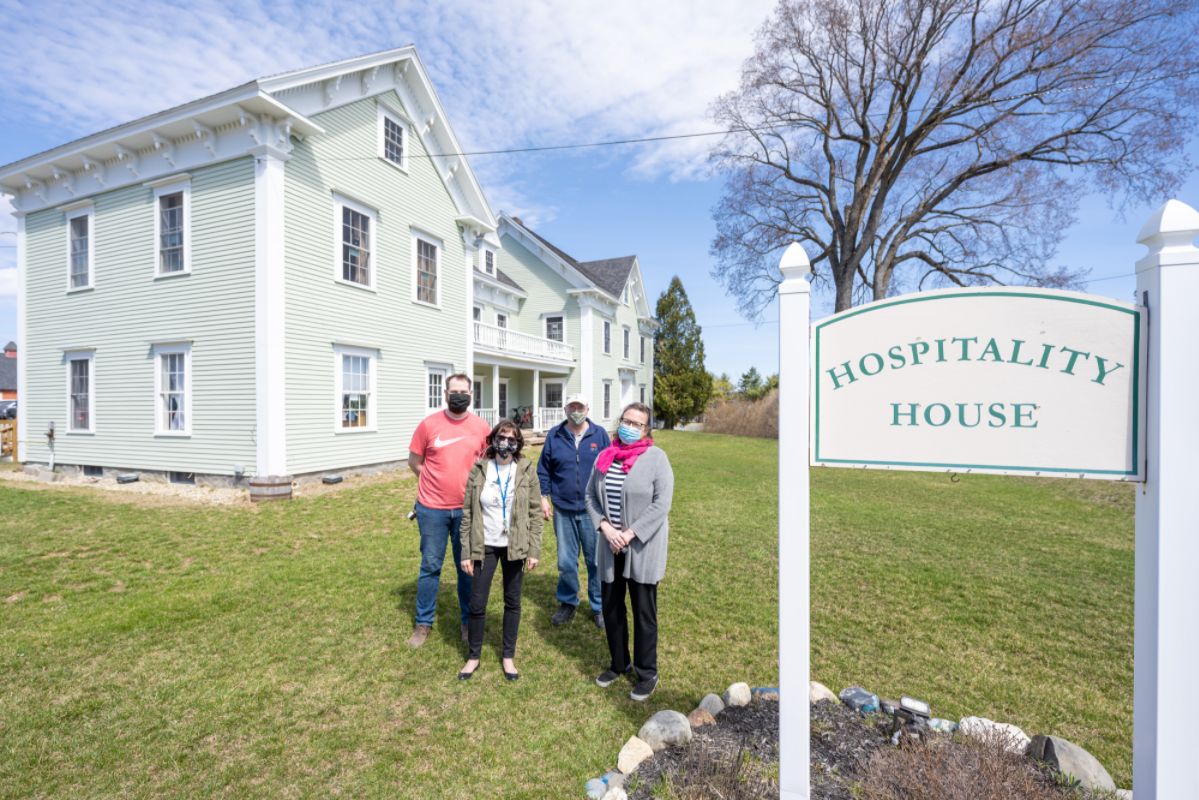 Primm has been working with The Genesis Fund since Knox County Homeless Coalition’s early days when the CDFI helped the nonprofit acquire its first shelter and plot of land. A couple of years later, The Genesis Fund financed Primm and her team so that they could purchase the adjacent property, which now houses the coalition’s offices, food pantry, and supply depot. The collective land, which Knox County Homeless Coalition owns, is big enough for the nonprofit to one day build tiny houses, which will expand its shelter capacity. Additionally, early in their partnership, Knox County Homeless Coalition had a line of credit with The Genesis Fund, which has since been paid off. “Genesis really invested in getting to know our mission, our aspirations, and us early on,” Primm said. “They’re always so generous with their time, wisdom, and advice.”



 The second project is a bigger affordable housing project in Rockland that will include roughly 20 units of affordable housing, including four to six Habitat for Humanity home-ownership homes. The development will be situated on a single piece of land, within walking distance to town, that was purchased with $500,000 from the Maine State Housing Authority. According to Primm, the housing will be a mix of duplexes for families and small-footprint cottages for individuals or couples. Once the project is completed, Knox County Homeless Coalition will own the affordable housing units, and the nonprofit will incorporate them into its program offerings, where renters will benefit from not just a roof over their heads, but professional support on their path to stable sustainable independence, and the opportunity to build equity over time.
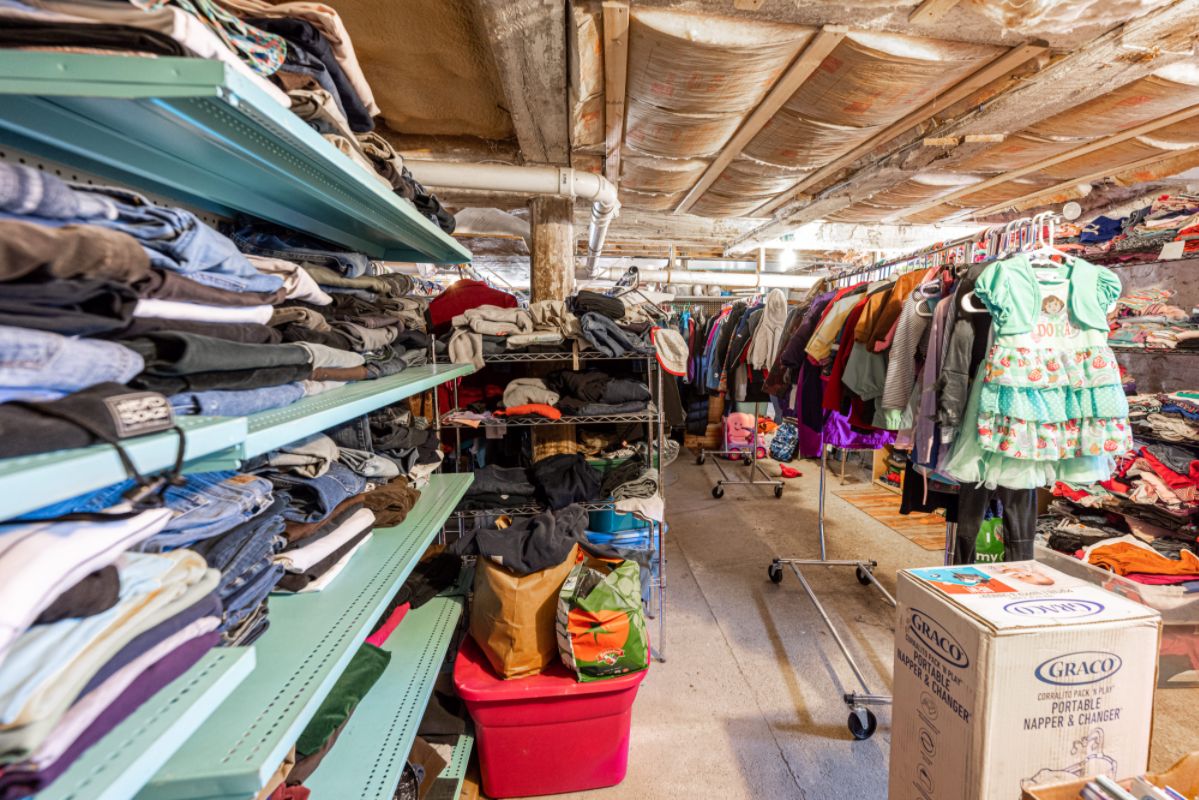
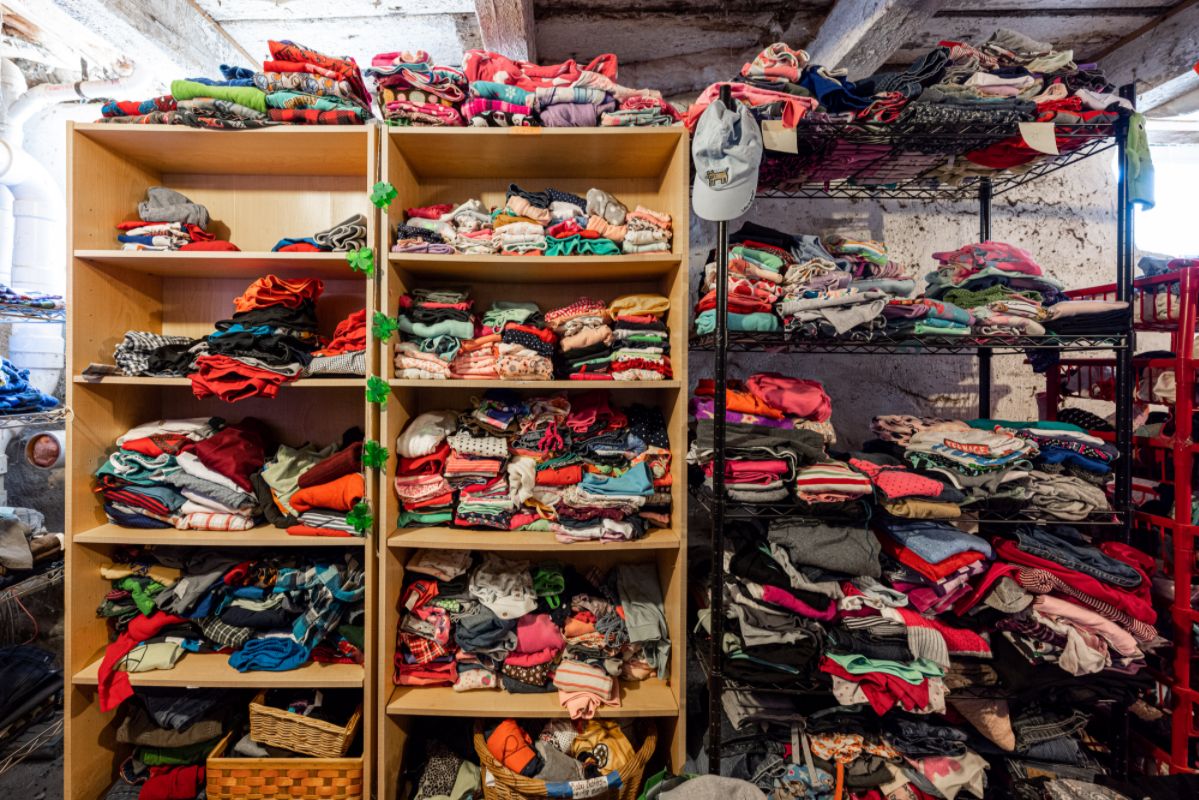

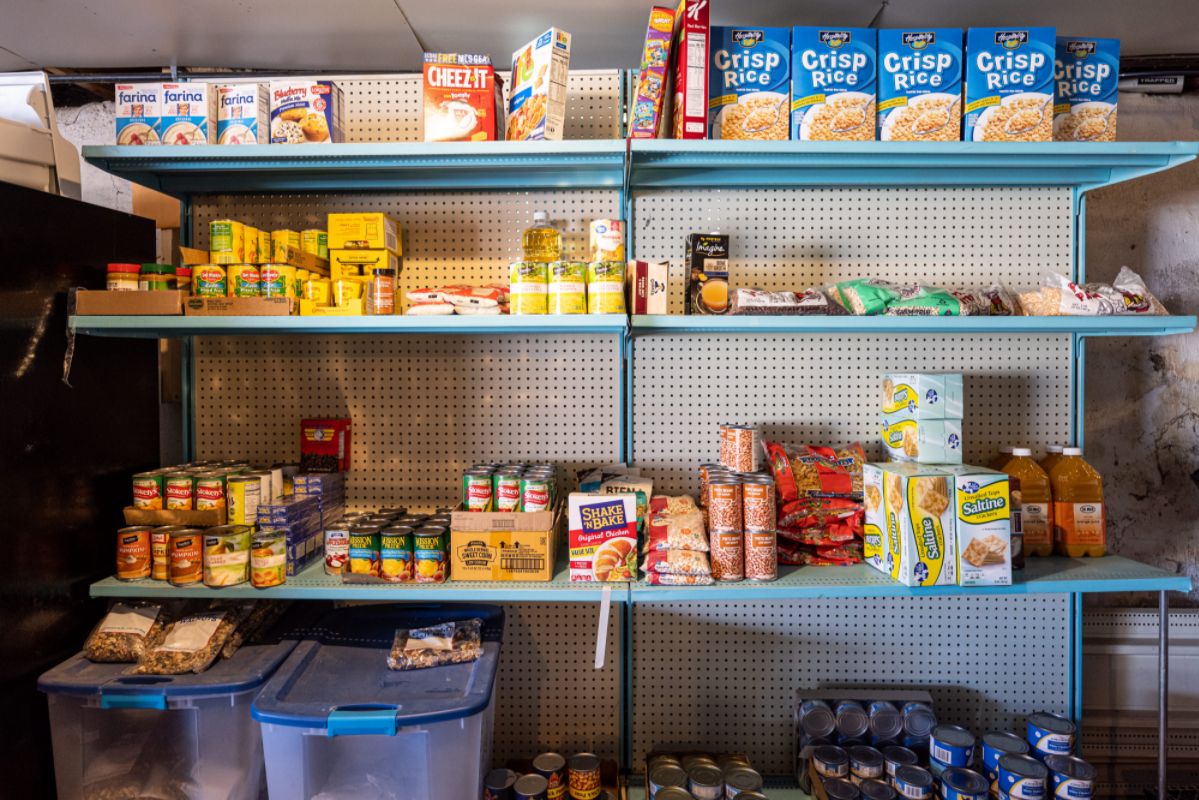
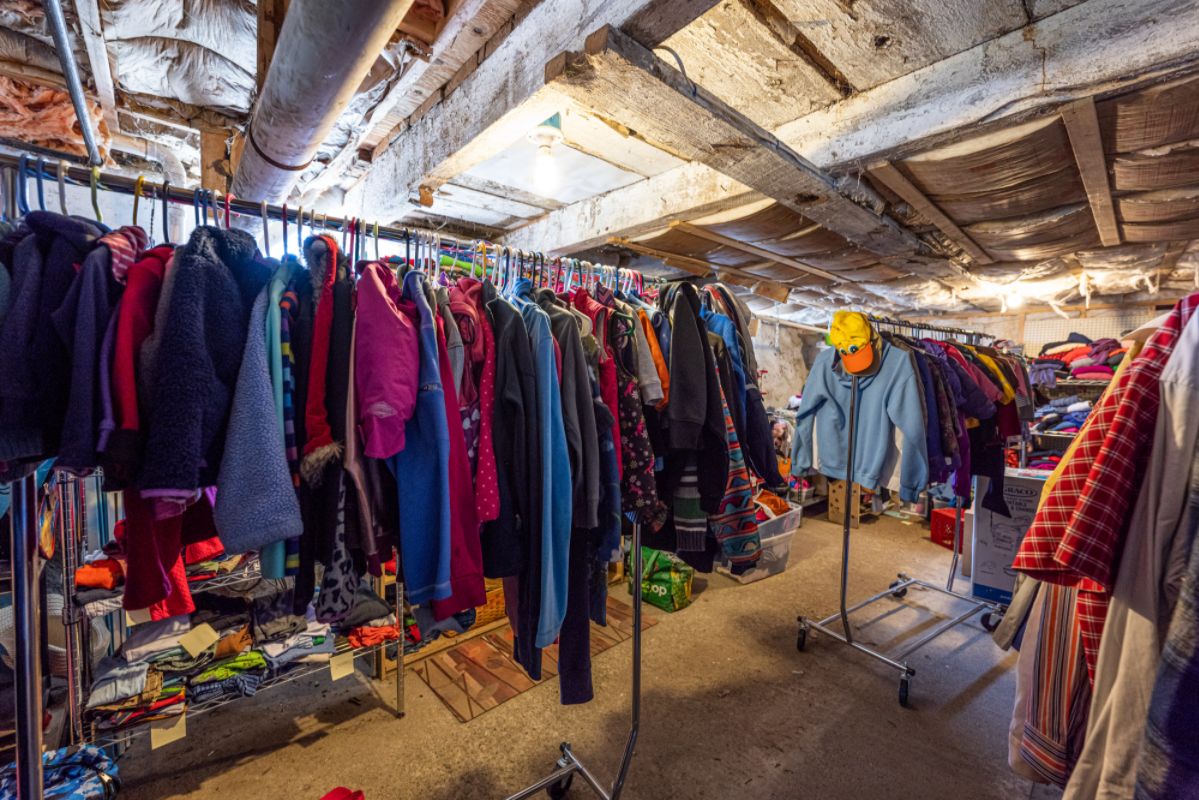
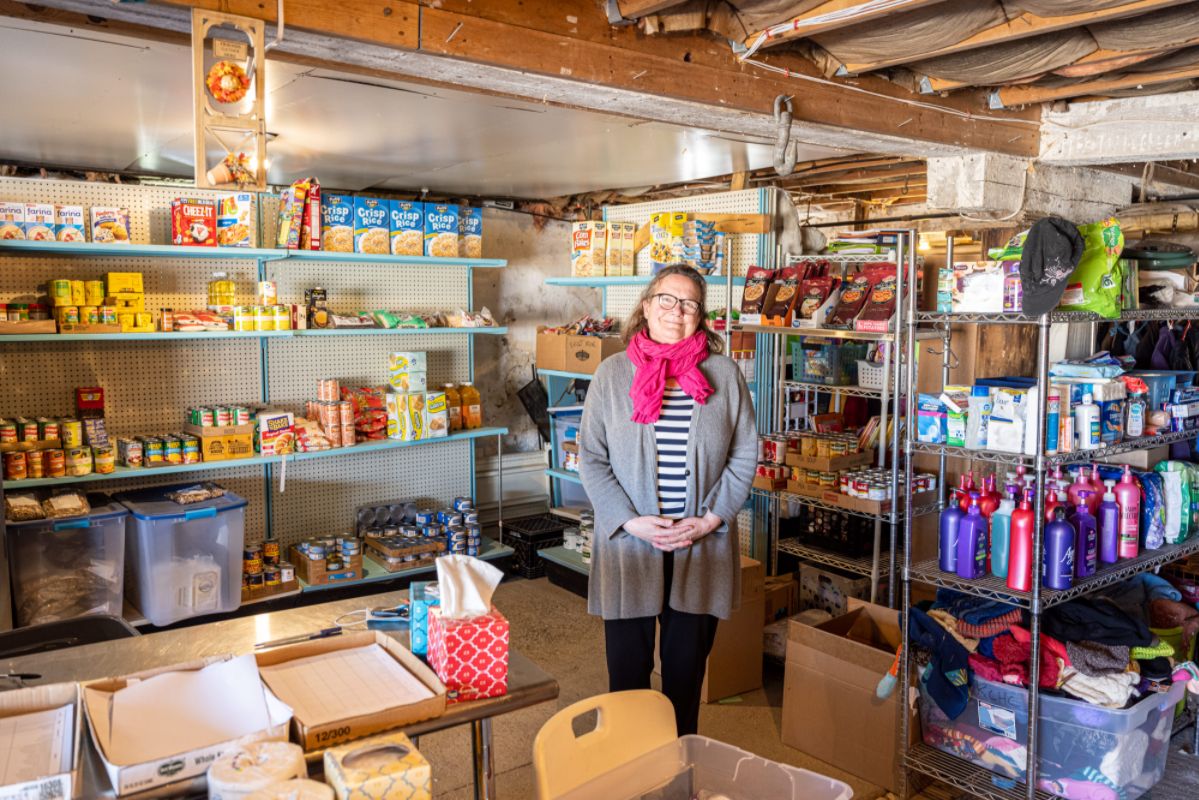 Primm hopes that COVID-19 illuminates the state’s lack of an organized emergency response system that addresses homelessness as part of protecting public health. “The silver lining is that COVID has shed light on this for the first time,” she said. “People are more aware of it and more aware of what we are working on, and affordable housing needs are definitely on the radar—where they should be.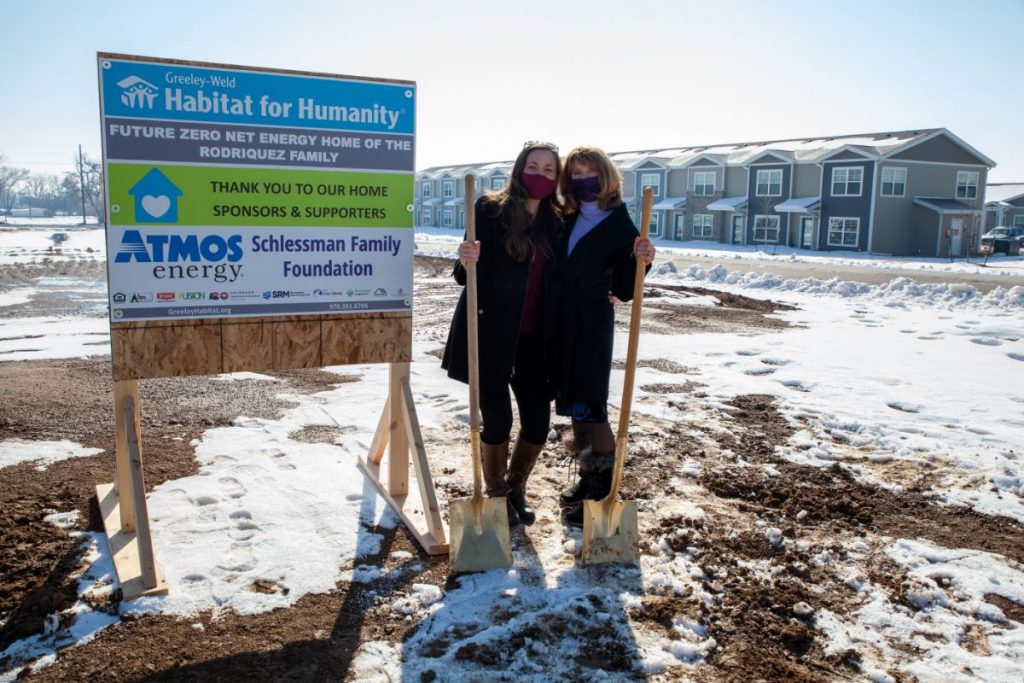

 That doesn’t mean that the transition was easy for Cheri. Instead, Cheri soon learned that there was a stark distinction between the food bank and Habitat for Humanity in terms of being able to meet the needs of the community. Whereas the food bank had a steady supply of food coming in and the nonprofit could meet the needs of almost every family that walked through its doors, Habitat for Humanity was the opposite. Cheri says that for every 100 families that approached her and her team, they could maybe help one of them — in two or three years. “That wasn’t good enough,” she said. “And that became my personal motivation.”
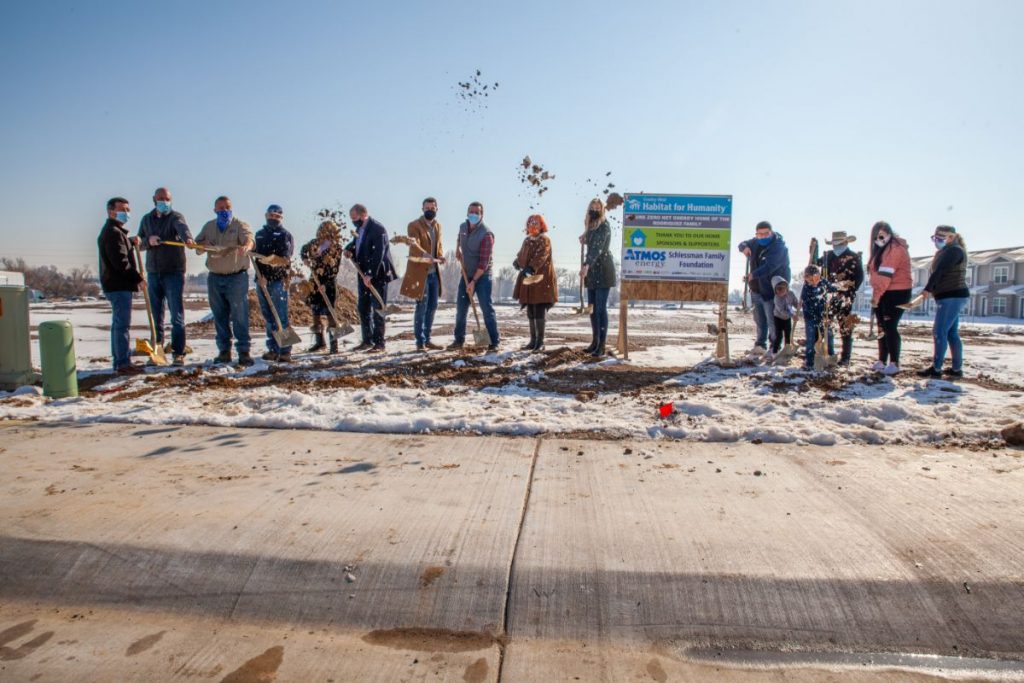 According to Cheri, IDF’s ability to make sure that Greeley-Weld Habitat for Humanity doesn’t just look good on paper but actually is good on paper has allowed it to attract larger projects, investors, and donors. For example, recently, a reputable, multi-density development and building company approached Cheri and told her that it wanted to donate 30 acres of land — a $16 million value — to Habitat so it could build 184 lots of affordable housing in Greeley
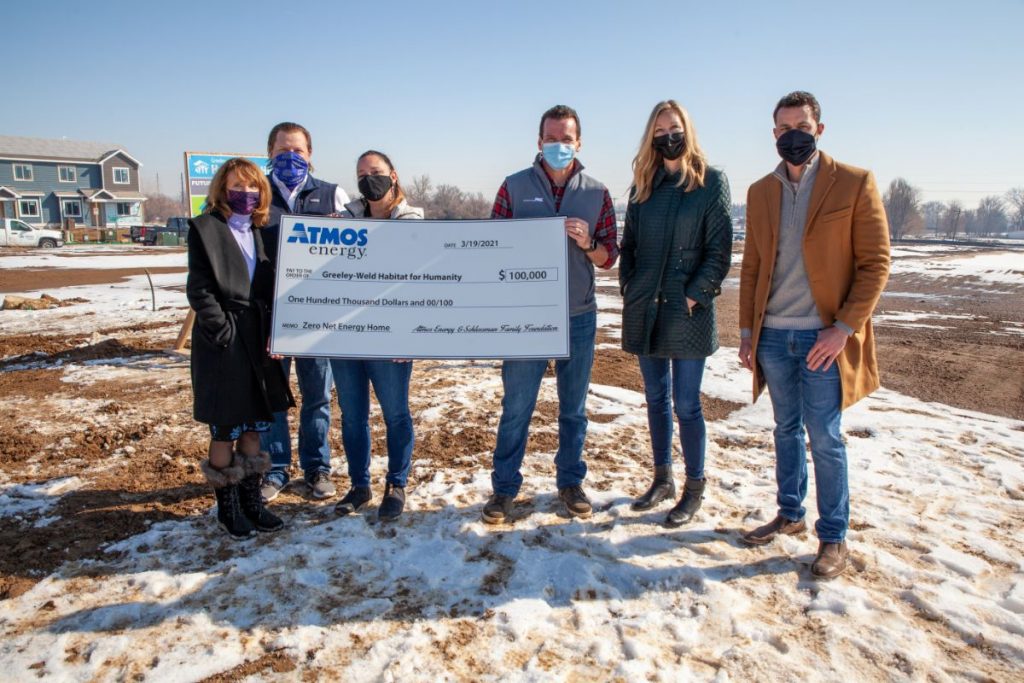 Building Affordable Housing for Everyone
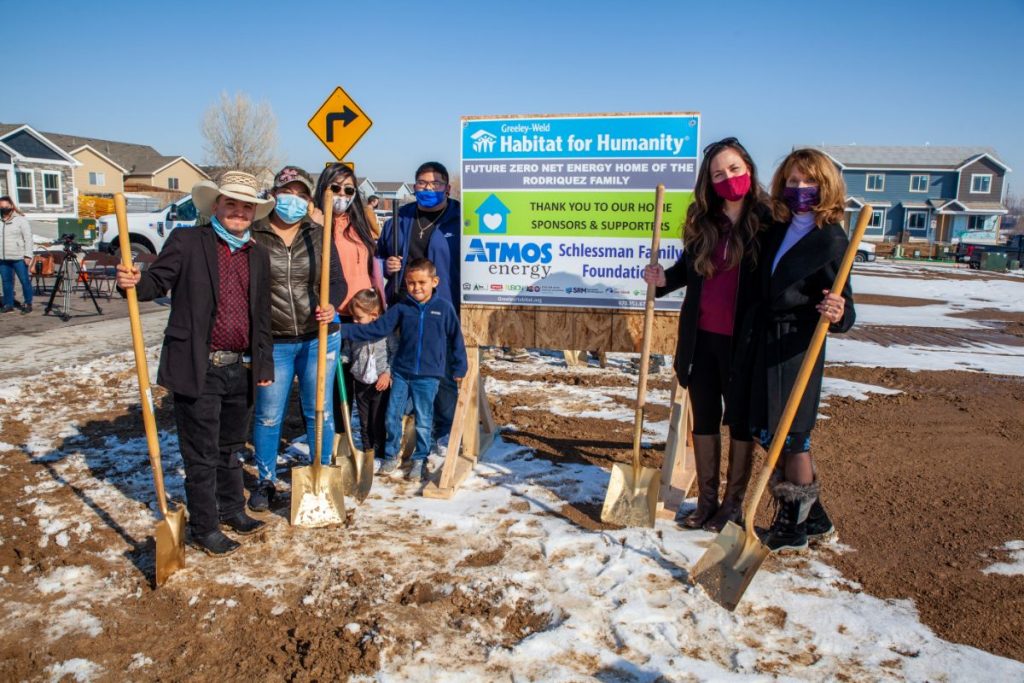 Since returning to Greeley, Cheri has grown deep roots in the community, and it’s not uncommon for her to walk down the street on any given day and run into a donor, an investor, a volunteer, or a family that she’s worked with at Habitat. Despite the joy that those encounters bring her, Cheri says that the most magical moments continue to be when she gets to introduce a family to their new home. “There’s just a look in their eyes,” Cheri said. “It’s relief, and it’s gratitude, and you can just see the sense that they can breathe knowing for certain that this is their home and that things are going to be okay for their future. It’s just such an honor and privilege to be a part of that.”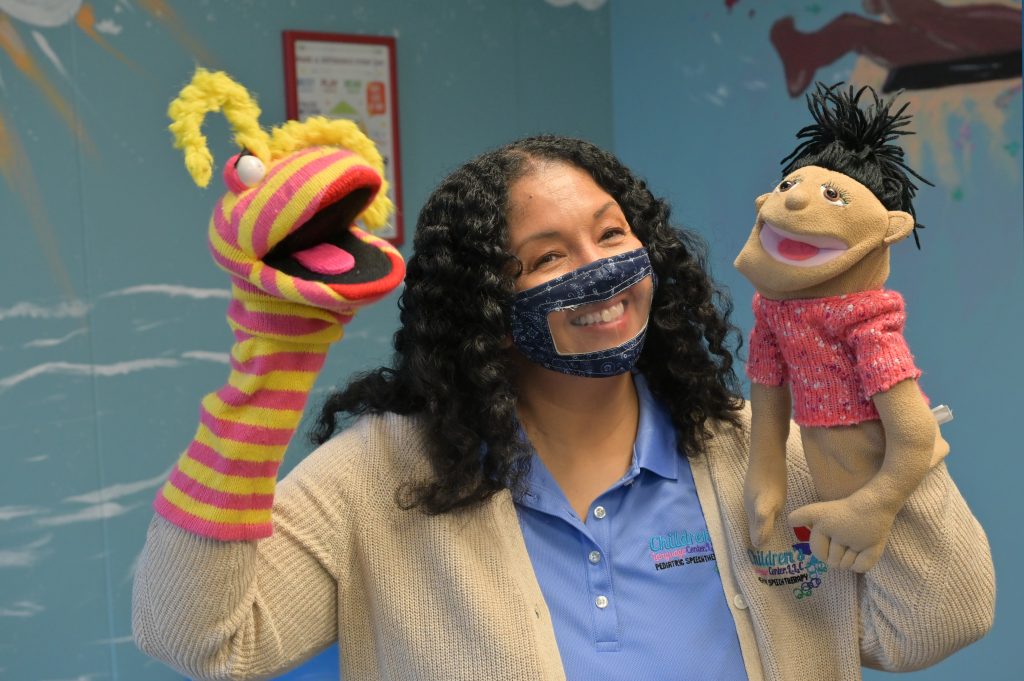
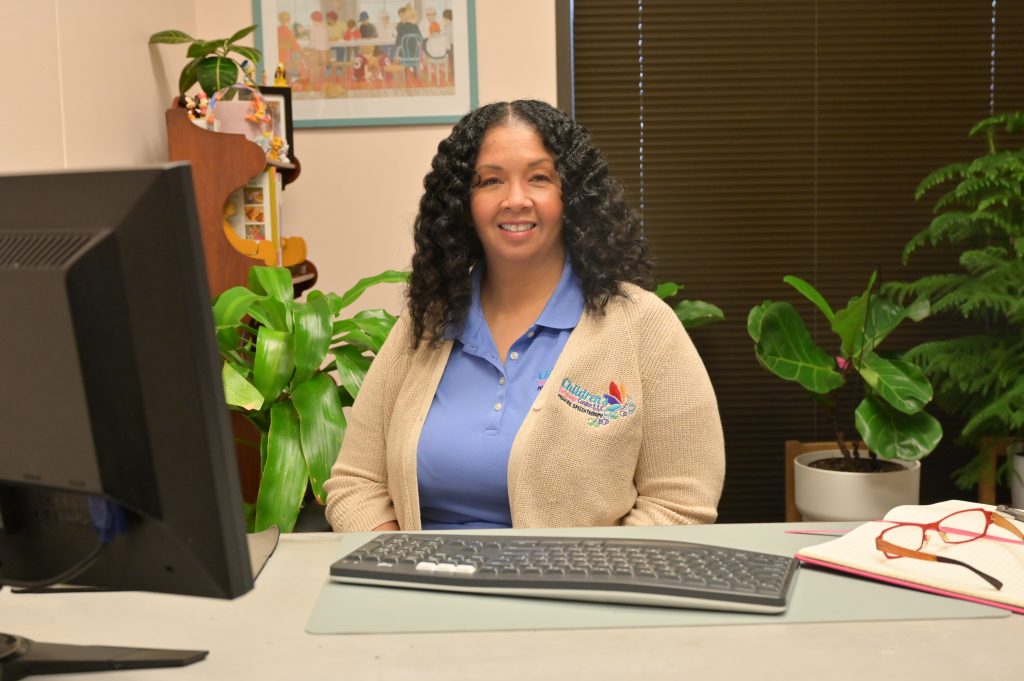 The experience filled Michea with excitement and led her to alter her career trajectory. The Howard University alumna enrolled in a graduate program at Texas Woman’s University (TWU) and set out to research what would be the most effective way to blend language and services with children with autism and language delay. It was through her clinical placements at TWU that Michea discovered that she had an innate talent for working with young children as a speech-language pathologist.


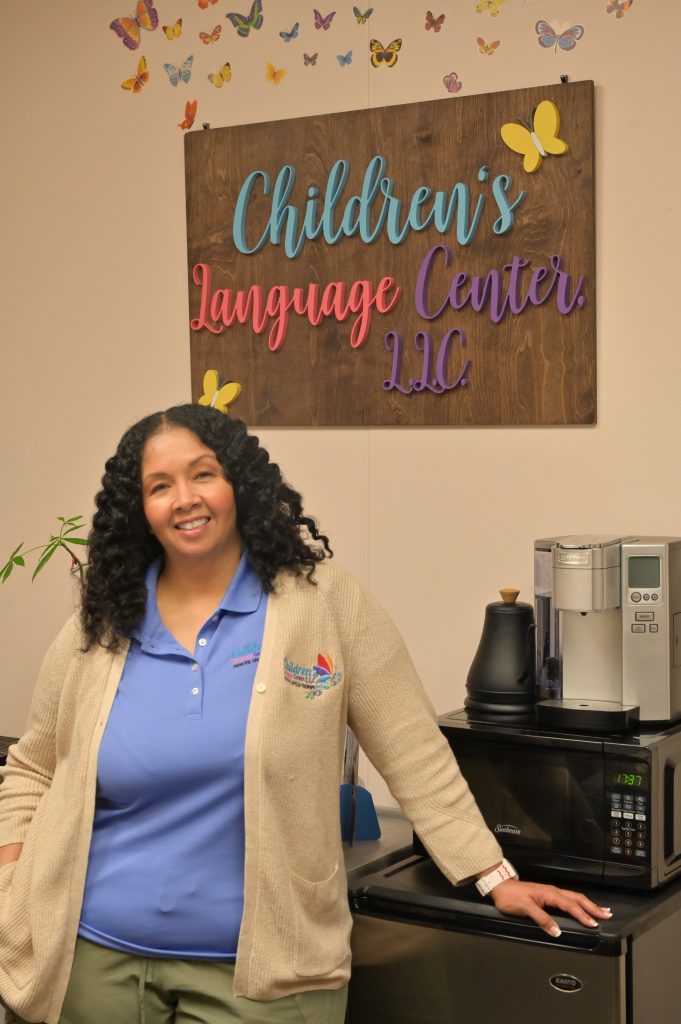 That night, Michea sent TruFund an email. Like other entrepreneurs enrolled in the CDFI’s resiliency class, she was able to receive real-time information about PPP loans, and she was able to get everything that she needed in order so that when the time came to apply for assistance, she was ready to go. In the end, Michea received her PPP loan from TruFund, and although the amount wasn’t much, it was enough to give her business the momentum it needed to survive.