Monthly Archives

March 2021

By Borrower Stories, Migration V1

How Gloria Dickerson is Inspiring the Mississippi Delta Community To Make Their Dreams a Reality

Gloria Dickerson wants to change the way people think. It’s no easy task, particularly when it comes to encouraging low-income communities to dream bigger than the world they know. However, Gloria Dickerson is no stranger to adversity.

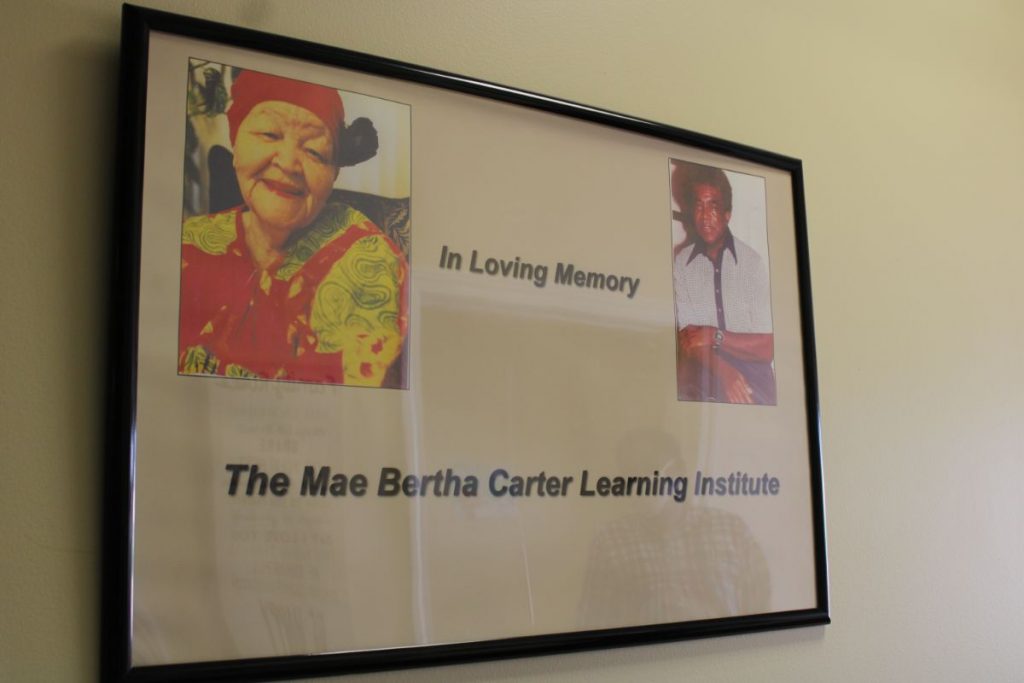
Gloria was born into an impoverished family of sharecroppers in Drew, Mississippi. She was one of 13 children, and although her family was poor, Gloria says her most valuable assets as a child were her parents. Her mother, Mae Bertha Carter, was active in the Civil Rights Movement and The National Association for the Advancement of Colored People (NAACP). Mae Bertha Carter made clear in action that she wanted better for her children.
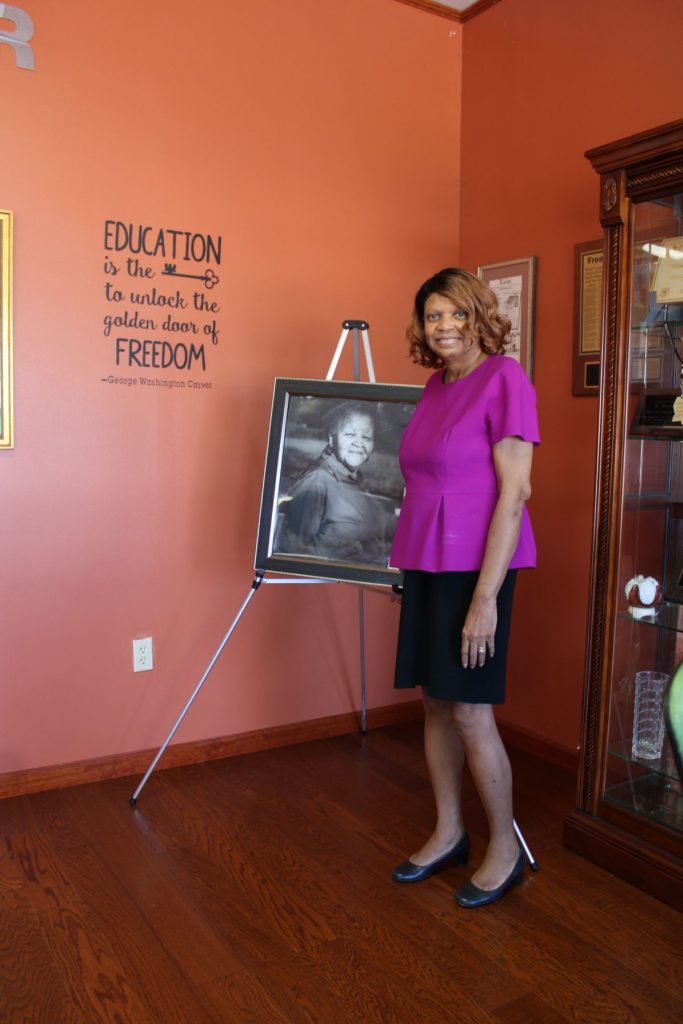
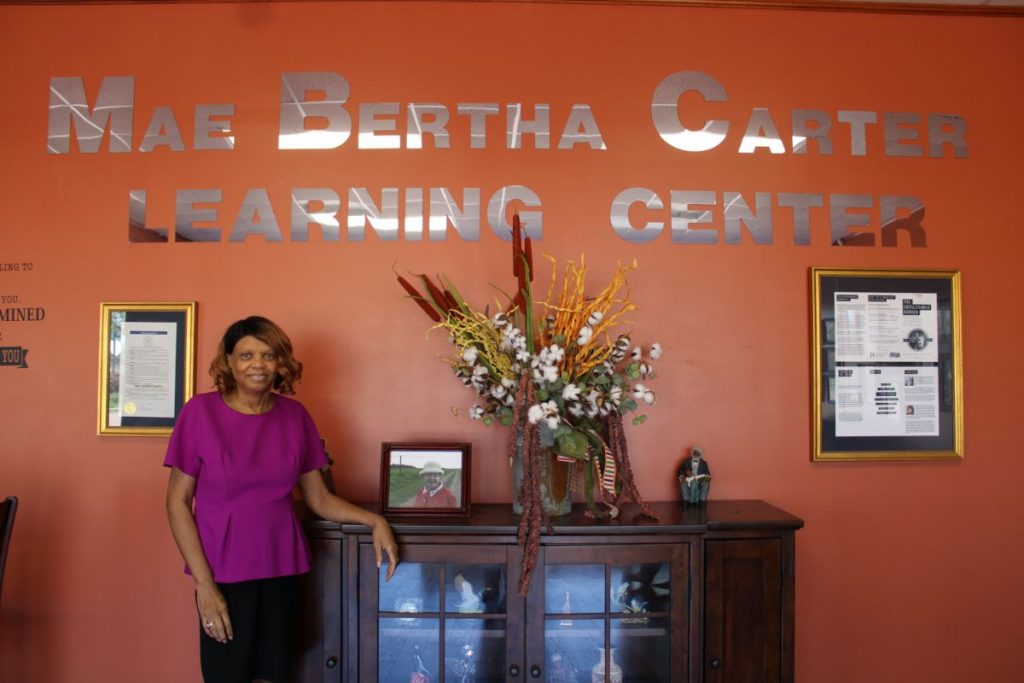
Gloria Dickerson standing next to a photo of her mother, Mae Bertha Carter.

“She didn’t like being a sharecropper, being hungry at night,” Gloria said. “And she didn’t like it when the plantation owner came by and told her that her children couldn’t go to school because they got to get the cotton out of the field. She knew that wasn’t right, and she made it up in her mind that her children were not going to have to live in poverty for the rest of their lives the way she had come up. She didn’t know how, but she was determined.”

In 1964, it became clear what it would take to break Mae Bertha Carter’s family’s cycle of poverty: sending her kids to integrate the Drew School District.

Although Brown v. Board of Education had found segregation of children in public schools unconstitutional in 1954, the Supreme Court decision had largely left it up to states to decide when to integrate their schools. Come 1964, however, states like Mississippi still hadn’t taken any action, prompting the Federal government to threaten to pull federal funding. That’s when the Drew School District adopted what was called Freedom of Choice, which meant that families in the district got to choose where to send their children to school.

In 1965, Mae Bertha Carter chose to send her seven school-aged children to the all-white school, where she knew they’d get a better education. The FBI followed the children to school for the first week, after which they decided the family was safe. That couldn’t have been farther from the truth.
Gloria and her siblings, spread between first grade and eleventh grade, were the only Black students in the school. Their peers threw chalk at them and showered them with spitballs. White students terrorized them in the hallways and called them terrible names, at home things were even worse. People fired guns into the house so that the family had to resort to sleeping on the floor, and people plowed their gardens and released their pigs. The family was even evicted from the plantation where they lived and worked.

“My momma used to get on the bed every day,” Gloria said, “and she’d pray when we got on that school bus, and say ‘please Lord, please send my kids home safely.’ Then, at the end of the day when we’d get off the school bus, she’d be there, counting us one by one because she didn’t know if all of us would be coming home or not.”

Gloria says that people did everything they could to try to stop her and her siblings from going to school and to change their minds. In the end, it didn’t work. Instead, the family not only kept sending its kids to the formerly all-white school, but in 1967, it sued the school district on the grounds that it was an intolerable burden on children to have to go through what Gloria and her siblings had to go through to get an education. Gloria’s family won the lawsuit, and the Drew School District threw out Freedom of Choice and school-based segregation in 1969.

When asked, Gloria refers to her time in the all-white high school as both the best and the worst of times. Amidst the external struggles and the social upheaval taking place around her, she learned how to be in solitude and in silence, and she picked up important study skills. She got her education, and one by one, Gloria and her siblings received NAACP scholarships to attend the University of Mississippi, better known as Ole Miss. Each of them later walked across the graduation stage, diploma in hand.

Gloria passed the Certified Public Accountant (CPA) exam and later returned to school to get her M.B.A. On paper, she’d done it — she’d succeeded in accomplishing something and pulling herself up to the middle class. In 1999, she got a job as a corporate controller with Kellogg Foundation. Five years, later, however, she was ready to get out of the back office and back into the community. The foundation sent her to Jackson, Mississippi to be a program officer, where she coordinated capacity-building efforts with community-based organizations across the Mississippi Delta.

That all came to an abrupt end, however, when the Mid-South Delta division of the foundation she worked under was dissolved in 2009. Gloria was forced into an early retirement, which raised some big questions for her. She knew she wanted to be in the field, working with people and giving back to her community. She also knew that every time she visited her mother in Drew, most of the people she saw continued to live in the same poverty that she’d escaped.

“I’d go visit my hometown and say ‘they shouldn’t have to live like this,’” Gloria said, referring to the dilapidated houses, the lack of grocery stores and fresh produce, and the dismal state of the public schools. “We fought so hard in that classroom, but I looked back and said ‘what good did that do?’ It did me some good and it did my family some good, but the job is not over.”

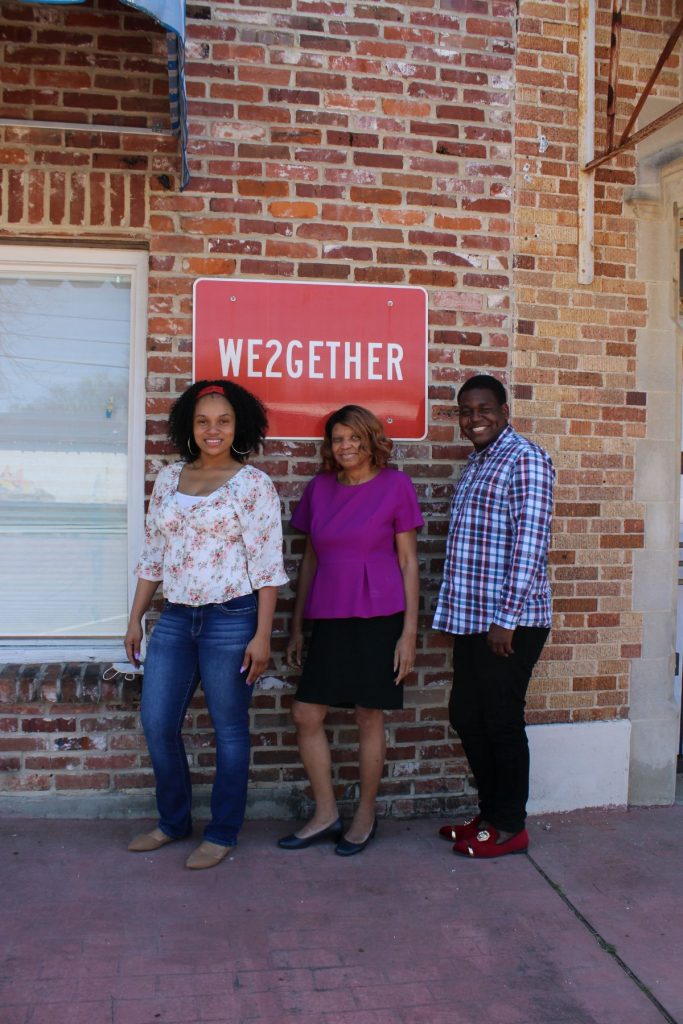
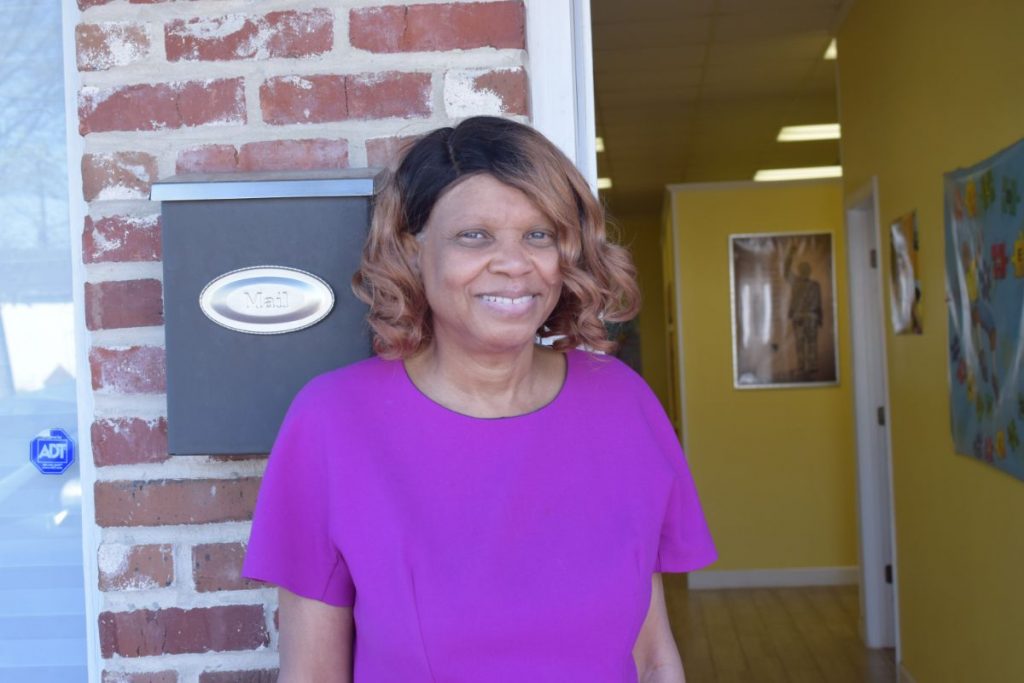
Gloria started a nonprofit called We2Gether Creating Change and decided to return to her community in Drew so that she could show people how to escape poverty and teach them how to thrive.
Leading By Example

Gloria had her work cut out for her.

Given her professional background, she knew that foundations were somewhat disillusioned with the Mississippi Delta, because no matter how much money they poured into the region, nothing seemed to change.

“When I’d ask them why do you think things aren’t changing, they’d say ‘those people down there need to start thinking differently about their life situation,’” Gloria said. “So, when I started my organization, I wanted to address what those foundations said was the issue: the way people think, and their mindsets, value systems, hopes, dreams, and imaginations.”

Upon returning to Drew, the first thing Gloria wanted to do was to teach school children about their local history. Gloria wanted to teach the kids about the community they’d been born into, and she wanted to share with them how her family was able to use education to lift itself out of poverty. Those history lessons quickly morphed into conversations about self-worth, self-esteem, leadership, life skills, career tracks, etiquette, relationships, and abuse.
It didn’t take Gloria long to learn that most of her students had never been outside of Drew. That proved problematic, because when she asked them to dream, they had no idea what she was talking about. Therefore, once a year, she started taking groups to Orlando, Florida: to show the kids what middle-class life looked like. They’d go to Universal Studios and to Disney World so that the students could start to imagine a different future for themselves. For eight consecutive years, until the COVID-19 pandemic, Gloria and her team took 100 kids per year to Florida.

“A lot of those kids have gone to college, and some of them have gone back to Disney World with their own kids and families on their own,” Gloria said. “Some are nurses and biologists, and a lot of them tell me ‘if you hadn’t shown me what we could do, I never would have been where  I am.’”

Over the years, Gloria’s work with middle and high school students in her community expanded across her community. She began to work with elementary-aged students to help improve their reading levels and she started to work directly with her students’ parents and other adults in Drew, so that they too could begin to change their mindsets. The classes she coordinates range from financial literacy to mindfulness and meditation. However, Gloria knew that if she was truly going to help her community move from poverty to prosperity and from hopelessness to hope, then she was going to also have to find ways to make tangible, physical improvements to Drew to show people that change is possible.

You Have to Give Them Hope

That’s when Gloria called HOPE, a credit union that has generated more than $2.5 billion in financing to benefit more than 1.5 million people across Alabama, Arkansas, Louisiana, Mississippi, and Tennessee. CNote partners with credit unions like HOPE across the country, working together to mitigate the extent to which factors like race, gender, and birthplace limit one’s ability to accumulate wealth. Together, HOPE was able to help Gloria and other concerned citizens in Drew make improvements to their community.

“We didn’t have any playgrounds,” Gloria said, “and the grocery store had closed, so we had no way to get a banana. We didn’t have any affordable houses, and the neighborhood and streets looked like a mess with these dilapidated houses. All of this stuff affects the way people think: it’s their environment. But just because they’re poor doesn’t mean they don’t want to have a place to play or sidewalks.”

The first thing HOPE did was help Gloria and her new group, the Drew Collaborative, to finalize a strategic plan that they could then use to present and send to funders. More so, HOPE funneled grant dollars into Drew, which went toward tearing down decrepit houses and building affordable homes in their place.

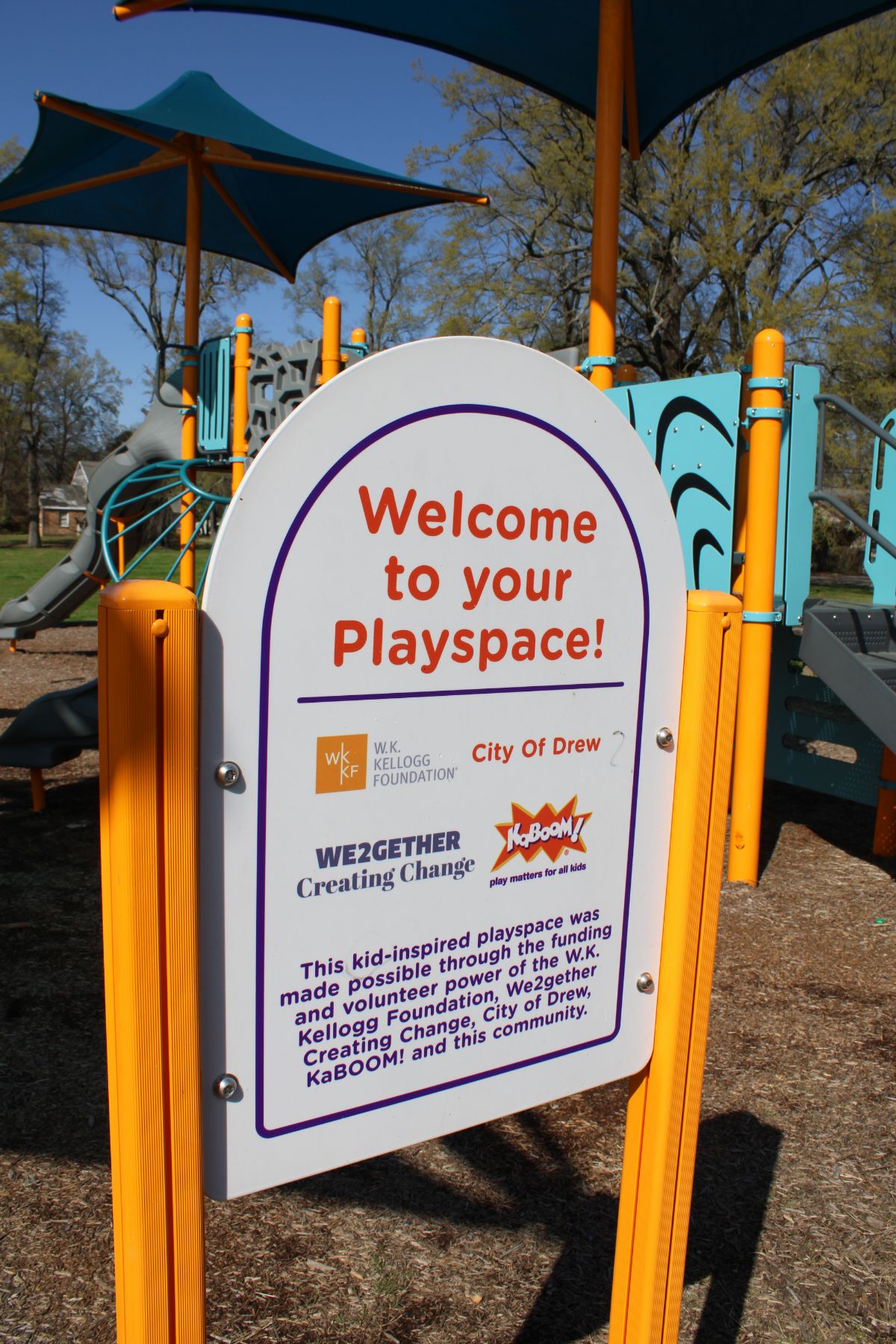
HOPE also brought in KABOOM! to build a playground, and the collaborative is currently working to open both a grocery delivery distribution center and a telemedicine center in Drew.
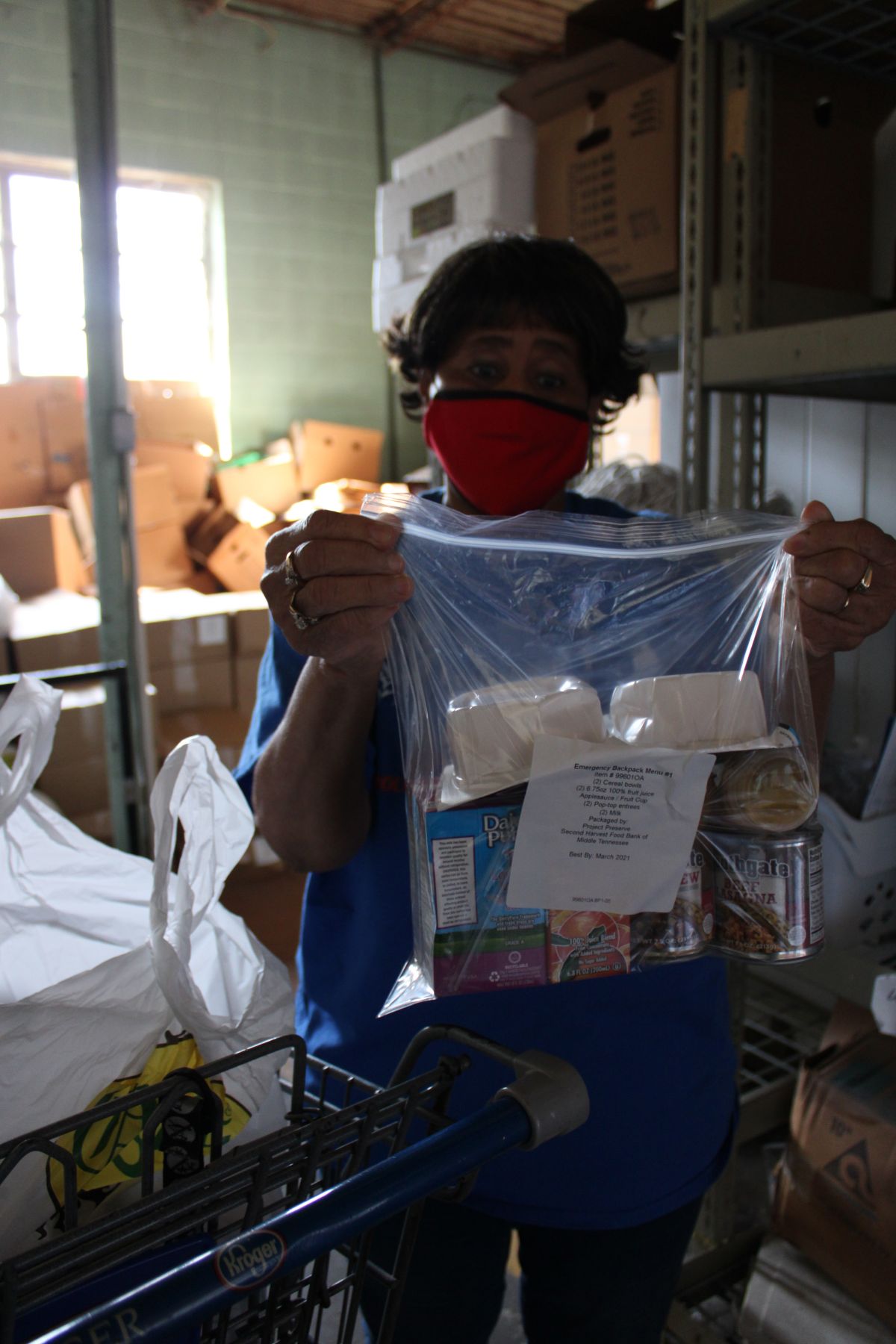
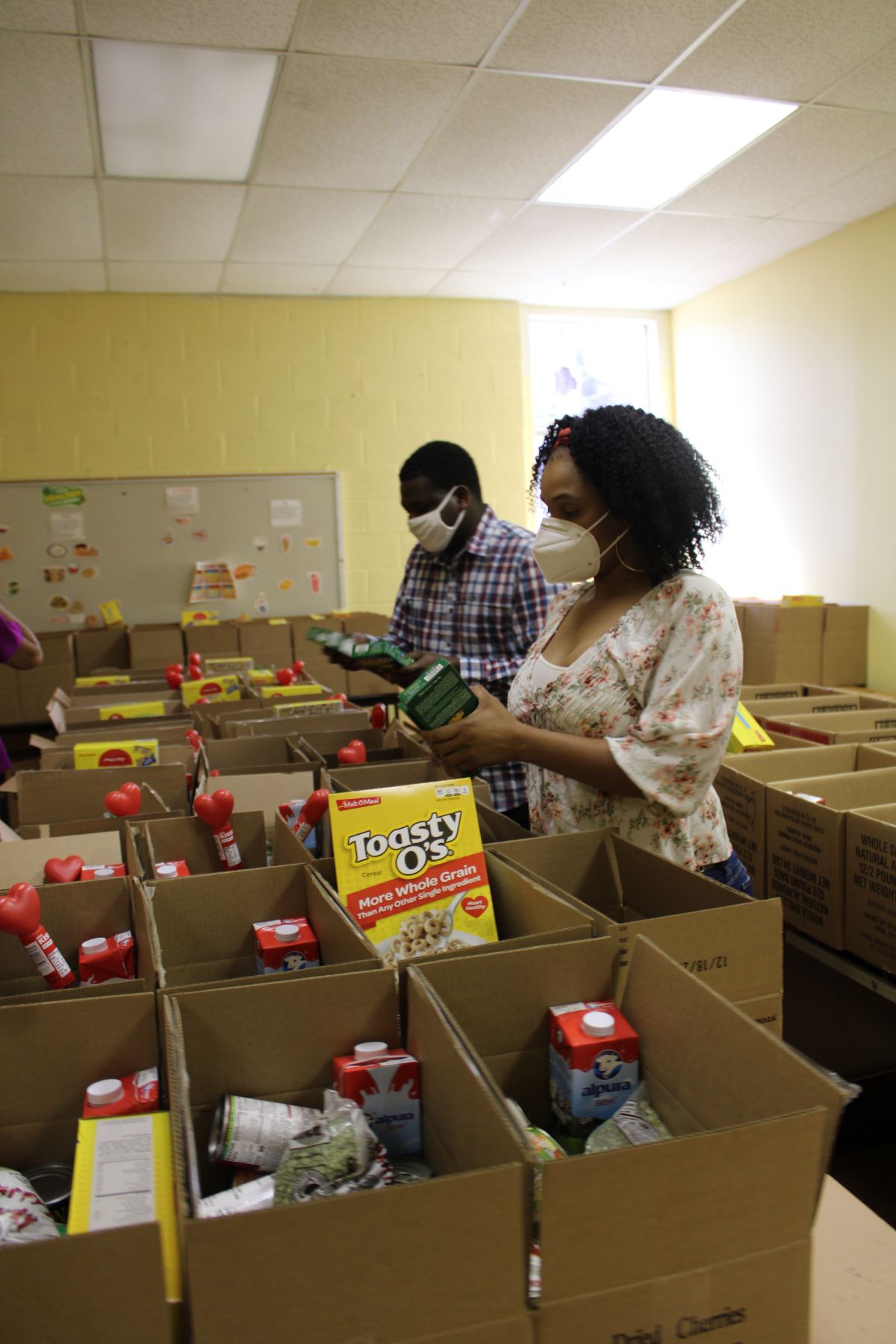
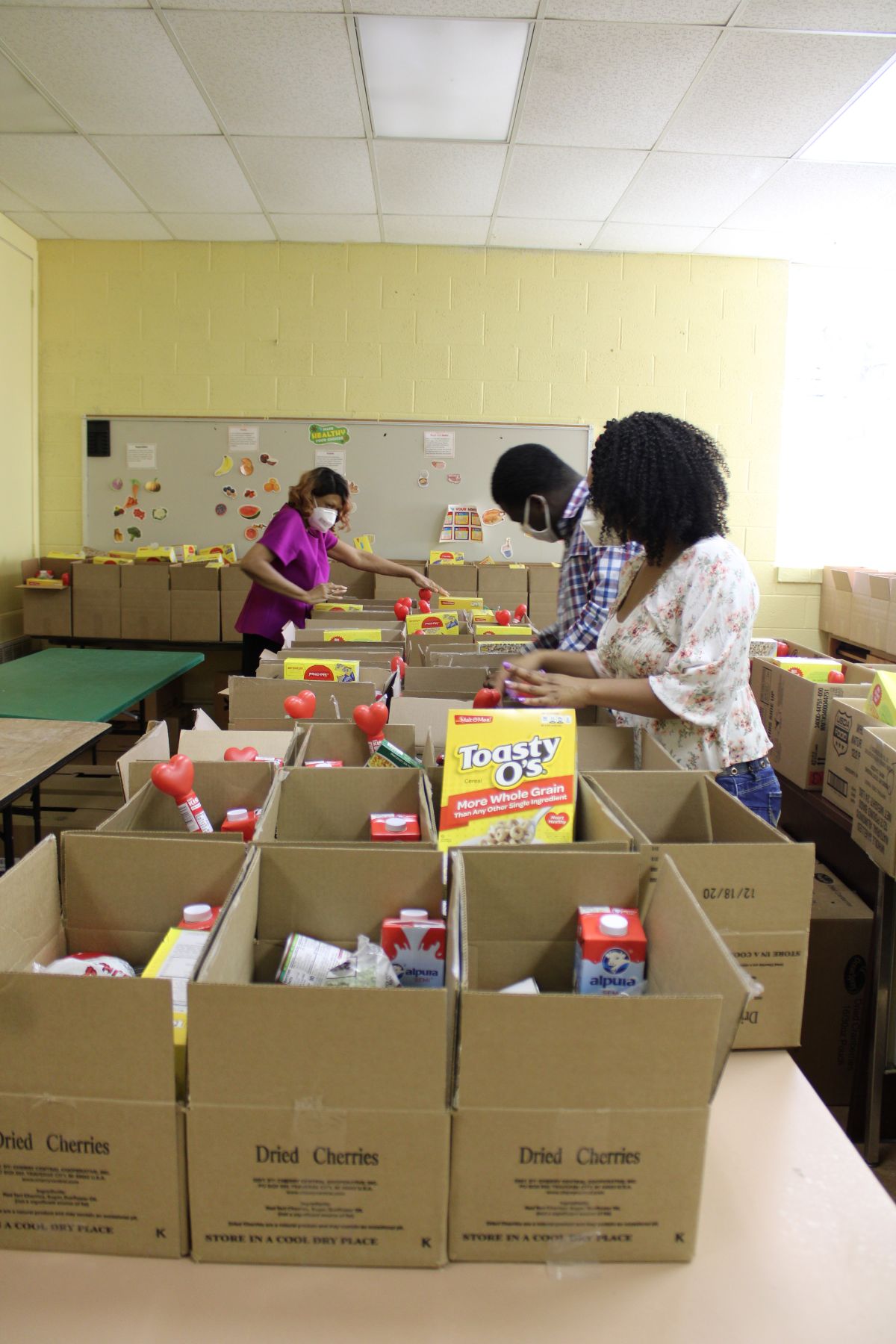
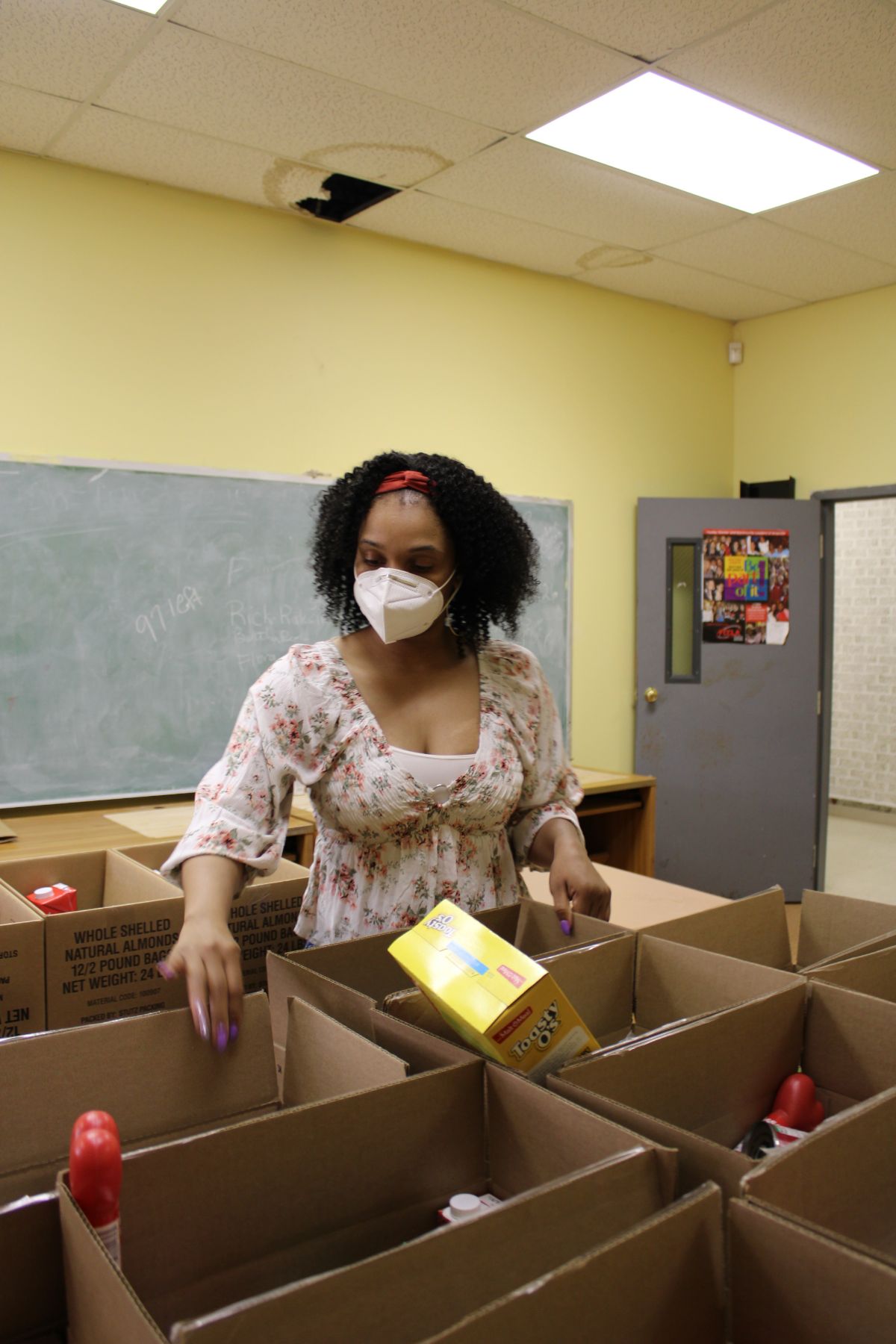
In the wake of the COVID-19 outbreak, HOPE also provided Gloria with a Paycheck Protection Program (PPP) loan to keep her two staff members at We2Gether Creating Change employed. The nonprofit has shifted away from in-person classes and gatherings, and because most people in her community don’t have computers or the internet, going online isn’t possible. Still, Gloria and her team have been distributing disinfectant, masks, gloves, and soap around the community, and because of the PPP loan, they’ve been able to keep their food pantry open.

“If it wasn’t for HOPE, I would have had to lay off my employees,” Gloria said. “I’m glad I was able to keep them, and I’m grateful that we were able to get that funding, because we wouldn’t have been able to continue with things unless I was able to keep those two on.”
Dreaming Beyond The Pandemic

Whereas the coronavirus pandemic has turned much of her world on its head, if there’s one thing that Gloria is grateful for over these past few months, it’s the time she’s been given to step back and to think about the future of We2Gether Creating Change and of Drew, Mississippi. According to her, she wants her nonprofit to get more into racial equity work. That includes acquiring the barn where Emmett Till was killed and turning it into a museum or a retreat center — a place in the community that pays tribute to him. She’d also like to restore a small jail in Drew that was used to imprison some of the Freedom Riders back in the 1960s. It all ties back to the initial work that Gloria started in the community when she moved home in 2009: teaching people about their local history so that they can use education as a vehicle to escape poverty.

As for Drew, Gloria wants to leverage her position as a Sunflower County district supervisor to improve the town’s infrastructure and aesthetics. It’s a difficult task, but still, it’s something that Gloria is committed to.

“I need to do this,” she said. “I need to work in this community and try to help people and serve people. I’m passionate about it because I know what it was like for me trying to grow up in poverty and how hard and painful it was. Even if I can help anybody else to not have to go through that, then that’s what I want to do. That’s what drives me.”
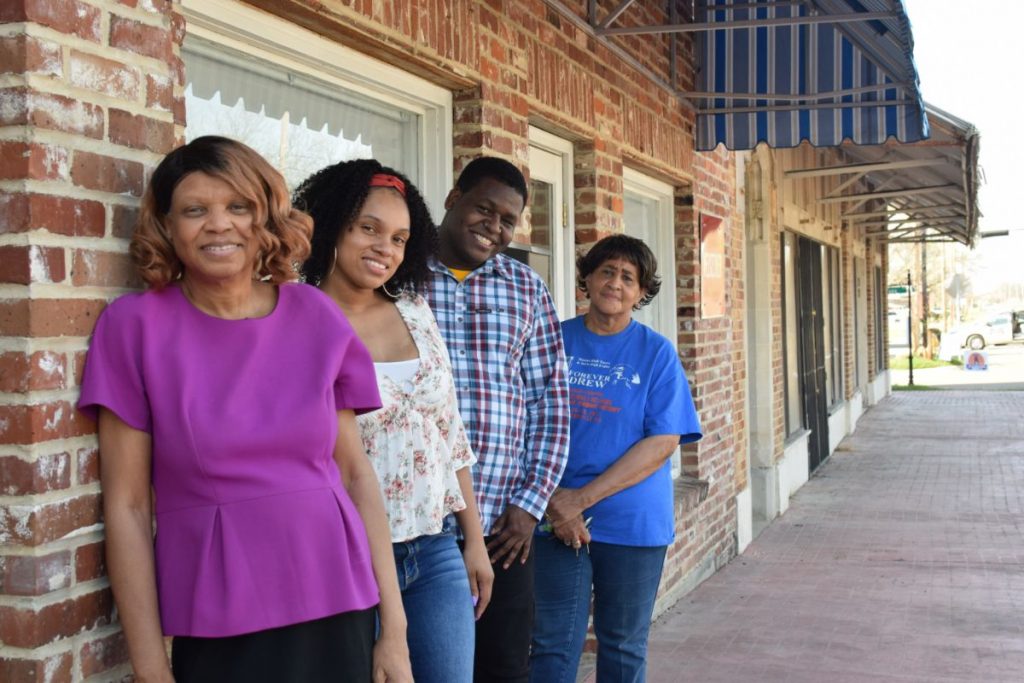
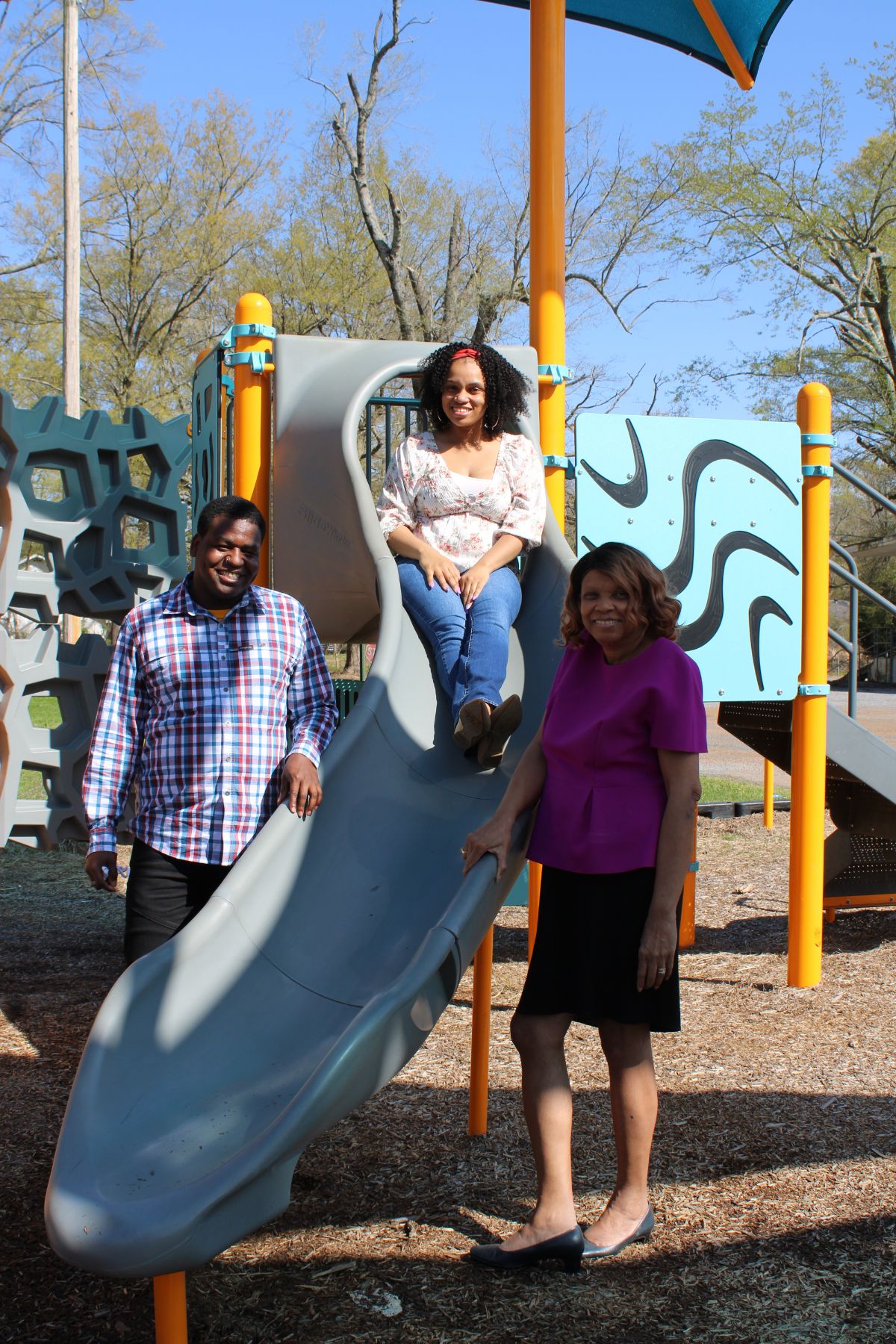
Gloria and the We2Gether Creating Change Team

It’s that same drive that led Gloria to spend her first eight years with We2Gether Creating Change without paying herself a salary. In fact, she’s poured in well over $500,000 of her own money to fund trips to Disney World, distribute scholarships, provide student stipends, pay course instructors, cover overhead expenses, and much, much more. She’s received some financial support from Kellogg Foundation, her previous employer, and other donors, but given Gloria’s aspirations for her community-based work in Drew, she’s going to need more help from foundations that aren’t afraid to invest in her philosophy.

After all, she doesn’t have to look far to see that her approach works. It’s evident when Gloria returns to Ole Miss for graduation ceremonies to watch her students walk across the stage and receive their degrees, just like it’s visible during her trips to Disney World, when she sees kids laughing and playing and having a good time in a place far, far away from the poverty of Drew.

“To see them there with that smile on their face,” she said, “that is what being out of poverty means. That’s really joyful for me, when I see people benefiting from things we’ve done and accomplishing things on their own. I’m so proud when I see people progress, and when I see that they’re gonna make it on their own.”

Learn More

  • We2Gether Creating Change
  • HOPE Credit Union provides financial services; aggregates resources; and engages in advocacy to mitigate the extent to which factors such as race, gender, birthplace and wealth limit one’s ability to prosper. Since 1994, HOPE has generated more than $2.9 billion in financing that has benefitted more than 1.7 million people in Alabama, Arkansas, Louisiana, Mississippi, and Tennessee.
  • CNote – Interested in helping create another story like this? CNote makes it easy to invest in great Credit Unions like HOPE, helping you earn more while having a positive impact on businesses and communities across America.


By Change Makers Series, Migration V2

Change Makers Interview: Janine Firpo

Janine Firpo is an author and speaker who spent more than 20 years in executive roles at Hewlett-Packard, the World Bank, the Bill & Melinda Gates Foundation, and more. She is a values-aligned investor in companies that make the world a better place and is passionate about teaching women to learn how to invest their own money. Embodying these principles, Janine is releasing her first book, Activate Your Money – Invest to Grow Your Wealth and Build a Better World in May of 2021.

Since “retiring” from her former career, Janine has been on a personal mission to invest all of her assets in alignment with her values. In 2017, she left a 35-year career in technology and international development to focus on creating a more just and equitable society through financial investments. This mission also helps women find the confidence to take control of their money and use it to change the world.

We caught up with Janine to talk about values-aligned investing, women in finance, and her new book. We also got the chance to hear her thoughts about the dangers of greenwashing, the significance of the UN Sustainable Development Goals, and the reality that women will soon be a financial force.

CNote: How’d you get to where you are today?

Janine Firpo: I started out my career in the early 1980s in the high-tech sector in Silicon Valley. I was on an upward trajectory, but I’d always loved traveling. In 1995, I quit my job as a VP at a startup, and I did a solo backpacking trip through Sub-Saharan Africa for four months. While I was there, I saw poverty like I had never seen it before. I came back from that trip and decided I wanted to work more in these environments and have impact with my life and work.

It took me almost a year to figure it out, but after a lot of inquiry, I ended up making a complete transformation in my career and started looking at the role that technology and business play in solving poverty in developing countries. I became part of the early conversations in Silicon Valley around how companies could do well with their business while also doing good in the world and trying to tackle some societal challenges.

At some point along the way, I had a realization that those early conversations around impact investing were pretty much in the realm of institutional investors and high-net wealth individuals. I wanted to figure out how I could invest my own money in a way that aligned with my values. If I’d made this huge shift in my career and taken an initial pay cut to do something that mattered to me and gave my life purpose, then why was my money working against me?

CNote: What did you end up doing?

Janine Firpo: When these conversations started, there was no proof that this kind of investing actually worked, and I give a lot of credit to those individuals who were willing to take these risks and start to prove that values-aligned investing actually could provide a viable financial return. I started getting interested in Charly and Lisa Kleissner, who had built a portfolio of ~$10 million investing this way. That’s when I decided I wanted to try to put my money where my mouth is.

That started a journey to figure out how to move everything to align with my values, from my cash to my public holdings in the stock market to bonds and real estate investments. I had three different financial advisors along the way: all of them were well-known in this space, and none of them got me where I wanted to be. So, when I retired about three years ago, I took my assets back, and I started moving my money more aggressively into alignment with my values. I realized a couple of things. One, it’s much more available than it used to be. Two, virtually anyone, even somebody who is a non-accredited investor, can make these kinds of decisions with their money. I decided to help these other people, particularly women, make these kinds of decisions, and that’s what led me to start writing Activate Your Money.

CNote: Can you tell us more about Activate Your Money?

Janine Firpo: I wrote the book in partnership with 150 women, and a few men. It’s called Activate Your Money: Invest to Grow Your Wealth and Build a Better World, and it’s going to be published in May of this year. The purpose is really to help women who have been left out of the financial conversation to take control of their money, to learn how to invest with confidence, and to give them the options they need to make investments in the things that they care about.

When the book is released, there will also be a companion website that has tools, worksheets, and resources, to help women actually take their knowledge and the book and move it into action. There will also be companion curricula that women can use to form together in clubs to teach themselves and work together learning these materials. All of the curriculum and materials will be free. The goal is really to help catalyze a movement that I think has already started, and it’s a movement of women who are moving their money into alignment with their values. My hope is to provide these women with the resources they need to be successful in doing this kind of investing.

CNote: What led you to write a book with more than 100 other people, and what was your process like?

Janine Firpo: At first, I thought I’m going to write this book by myself. I wrote the chapter on cash, and it took me a very long time to do it. I realized that I know so many smart women who know so much more about these topics than me. I started reaching out to some of the women I knew, and I’m really happy that they piled in. I had 40 or more women who are certified financial advisors, certified financial planners, and financial leaders who wrote early drafts of different parts of the book for me based on their areas of knowledge and specialty. I’m not a certified anything. I’m not writing about things that are impossible. I’m writing about things that I’ve done with my own money.

However, because I think it’s really hard to read a book that has a bunch of different voices, I rewrote all of those chapters in my own voice. But I wanted to make sure I was hitting the mark, so I sent every chapter out to about 25 different people who provided feedback on early drafts. Those were primarily women — women from all different walks of life. Based on that feedback, I rewrote it. So, I had women help me as writers, I had women help me as reviewers, and I had women help me as thought leaders. I could not have done this book without them. It’s all of our book. This book was a collective effort, and I could never have done this alone.

CNote: What are some of the misconceptions around impact investing that you see today?

Janine Firpo:  There are still people who think that you have to give up financial return if you invest this way, and that’s a significant misconception. The other thing is I personally have a hard time with the term impact investing, and I do for a couple of reasons. First, there is an implicit assumption in impact investing that the only kind of impact your money can have is a positive one, and that’s actually not true. Your money is having an impact regardless. The question is whether you are consciously aware of that impact and whether or not that impact is something that supports your goals and hopes for the world.

When people talk about impact investing, although they often are referencing an entire portfolio, it doesn’t take long in a conversation for it to turn toward private equity. If you’re a high-net wealth individual, then you have the capacity to go out and do some pretty interesting stuff with private debt and private equity. This leaves average Americans out of the conversation. So, I have a challenge with the whole terminology around impact.

CNote: What term do you think we should use to replace the term impact investing?

Janine Firpo: I use the term values-aligned investing. How we choose to invest our money is very personal. Each person makes different choices. I think this has been a challenge in the whole “impact space”: the questions of what are the values, how do we measure those, and what should those values be? I don’t think we should be determining what people’s values are. People are going to determine that. I think that when we invest in a way that actually speaks to our values and is in line with who we are and how we show up in the world, that leads to a much more positive set of feelings around our money. So, personally, I like values-aligned investing, and I am on a mission to get that terminology to be more used. I think it speaks to the personal nature of it and to the hearts and minds of the individuals that we’re trying to reach.

CNote: What issues do you think values-aligned investing are best situated to address?

Janine Firpo: It can address a number of different issues, including the Sustainable Development Goals that were created by the United Nations. These are 17 goals that speak to significant social issues that we have around the world. Things like poverty, gender equality, social justice, climate change, et cetera. Personally, what I have done is I’ve chosen five of them and said “these are the things that matter to me.” The Sustainable Development Goals are a great starting point to think about your tangible values so that you can then make your investment decisions.

CNote: Where do you see values-aligned investing going in the next 10 years?

Janine Firpo: I’m really encouraged. In the last month alone, it feels like we have really jumped over a major chasm. If you just look at the numbers, at the end of 2018, institutional investors sustainably invested one in every four dollars. At the end of 2019, that leapt to one in three dollars. That’s significant, and the amount of money that is moving into ESG or other types of sustainable investing is growing exponentially. Then another thing that’s interesting to me is the way that business and financial leaders are stepping up to the plate and saying things that I would not have imagined were possible. For example, the Nasdaq wants to change the rules so that companies have to have two diverse board seats, and General Motors said they’re going to stop production of gas and diesel cars by 2030. That’s incredible.

In terms of venture capital in this country, in 2019, only about 2.5% of all the venture capital went to female founders, and even less went to people of color. What we’re seeing now is a growing awareness that we have got to get over our implicit and subconscious biases around who is getting the capital to build businesses in this country, and I think we’re seeing a groundswell there as well. I think we’re going to just see this area grow more and more.

CNote: Thinking about greenwashing and bad actors in this space, do you think investors will one day be able to measure the impact of their investments in a standardized way?

Janine Firpo: First of all, I think greenwashing is a problem, and I know that there are people who have been working for decades on trying to come up with ways to measure impact the same way we measure financial return. It’s difficult, but progress is being made. I trust that we will eventually get to the bottom of this problem and we will have standardized ways to measure company impact. It’s just going to take time. We’re going to identify companies that are truly bad actors and are doing the wrong things in the way that they are claiming their positive impact in the world. Fortunately, there are a growing number of tools to help us to identify these companies and funds. I know some people want a perfect solution today, but I don’t think that’s possible yet. Our measurements are still flawed, and we have to recognize that we are moving toward something better, but we shouldn’t throw out the baby with the bathwater until we get to perfection.

CNote: What’s your long-term vision with Activate Your Money?

Janine Firpo: I hope the day comes that when people talk about investing, what they’re talking about is investing in your values. There should be only one conversation: this is how you invest in alignment with your values. Another long-term goal is women’s empowerment. I’m targeting women for a couple of reasons. One is because women have largely been left out of this conversation. We are not confident when it comes to investing, even though when we do invest, we outperform men. I want to help women recognize that we have this ability: we’re smart, we’re capable, and we can learn how to invest. We do it differently, and that’s ok. Women need to embrace that, not run away from it. There’s not enough information out there to help the average retail investor, so that’s what I’m trying to simplify and make more available.

CNote: What are your thoughts around the number of women pursuing careers in finance?

Janine Firpo: We need more women involved across the board. If you look at financial advisors, almost 80% are men. If you look at the number of women who actively manage funds or are involved in fund management, it’s like 2% to 3%. So, I think it’s really important that we bring more women into the financial industry. I know that there are folks out there who are working on that. I just read something the other day about a group that is educating women at the college level and encouraging more women at that level to get involved in finance.

Part of the challenge is the way the industry itself works. As someone who came up in the tech industry, I believe that one of the things that cause women to get out of some of these male-dominated industries is the business environment. It is not welcoming to women, and it can actually be a soul-draining adventure because it doesn’t speak to the things that we care about or the things that we value. I do think, however, that as more women move into these roles, more change will come. It’s going to take hard work to make that happen, but I think that as we’ve seen with women who are moving into leadership positions in any vertical when women are in leadership roles, things are different.

CNote: What do you think the future of investing looks like for women?

Janine Firpo:  If women took control of our money right now, we could control 50% of the wealth in this country. That will go up to 65% in the early 2030s. So, women are a financial force to be reckoned with if enough of us start moving our money this way, and we can have a significant impact on what’s important in the economy. We can start to use our financial voices to say “we care about our communities, we care about supporting other women, we care about seeing women empowered, and we care about ensuring that this planet is left in a way that will help our children, our grandchildren, and future generations to live happy, fulfilled lives.”

By CNote, Migration V2

CNote’s February Impact Roundup

Welcome to the February edition of the CNote Impact Round-Up, a monthly publication, where we take you through some of the most impactful and popular things we recently shared, discovered, or learned.

Throughout the month we shared brief biographies of African Americans who changed the course of history in the face of incredible adversity; from Bessie Coleman, the first African-American woman to earn a pilot’s license, to Madam C. J. Walker, the first Black woman millionaire in America. 

In the spirit of the month and of these individuals, we shared articles surrounding the challenges that this community is still facing and why it is so important that we invest in their success.

We also shared different articles on Impact investing in Native communities and CDFIs, how CDFIs have supported disadvantaged communities throughout COVID-19, and how world leaders can prioritize sustainable and responsible business.

56% of Black Entrepreneurs say Gaining Access to Capital is a Lingering Challenge by Black Enterprise

Bank of America recently completed an extensive study of 307 Black business owners to explore the goals, challenges, and realities of black business owners across the country. The results revealed that 56% of “Black business owners report obstacles obtaining credit restrict their ability to grow.” 

Check out the full article here

In 2021- it is as clear as ever that access to capital for black entrepreneurs needs to be invested in. The CNote team recently penned the following Twitter thread discussing some of the most telling statistics around economic and racial inequality. 

Check out the full thread here 

Female-Founded Fintech Makes It Easy To Invest In Minority And Women Entrepreneurs by Geri Stengel

We were recently featured in Forbes, in an article highlighting how CNote makes it easy to put your savings to work by investing in disadvantaged communities.

“How do we use financial innovation to help close the wealth gap in this country?” asks Berman, CEO at CNote. “How do we bridge that gap in opportunity in the United States? Opportunity shouldn’t be based on who your parents are, what zip code you were born in, the color of your skin, or other pieces of your identity.”

Check out the full article here

Bridging the gap between Impact Investing and Native Communities by Stanford Social Innovation Review

“But for Indigenous communities and Native Nations to ensure just, equitable, and regenerative development for future generations, equitable development requires more than just capital flow: it requires a dramatic shift in power.” 


Check out the full article here

Impact Investors and CDFIs Can Partner to Create Greater Impact by IFF

Great read from IFF on how impact investors can structure their investments into CDFIs to strengthen the community finance ecosystem and create greater impact.

Check out the full article here

Community Development Funds get more Support to Relieve Minority Businesses by NBC

An article worth checking out on how CDFIs have fought to provide crucial support to small businesses through the chaos of the pandemic relief program. 

Check out the full article here

3 Ways Global Leaders can Prioritize ESG impact by the World Economic Forum

“Capitalism as it is currently designed doesn’t work for everyone. We need a more equal, fair and sustainable way of doing business that values purpose alongside profit.”

Check out the full article here

CNote Recognized as a Fund Manager in ImpactAssets 50

CNote is thrilled to announce that we have been selected as a manager in the ImpactAssets 50 2021 (IA 50), which recognizes a diverse group of impact fund managers who demonstrate a commitment to generating positive impact.

IA 50 Fund Managers are experienced impact fund managers with a minimum 3-year track record and $25 AUM.

We are tremendously proud to have been recognized as a top impact fund manager by ImpactAssets,” said Yuliya Tarasava, co-founder and COO of CNote. “Our commitment to deploying capital to underserved communities in order to build a more inclusive economy has always been at the core of what we do and has been a huge part of achieving this recognition.”

Check out the full article here

Could CDFIs Be One Way To Finance Economic Justice? By Christopher Marquis

Chris Marquis sat down with CNote CEO, Catherine Berman, to talk about CDFIs, and how they have stepped up during COVID to aid underserved communities throughout the country.

Check out the full article here

We hope that you enjoyed this month’s Impact Roundup! Was there anything that we missed? Connect with us on Twitter (@gocnote) and leave us any comments, ideas, or feedback that you have. Until next month!